

What Is a Rotary Hammer and Why Use It for Concrete?
A rotary hammer is a specialized power tool designed to bore through concrete, masonry, and stone using rapid percussive strikes combined with rotation. Unlike standard drills, rotary hammers deliver thousands of impacts per minute, breaking concrete apart rather than simply spinning. This dual-action mechanism makes them essential for anchoring bolts, installing electrical boxes, or hanging shelves on concrete walls. Rotary hammers come in corded and cordless models, with chuck sizes ranging from 1/4 inch to 1-1/2 inches. They’re invaluable for construction, renovation, and heavy-duty DIY projects where concrete penetration is non-negotiable.
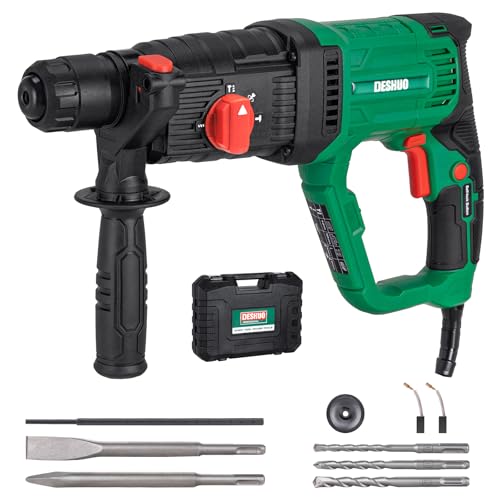
Deshuo 9 Amp SDS-Plus Rotary Hammer Drill - 4 Functions
- ATTENTION: This rotary hammer can only be used with SDS Plus (SDS +) bits--NOT with regular drills, SDS Max, or other types of bits(PLEASE CHECK BEFORE ORDERING)
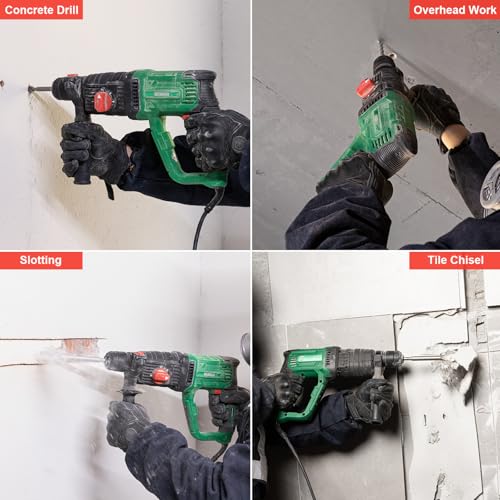
- Efficient Use: The lightweight rotary hammer weighs only 7.19 lbs. and is ideal for overhead or downward drilling applications.The SDS-Plus bit system offers tool-less bit changes and maximum impact energy transfer. Ideal for DIY enthusiasts, not suitable for heavy-duty demolition work
- Power: 9 AMP motor delivers 0-1,100 RPM and 0-5,300 BPM, 2.21 ft.lbs.(3 Joules) of impact energy for fast drilling in concrete, cement, brick, masonry and tile removal
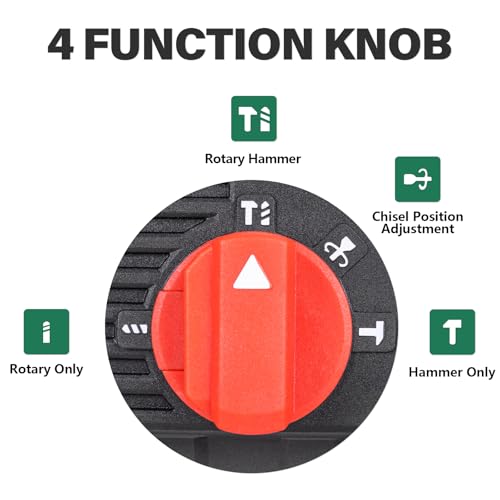
- 4 Modes: "Rotary Hammer" mode is ideal for quickly drilling in concrete. "Rotary Only" mode is suitable for light drilling in masonry or brick work. "Hammer Only" mode is perfect for tile removal. "Chisel position Adjustment" mode allows free adjustment of the chisel angle
- Convenient Use: Equipped with forward and reverse buttons for easy removal of tightened bits. Variable speed trigger with locking button to accurately start the drill and reduce fatigue
- Comfort: Built-in safety clutch disengages torque transmission if the bit gets into a bind. The vibration control system ensures comfort during prolonged use. We provide 24 months warranty service



As an Amazon Associate we earn from qualifying purchases. Product prices and availability are accurate as of the date/time indicated.
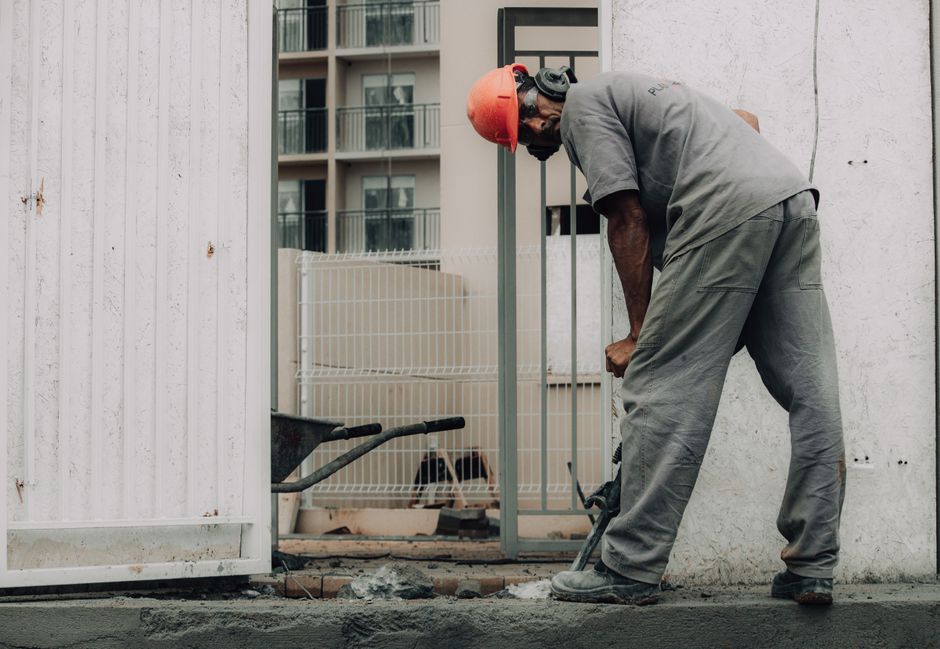
The percussion action separates rotary hammers from hammer drills, which rely more on rotation. Rotary hammers excel at breaking through dense concrete barriers without excessive heat buildup or bit breakage. Professional contractors and serious DIYers rely on them for speed and reliability. If you’re planning concrete work in your garage or home, understanding rotary hammer operation prevents wasted time and damaged equipment.
Key Takeaway: Rotary hammers combine rotation and percussion to efficiently bore through concrete, making them the gold standard for masonry drilling projects.
How Do You Select the Right Bits for Concrete Drilling?
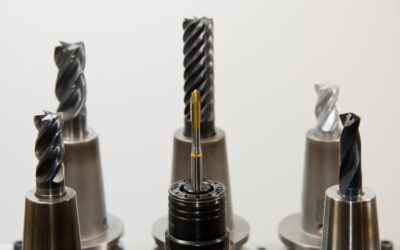
Concrete drilling requires specialized bits designed to withstand extreme friction and impact forces. Standard twist bits fail immediately on concrete surfaces. Carbide-tipped masonry bits are the most common choice, featuring a hardened tip that resists wear and heat. For shallow holes under one inch deep, standard carbide bits suffice. For deeper penetration, SDS-Plus or SDS-Max bits offer superior holding power and faster drilling speed. Bit diameter should match your project needs: 1/4 inch for light anchors, 1/2 inch for heavy fixtures, and 1 inch or larger for major installations.
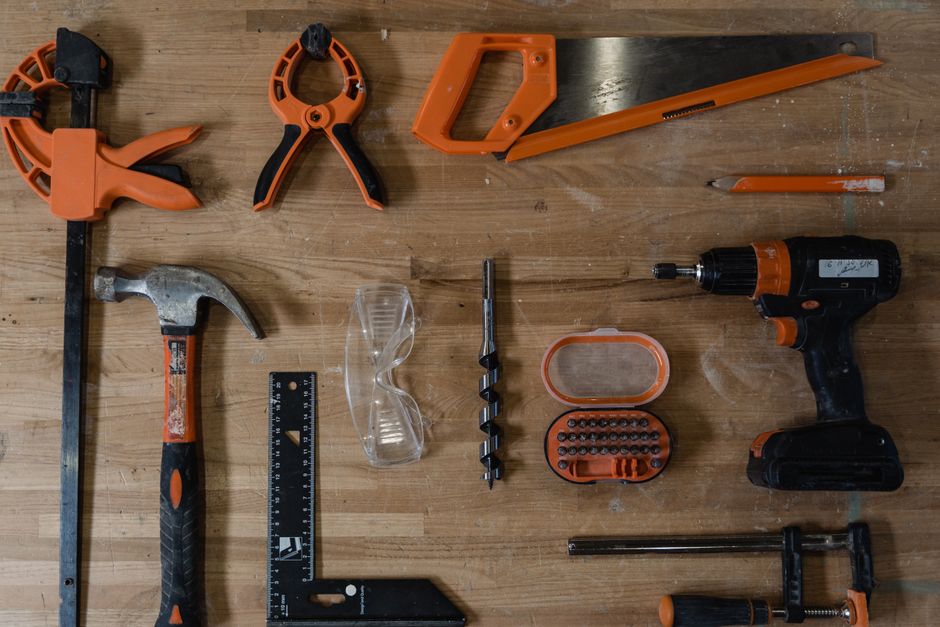
Bit quality directly impacts drilling success and tool longevity. Cheap bits dull quickly and generate excessive heat. Premium bits from manufacturers like Bosch, DeWalt, and Makita maintain sharpness longer and reduce drilling time significantly. Always inspect bits before use for cracks or dull edges.
Types of Concrete Drill Bits
- Carbide-tipped masonry bits: Best for general concrete work and shallow holes.
- SDS-Plus bits: Ideal for medium-depth holes with superior holding and speed.
- SDS-Max bits: Professional-grade for deep holes and heavy-duty applications.
- Spline drive bits: Alternative to SDS systems, offering excellent grip and performance.
- Specialty bits: Hole saws for large diameter openings or core drills for precise cuts.
Key Takeaway: Carbide-tipped or SDS-equipped bits are essential for concrete drilling; cheap bits waste time and damage your rotary hammer.
What Are the Essential Steps for Drilling Into Concrete Safely?
Successful concrete drilling begins with proper preparation and technique. Start by marking your drilling location with a pencil or marker, ensuring accuracy for your project. Use a center punch or nail to create a small indentation at the mark—this guides the bit and prevents slipping. Wear safety glasses to protect against concrete dust and flying debris. A dust mask or respirator prevents inhalation of silica-rich concrete particles, which pose serious health risks. Hearing protection is mandatory, as rotary hammers produce noise levels exceeding 90 decibels.
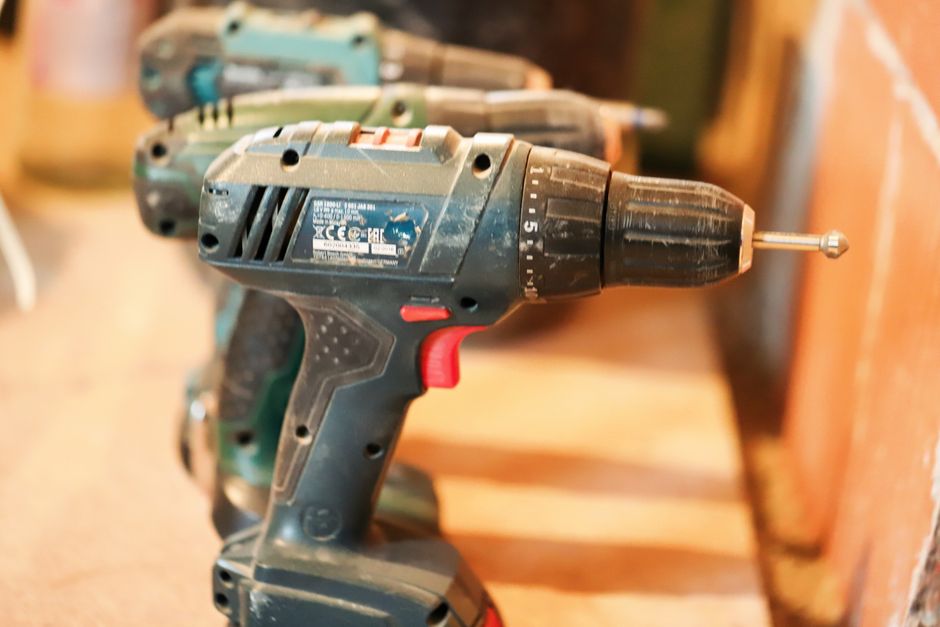
Secure your workpiece firmly before drilling. Loose concrete or brick can rotate unexpectedly, causing wrist injuries. Clamp materials to a stable surface whenever possible. Position yourself with a firm stance and both hands gripping the tool securely. Never wrap fingers around the chuck—use both hands on the handle for maximum control and safety.
Pre-Drilling Safety Checklist
- Wear safety glasses, dust mask, and hearing protection without exception.
- Mark drilling location clearly with pencil or marker.
- Create a center punch indent to guide the bit accurately.
- Clamp or secure the workpiece to prevent rotation.
- Inspect the bit for damage before installation.
- Check that the chuck key is removed before operation.
- Ensure your workspace is clear of obstacles and tripping hazards.
Key Takeaway: Proper preparation, safety equipment, and secure workpiece handling are non-negotiable for safe concrete drilling.
How Do You Operate a Rotary Hammer for Maximum Drilling Efficiency?
Operating a rotary hammer correctly ensures fast drilling and prevents tool damage. First, insert the appropriate bit into the chuck and tighten securely using the chuck key. For SDS bits, simply push and twist until they lock in place—no key needed. Select the correct mode on your rotary hammer: drill mode for standard rotation, hammer mode for percussion-only work, and rotary hammer mode for combined action. Concrete drilling always requires rotary hammer mode for optimal performance.
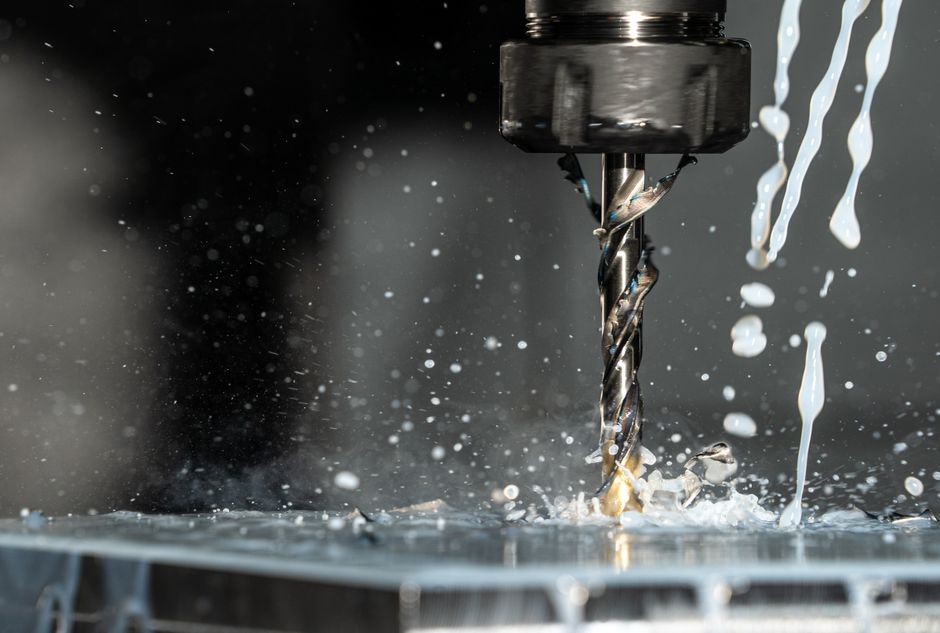
Position the bit against the concrete at a 90-degree angle to the surface. Apply steady pressure without forcing the tool—let the percussion action do the work. Pushing too hard causes the motor to labor, generates excessive heat, and wears the bit prematurely. Start at low speed, then increase gradually as the bit penetrates. For holes deeper than two inches, withdraw the bit every half-inch to clear dust and prevent overheating.
Drilling Technique for Best Results
- Apply consistent, moderate pressure—never force the tool aggressively.
- Maintain a 90-degree angle between bit and concrete surface.
- Withdraw the bit periodically to clear dust and prevent binding.
- Let the percussion action break the concrete; don’t rely on pressure alone.
- Monitor temperature: if the bit becomes too hot to touch, stop and cool it.
- For deep holes, use a dust extractor attachment to improve visibility and reduce airborne particles.
Key Takeaway: Steady pressure, correct mode selection, and periodic bit withdrawal ensure efficient drilling and extend tool life.
What Common Mistakes Should You Avoid When Drilling Concrete?
Even experienced users make mistakes that compromise results or damage equipment. Using the wrong bit type is the most common error—standard twist bits or masonry bits designed for hand tools fail immediately on concrete. Applying excessive pressure is another major mistake. Rotary hammers work best with light-to-moderate pressure; forcing the tool creates heat, dulls bits quickly, and strains the motor. Never operate a rotary hammer without proper safety gear, risking serious injury from dust inhalation or tool kickback.
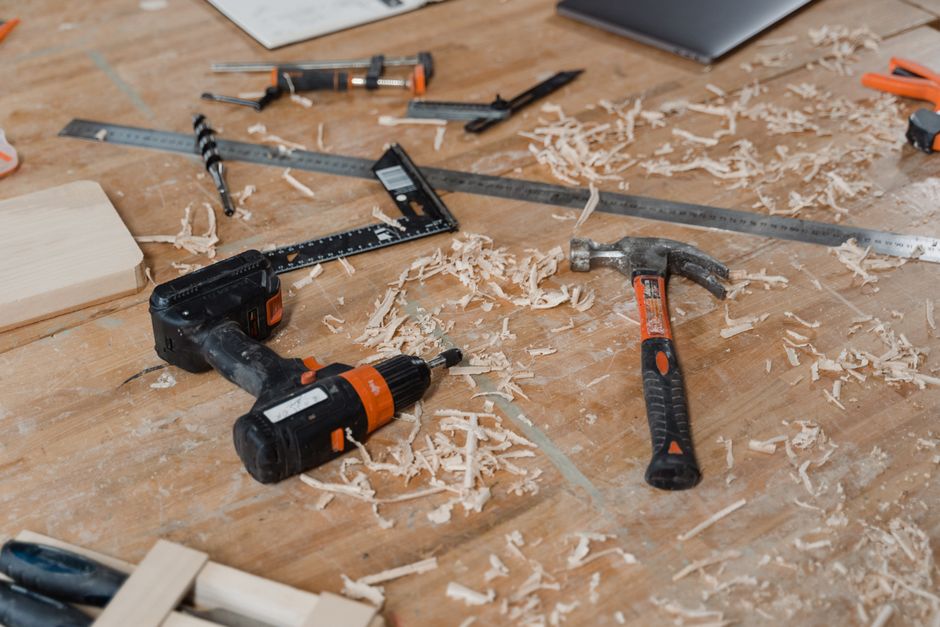
Failing to clear dust regularly causes bits to bind and overheat. Drilling without securing the workpiece invites dangerous rotation. Using a rotary hammer on delicate materials like tile without proper technique causes cracking. Neglecting maintenance—checking chuck tightness, inspecting bits, and cleaning vents—reduces tool lifespan significantly.
Common Drilling Mistakes to Prevent
- Using standard twist bits instead of carbide-tipped or SDS bits.
- Applying excessive pressure that overheats the bit and motor.
- Skipping safety equipment like dust masks and hearing protection.
- Failing to clear dust during deep drilling operations.
- Operating on unsecured workpieces that can rotate unexpectedly.
- Ignoring bit temperature and continuing to drill when overheated.
- Neglecting regular maintenance and bit inspection.
Key Takeaway: Avoiding common mistakes—wrong bits, excessive pressure, and poor safety practices—prevents injuries and equipment damage.
How Can You Maintain Your Rotary Hammer for Long-Term Performance?
Regular maintenance extends rotary hammer life and ensures reliable performance on every project. After each use, clear dust from vents using compressed air or a soft brush. Concrete dust accumulates in motor cooling passages, reducing efficiency and causing overheating. Inspect the chuck regularly for cracks or wear, replacing it if damaged. Clean the chuck threads monthly with a dry cloth to prevent dust buildup that affects bit grip.
Store your rotary hammer in a dry location, preferably in a protective case. Humidity and moisture cause internal corrosion and electrical failures. For cordless models, charge batteries according to manufacturer specifications and store them in cool conditions. Check power cords regularly for cuts or damage. Replace worn chucks or damaged components promptly to prevent tool failure during critical projects.
Monthly Maintenance Tasks
- Blow out vents and cooling passages with compressed air.
- Wipe the chuck clean and inspect for cracks.
- Check the power cord for damage or exposed wires.
- Test the trigger switch for smooth operation.
- Verify that all mode selections engage properly.
- For cordless models, charge batteries and check for swelling or damage.
Key Takeaway: Regular cleaning, inspection, and proper storage preserve rotary hammer functionality and prevent costly repairs or replacements.
What Practical Tips Improve Drilling Speed and Accuracy?
Professional contractors use proven techniques to drill faster and more accurately. Mark holes with a center punch to prevent bit wandering—this single step improves accuracy dramatically. Use a dust extractor attachment to maintain visibility and reduce inhalation hazards. For multiple holes, create a template from plywood or cardboard to ensure consistent spacing and depth. A depth stop collar, available for most rotary hammers, prevents overdrilling and ensures uniform hole depth across projects.
Cooling the bit between holes extends life and maintains performance. Dip freshly used bits in water for five seconds to cool them—never plunge hot bits into water suddenly, as thermal shock cracks carbide tips. For production drilling, organize bits by size and condition, discarding dull ones immediately. Work in well-lit areas to see dust clouds and monitor drilling progress accurately.
Pro Tips for Faster, Cleaner Drilling
- Always use a center punch to create a starting indent.
- Attach a dust extractor for cleaner work and better visibility.
- Use a depth stop collar to control hole depth precisely.
- Cool bits between holes by brief water dipping.
- Mark multiple hole locations with a template for consistency.
- Work in bright light to monitor dust clouds and bit progress.
- Keep backup bits on hand to swap when one dulls.
Key Takeaway: Center punches, dust extractors, depth stops, and bit cooling techniques dramatically improve drilling speed, accuracy, and tool longevity.
How Does Concrete Type Affect Your Drilling Strategy?
Different concrete compositions require adjusted techniques for optimal results. Standard Portland cement concrete is medium-density and drills most easily with standard carbide bits. Reinforced concrete containing rebar demands SDS-Plus or SDS-Max bits for reliable penetration. Lightweight concrete drills quickly but requires lighter pressure to prevent bit breakage. Hard, old concrete found in vintage buildings resists drilling and benefits from slower speeds and premium bits. Aggregate size also matters—coarse gravel in the mix creates harder drilling than fine-sand concrete.
Test your concrete type before committing to major drilling. Drill a small pilot hole to assess hardness and adjust your approach accordingly. Dense concrete generates more heat, necessitating frequent bit withdrawal and cooling. Softer concrete allows faster drilling but requires careful pressure control to prevent bit binding.
Key Takeaway: Adjusting drilling speed and pressure based on concrete type—standard, reinforced, lightweight, or aged—ensures success and prevents bit damage.
What Safety Precautions Are Essential for Concrete Drilling Projects?
Concrete drilling poses specific hazards requiring comprehensive safety measures. Silica dust inhalation causes silicosis, a serious lung disease affecting workers and DIYers alike. Always wear a NIOSH-approved respirator rated P100 or higher when drilling concrete. Dust masks alone provide insufficient protection. Wear safety glasses with side shields to prevent concrete particles from entering eyes. Hearing protection is mandatory, as rotary hammers exceed 90 decibels. Prolonged exposure causes permanent hearing loss.
Tool kickback represents another serious hazard. Rotary hammers can twist violently if the bit binds in concrete. Maintain firm control with both hands on designated handles. Never wrap fingers around the chuck. Work gloves protect hands from sharp concrete edges and tool contact. Ensure your workspace is clear of tripping hazards and that you have stable footing before starting.
Complete Safety Equipment Checklist
- NIOSH-approved P100 respirator for silica dust protection.
- Safety glasses with side shields.
- Hearing protection rated for 90+ decibel environments.
- Work gloves to protect hands from sharp edges.
- Long sleeves and pants to prevent concrete dust contact with skin.
- Steel-toed boots in professional settings.
- First aid kit nearby for minor injuries.
Key Takeaway: Comprehensive safety equipment—especially NIOSH-rated respirators—protects against silica dust, hearing damage, and tool-related injuries during concrete drilling.
How Do You Compare Rotary Hammers to Other Concrete Drilling Tools?
Rotary hammers outperform standard hammer drills for serious concrete work. Hammer drills rely primarily on rotation with lighter percussion, making them suitable for shallow holes in softer materials. Rotary hammers deliver powerful, rapid strikes that penetrate dense concrete efficiently. Impact drivers focus on torque rather than drilling, making them unsuitable for concrete. Standard electric drills lack any percussion capability and will fail immediately on concrete. For professional-grade concrete work, rotary hammers are the only appropriate choice.
Pneumatic rotary hammers offer advantages in production environments but require air compressors. Cordless rotary hammers provide convenience and mobility for homeowners and small contractors. Corded models deliver consistent power without battery concerns. If you’re drilling concrete regularly, a quality rotary hammer is a worthwhile investment. For occasional projects, rentals are economical alternatives to purchasing.
Key Takeaway: Rotary hammers are superior to hammer drills, impact drivers, and standard drills for concrete penetration due to their powerful percussion mechanism.
Does Drilling Into Concrete Require Special Anchors or Fasteners?
Holes drilled with rotary hammers require appropriate anchors to securely hold fasteners. Expansion anchors, also called wedge anchors, work by expanding behind the concrete surface as you tighten the bolt. They suit heavy loads and permanent installations. Sleeve anchors provide similar function with different installation mechanics. For lighter loads, plastic anchors or nylon plugs work adequately. Self-drilling anchors eliminate the need for separate drilling by combining the bit and anchor in one tool.
Match anchor size precisely to your drilled hole diameter. Undersized anchors slip; oversized ones won’t fit. Concrete fastener strength depends on concrete quality, anchor type, and installation depth. Consult fastener manufacturer specifications for load ratings. Always test your installation with light loads before trusting full weight to new anchors.
Key Takeaway: Select expansion anchors, sleeve anchors, or plastic plugs matched to your hole size and load requirements for secure concrete fastening.
What Should You Know About Drilling Through Reinforced Concrete?
Reinforced concrete contains steel rebar that dramatically complicates drilling. Hitting rebar causes the bit to bind suddenly, risking wrist injuries and tool damage. Metal detectors designed for rebar location are invaluable for avoiding steel. If you hit rebar, stop immediately and relocate your hole slightly. Attempting to drill through rebar with standard bits breaks the bit and damages the rotary hammer. SDS-Max bits offer the best chance of penetrating rebar, but professional contractors often drill around it rather than through it.
For major projects involving reinforced concrete, consult structural engineers or hire professionals. Drilling reinforced concrete improperly weakens structural integrity. Use caution, employ rebar detection, and relocate holes if necessary. When drilling near rebar, reduce speed and pressure significantly.
Key Takeaway: Avoid drilling through rebar using metal detectors; if you encounter steel, stop and relocate your hole to prevent bit breakage and safety hazards.
Are There Alternative Methods to Drilling Into Concrete Without a Rotary Hammer?
For occasional light-duty projects, alternatives exist though they’re slower and less effective. Standard hammer drills work for shallow holes in soft concrete but lack the power of rotary hammers. Masonry bits in regular drills penetrate slowly and overheat easily. Manual drilling with a hand-powered brace and auger works for very small holes but requires significant physical effort. For renters or budget-conscious DIYers, renting a rotary hammer costs less than purchasing one. If you need professional results without equipment investment, hiring a contractor with proper tools is often the most economical approach.
For detailed guidance on alternative concrete drilling methods, see our comprehensive guide on how to drill into concrete without a hammer drill. That resource covers workarounds for situations where rotary hammers aren’t available. However, for serious concrete work, rotary hammers remain the gold standard.
Key Takeaway: While alternatives like hammer drills and hand tools exist, rotary hammers deliver superior speed and results for concrete drilling projects.
Can You Drill Into Concrete Underwater or in Wet Conditions?
Wet concrete drilling is possible but requires extra precautions. Water reduces dust hazards significantly, which is beneficial for respiratory health. However, moisture increases electrical shock risks with corded rotary hammers. Use a GFCI-protected outlet and never operate corded tools in standing water. Cordless rotary hammers are safer for wet conditions if the battery compartment is properly sealed. Wet concrete may be harder or softer depending on moisture depth—surface moisture softens it, while fully saturated concrete hardens.
Avoid drilling during heavy rain or into actively leaking concrete. Drilling into wet concrete can cause water to spray unexpectedly. Wear additional protective equipment including a face shield. Allow concrete to dry slightly before drilling when possible. If drilling wet concrete is unavoidable, use cordless tools and maintain strict electrical safety protocols.
Key Takeaway: Wet concrete drilling requires cordless tools, GFCI protection, and extra caution; dry conditions are always preferable for safety and performance.
How Do You Troubleshoot Common Rotary Hammer Problems During Drilling?
Bit binding or jamming indicates the bit is stuck in concrete. Stop immediately and gently reverse the tool—never force it forward. Check for rebar or unexpected hardness. If the bit won’t release, wiggle it side-to-side gently while reversing. Excessive heat suggests the bit is dull or you’re applying too much pressure. Cool the bit and reduce pressure or replace the bit. Lack of percussion indicates the tool isn’t in rotary hammer mode or the mode switch is damaged.
Poor drilling progress despite correct operation suggests the concrete is harder than expected or the bit is undersized. Switch to a larger bit or premium carbide-tipped bit. If the motor stalls repeatedly, reduce pressure and allow the tool to cool. Unusual vibration or noise indicates internal damage—stop using the tool and have it serviced professionally. Regular maintenance prevents most problems before they develop.
Key Takeaway: Troubleshooting common issues like bit binding, excessive heat, and stalling involves stopping immediately, assessing the problem, and adjusting technique or equipment.
What Are the Best Rotary Hammer Brands and Models for 2026?
Leading manufacturers like DeWalt, Bosch, Makita, and Milwaukee produce reliable rotary hammers for professional and consumer use. DeWalt’s SDS-Plus models offer excellent balance of power, durability, and affordability. Bosch rotary hammers are known for precision and consistent performance. Makita cordless models provide convenience for jobsite mobility. Milwaukee tools appeal to contractors needing maximum power and durability. Smaller brands like Metabo and Hilti serve specialized professional markets. Research reviews and compare features like chuck type, power rating, and warranty before purchasing.
Consider your project frequency and budget. Occasional DIYers benefit from cordless models or rentals. Professional contractors justify investing in premium corded or pneumatic models. Check for features like vibration reduction, ergonomic handles, and dust extraction compatibility. Warranty coverage and local service availability matter for long-term satisfaction. Visit manufacturer websites to compare current 2026 models and read professional reviews.
Key Takeaway: DeWalt, Bosch, Makita, and Milwaukee offer quality rotary hammers; choose based on project frequency, budget, and specific feature needs.
Does Drilling Into Concrete Damage the Tool or Require Special Maintenance?
Rotary hammers are specifically designed for concrete drilling and handle it well when used properly. However, concrete is abrasive and creates wear over time. Regular maintenance extends tool life significantly. Concrete dust accumulates in vents and cooling passages—cleaning after each use prevents overheating and motor damage. Inspect chucks monthly for cracks from impact forces. Replace worn components promptly. Concrete drilling generates heat; allow the tool to cool between extended drilling sessions.
Quality tools from reputable manufacturers withstand thousands of hours of concrete drilling. Budget models may fail after limited use. Investing in a quality rotary hammer and maintaining it properly ensures years of reliable performance. Most failures result from neglecting maintenance rather than normal wear. Keep your tool clean, store it properly, and replace bits regularly for optimal longevity.
Key Takeaway: Rotary hammers withstand concrete drilling well; regular cleaning, maintenance, and component replacement ensure long-term reliability and performance.
Should You Hire a Professional for Concrete Drilling Projects?
Professional contractors bring expertise, proper equipment, and insurance to concrete drilling projects. Hire professionals for structural work, reinforced concrete drilling, or projects affecting building integrity. For anchoring shelves, hanging TVs, or installing electrical outlets, confident DIYers with proper tools and safety equipment can succeed. Professionals work faster, avoid mistakes, and guarantee results. Their experience with various concrete types prevents costly errors. For major renovations or commercial projects, professional drilling is mandatory.
Cost-benefit analysis determines hiring decisions. Small projects may cost more hiring professionals than renting equipment and doing it yourself. Large projects justify professional labor. Consider your skill level, available time, and equipment access. If you’re uncertain about concrete type, structural implications, or technical requirements, consult professionals. Many contractors offer free estimates and can advise on feasibility and costs.
Key Takeaway: Hire professionals for structural work and reinforced concrete; confident DIYers with proper equipment can handle light-duty concrete drilling safely.
How Can Rotary Hammer Drilling Integrate With Other Power Tools for Complete Projects?
Rotary hammer drilling is often one step in larger renovation or construction projects. After drilling anchor holes, you’ll use other tools to complete installations. For trim work and fastening, explore how to use a brad nailer for trim work. For general fastening projects, understand how to load a nail gun correctly. Surface preparation may involve how to use a heat gun to strip paint. Proper tool storage is essential—learn how to store power tools safely in a garage.
Mastering rotary hammers complements skills with other drilling techniques. For precision work, understand how to drill a straight hole without a drill press. Bit maintenance applies across tools—master how to change a drill bit properly. For brick work, see how to use a hammer drill on brick. Rotary tools enable specialized work like how to engrave metal with a rotary tool. For finishing, learn how to sand furniture with a random orbital sander.
Key Takeaway: Rotary hammer skills integrate seamlessly with other power tools and techniques for comprehensive home improvement and construction projects.
Is Drilling Into Concrete Worth the Investment in Equipment and Learning?
For homeowners planning multiple concrete projects, investing in a quality rotary hammer pays dividends. Professional-grade tools cost between 200 and 500 dollars but last decades with proper care. Renting equipment for occasional projects costs 30 to 60 dollars daily, making purchasing economical after three to five rental cycles. Learning proper technique prevents costly mistakes and safety incidents. The skills transfer to future projects and increase home value through professional-quality installations.
Concrete drilling enables countless improvements: mounting shelves, installing security systems, anchoring outdoor structures, and hanging heavy fixtures. These projects enhance functionality and aesthetics while increasing property value. The confidence gained from mastering concrete drilling extends to other DIY skills. Whether you purchase equipment or rent it, investing time in learning proper technique ensures success and safety on every project.
Key Takeaway: Investing in rotary hammer equipment and learning proper techniques pays long-term dividends through successful projects, increased home value, and expanded DIY capabilities.
What Are the Final Steps and Finishing Touches After Drilling Into Concrete?
After drilling, clean the hole thoroughly using a brush or compressed air to remove dust and debris. This ensures anchors seat properly and fasteners hold securely. Inspect the hole for cracks or damage that might compromise holding strength. For expansion anchors, insert them carefully and tighten bolts gradually to avoid overtightening, which damages concrete. Install fasteners according to manufacturer specifications for load ratings. Test installations with light loads before applying full weight.
For aesthetic finishing, concrete dust around holes can be cleaned with a damp cloth. Caulk around fasteners if desired for a polished appearance. Document hole locations and depths for future reference. Properly finished installations look professional and function reliably for years. Take time with finishing touches—they’re what distinguish professional-quality work from amateur efforts.
Key Takeaway: Thorough cleaning, proper anchor installation, and careful finishing ensure professional-quality results that function reliably and look polished.
Recommended Products

ENEACRO 13Amp SDS-Plus Rotary Hammer Drill - Heavy Duty
- POWERFUL MOTOR: Our ENRH3201 high-performance electric rotary hammer features a 13Amp industrial motor with 5.5 feet/lbs (7.4 joules) impact energy, making it suitable for heavy duty concrete work. The heat resistant copper wire motor ensures long working periods without overheating. The anti-dust bottom structure extends the lifespan of the hammer
- FOUR FUNCTIONS: Our rotary hammer offers four different functions of drill only mode (suitable for wood, steel, etc.), hammer only mode (suitable for concrete or brick), hammer drill mode (suitable for heavy duty work) and chisel position adjustment to adapt to variety of work scenarios which are easy to switch. Easily switch between functions using our two different switches. The double function switch design extends the service life by 100% compared to single function switches
- THOUGHTFUL HUMANIZED DESIGN: For your safety and comfort, we have designed the ENRH3201 with a safety clutch protection to protect your wrist from high torque force. The 360 adjustable handle allows for easy handling in different work scenarios. Our upgraded double layer anti-vibration system effectively reduces vibrations and minimizes fatigue. The PU soft grip handle prevents slipping, ensuring a comfortable and secure grip during use
- DRILLING CAPACITY: The ENRH3201 rotary hammer drill has a maximum drilling diameter of 1.25 inch for concrete and 0.5 inch for metal. With a no-load speed of 820 r/min and a max impact frequency of 4200bpm, our rotary hammer delivers efficient and powerful performance. The sds-plus chuck allows for quick and secure bit changes, ensuring uninterrupted progress on your projects
- SPECIFICATION: The bare machine weight of ENRH3201 rotary hammer is 12.58 Lbs. The dimensions are 15.36 inches L x 10.24 inches W x 4.53 inches H. The total weight includes all accessories is 18.1Lbs. and overall shipping dimensions are 17.32 inches L x 13.46 inches W x 4.96 inches H. You can use it to remove tiles or demolishing brickwork. It is also suitable for masonry, concrete and brick
- WHAT YOU WILL GET: Purchase includes: ENRH3201 rotary hammer x 1; sds-plus drill bits (8mm, 10mm, 12mm) x 3; sds-plus 10-inch chisel x 2; Auxiliary handle x 1; Replaceable carbon brush x 1 set; Lubricant Grease x 1; Dust proof cap x 1; Carrying Case x 1. This all-inclusive kit equips you for success, making it a valuable choice for professionals and DIY enthusiasts alike


As an Amazon Associate we earn from qualifying purchases. Product prices and availability are accurate as of the date/time indicated.

WORKPRO 17-Piece SDS-Plus Rotary Hammer Drill Bit Set
- Set Includes: 12-piece drill bits in 4 groups of different lengths and sizes; 2-piece point chisels, 3-piece flat chisels, and one storage case
- High-Quality Bits: Cemented carbide YG8C provides outstanding hardness and durability, making the bits perfect for chipping off bricks, concrete, stones, and other masonry construction materials
- U-Shaped Flute Design: Each drill bit features a U-shaped flute to achieve quick dirt removal and keep the drill bit running smoothly and cooler
- Wide Adaption: The drill bits and chisel set is fully compatible with most brands of SDS-plus rotary hammers, such as BOSCH, MAKITA, and Milwaukee
- Accessible to Store and Carry: Come with a portable case, so all the drill bits and chisels can be well-stored and conveniently carried. The case dimension is 11-39/64“L x 9”W x 2-13/64“H


As an Amazon Associate we earn from qualifying purchases. Product prices and availability are accurate as of the date/time indicated.
Conclusion: Mastering Concrete Drilling With a Rotary Hammer in 2026
Drilling into concrete with a rotary hammer is a learnable skill that opens countless home improvement possibilities. Understanding tool selection, proper technique, and safety precautions ensures successful projects and prevents injuries. Quality bits, appropriate pressure, and regular maintenance transform concrete drilling from intimidating to routine. Whether you’re mounting shelves, installing anchors, or undertaking major renovations, rotary hammer mastery is invaluable.
Invest in quality equipment, prioritize safety, and practice on small projects before tackling major work. The skills you develop transfer to future projects and increase your confidence as a DIYer. Professional results come from combining proper tools, correct technique, and meticulous attention to detail. With the knowledge from this guide, you’re equipped to tackle concrete drilling projects safely and effectively in 2026 and beyond.


Write Your Review
No reviews yet. Be the first to share your experience!