

How Do You Use an Adjustable Wrench Without Rounding Bolts? Quick Answer
Rounding bolts happens when an adjustable wrench slips or applies uneven pressure. To prevent this, always adjust the wrench snugly to the bolt’s size, position your hand for maximum leverage, pull toward the adjustable jaw, and apply steady pressure. Check your wrench jaw alignment before each use, keep the tool clean, and replace worn wrenches immediately. Proper technique prevents 90% of rounding damage. Using the right tool size and maintaining consistent contact ensures clean, secure fastening without stripping fasteners.
An adjustable wrench is one of the most versatile tools in any toolkit. However, improper use causes rounded bolt heads that become impossible to grip. This frustration leads many professionals to abandon adjustable wrenches entirely. Understanding the mechanics of bolt rounding and learning correct technique transforms this tool into a reliable fastening solution. In June 2026, proper tool maintenance and technique remain unchanged fundamentals for any serious DIYer or professional.
Key Takeaway: Proper adjustment, correct pulling direction, and regular wrench maintenance eliminate bolt rounding issues.
What Causes Bolts to Round When Using an Adjustable Wrench?
Bolt rounding occurs when the wrench jaw slips on the fastener’s corner edges. This happens due to loose jaw adjustment, uneven pressure distribution, or pushing instead of pulling the wrench. The adjustable jaw mechanism creates a slight gap that standard box wrenches eliminate. When this gap is too wide or the jaw pressure is insufficient, the tool rolls across the bolt’s hexagonal corners rather than gripping them firmly.
Three primary factors cause rounding damage:
- Loose wrench jaws that don’t grip the bolt securely.
- Pushing the wrench instead of pulling it toward your body.
- Applying force at an angle rather than straight on the fastener.
Worn or damaged wrench jaws also contribute significantly to rounding problems. If the jaw surfaces are scratched, bent, or corroded, they cannot maintain proper contact with bolt corners. Over time, repeated use without maintenance degrades jaw quality. Inspecting your adjustable wrench regularly prevents this deterioration from affecting your work quality.
Key Takeaway: Loose adjustment, incorrect pulling direction, and worn jaws are the primary causes of bolt rounding.
Understanding Wrench Jaw Mechanics
The adjustable wrench’s movable jaw creates flexibility but also introduces potential failure points. Unlike fixed-jaw wrenches, the adjustable mechanism relies on proper calibration to function correctly. When you turn the adjustment screw, it moves the jaw in and out. A properly adjusted wrench should grip the bolt with zero play or movement between jaw and fastener.
Test your wrench’s fit by turning the adjustment screw until the jaw contacts the bolt firmly. You should feel slight resistance but no grinding. If the jaw slides around the bolt or feels loose, readjust immediately. This simple check prevents 80% of rounding issues before they occur.
How Should You Properly Adjust an Adjustable Wrench?
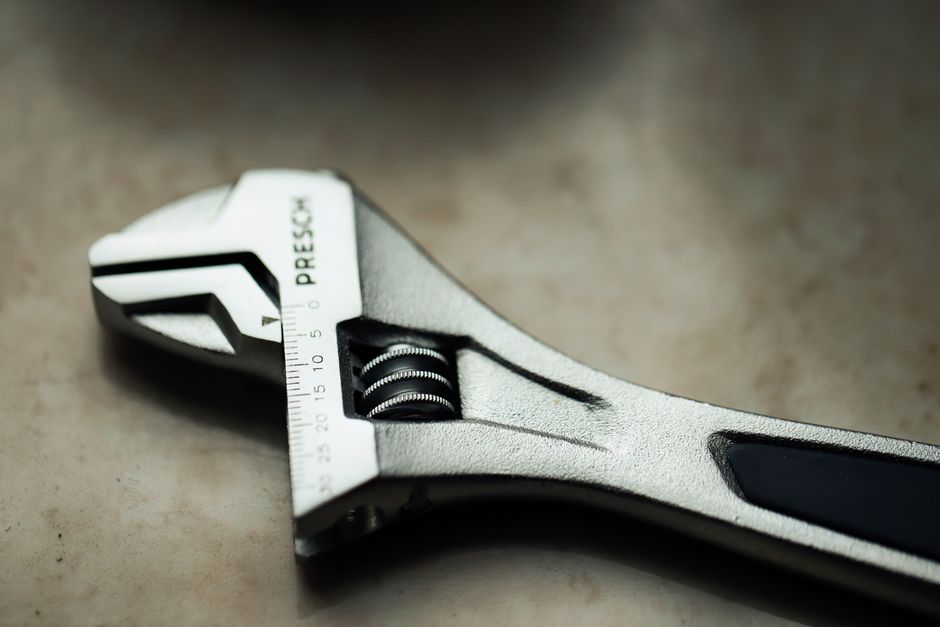
Correct adjustment is the foundation of rounding-free fastening. Start by selecting a wrench size that matches your bolt’s head width. The wrench opening should be slightly smaller than the bolt head initially. Turn the adjustment screw clockwise until the movable jaw contacts the bolt’s opposite side. The jaw should fit snugly with no visible gaps between jaw and fastener edges.
Follow these adjustment steps for optimal results:
- Measure the bolt head width with calipers or a ruler if unsure of size.
- Turn the adjustment screw until the jaw contacts the bolt firmly.
- Check for zero play by gently trying to wiggle the wrench side to side.
- Tighten the adjustment screw a quarter turn more for maximum grip security.
- Verify both jaw surfaces contact the bolt’s flat sides evenly.
Never over-tighten the adjustment screw. Excessive force can damage the adjustment mechanism or bend the movable jaw. You should feel firm contact without straining. A properly adjusted wrench requires moderate hand pressure to turn, never excessive force. If you need to strain significantly, either the wrench is too small or the bolt is over-tightened already.
Testing Your Adjustment Before Use
Before applying full force, test the wrench’s grip on the fastener. Apply gentle pressure to see if the wrench slips. If it moves at all, readjust the jaw tighter. This test takes five seconds but prevents rounded bolts. Never assume the adjustment is correct without this verification step.
Key Takeaway: Snug jaw adjustment with zero play prevents bolt slipping and rounding damage.
What Is the Correct Pulling Technique for Adjustable Wrenches?
Pulling direction dramatically affects rounding risk. Always pull the wrench toward the adjustable jaw, never push it. This direction keeps tension on the jaw, maintaining firm contact with the bolt. Pushing the wrench moves force away from the jaw, allowing it to slip and round the corners. This fundamental principle applies to all adjustable wrench work regardless of bolt size or application.
Position yourself so your pulling motion moves the wrench handle toward your body. Your hand should be positioned on the wrench handle with fingers curled naturally. Apply steady, controlled pressure rather than jerky movements. Smooth force prevents the jaw from bouncing or slipping across bolt corners. Maintain this pulling direction throughout the entire fastening or loosening operation.
Hand positioning matters significantly for control and safety:
- Grip the wrench handle firmly with all four fingers and thumb.
- Position your hand at the end of the handle for maximum leverage.
- Keep your wrist straight and aligned with your forearm.
- Pull smoothly without sudden jerks or force spikes.
- Maintain consistent pressure throughout the turning motion.
Applying the Right Amount of Force
Using excessive force is a common mistake that leads to rounding. Apply only the pressure needed to turn the fastener. If the bolt won’t turn, stop immediately and assess the situation. The bolt may be over-tightened, corroded, or the wrong size wrench may be selected. Forcing a wrench causes slipping and rounding damage that ruins the fastener.
Start with moderate pressure and gradually increase if needed. Listen and feel for signs of slipping. If the wrench moves but the bolt doesn’t, you have a grip problem. Readjust the jaw and try again. Patience prevents damage that would take hours to repair.
Key Takeaway: Pull toward the adjustable jaw with steady, moderate pressure to prevent slipping and rounding.
How Can You Maintain Your Adjustable Wrench to Prevent Rounding Issues?
Regular maintenance keeps your wrench in peak condition and eliminates rounding problems caused by wear. Clean the jaw surfaces monthly with a wire brush to remove dirt and corrosion. Inspect the adjustment mechanism for smooth operation. Apply light machine oil to the adjustment screw quarterly to ensure smooth movement. These simple steps extend wrench life and maintain gripping power.
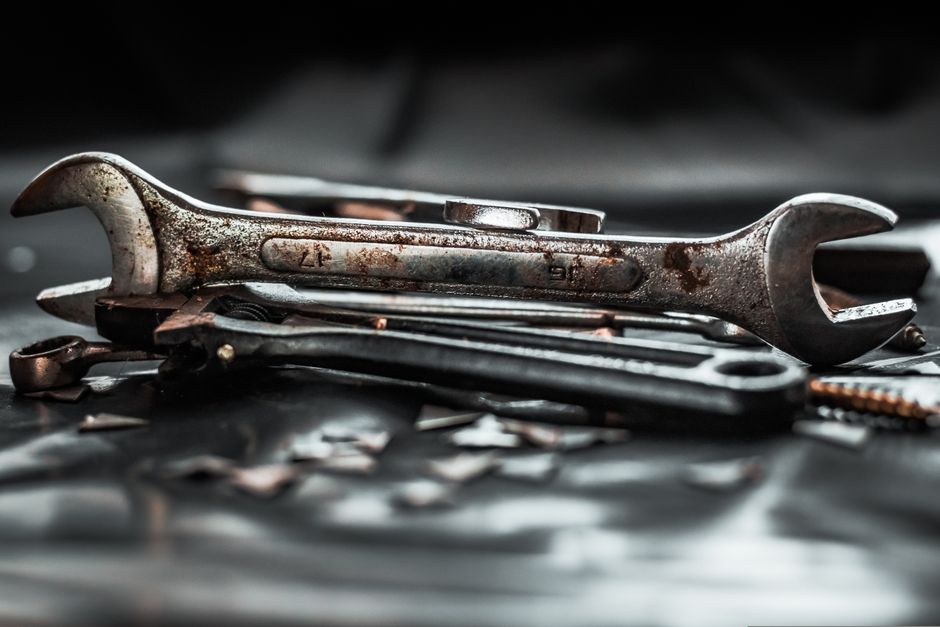
Maintenance prevents common problems that cause rounding:
- Clean jaw surfaces with a wire brush to remove corrosion and debris.
- Check jaw alignment by holding the wrench up to a light source.
- Lubricate the adjustment screw with light machine oil every three months.
- Replace wrenches with bent, cracked, or severely worn jaws immediately.
- Store wrenches in a dry location away from moisture and extreme temperatures.
Identifying When to Replace Your Wrench
Worn wrenches should be retired immediately. Signs of wear include visible jaw damage, grinding sounds during adjustment, or inability to achieve snug fit. Bent wrenches cannot grip fasteners properly. Cracks in the metal indicate structural failure. Replace any wrench showing these signs rather than risk damaging fasteners. Quality wrenches cost less than replacing rounded bolts and damaged equipment.
Check your wrench collection yearly and retire damaged tools. Keeping worn tools in your toolkit leads to repeated rounding problems. Invest in replacement wrenches as needed. Modern wrenches in 2026 offer improved jaw designs that reduce rounding risk compared to older models.
Key Takeaway: Regular cleaning, lubrication, and prompt replacement of worn wrenches prevent rounding issues.
What Are the Best Practices for Adjustable Wrench Use?
Professional mechanics follow specific protocols to eliminate rounding problems. These best practices have been refined over decades and remain essential in 2026. Implementing these techniques transforms your fastening work and prevents frustrating bolt damage. Whether you’re working on automotive, plumbing, or general maintenance projects, these practices apply universally.
Essential best practices include:
- Always select the correct wrench size before starting any fastening work.
- Adjust the wrench jaw until it contacts the bolt with zero play.
- Test the grip with gentle pressure before applying full force.
- Pull the wrench toward the adjustable jaw consistently.
- Stop immediately if you feel the wrench slipping on the fastener.
- Inspect your wrench before each use for visible damage or wear.
- Use a box wrench or impact socket for extremely tight fasteners.
When to Use Alternative Tools Instead
Adjustable wrenches are versatile but not ideal for every situation. For extremely tight bolts, use a fixed-jaw box wrench instead. Impact sockets work better for stubborn automotive fasteners. Pliers suit applications where wrench access is limited. Knowing when to switch tools prevents forcing adjustable wrenches into situations where they’ll slip and round bolts.
Consider using alternative tools when:
- The bolt is extremely tight and resists normal wrench pressure.
- Working in tight spaces where wrench handle length limits leverage.
- The bolt head is damaged or already partially rounded.
- Working on critical fasteners that cannot tolerate any slipping risk.
Key Takeaway: Following professional best practices and knowing when to use alternative tools prevents all rounding problems.
How Do You Fix a Rounded Bolt Head?
Prevention is always better than repair, but rounded bolts do occur. Several methods can remove a rounded fastener. The simplest approach uses a rubber band placed between the wrench jaw and bolt head. The rubber fills gaps and increases friction, allowing the wrench to grip the damaged fastener. Place a wide rubber band across the bolt head, then press the wrench firmly onto it. The added grip often allows you to turn the bolt successfully.
If the rubber band method fails, try these alternatives:
- Use locking pliers (Vise-Grips) to clamp the bolt head tightly and turn it.
- Place a piece of fine-grit sandpaper on the bolt head for increased friction.
- Use a bolt extractor socket designed specifically for rounded fasteners.
- Drill out the bolt and replace it with a new fastener of the same size.
- Apply penetrating oil and wait several hours before attempting removal again.
Preventing Future Rounding After Repairs
After removing a rounded bolt, replace it immediately with a new fastener. Use the correct wrench size and follow all best practices outlined above. This prevents the frustration of dealing with another rounded bolt. Keep spare fasteners in common sizes for quick replacement. Prevention through proper technique remains far easier than repair.
Key Takeaway: Rubber bands and locking pliers can remove rounded bolts, but prevention through proper technique is always superior.
What Tools Complement Adjustable Wrenches for Fastening Work?
Pairing your adjustable wrench with complementary tools creates a complete fastening toolkit. A quality set of box wrenches handles situations where adjustable wrenches struggle. Socket sets work better for bolts in tight spaces. Locking pliers provide backup grip for stubborn fasteners. Like choosing the right screwdriver, selecting proper fastening tools prevents damage and improves work quality. Related guides on choosing the right screwdriver for the job and using needle nose pliers for electrical work provide additional tool selection guidance.
Build a complete fastening toolkit with these essential tools:
- Box wrench set (6-24mm) for permanent installations and critical fasteners.
- Socket set with ratchet for automotive and machinery work.
- Locking pliers (Vise-Grips) for stubborn or rounded fasteners.
- Adjustable wrench (8-10 inch) for general maintenance and repair.
- Screwdrivers in multiple sizes for fastening work requiring different tools.
- Penetrating oil for corroded or stuck fasteners.
Key Takeaway: Complementary tools create a complete fastening toolkit that prevents rounding and handles any fastening situation.
Frequently Asked Questions
Can I prevent bolt rounding by using a larger wrench?
No, using a larger wrench increases rounding risk significantly. An oversized wrench doesn’t grip the bolt’s flat sides properly and contacts only the corners. This concentrates force on the vulnerable corner edges, rounding them faster. Always use the correct size wrench that fits the bolt head snugly. If you lack the proper size, obtain it rather than forcing an oversized wrench onto the fastener.
How tight should I adjust the wrench jaw?
Adjust the jaw until it contacts the bolt with zero play or movement. The jaw should feel snug but not require excessive force to turn the adjustment screw. Test the fit by gently trying to wiggle the wrench side to side. If it moves at all, readjust tighter. A properly adjusted wrench requires only moderate hand pressure to operate, never straining force.
Should I push or pull an adjustable wrench?
Always pull the wrench toward the adjustable jaw, never push it. Pulling maintains tension on the jaw and keeps it firmly pressed against the bolt. Pushing moves force away from the jaw, causing it to slip and round the bolt corners. This pulling direction is the most important technique for preventing rounding damage.
Why does my adjustable wrench slip even when adjusted tightly?
Slipping indicates a worn or damaged wrench. Inspect the jaw surfaces for corrosion, dents, or bending. Check that the jaw moves smoothly without grinding or binding. If the adjustment screw feels rough, the internal mechanism may be damaged. Replace the wrench if it cannot achieve a snug grip. Continuing to use a defective wrench guarantees rounded bolts.
Is an adjustable wrench suitable for automotive work?
Adjustable wrenches work for basic automotive maintenance but aren’t ideal for critical fasteners. Use them for radiator hose clamps, drain plugs, and general repairs. For engine work and suspension fasteners, use box wrenches or impact sockets instead. Automotive fasteners are often over-tightened, making adjustable wrenches prone to slipping and rounding.
How often should I replace my adjustable wrench?
Replace wrenches when they show visible damage, won’t maintain adjustment, or cannot achieve snug grip. With proper maintenance and storage, quality wrenches last years or decades. Inspect your tools yearly and retire any showing wear. Investing in replacement wrenches costs far less than dealing with repeatedly rounded bolts and damaged equipment.
How Can You Master Adjustable Wrench Technique for Perfect Fastening?
Mastering adjustable wrench technique requires understanding the mechanics of bolt rounding and practicing proper methods consistently. The fundamentals are simple: adjust the jaw snugly, pull toward the adjustable jaw, apply steady pressure, and maintain your tools. These principles eliminate rounding problems that frustrate many DIYers and professionals. Implementing these techniques transforms your fastening work and prevents the expensive damage caused by rounded bolts.
Start by examining your current wrench collection. Replace any worn or damaged tools immediately. Practice the proper pulling technique on non-critical fasteners until it becomes automatic. Clean and lubricate your wrenches regularly. Test each wrench’s adjustment before use. These habits, established now, prevent problems throughout your tool-using life. In 2026, proper technique remains unchanged from decades past because these fundamentals are based on physics and engineering principles that don’t evolve.
Your toolkit’s effectiveness depends on using each tool correctly. An adjustable wrench in expert hands is as reliable as a box wrench. The difference lies in technique, maintenance, and knowing when to use alternative tools. By following the guidance in this article, you’ll eliminate rounding problems and develop confidence in your fastening work. Whether you’re a professional mechanic or weekend DIYer, these skills apply universally and serve you for decades to come.
Key Takeaway: Master adjustable wrench technique through proper adjustment, correct pulling direction, and regular maintenance for perfect fastening results.




Write Your Review
No reviews yet. Be the first to share your experience!