

What Is a Hammer Drill and How Does It Work on Brick?
A hammer drill combines rotary and percussive motion to break through hard materials like brick, concrete, and stone. Unlike standard drills, hammer drills deliver rapid hammer-like blows while spinning, creating a chiseling action that shatters masonry. This dual action makes them essential for any brick work. The hammering frequency typically ranges from 3,000 to 5,000 impacts per minute, depending on the model. When drilling brick, the percussion breaks the material apart while rotation removes debris. This method is significantly faster and more efficient than rotary drilling alone.

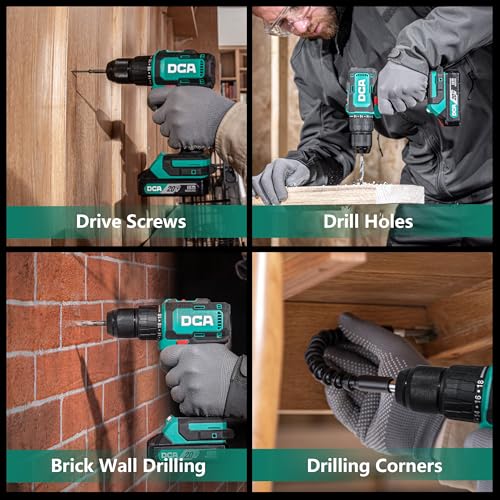
DCA 20V Brushless Hammer Drill - 492 in-lb Torque Impact
- DCA 20V Cordless Hammer Drill Set
- Impact Function – This brushless hammer drill with impact frequency up to 27,000 BPM for heavy-duty drilling in masonry and brick wall surfaces.
- 2-Speed & 18+1+1 Torque Settings – Variable 2-speed adjustment (0-450RPM / 0-1800RPM) and 18+1+1 torque positions provide precision control for drilling, driving, and hammering applications.
- Durable 1/2" All-Metal Keyless Chuck – Strong ratchet metal chuck ensures stability and supports drilling up to 3/4" in wood, 1/2" in steel or brick wall.
- Compact & Ergonomic – This cordless power hammer drill is lightweight design (1.3kg) with rubberized grip and LED work light for comfortable use in tight or dark spaces.
- What‘s You will Get– 20V brushless hammer drill,20V charger, 9*drilling bits, 19*screwdriver bits, 1 *extension bit holder, 1*flexible shaft, 1*onboard bits holder, 1*belt hook, and a heavy-duty bag. Everything you need for home improvement, construction, and repairs.


As an Amazon Associate we earn from qualifying purchases. Product prices and availability are accurate as of the date/time indicated.
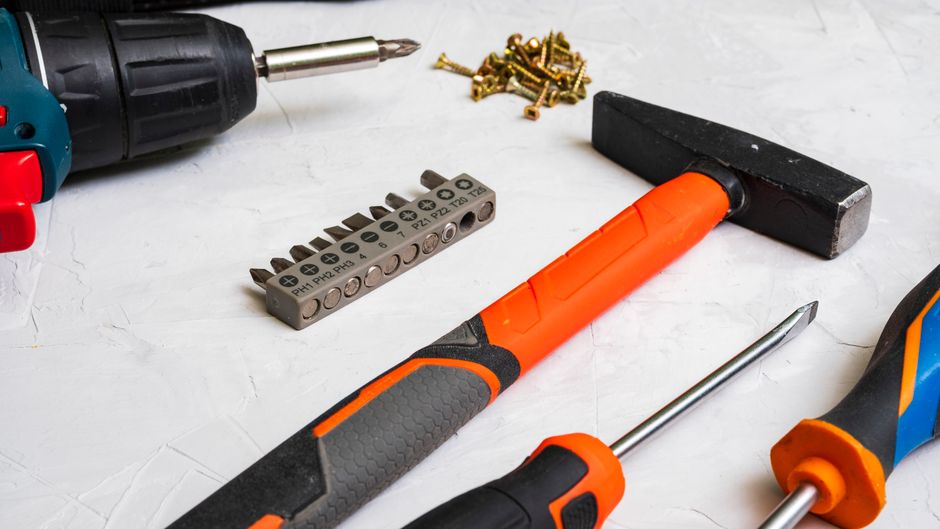
Brick presents unique challenges compared to solid concrete. It contains air pockets and mortar joints that affect drilling. Understanding your brick type helps you select the right technique and avoid costly mistakes.
Key Components of a Hammer Drill
- Motor: Powers both rotation and percussion mechanisms.
- Chuck: Holds drill bits securely in place.
- Percussion mechanism: Delivers rapid impacts to break masonry.
- Handle: Provides grip and control during operation.
- Speed settings: Allow adjustment for different materials.
Key Takeaway: Hammer drills work by combining rotary and percussive action to efficiently penetrate brick and masonry.
How Do You Choose the Right Hammer Drill Bit for Brick?
Selecting the correct bit is critical for successful brick drilling in June 2026. Carbide-tipped masonry bits outperform standard steel bits on brick. These specialized bits feature a hardened carbide tip that resists wear from abrasive brick particles. Bit diameter affects drilling speed and hole quality. Smaller bits (1/4 inch) work for anchors and fasteners. Larger bits (1/2 inch and up) suit mounting brackets and structural applications. Always match bit size to your project needs.
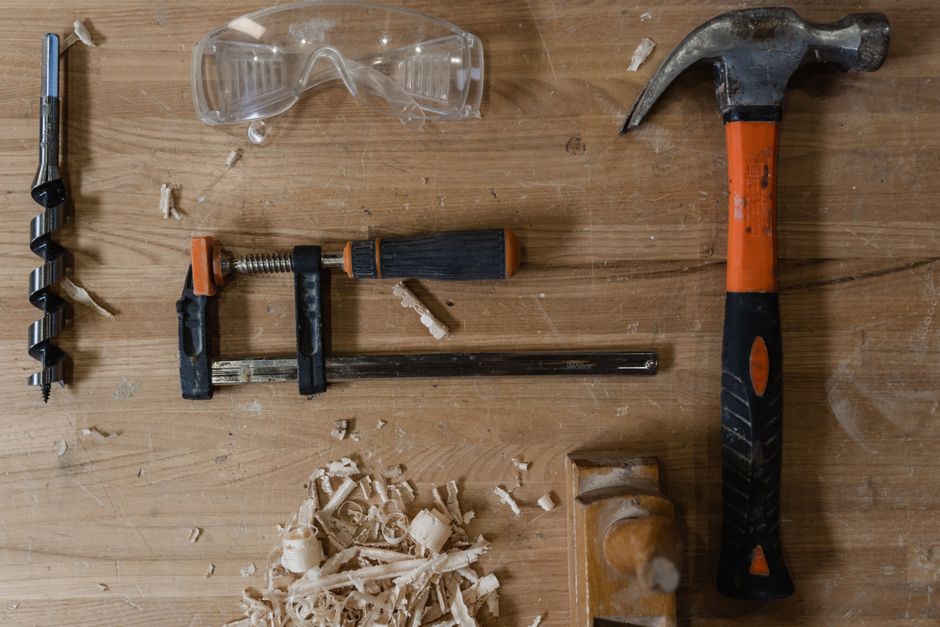
Bit length matters too. Standard length bits work for shallow holes. Extra-long bits reach deeper into walls for plumbing or electrical runs. Check your drill’s maximum depth capacity before purchasing longer bits.
Comparing Bit Types for Brick Work
- Carbide-tipped masonry bits: Best for brick, long-lasting, worth the investment.
- Tungsten carbide bits: Premium option, excellent heat resistance.
- Standard steel bits: Poor performance on brick, dull quickly.
- Spline-drive bits: Provide secure chuck connection, reduce slipping.
Key Takeaway: Always use carbide-tipped masonry bits designed specifically for brick drilling.
What Are the Essential Steps to Drill Into Brick Safely?
Safety comes first when operating a hammer drill on brick. Wear safety glasses to protect against flying debris and dust particles. A dust mask or respirator prevents inhalation of brick dust, which contains silica. Hearing protection is essential due to the loud percussion noise. Wear work gloves to protect your hands from sharp brick edges and rotating bits. Secure your workpiece firmly using clamps or a vise to prevent sudden movement.
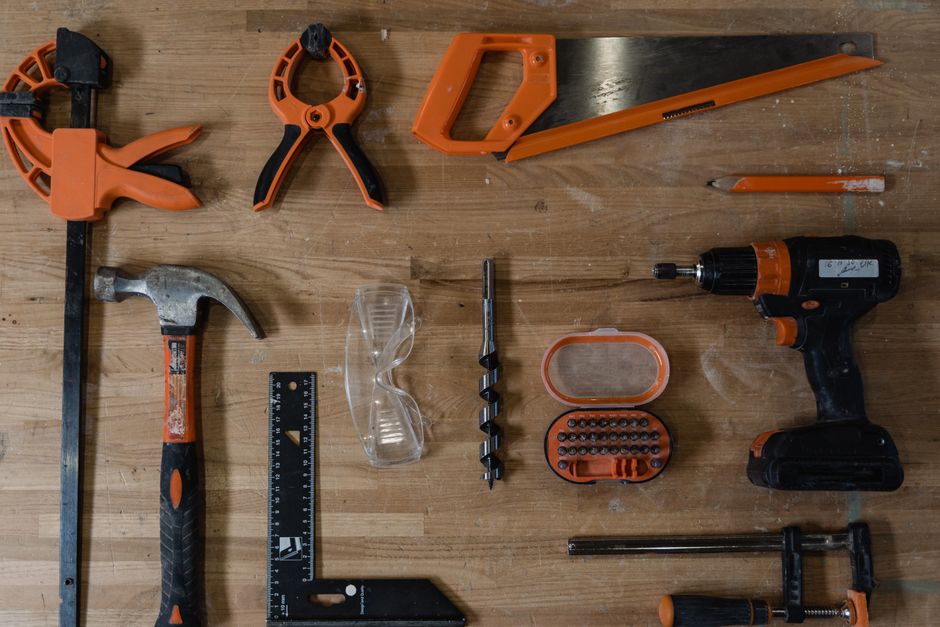
Proper stance and grip reduce fatigue and injury risk. Stand with feet shoulder-width apart for stability. Hold the drill with both hands, keeping your body to the side of the bit. This position protects you if the bit catches and the drill suddenly twists.
Step-by-Step Drilling Process
- Mark your drilling point with a pencil or tape.
- Put on all safety equipment: glasses, mask, gloves, and hearing protection.
- Insert the carbide-tipped bit into the chuck and tighten securely.
- Set the drill to hammer mode and select medium speed.
- Position the bit perpendicular to the brick surface.
- Apply steady, moderate pressure—do not force the drill.
- Maintain consistent pressure until the hole reaches desired depth.
- Remove the bit slowly and allow it to cool.
Key Takeaway: Following safety protocols and proper technique prevents injuries and produces clean, accurate holes.
How Do You Avoid Common Mistakes When Drilling Brick?
Excessive pressure is the most frequent mistake when drilling brick. Forcing the drill causes bit breakage, motor strain, and poor hole quality. Let the tool do the work. Apply gentle, steady pressure and allow the percussion to break the brick. If progress slows, check for dull bits or incorrect speed settings rather than pushing harder. Patience yields better results and extends tool life significantly.
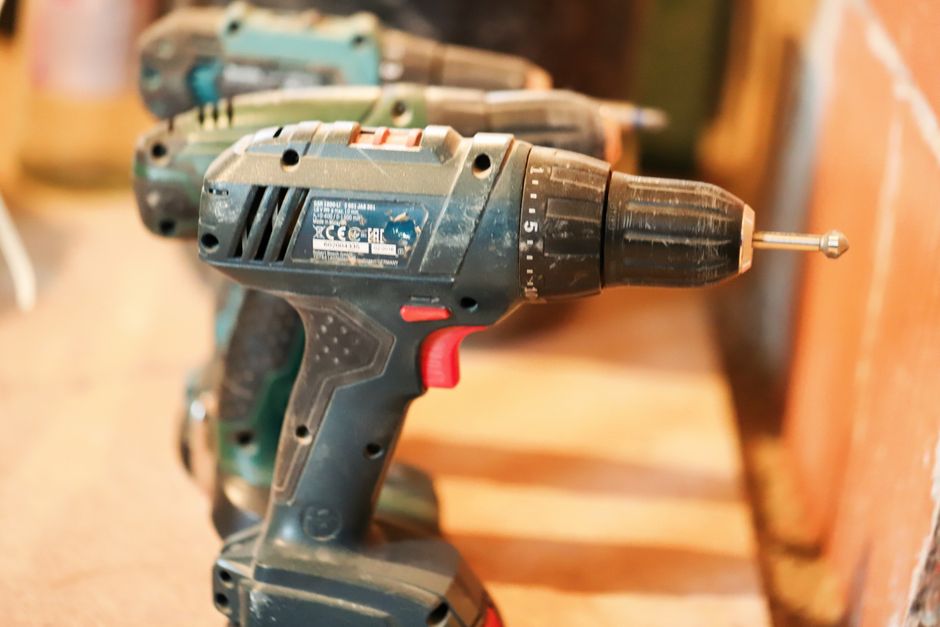
Drilling at incorrect angles creates misaligned holes and increases bit breakage risk. Always position the drill perpendicular to the brick surface. Use a level or angle guide for critical applications. Check your alignment frequently during drilling.
Common Mistakes and Solutions
- Using wrong bit type: Switch to carbide-tipped masonry bits immediately.
- Drilling too fast: Reduce speed settings for better control.
- Skipping safety gear: Always wear full protective equipment.
- Ignoring bit cooling: Allow bits to cool between holes.
- Not securing the workpiece: Use clamps to prevent movement.
- Drilling through mortar: Target brick for cleaner, stronger holes.
Key Takeaway: Avoiding common mistakes saves time, money, and prevents tool damage.
What Drilling Speed and Pressure Settings Work Best for Brick?
Speed settings vary based on brick density and hole size. Most hammer drills offer variable speed control from 0 to 3,000 RPM. For general brick work, start at 50 percent speed (approximately 1,500 RPM). This moderate speed provides good control while maintaining percussion effectiveness. Softer brick may tolerate slightly higher speeds. Dense or reinforced brick requires lower speeds to prevent bit breakage and overheating.
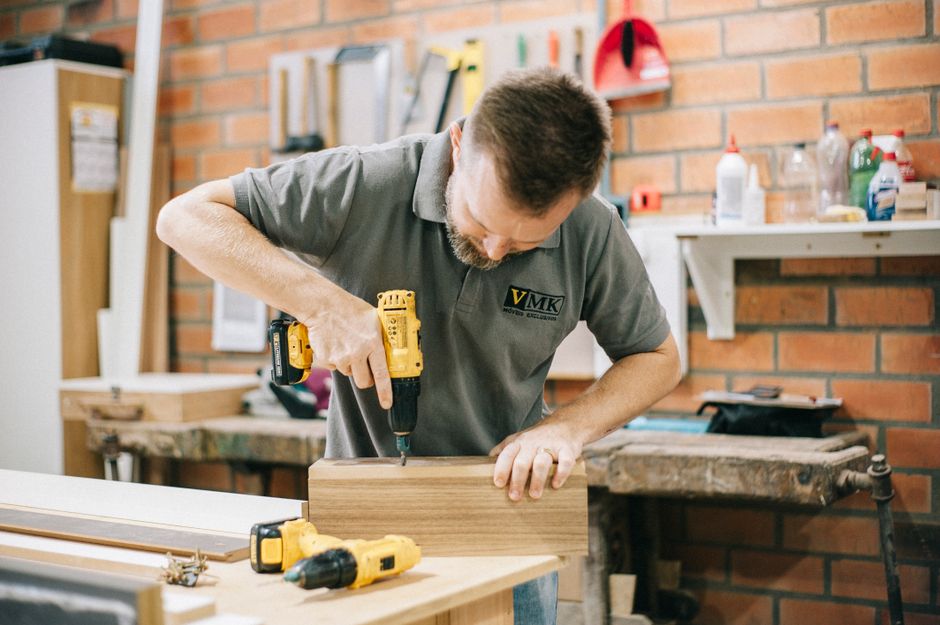
Pressure application requires finesse. Apply just enough force to keep the bit in contact with the brick. The percussion mechanism does the actual material removal. Excessive pressure actually reduces drilling efficiency and damages bits prematurely. Listen to the drill sound—a steady, rhythmic noise indicates proper technique.
Recommended Settings by Application
- Small holes (1/4 inch): Medium speed, light pressure, 30-60 seconds per hole.
- Medium holes (3/8 to 1/2 inch): Medium-low speed, moderate pressure, 1-2 minutes per hole.
- Large holes (5/8 inch and above): Low speed, steady pressure, 2-5 minutes per hole.
- Deep holes: Lower speed throughout, frequent breaks for cooling.
Key Takeaway: Medium speed with light, steady pressure produces the best results on brick.
How Do You Maintain Your Hammer Drill for Longevity?
Regular maintenance extends hammer drill life and ensures reliable performance. Clean the tool after each use, removing brick dust and debris from vents and the chuck. Check the chuck regularly for tightness and replace if damaged. Inspect the power cord for cuts or damage before each use. Store the drill in a dry location away from moisture and extreme temperatures.
Bit maintenance is equally important. Clean bits after use and store them in a protective case. Replace dull or damaged bits immediately—they compromise hole quality and increase strain on the motor. Sharpen carbide tips if your drill supports bit sharpening services.
Maintenance Checklist
- Clean air vents weekly to prevent motor overheating.
- Inspect the power cord monthly for damage.
- Replace worn brushes if the drill loses power.
- Lubricate the chuck according to manufacturer instructions.
- Test the hammer function regularly to ensure proper operation.
Key Takeaway: Consistent maintenance prevents breakdowns and keeps your hammer drill performing optimally.
What Safety Precautions Should You Take When Drilling Brick?
Brick dust contains crystalline silica, a serious respiratory hazard. OSHA regulations require dust control when drilling brick. Use a dust mask rated N95 or higher, or connect the drill to a wet vacuum system. Wet drilling reduces dust significantly. Spray the brick lightly with water before drilling to suppress particles. Never drill brick indoors without proper ventilation and dust control equipment.
Hearing protection is mandatory. Hammer drills produce 90-100 decibels of noise, risking permanent hearing damage. Wear earplugs or earmuffs rated for at least 20 decibels of noise reduction. Eye protection shields against flying debris and dust. Use safety glasses with side shields for maximum coverage.
Complete Safety Equipment List
- Safety glasses with side shields: Protects eyes from debris.
- Dust mask or respirator: Prevents silica inhalation.
- Hearing protection (earplugs or muffs): Reduces noise exposure.
- Work gloves: Protects hands from sharp brick edges.
- Steel-toed boots: Protects feet if the drill or brick falls.
- Long sleeves: Prevents abrasions from brick and dust.
Key Takeaway: Comprehensive safety equipment protects your health when drilling brick.
How Do You Handle Special Brick Drilling Situations?
Drilling through mortar joints requires different technique than drilling brick. Mortar is softer and crumbles easily. Use lower speed and lighter pressure when encountering mortar. The bit may slip or grab unexpectedly. Keep both hands on the drill and maintain firm control. If possible, target the brick itself rather than mortar joints for stronger, cleaner holes that better support fasteners.
Reinforced brick or brick with embedded metal presents challenges. These materials can cause sudden binding or bit breakage. Reduce speed significantly and be prepared for the drill to twist suddenly. If binding occurs, release the trigger immediately and remove the bit. Never force a stuck bit—you risk serious wrist or hand injury.
Special Situations and Solutions
- Painted brick: Use a carbide bit to penetrate paint without damage.
- Very old brick: Proceed slowly; old brick is often fragile.
- Hollow brick: Use shorter bits to avoid breaking through the back.
- Brick with embedded pipes: Use a stud finder or pipe detector first.
Key Takeaway: Adapting your technique to special situations prevents damage and injury.
What Tools and Accessories Enhance Hammer Drill Performance on Brick?
Several accessories improve drilling accuracy and efficiency. A drill guide attachment ensures perfectly perpendicular holes. These guides attach to the drill and slide along the brick surface. Depth stops prevent over-drilling by limiting how far the bit penetrates. They’re essential for consistent hole depth across multiple fasteners. A wet vacuum attachment captures dust at the source, improving visibility and air quality.
Bit extensions reach deeper into walls for plumbing or electrical work. Carbide bit sets provide various sizes for different applications. A hammer drill stand holds the tool steady for precision work, particularly useful for vertical drilling. These accessories increase versatility and project quality.
Recommended Accessories
- Drill guide: Ensures perpendicular holes for professional results.
- Depth stop: Controls hole depth accurately.
- Dust collection system: Reduces airborne silica particles.
- Bit extension set: Enables drilling at greater depths.
- Carbide bit assortment: Covers various hole size requirements.
Key Takeaway: Quality accessories significantly improve drilling accuracy and efficiency.
How Does Hammer Drilling on Brick Compare to Other Masonry Materials?
Brick drilling differs from concrete and stone work. Brick is less dense than concrete but harder than mortar. Drilling speed should be moderate—faster than concrete but slower than wood. Concrete drilling typically requires lower speeds to prevent bit overheating. Stone varies widely; granite requires extremely low speeds while limestone drills more easily. Understanding these differences helps you adjust technique for different materials.
If you’re working with concrete instead of brick, our guide on how to drill into concrete without a hammer drill provides alternative techniques. For other power tool applications, explore our guide on how to use an oscillating tool for grout removal, which addresses related masonry work.
Material Comparison Chart
- Brick: Medium density, moderate speed, carbide bits essential.
- Concrete: Higher density, lower speed, requires cooling breaks.
- Stone: Highly variable, lowest speeds for granite, medium for limestone.
- Mortar: Lowest density, lightest pressure, risk of crumbling.
Key Takeaway: Adjust speed and pressure based on material hardness and density.
What Is the Best Approach to Drilling Multiple Holes in Brick?
Batch drilling multiple holes requires planning and organization. Mark all drilling points before starting. Use a chalk line or tape to ensure alignment across multiple holes. This prevents misaligned fasteners and improves project appearance. Organize your sequence logically—top to bottom or left to right—to maintain focus and consistency.
Allow adequate cooling time between holes. Carbide bits generate significant heat during drilling. After every 3-4 holes, pause for 10-15 minutes to let bits cool. This prevents bit dulling and maintains drilling speed. Keep water nearby for wet drilling, which cools bits continuously and reduces dust.
Batch Drilling Best Practices
- Mark all points with chalk or pencil before drilling begins.
- Use a level or string line for alignment verification.
- Drill in a logical sequence to maintain consistency.
- Allow 10-15 minute cooling breaks every 3-4 holes.
- Use wet drilling to cool bits and suppress dust simultaneously.
- Check alignment periodically during the drilling process.
Key Takeaway: Organized planning and cooling breaks ensure consistent, high-quality results when drilling multiple holes.
How Can You Troubleshoot Common Hammer Drill Problems on Brick?
If your hammer drill stops making progress, the bit is likely dull. Replace it immediately—dull bits waste time and strain the motor. If the drill suddenly binds or twists, release the trigger and stop. Check for embedded metal or reinforcement. Never force a stuck bit; you risk serious injury. If the percussion stops working, the mechanism may need servicing. Contact the manufacturer or a repair professional.
Poor hole quality suggests incorrect speed or pressure. Reduce speed if holes are rough or uneven. Lower pressure if the bit is skipping. If dust clouds are excessive, improve ventilation or switch to wet drilling. These simple adjustments resolve most common issues quickly.
Troubleshooting Guide
- Slow progress: Replace dull bit with a new carbide-tipped bit.
- Bit binding: Stop immediately, check for embedded metal.
- Rough holes: Reduce speed and maintain consistent pressure.
- Excessive dust: Use wet drilling or connect a dust collection system.
- Lost percussion: Consult manufacturer or professional repair service.
Key Takeaway: Quick troubleshooting resolves most hammer drill problems before they become serious.
Should You Rent or Buy a Hammer Drill for Brick Work?
The decision depends on project scope and frequency. For occasional home repairs, renting is economical. Tool rental shops charge $15-30 per day for quality hammer drills. Buying makes sense if you drill brick regularly or plan multiple projects. Entry-level hammer drills cost $80-150, while professional-grade models run $300-600. Calculate your break-even point: if you’ll rent more than 5-10 times annually, buying is worthwhile.
Buying offers advantages beyond cost. You control maintenance and always have the tool available. Rental equipment may have hidden wear or damage. For serious DIY enthusiasts or contractors, ownership provides reliability and convenience. Consider storage space and your commitment to masonry work before deciding.
Key Takeaway: Rent for occasional use; buy if you drill brick regularly or have multiple planned projects.
What Should You Know About Hammer Drill Power Sources in 2026?
Corded hammer drills remain the most powerful option in 2026, delivering consistent performance without battery concerns. They’re ideal for extended drilling sessions and heavy-duty work. Cordless models have improved significantly, with modern batteries providing adequate power for most brick drilling applications. Cordless drills offer convenience and portability but require charged batteries and may lose power during demanding tasks.
Battery technology in 2026 includes faster charging and longer runtime. Lithium-ion batteries dominate the market, offering reliability and durability. Consider your project duration when choosing between corded and cordless. For all-day drilling, corded provides peace of mind. For small projects or occasional use, cordless is convenient.
Power Source Comparison
- Corded: Unlimited power, consistent performance, requires outlet access.
- Cordless lithium-ion: Convenient, portable, limited runtime per charge.
- Cordless NiCd: Older technology, heavier, less common in 2026.
Key Takeaway: Choose corded for extended work; choose cordless for convenience and portability.
How Can You Achieve Professional Results When Drilling Brick?
Professional results require attention to detail and practice. Start with quality equipment—a reliable hammer drill and carbide-tipped bits make a significant difference. Invest in proper safety gear and dust control. Mark points precisely using a pencil and level. Take time to ensure perpendicular alignment before drilling. Work methodically without rushing. Allow adequate cooling between holes. These practices separate amateur results from professional quality.
Experience matters too. Your first brick drilling project may produce imperfect holes. As you practice, you’ll develop feel for proper pressure and speed. Watch the dust pattern and listen to the drill sound—these indicators tell you when technique is correct. Record successful settings for future reference. Building a reference guide helps you replicate professional results consistently.
Professional Drilling Tips
- Use a carbide bit set matched to your hammer drill model.
- Mark all points with precision using a level and pencil.
- Verify alignment before drilling every hole.
- Maintain consistent speed and pressure throughout each hole.
- Document successful techniques and settings for future projects.
- Invest in quality accessories like depth stops and drill guides.
Key Takeaway: Professional results come from quality equipment, proper technique, and consistent practice.
Can You Drill Brick Without a Hammer Drill?
Standard rotary drills can drill brick, but progress is slow and frustrating. Without percussion, the drill must force its way through the material, risking bit breakage and motor strain. Specialized masonry bits help, but results are inferior to hammer drill performance. For a single hole or emergency repair, a standard drill works. For any regular brick work, a hammer drill is essential.
If you don’t own a hammer drill, renting is affordable and practical. Most projects benefit from the speed and efficiency hammer drills provide. Attempting brick work with inadequate tools wastes time and increases frustration. Invest in the right tool for the job.
Key Takeaway: While possible, standard drills are impractical for brick; hammer drills are the proper tool choice.
What Is the Ideal Conclusion About Using Hammer Drills on Brick?
Mastering hammer drill technique on brick opens possibilities for home improvement, construction, and maintenance projects. Start with quality equipment, prioritize safety, and practice proper technique. Understanding your tool’s capabilities and limitations prevents damage and injury. Invest in carbide-tipped bits, proper safety gear, and helpful accessories. Follow the step-by-step process outlined in this guide. Take time to learn from each project and refine your approach.
Brick drilling skills serve you well across countless applications. Whether installing shelves, mounting brackets, or running electrical conduits, proper hammer drill technique ensures professional results. The investment in learning pays dividends through successful projects and increased confidence. Start with small projects to build experience, then tackle larger applications. Your hammer drill becomes an indispensable tool in your workshop arsenal.
Key Takeaway: Proper hammer drill technique on brick requires quality equipment, safety awareness, and consistent practice for professional results.
Recommended Products

Dewalt DCD798B 20V MAX Brushless 1/2 in. Cordless Hammer Drill Driver (Tool Only)
- Dewalt DCD798B 20V MAX Brushless 1/2 in. Cordless Hammer Drill Driver (Tool Only)


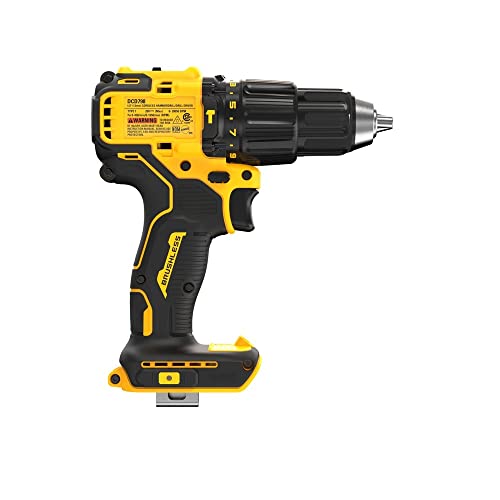
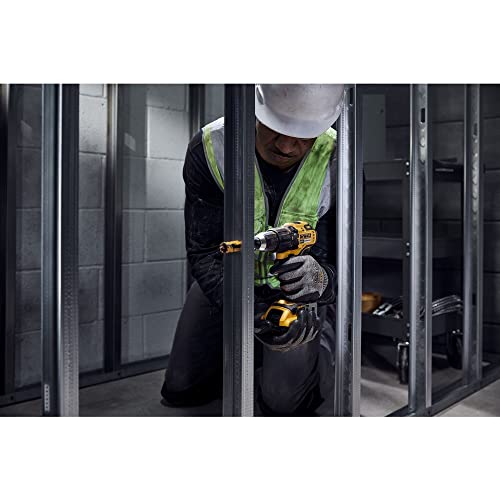

As an Amazon Associate we earn from qualifying purchases. Product prices and availability are accurate as of the date/time indicated.
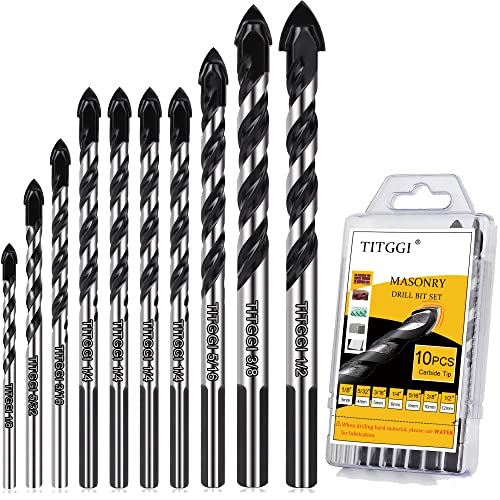
10-Piece Carbide Masonry Drill Bit Set for Concrete & Tile
- FOR HARD SURFACES: Wear-resistant tungsten carbide tip drills into brick, concrete, tile, glass, ceramic, travertine and hard plastic without slipping. Reinforced tip keeps its edge to deliver clean, steady holes for wall anchors, grab bars and shelves
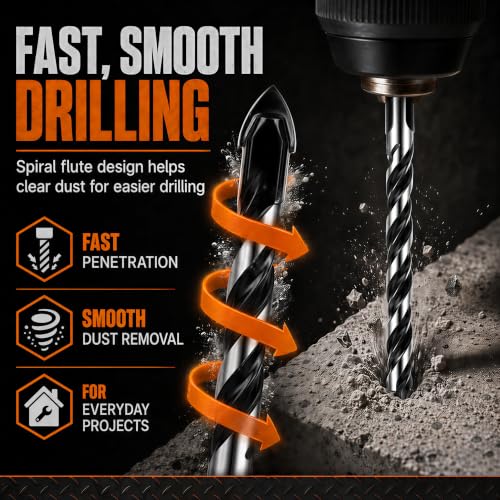
- FAST DUST REMOVAL: Dual U-groove flutes clear debris quickly, reducing clogging for smoother drilling. The masonry drill bit set is ideal for DIY and home repair. Start at low speed with light pressure and let the bit cool between holes to extend its life
- 10 BITS IN 7 SIZES: This concrete drill bit set includes 1/8", 5/32", 3/16", 1/4" (4 pcs), 5/16", 3/8" and 1/2" bits, Extra 1/4" bits provide handy spares for common drilling tasks. Comes with a storage case to keep all bits organized and easy to find
- FOR BATH, KITCHEN & CRAFTS: Ideal for drilling bathroom tile, mounting mirrors, cabinets and grab bars, or making drainage holes in ceramic pots. For tile and glass, use painter's tape to stop slipping, drill slowly & use water cooling to reduce chipping
- 3-FLAT SHANK FOR STANDARD DRILLS: Anti-slip shank fits standard keyed or keyless 3-jaw chucks on corded, cordless and hand drills, plus drill presses for a wobble-free hold. Use rotary mode only, Not for hammer drills, impact drivers or SDS rotary hammers



As an Amazon Associate we earn from qualifying purchases. Product prices and availability are accurate as of the date/time indicated.
Frequently Asked Questions
Can you use a hammer drill on brick walls indoors?
Yes, but dust control is essential. Brick dust contains silica, a respiratory hazard. Use a wet vacuum system or dust mask rated N95 or higher. Wet drilling suppresses dust effectively. Ensure adequate ventilation and allow dust to settle before occupying the space. Professional contractors often use containment barriers when drilling indoors.
How deep can you safely drill into brick?
Most hammer drills safely drill 6-12 inches into brick depending on bit length and motor power. Check your drill’s specifications for maximum drilling depth. For deeper holes, use extended bits or drill multiple holes and connect them. Deeper drilling generates more heat, requiring longer cooling breaks between holes.
What is the best speed setting for drilling into brick?
Medium speed (around 1,500 RPM or 50 percent) works best for most brick applications. Adjust based on brick density and hole size. Softer brick tolerates slightly higher speeds. Denser brick requires lower speeds. Listen to the drill and observe dust patterns to confirm you’re using correct speed.
How often should you replace hammer drill bits?
Replace bits when they stop making progress or produce rough holes. High-quality carbide bits last 50-100 holes depending on brick density and technique. Dull bits waste time and strain the motor. Keep spare bits on hand. Sharp bits are worth the investment in time and money.
Is it better to drill into brick or mortar?
Always drill into brick when possible. Brick is harder and provides better fastener support. Mortar is soft and crumbles easily, offering poor anchoring. If you must drill mortar, use very low speed and light pressure. Expect weaker hold and potential crumbling around fasteners.
What causes a hammer drill bit to break when drilling brick?
Excessive pressure is the primary cause of bit breakage. Forcing the drill damages carbide tips and snaps bits. Incorrect speed, hitting embedded metal, and binding also break bits. Use light, steady pressure and let the percussion do the work. Replace dull bits immediately to prevent sudden failure.

Write Your Review
No reviews yet. Be the first to share your experience!