

How to Loosen a Rusted Bolt with a Wrench: Quick Answer
Rusted bolts require patience and the right approach. Apply a penetrating oil like WD-40 or PB Blaster, wait 15-30 minutes, then apply heat with a heat gun or torch. Tap the bolt gently with a hammer to break corrosion, then use steady pressure with your wrench—never jerk or force it. For stubborn bolts, repeat the oil-and-heat cycle multiple times over several hours or days. The key is allowing chemical penetration and thermal expansion to work together, reducing the risk of stripping or breaking the bolt. Always wear safety glasses and work gloves throughout the process.

CRC Knock'er Loose Penetrating Solvent - Rusted Bolt Remover - 13 oz
- FAST-ACTING RUST PENETRATION: Industrial-strength solvent rapidly penetrates rust, scale, and corrosion to help loosen stubborn seized nuts, bolts, hinges, and threaded components.
- PENETRATING SOLVENT: Best for freezing rusted, seized, or corroed fasteners.
- DISTINCTIVE REDDISH FORMULA: The visible red color makes it easy to see where you've applied the product, helping ensure thorough coverage on rusted parts.
- VERSATILE INDUSTRIAL USE: Suitable for automotive, marine, agricultural, manufacturing, and home workshop applications — works on nuts, bolts, chains, hinges, and linkages.
- PRODUCT SPECIFICATIONS: This product is available in an 11 wt oz aerosol can.


As an Amazon Associate we earn from qualifying purchases. Product prices and availability are accurate as of the date/time indicated.
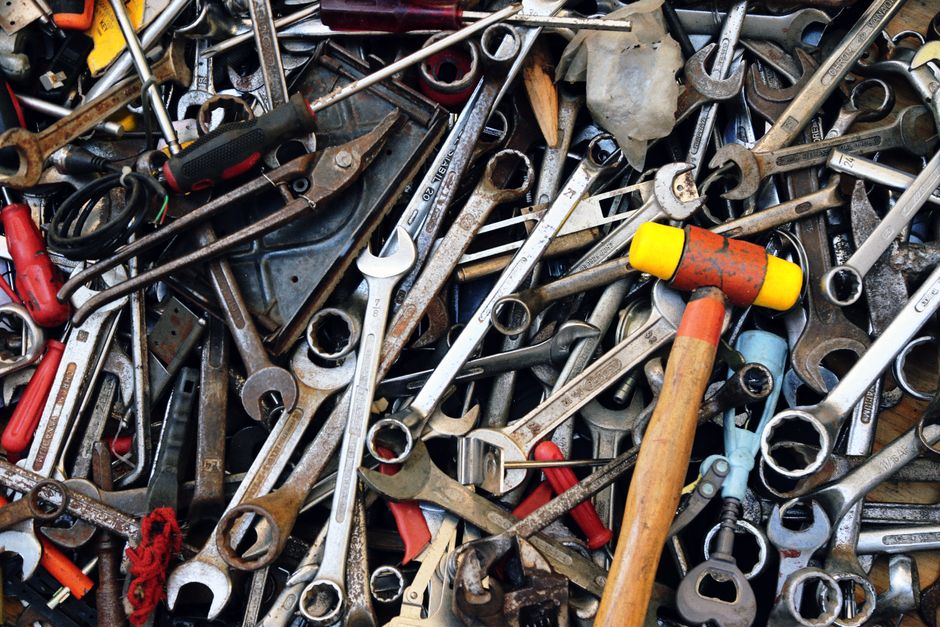
Rusted bolts plague homeowners, mechanics, and DIY enthusiasts every year. Rust forms when moisture and oxygen react with metal, creating a bond that locks bolts in place. In June 2026, understanding modern penetrating oils and heat application methods can save hours of frustration. This guide covers proven techniques used by professional mechanics and experienced craftspeople. Whether you’re working on an old car, outdoor equipment, or home repairs, these methods work reliably.
Key Takeaway: Penetrating oil plus heat plus patience equals success with rusted bolts.
What Causes Bolts to Rust and Seize?
Rust forms through an electrochemical reaction between iron, oxygen, and moisture. When water penetrates the bolt-to-metal joint, it triggers oxidation. This creates iron oxide, a flaky compound that expands and locks the bolt tight. Bolts exposed to rain, salt spray, or high humidity rust faster. Temperature cycles also accelerate rust by expanding and contracting the bolt repeatedly.
Seized bolts occur when rust buildup becomes so thick that the wrench cannot turn it. The corrosion creates a mechanical lock stronger than the bolt’s original tightness. Outdoor equipment, marine hardware, and old machinery are most vulnerable. Indoor bolts rarely seize unless exposed to moisture for extended periods.
- Water and oxygen combine to create iron oxide (rust).
- Rust expands inside the bolt-to-metal joint, locking it tight.
- Salt spray accelerates rust formation by 5-10 times.
- Temperature cycling weakens corrosion bonds but also spreads rust deeper.
- Bolts in damp environments seize faster than those in dry conditions.
Key Takeaway: Understanding rust chemistry helps you choose the right removal strategy.
How Should You Prepare Before Loosening a Rusted Bolt?
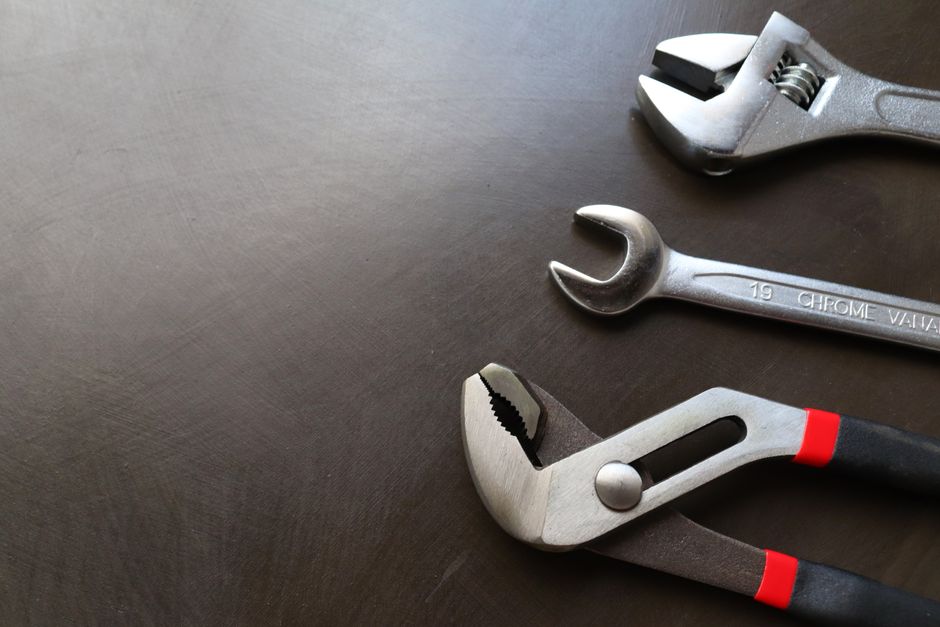
Preparation is critical for safe, effective bolt removal. First, gather your tools: a wrench that fits the bolt head snugly, penetrating oil, a wire brush, safety glasses, and work gloves. Check that your wrench matches the bolt size—using the wrong size strips the bolt head and makes removal impossible. Inspect the bolt for visible cracks or damage that might break during removal.
Safety comes first. Wear impact-resistant safety glasses to protect against flying rust particles. Work gloves prevent oil transfer to your hands and provide grip. Ensure adequate ventilation if using heat sources like torches or heat guns. Clear the work area of flammable materials before applying heat.
Essential Tools and Materials for Rusted Bolt Removal
- Properly-sized wrench (box-end or combination wrench preferred).
- Penetrating oil (WD-40, PB Blaster, or equivalent).
- Wire brush for removing loose rust.
- Heat source (heat gun, torch, or hot water).
- Hammer or rubber mallet for gentle tapping.
- Safety glasses and heavy-duty work gloves.
- Socket wrench set for additional leverage (see our guide on how to use a socket wrench set).
Inspect the bolt head carefully before applying any tools. If it’s already rounded or damaged, a wrench will slip and worsen the problem. In these cases, consider drilling out the bolt instead. Test your wrench fit on an unstuck bolt first to ensure you have the right size.
Key Takeaway: Proper preparation and the right tools prevent damage and injury.
What Are the Best Penetrating Oils for Rusted Bolts?
Penetrating oils are the first line of defense against rust. These thin liquids seep into microscopic gaps between the bolt and surrounding metal. They displace water, reduce friction, and chemically interact with rust deposits. Modern penetrating oils are far more effective than old-fashioned methods like kerosene or light machine oil.
WD-40 is the most widely available option and works well for light to moderate rust. PB Blaster penetrates deeper and works faster on heavy rust. Kroil and Liquid Wrench are professional-grade alternatives used in machine shops. For severe corrosion, some mechanics apply oil, wait overnight, then apply again before attempting removal.
Top Penetrating Oils and Their Effectiveness
- WD-40: Budget-friendly, good for light rust, dries quickly.
- PB Blaster: Faster penetration, better for heavy rust, stronger smell.
- Kroil: Professional-grade, deepest penetration, highest cost.
- Liquid Wrench: Fast-acting, good odor control, mid-range price.
- ATF/Acetone Mix: DIY option, effective but requires careful mixing (1:1 ratio).
Apply penetrating oil generously around the bolt head and along the bolt shaft. Let it soak for at least 15-30 minutes for light rust, or several hours for heavy corrosion. Reapply every 30 minutes if the bolt remains stuck. Some mechanics apply oil the night before for maximum penetration.
Key Takeaway: Choose a penetrating oil matched to your rust severity and allow adequate soak time.
How Does Heat Help Loosen Rusted Bolts?
Heat is your second weapon against rust. When you warm a bolt, it expands slightly. This expansion breaks the rust’s grip and helps penetrating oil reach deeper corrosion. Heat also reduces oil viscosity, allowing it to flow into tighter spaces. The thermal stress can crack rust bonds that mechanical force alone cannot break.
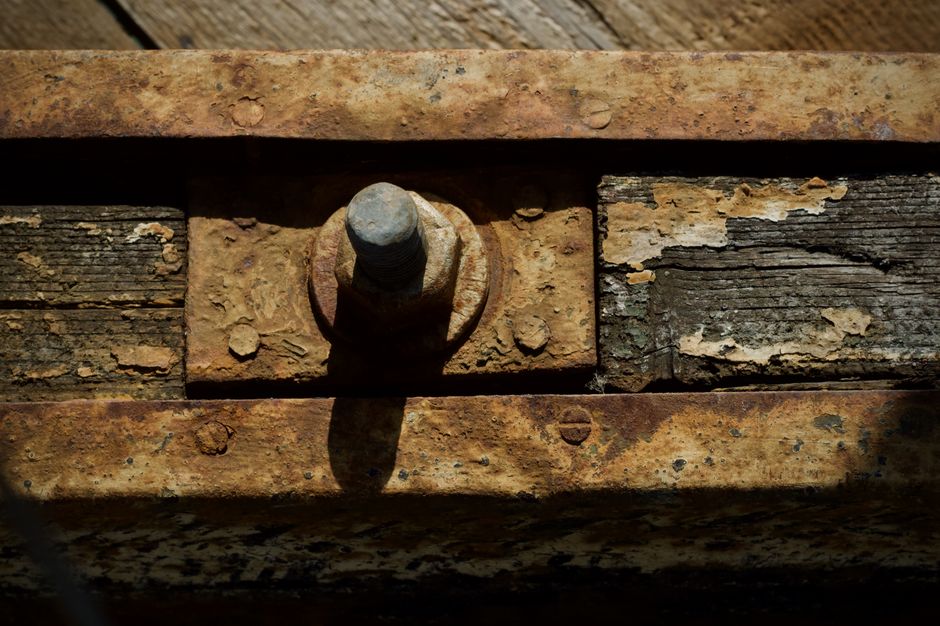
Never use extreme heat on bolts holding important assemblies, as it can damage nearby components or weaken metal. For delicate work, use a heat gun instead of an open flame. A heat gun provides controlled, steady warmth without fire risk. For automotive or industrial bolts, a propane torch works faster but requires caution.
Heat Application Methods for Different Scenarios
- Heat Gun (Safest): Gradual warming, suitable for electronics and painted surfaces.
- Propane Torch (Fastest): Rapid heating, best for heavy industrial bolts, requires fire safety precautions.
- Hot Water (Gentlest): Pour boiling water on the bolt for light rust, safe indoors.
- Hair Dryer (Minimal): Weak heat, useful only for very light surface rust.
Apply heat for 2-5 minutes until the bolt is noticeably warm (not scalding). Alternate between heat and penetrating oil application for maximum effect. Allow the bolt to cool slightly, then attempt removal. If it doesn’t budge, repeat the cycle.
Key Takeaway: Heat expands bolts and helps oils penetrate deeper into rust deposits.
What Is the Step-by-Step Process for Removing a Rusted Bolt?
Follow this proven sequence to maximize your chances of success. Start by wire-brushing away loose rust and debris. Apply penetrating oil and wait 15-30 minutes. Apply heat for 2-5 minutes. Tap the bolt gently with a hammer to shock the corrosion. Attempt removal with steady, controlled wrench pressure—never jerk or apply sudden force.
Detailed Removal Steps
- Clean the bolt head: Use a wire brush to remove loose rust, paint, and debris. This ensures your wrench seats properly.
- Apply penetrating oil: Spray or pour oil around the bolt head and shaft. Saturate the joint thoroughly.
- Wait 15-30 minutes: Allow oil to seep into rust deposits. For heavy rust, wait several hours or overnight.
- Apply heat: Use a heat gun or torch to warm the bolt for 2-5 minutes. Heat expands the bolt and helps oil penetrate.
- Tap gently: Strike the bolt head lightly with a hammer. This breaks corrosion bonds without damaging the bolt.
- Apply wrench pressure: Fit your wrench snugly and apply steady, controlled pressure. Turn counterclockwise slowly and deliberately.
- Stop if stuck: If the bolt doesn’t move after 10-15 seconds of steady pressure, stop and repeat steps 2-5.
- Remove completely: Once the bolt begins turning, continue with steady pressure until fully removed.
Never force a stuck bolt. Applying sudden, jerky pressure strips the bolt head or breaks the bolt shaft, creating a much worse problem. Patience and repetition work better than raw force. Professional mechanics often repeat the oil-and-heat cycle 3-5 times before attempting removal on severely corroded bolts.
Key Takeaway: Follow the sequence methodically: clean, oil, wait, heat, tap, turn—repeating as needed.
How Can You Avoid Stripping the Bolt Head?
Stripping occurs when your wrench slips and damages the bolt head’s edges. This makes future removal nearly impossible. Prevention starts with using the correct wrench size. A loose-fitting wrench will slip under pressure. Box-end wrenches grip better than open-end wrenches for stuck bolts.
Apply wrench pressure slowly and steadily. Avoid sudden jerks or impacts. If the wrench slips, stop immediately and reassess. You may need a larger wrench, a socket wrench for more leverage, or additional penetrating oil and heat. For more guidance on wrench technique, see our article on how to use an adjustable wrench without rounding bolts.
- Use a box-end wrench instead of an open-end wrench for better grip.
- Ensure the wrench fits snugly with no gap between wrench and bolt head.
- Apply pressure slowly and steadily, never with sudden jerks.
- If the wrench slips, stop and apply more oil and heat before retrying.
- Consider using a socket wrench for additional leverage on stubborn bolts.
- For severely rounded bolt heads, drill out the bolt instead of forcing removal.
Key Takeaway: Proper wrench fit and steady pressure prevent stripping the bolt head.
What Should You Do If the Bolt Still Won’t Budge?
Some bolts resist all standard methods. For these stubborn cases, escalate your approach gradually. First, try the oil-and-heat cycle every few hours over a full day. The extended soak often works where single attempts fail. Second, apply more aggressive heat using a propane torch instead of a heat gun. Third, consider using a breaker bar—a longer wrench that provides more leverage without requiring more force.
If the bolt remains stuck after these attempts, drilling it out becomes necessary. Use a drill bit slightly smaller than the bolt shaft and carefully drill through the center. This breaks the bolt into pieces you can remove with pliers. This method works but damages the bolt, so use it only when other options fail.
- Repeat the oil-and-heat cycle every 2-3 hours over an entire day.
- Use a propane torch for more intense heat on industrial bolts.
- Apply a breaker bar for increased leverage without additional force.
- Tap the bolt head with a hammer between oil applications to shock corrosion.
- Try turning the bolt clockwise first (“tightening”) to break corrosion, then counterclockwise.
- As a last resort, drill out the bolt using a drill bit slightly smaller than the shaft.
The “righty-tighty, lefty-loosey” reversal technique sometimes works on severely stuck bolts. Tighten the bolt slightly first, which can crack corrosion bonds. Then loosen it normally. This approach requires careful control to avoid snapping the bolt.
Key Takeaway: Escalate your approach gradually: more oil, more heat, more leverage, then drilling if necessary.
How Can You Prevent Bolts from Rusting in the Future?
Prevention is far easier than removal. Apply a thin coat of oil or grease to bolts that will be exposed to moisture. Stainless steel bolts resist rust better than regular steel, though they cost more. For outdoor equipment, apply a rust preventative spray after installation. Ensure bolts stay dry by using appropriate sealants around joints.
Store tools and equipment in dry conditions whenever possible. Cover outdoor items with tarps or store them indoors during off-season. For marine applications, use marine-grade fasteners designed for salt water. Regular maintenance checks catch early rust before it becomes a problem.
- Use stainless steel bolts for outdoor or marine applications.
- Apply a thin oil coat to bolts exposed to moisture.
- Cover outdoor equipment with tarps or store indoors.
- Use sealants around bolt joints to prevent water entry.
- Inspect bolts regularly and address surface rust immediately.
- Store fasteners in dry conditions with desiccant packets.
Key Takeaway: Prevention through material selection and protective coatings saves time and frustration later.
Recommended Products

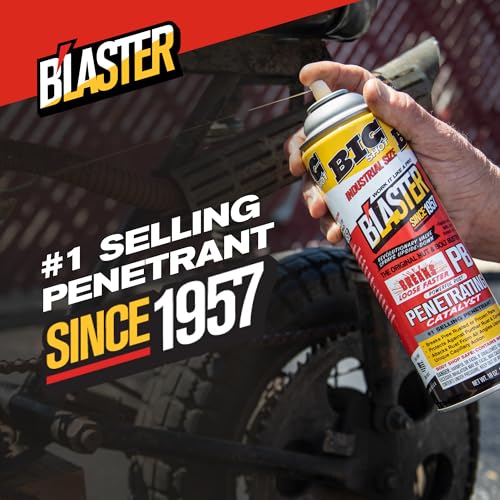
PB Blaster Penetrating Oil Spray, Big Shot 18 oz Aerosol Cans (1-Pack) – Rust Remover & Bolt Loosener for Stuck Nuts, Bolts & Rusted Parts – Penetrating Catalyst for Automotive & Mechanical Use
- BREAKS FREE RUSTED & FROZEN PARTS – PB Blaster Penetrating Oil uses a powerful penetrating catalyst to quickly break through rust and corrosion, loosening stuck nuts, bolts, and mechanical parts.
- DEEP PENETRATING ACTION – Low surface tension penetrating oil spray creeps deep into threads and tight spaces, acting as a penetrating catalyst to help loosen rusted bolts and seized hardware.
- HELPS PREVENT FUTURE CORROSION – This rust prevention spray acts as a penetrant, leaving a protective film that helps block moisture and support rust prevention on metal parts, before a spray lubricant is applied.
- EASY SPRAY – Designed for ultimate convenience, the easy-press actuator and specialized 360-degree valve allow you to spray from any angle—even upside down—to easily reach awkward or tight spaces.
- WORK IT LIKE A PRO – Built for heavy-duty, dependable performance, this "Big Shot" can provides maximum capacity for extensive projects and frequent shop use. 50-state VOC compliant and trusted by professionals and DIYers alike to handle real-world jobs with confidence.



As an Amazon Associate we earn from qualifying purchases. Product prices and availability are accurate as of the date/time indicated.

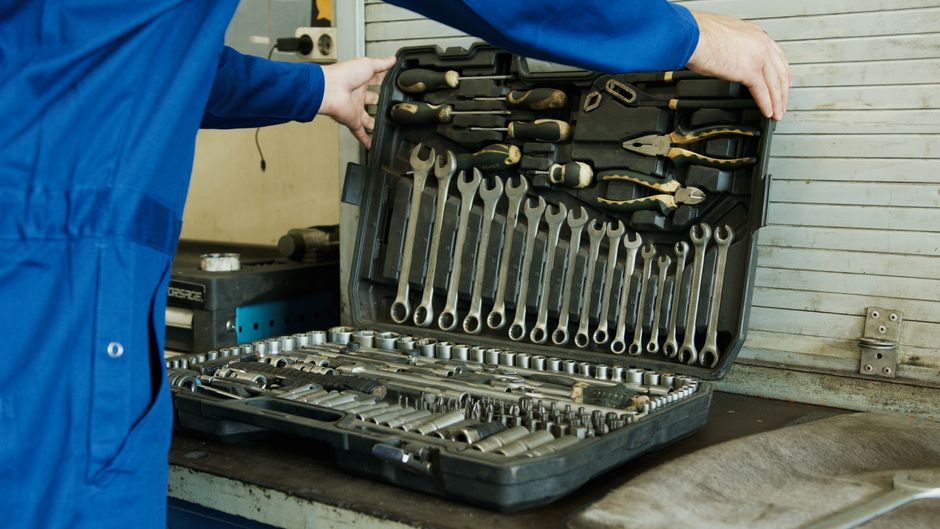
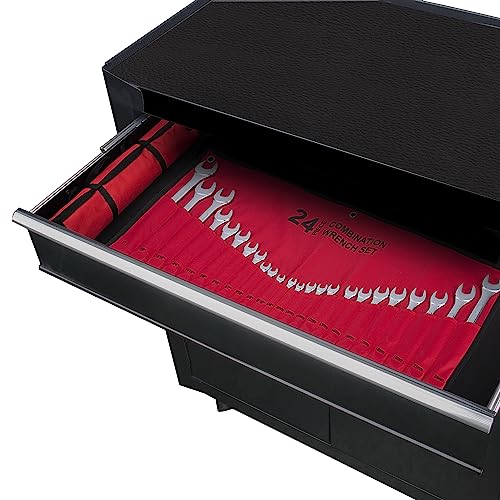
24-Piece SAE & Metric Wrench Set with Roll-Up Pouch
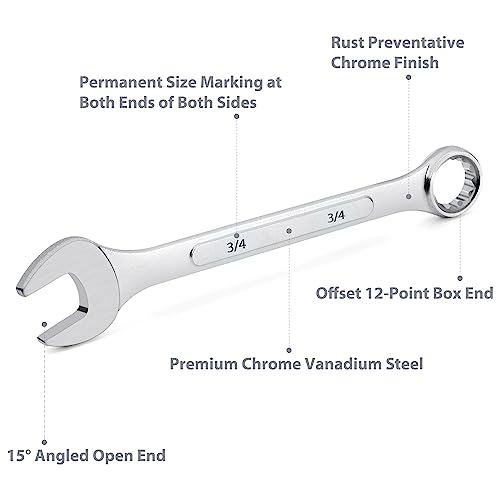
- ▲ PREMIUM QUALITY: Constructed from drop forged chrome vanadium steel with rust preventative chrome finish to provide superior strength, ensure durability and exceed ANSI B107.6 quality standards
- ▲ BOTH METRIC AND SAE SIZES: Set includes a full range of most commonly used metric and standard inch wrench sizes from small to large. Metric: 8, 10, 11, 12, 13, 14, 15, 17, 18, 19, 21, 24 mm; SAE: 1/4, 5/16, 3/8, 7/16, 1/2, 9/16, 5/8, 11/16, 3/4, 13/16, 7/8, 1 in.
- ▲ MORE TORQUE: Raised panel wrench body design provides more leverage and gripping power than regular wrenches, and offers additional strength to withstand high torque applications
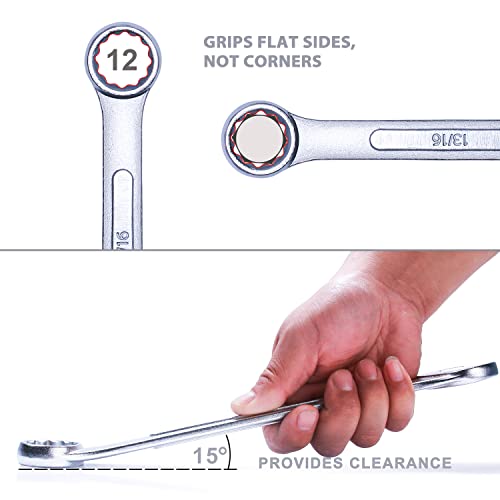
- ▲ ANGLED OPEN END: Classic 15-degree angled open end effectively reduces the working swing arc in tight areas, so the wrench can be flipped over with each rotation to engage the fastener twice as often
- ▲ OFFSET BOX END: 12-Point box end doubles the access angle than 6-point, and 15° offset design creates enough clearance for hand or obstructions in restricted work spaces
- ▲ COMPLETE WITH ROLL POUCH AND LIFETIME WARRANTY - Equipped with a heavy duty rolling pouch for easy carrying, organizing and storage in your toolbox or tool chest; Backed by lifetime quality guarantee for worry-free purchase



As an Amazon Associate we earn from qualifying purchases. Product prices and availability are accurate as of the date/time indicated.
Frequently Asked Questions
Can WD-40 loosen a severely rusted bolt?
WD-40 works well for light to moderate rust but struggles with severe corrosion. For heavily rusted bolts, use PB Blaster or Kroil, which penetrate deeper and faster. Apply any penetrating oil generously, wait several hours or overnight, then combine with heat for best results on severe rust.
Is it safe to use a torch on a bolt near flammable materials?
No. Always clear flammable materials from the work area before using a propane torch. Use a heat gun instead if the bolt is near paint, plastic, wiring, or other combustible items. Heat guns provide adequate warmth for most bolts without fire risk, making them safer for indoor or sensitive work.
How long should I wait after applying penetrating oil?
Wait at least 15-30 minutes for light rust, but several hours or overnight for heavy corrosion. Longer soak times allow oil to penetrate deeper into rust deposits. Some mechanics apply oil and wait 12-24 hours before attempting removal on severely rusted bolts, dramatically improving success rates.
What’s the difference between a box-end and open-end wrench for rusted bolts?
Box-end wrenches surround the bolt head completely, providing better grip and reducing slip risk. Open-end wrenches grip only two sides, making them more prone to slipping on stuck bolts. Always use a box-end wrench for rusted or stuck bolts to prevent stripping the bolt head.
Can I use heat on aluminum bolts?
Use extreme caution with aluminum bolts, as excessive heat weakens the metal. Aluminum has a lower melting point than steel (1220°F vs. 2500°F). Use a heat gun instead of a torch, and keep temperatures moderate. If possible, use penetrating oil alone on aluminum bolts to avoid thermal damage.
What should I do if the bolt head breaks off during removal?
If the bolt shaft breaks, you’ll need to drill it out. Use a drill bit slightly smaller than the bolt diameter and carefully drill through the remaining stub. Once drilled, remove the broken piece with pliers or a screw extractor. This is why steady, patient pressure is better than forcing—it prevents shaft breakage.
How Can You Master Rusted Bolt Removal in 2026?
Removing rusted bolts is a learnable skill that improves with practice. The key is understanding that rust is a mechanical and chemical problem requiring patience, the right tools, and proper technique. Start with penetrating oil and heat, which work together to break corrosion bonds. Avoid forcing the bolt—instead, repeat the oil-and-heat cycle until it turns freely. Use a properly-sized wrench and apply steady, controlled pressure rather than sudden jerks.
Professional mechanics succeed because they follow a consistent process and know when to escalate techniques. For your first attempt, gather quality penetrating oil, a properly-sized wrench, and a heat source. Apply oil, wait 30 minutes, apply heat, tap gently, then turn slowly. If the bolt doesn’t move, repeat the cycle rather than forcing it. Most rusted bolts yield to patience and the right approach. As you gain experience, you’ll recognize which bolts need extra time and which respond quickly to standard treatment. Keep your tools well-maintained and stored properly, as described in our guide on how to store power tools safely in a garage, to ensure they’re ready when you need them.
Key Takeaway: Master rusted bolt removal through patience, proper technique, and the systematic application of penetrating oil and heat.



Write Your Review
No reviews yet. Be the first to share your experience!