

What Are Hex Keys and Why Do They Matter for Furniture Assembly?
Hex keys, also called Allen wrenches or Allen keys, are L-shaped tools with six-sided sockets used to tighten and loosen hexagonal bolts. Most flat-pack furniture shipped in 2026 relies heavily on hex key fasteners for assembly. These tools come in metric and imperial sizes, ranging from 1.5mm to 10mm in diameter. Understanding how to use them correctly prevents stripped bolts, damaged furniture, and frustrating assembly failures.

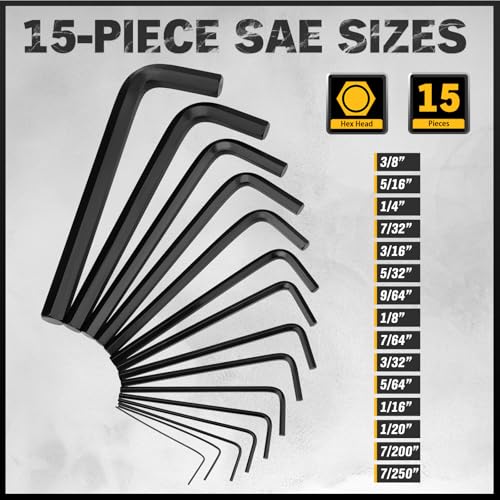
31-Piece Hex Key Set with Torque Handle & Carrying Case
- 【PREMIUM MATERIAL】 Heat-treated steel with black-oxide finish, featuring 15 long reach keys and 15 high leverage short keys for durability and strength.
- 【HIGH LEVERAGE】 Conventional drive end on both long and short keys allows for high leverage on stubborn fixings, ensuring efficient operation.
- 【TORQUE HANDLE】 Comes with a torque handle for added force during loading and unloading fasteners, increasing reach and enhancing torque performance.
- 【COMPLETE COVERAGE】 31-piece Allen wrench set with both inch and metric measurements, covering all hexagon socket screws for comprehensive use.
- 【EASY ORGANIZATION】 High-visibility size markings on each wrench and a sturdy carrying case for quick size selection and convenient storage.




As an Amazon Associate we earn from qualifying purchases. Product prices and availability are accurate as of the date/time indicated.
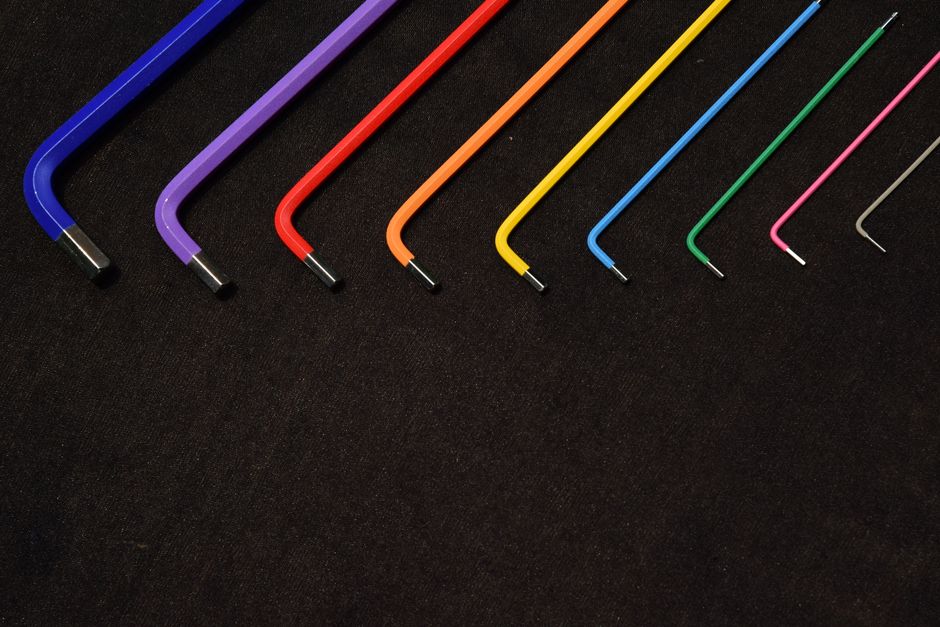
Furniture manufacturers prefer hex keys because they distribute force evenly across the bolt head, reducing the risk of damage compared to other fastening methods. When you assemble IKEA cabinets, shelving units, or office desks, you’ll encounter hex key bolts repeatedly. Proper technique ensures your furniture stays secure and lasts for years. Many people rush through assembly and make costly mistakes that compromise structural integrity.
Key Takeaway: Hex keys are essential furniture assembly tools that require proper sizing and technique to avoid bolt stripping and ensure long-lasting stability.
How Do You Choose the Correct Hex Key Size for Your Furniture?
Selecting the right hex key size is the foundation of successful furniture assembly. Most furniture manufacturers include a labeled hex key in the assembly kit, clearly marked with its size in millimeters or inches. Before you start, lay out all included tools and match them to the instruction manual’s diagram. The manual always specifies which size to use for each bolt location.
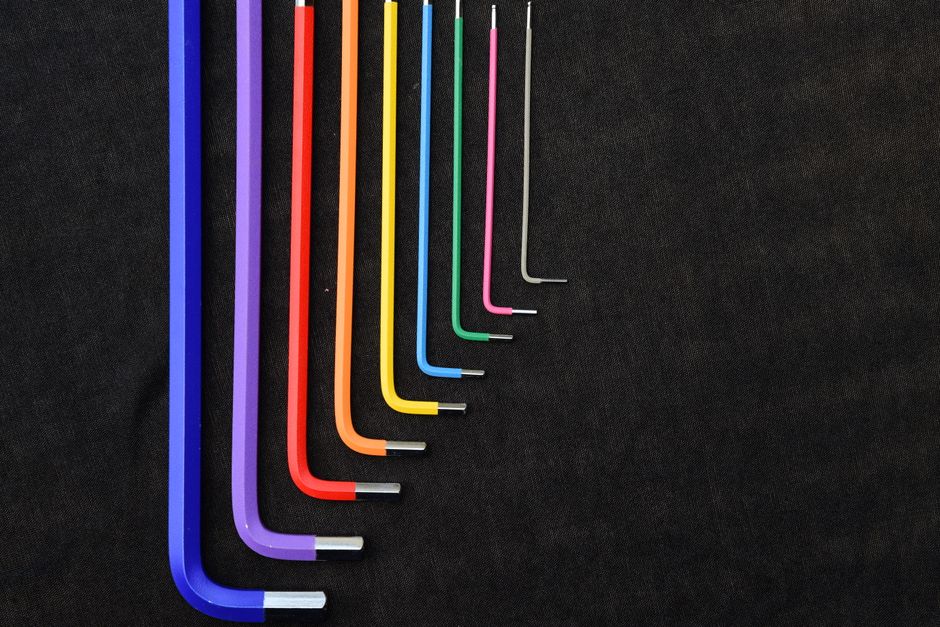
If you’ve lost the included hex key or need a backup, measure the bolt head opening carefully. Place the hex key into the bolt socket and ensure it fits snugly without wobbling. A loose fit causes the tool to slip and strip the bolt’s interior edges. Too tight a fit may bend the key or break it under pressure.
Most residential furniture uses standard sizes between 2mm and 6mm. Larger bolts on heavy-duty shelving or storage units may require 8mm or 10mm keys. Invest in a complete hex key set covering 1.5mm through 10mm sizes for future projects and repairs.
- Check the furniture manual first for the required size.
- Verify the key fits snugly in the bolt socket with no play.
- Keep a complete metric hex key set on hand for all furniture projects.
- Label loose keys with their size using a marker or tape.
Key Takeaway: Always match hex key size to the bolt socket precisely to prevent slipping and damage.
Understanding Metric vs. Imperial Hex Keys
Most modern furniture uses metric hex keys measured in millimeters, especially items manufactured in Europe or Asia. Imperial hex keys are measured in inches and are less common in contemporary furniture assembly. Check your instruction manual to confirm which system your furniture requires before purchasing tools.
What Is the Correct Technique for Tightening Bolts with a Hex Key?
Proper hex key technique prevents bolt stripping, hand injury, and wasted effort. Insert the hex key fully into the bolt socket until it seats completely at the bottom. Push the key straight into the bolt rather than at an angle, which causes premature wear and slipping. Once seated, apply steady pressure while turning clockwise to tighten.
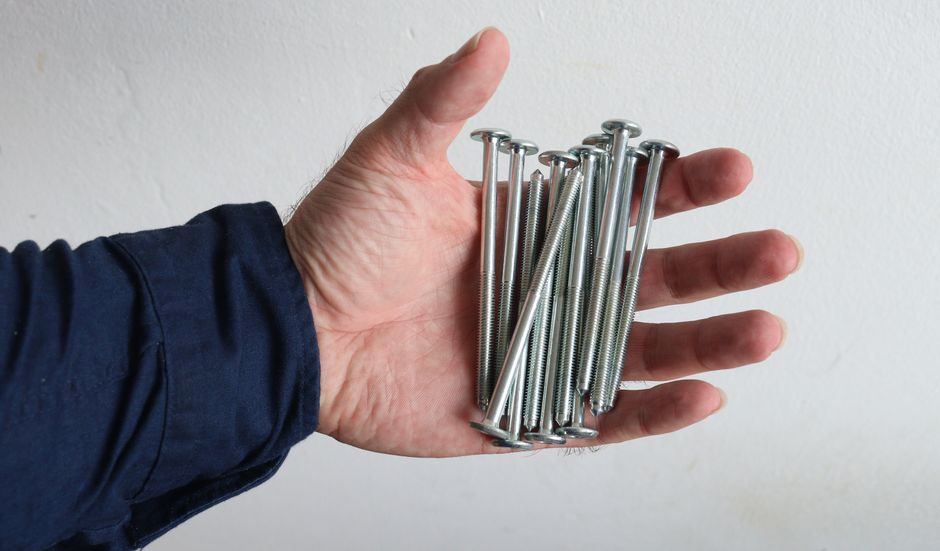
Use your whole hand to grip the short end of the hex key, not just your fingers. This distributes force evenly and gives you better control. Turn slowly and deliberately, especially on the final tightening. Listen for a subtle resistance that indicates the bolt is secure. Stop turning immediately when you feel this resistance to avoid over-tightening.
Over-tightening is the leading cause of stripped bolts in furniture assembly. The bolt threads can break, the socket can deform, or the surrounding material can crack. If a bolt feels unusually tight before reaching the final resistance point, stop and inspect the bolt for damage. When in doubt, use less force rather than more.
- Insert the key fully and straight into the bolt socket.
- Grip the short end with your whole hand for maximum control.
- Turn clockwise slowly and stop when you feel resistance.
- Never force a bolt that feels stuck or unusually tight.
- Apply consistent, steady pressure rather than jerky motions.
Key Takeaway: Steady, controlled pressure with proper insertion technique prevents bolt damage and ensures secure assembly.
Recognizing When a Bolt Is Fully Tightened
A properly tightened bolt feels snug and doesn’t rotate further without significant force. The bolt shouldn’t move when you gently tug on the assembled piece. However, furniture bolts aren’t meant to be as tight as automotive fasteners. Stop turning when you feel the first clear resistance, not when you can barely turn the key anymore.
How Do You Loosen or Remove Bolts with a Hex Key?
Removing bolts with hex keys requires the same care as tightening them. Insert the hex key fully into the bolt socket and turn counterclockwise slowly. Apply steady, even pressure to avoid slipping. If the bolt is stuck or rusted, apply a small amount of penetrating oil and wait five to ten minutes before attempting removal.
If the hex key spins without turning the bolt, the socket is likely stripped. Stop immediately to prevent further damage. Try using a slightly larger hex key if available, or wrap a rubber band around the key for better grip. For severely stuck bolts, a heat gun applied briefly to the bolt can help loosen corrosion.
Never force a hex key that’s slipping or spinning. This damages both the tool and the bolt, making removal nearly impossible. If standard techniques fail, consult the furniture manufacturer’s support line for guidance on your specific model.
- Insert the key fully before applying counterclockwise pressure.
- Apply penetrating oil to stuck bolts and wait five to ten minutes.
- Stop immediately if the key spins without turning the bolt.
- Use a rubber band for extra grip on slippery sockets.
Key Takeaway: Careful removal technique preserves both bolts and hex keys for future use.
Dealing with Stripped or Damaged Bolts
Stripped bolts are the most common assembly problem. If a bolt socket is damaged, try a hex key one size smaller and gently tap it into the socket with a hammer. The smaller key may grip the remaining material enough for removal. If this fails, drill out the bolt carefully using a power drill with a bit slightly smaller than the bolt diameter.
What Are Common Hex Key Assembly Mistakes and How Do You Avoid Them?
Most furniture assembly failures stem from rushing the process. People skip reading instructions, use wrong-sized tools, or over-tighten bolts. Assembly takes longer when done correctly, but saves hours of frustration and potential furniture failure. Allocate at least twice as much time as the manual suggests for your first assembly project.
Another frequent mistake is assembling pieces in the wrong order. Always follow the manual’s step-by-step sequence exactly. Skipping ahead or combining steps often results in misaligned components that prevent proper bolt insertion. If something doesn’t fit, stop and review the previous steps rather than forcing pieces together.
Many people also fail to tighten all bolts fully before moving furniture or adding weight. Partially tightened bolts can slip under load, causing the piece to wobble or collapse. Complete all tightening before using the furniture, even if you plan to adjust it later.
- Read the entire manual before starting assembly.
- Follow steps in exact order without skipping ahead.
- Tighten all bolts completely before using the furniture.
- Don’t force pieces together if they don’t align easily.
- Double-check bolt tightness after the first week of use.
Key Takeaway: Avoiding common assembly mistakes ensures furniture safety and longevity.
Organizing Your Workspace for Efficient Assembly
Lay out all components and hardware before starting. Organize bolts, screws, and dowels in separate containers or on the instruction manual’s diagram. This prevents losing small parts and ensures you have everything before assembly begins. A clean, organized workspace reduces mistakes and speeds up the entire process.
How Do You Maintain and Store Hex Keys Properly?
Proper storage extends hex key lifespan and ensures they’re available when needed. Keep hex keys in a designated drawer or toolbox, organized by size. A magnetic hex key holder keeps metric and imperial sets separate and prevents loss. Store keys in a dry location away from moisture to prevent rust and corrosion.
Inspect hex keys periodically for damage, bending, or wear. Bent keys should be replaced rather than straightened, as they won’t seat properly in bolt sockets. Clean keys occasionally with a dry cloth to remove dust and debris. Consider storing a small set in your vehicle for emergency furniture repairs while traveling.
Investing in a quality hex key set costs between fifteen and forty dollars and lasts for years. Cheap sets bend easily and wear out quickly. Premium sets from reputable manufacturers provide better durability and accuracy. A good hex key set is one of the most useful tools for any homeowner or renter assembling furniture regularly.
- Store hex keys in a labeled container or magnetic holder.
- Keep them in a dry location away from moisture.
- Inspect regularly for bending or damage.
- Replace bent keys rather than attempting to straighten them.
- Invest in a quality set from a reputable manufacturer.
Key Takeaway: Proper storage and maintenance ensure hex keys remain reliable tools for years of furniture assembly.
What Special Considerations Apply to Heavy-Duty Furniture Assembly?
Large cabinets, workbenches, and storage systems require extra care during hex key assembly. These pieces carry heavier loads and demand properly tightened bolts for safety. Start with all bolts finger-tight before fully tightening any single bolt. This ensures even pressure distribution and prevents misalignment.
Heavy furniture often uses larger hex keys, typically 6mm to 10mm sizes. Apply slightly more pressure during tightening, but never force bolts that resist turning. If a bolt requires excessive force, the components may be misaligned. Stop and realign pieces before continuing. Some heavy-duty furniture benefits from a second person holding components in place while you tighten bolts.
After assembly, test the furniture’s stability before placing heavy items on or in it. Shake the structure gently and listen for any creaking or movement. Retighten any bolts that have loosened during the first week. Heavy furniture may settle slightly as materials compress, requiring minor adjustments.
- Use larger hex keys (6mm to 10mm) for heavy-duty furniture.
- Tighten all bolts finger-tight before final tightening.
- Have a second person assist with large assembly projects.
- Test stability before placing heavy loads on furniture.
- Retighten bolts after the first week of use.
Key Takeaway: Heavy furniture requires methodical assembly and post-assembly testing to ensure safety and stability.
How Do You Troubleshoot Hex Key Assembly Problems?
When assembly goes wrong, systematic troubleshooting saves time and frustration. First, verify you’re using the correct hex key size for each bolt. Check the manual again to confirm you’re following steps in the correct order. Misaligned components often indicate a skipped step or incorrect assembly sequence.
If a bolt won’t turn or turns with extreme difficulty, inspect the bolt socket for damage. Apply penetrating oil and wait before trying again. If the bolt still won’t budge, the socket may be stripped. Never force the issue, as this causes additional damage. For persistent problems, contact the furniture manufacturer’s customer service for replacement parts or detailed guidance.
Wobbly furniture after assembly usually indicates loose bolts. Go through each bolt systematically and retighten. Use a flashlight to inspect joints where bolts are hidden. Some furniture has multiple bolts at each joint, and missing even one causes instability. If tightening doesn’t solve wobbling, the furniture may have structural damage from shipping.
- Verify the correct hex key size for each bolt location.
- Double-check assembly step order against the manual.
- Apply penetrating oil to stuck bolts and wait five minutes.
- Systematically retighten all bolts if furniture is wobbly.
- Contact the manufacturer if problems persist after troubleshooting.
Key Takeaway: Systematic troubleshooting resolves most hex key assembly issues without requiring professional help.
How Does Hex Key Assembly Compare to Other Furniture Fastening Methods?
Hex keys compete with screws, dowels, and other fastening systems in modern furniture design. Hex bolts offer superior load-bearing capacity compared to standard screws, making them ideal for heavy furniture. They’re also less likely to strip when properly used. Dowels and wood joinery provide aesthetic appeal but require more precision during manufacturing.
Compared to using screwdrivers for furniture assembly, hex keys distribute force more evenly and create stronger connections. Screws are faster for simple projects but weaker for load-bearing applications. Many modern furniture pieces combine hex bolts with screws and dowels for maximum strength and appearance.
Furniture manufacturers in 2026 continue favoring hex key systems because they’re cost-effective, reliable, and user-friendly. The learning curve is minimal, and most people can master the technique quickly. This makes hex keys the industry standard for flat-pack furniture from major retailers.
- Hex bolts provide superior load-bearing capacity versus screws.
- They’re less prone to stripping when used correctly.
- Dowels offer better aesthetics but require manufacturing precision.
- Many furniture pieces combine multiple fastening methods.
- Hex keys remain the industry standard for flat-pack furniture.
Key Takeaway: Hex keys are the preferred fastening method for modern furniture due to strength, reliability, and ease of use.
What Final Tips Will Help You Master Hex Key Furniture Assembly?
Practice makes perfect with hex key assembly. Your first project takes longer but teaches valuable technique. By your third or fourth assembly project, you’ll work efficiently and confidently. Don’t hesitate to reference online video tutorials that show proper hex key technique in action. Visual learning often clarifies concepts that written instructions don’t fully explain.
Keep detailed notes during your first assembly, including which bolts were tightened last and any special considerations for your specific furniture model. These notes prove invaluable if you need to disassemble and reassemble the piece later. Take photos of fully assembled joints before covering them with cushions or doors.
Finally, invest in a quality hex key set and keep it accessible. When tools are easily available, you’re more likely to maintain furniture properly and address issues before they become serious. A complete set costs less than a single furniture repair service call, making it an excellent investment for any homeowner.
- Practice on multiple projects to build confidence and speed.
- Watch video tutorials to see proper technique demonstrated.
- Take photos of key assembly stages for future reference.
- Keep detailed notes on tricky assembly steps.
- Maintain a quality hex key set in an accessible location.
Key Takeaway: Consistent practice and proper tool investment make you proficient at hex key furniture assembly.
What Should You Know About Hex Key Furniture Assembly in 2026?
Hex key furniture assembly remains largely unchanged from previous years, but tools and techniques continue improving. Modern hex keys feature ergonomic handles that reduce hand fatigue during extended assembly sessions. Some sets now include magnetic tips that hold bolts securely, preventing them from falling into furniture cavities or tight spaces.
Digital assembly instructions are increasingly common in 2026, with augmented reality apps that overlay assembly steps onto your furniture. These tools help you visualize bolt placement and ensure correct orientation before tightening. However, the fundamental hex key technique remains the same: insert fully, turn slowly, and stop at the first resistance point.
Quality matters more than ever as furniture becomes increasingly complex. Budget brands often cut corners on bolt quality and socket design, leading to stripped bolts and frustration. Choosing furniture from reputable manufacturers ensures better hardware and more reliable assembly experiences. When shopping for furniture, check customer reviews specifically mentioning assembly difficulty and bolt quality.
- Modern hex keys feature ergonomic handles for comfort.
- Magnetic tips prevent bolts from falling during assembly.
- Augmented reality apps assist with assembly visualization.
- Quality furniture uses better-designed bolts and sockets.
- Customer reviews reveal assembly quality and hardware reliability.
Key Takeaway: In 2026, hex key assembly tools and digital assistance continue evolving while fundamental technique remains consistent.
Recommended Products

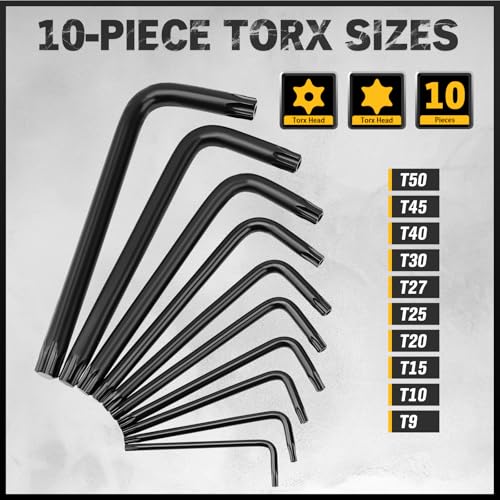
41-Piece Hex Key & Torx Set with Torque Handle & Case
- PREMIUM MATERIAL - Constructed from heat-treated chrome vanadium steel, this hex key set offers exceptional strength and durability. With a black-oxide finish, the allen wrenches sets resist rust and wear for long-lasting use.
- COMPLETE COVERAGE - This 41-piece set includes both SAE and Metric hex keys, ranging from 0.028 to 3/8 inch and 0.7 to 10 mm, as well as Torx keys from T9 to T50, covering all your fastening needs.
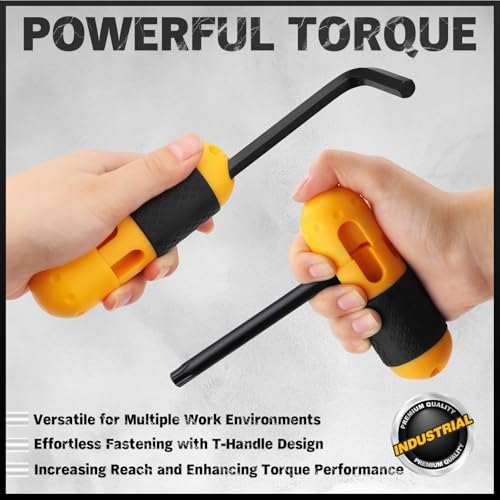
- POWERFUL TORQUE - Comes with a torque handle for added force during loading and unloading fasteners, increasing reach and enhancing torque performance.
- VERSATILE DESIGN - This allen key set provides extra leverage and reach, perfect for hard-to-access areas. The precision chamfered tips ensure a secure fit in any allen wrench set.
- ORGANIZED STORAGE - Comes in a sturdy black plastic case with clearly marked slots, keeping your hex key set neatly arranged. Quick size selection and easy organization make this allen key set convenient to carry and store.




As an Amazon Associate we earn from qualifying purchases. Product prices and availability are accurate as of the date/time indicated.

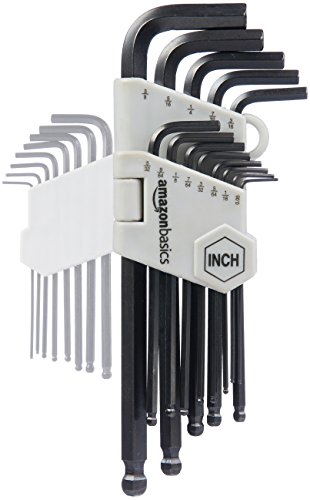
26-Piece Hex Key Set with Ball End & Storage Case
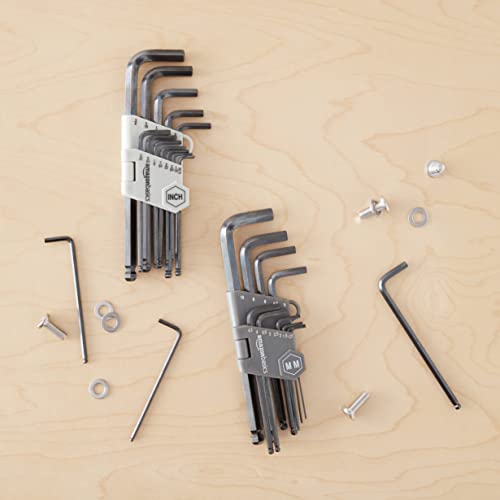
- 26-piece long-arm hex key set for quickly tightening or loosening fasteners; standard and metric sizes
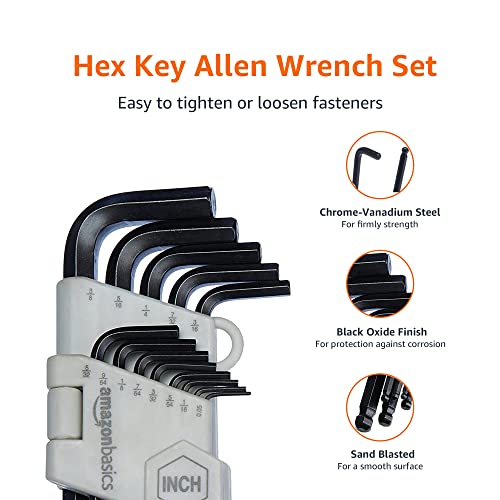
- Made of chrome-vanadium steel for rugged strength; black oxide finish for protection against corrosion; sand blasted for a smooth surface
- Long-arm design provides extended reach and enhanced leverage and torque; beveled ends ensure easy insertion
- Ball-end design allows entry angle of up to 25 degrees for easily reaching around obstructions
- Includes 2 hinged storage cases with dedicated slots and clear size markings; backed by an Amazon Basics limited 1-year warranty

As an Amazon Associate we earn from qualifying purchases. Product prices and availability are accurate as of the date/time indicated.
Conclusion: Why Mastering Hex Key Assembly Matters
Hex key furniture assembly is an essential skill for anyone who buys flat-pack furniture. Proper technique prevents costly mistakes, ensures furniture safety, and extends product lifespan. By selecting the correct size, using steady pressure, and avoiding common mistakes, you’ll assemble furniture confidently and successfully. Whether you’re assembling a simple bookshelf or a complex office system, the principles remain the same: patience, precision, and proper tools.
Investing in a quality hex key set costs minimal money compared to the value it provides. You’ll use these tools repeatedly throughout your life, making them one of the best tools to own. Keep your set organized and accessible, and you’ll be prepared for any furniture assembly challenge. With the knowledge and techniques covered in this guide, you’re ready to tackle any hex key assembly project in 2026 and beyond.



Write Your Review
No reviews yet. Be the first to share your experience!