

What Is the Best Way to Drill Into Concrete Without a Hammer Drill?
Drilling into concrete without a hammer drill is entirely possible using the right techniques and tools. You can successfully penetrate concrete with a standard rotary drill, carbide-tipped bits, and strategic drilling methods. The key is understanding that concrete requires patience, proper bit selection, and consistent pressure rather than impact force. Many homeowners and professionals complete concrete drilling tasks daily without specialized hammer drills. Success depends on choosing the correct bit material, maintaining proper speed, and using appropriate cooling techniques to prevent overheating.
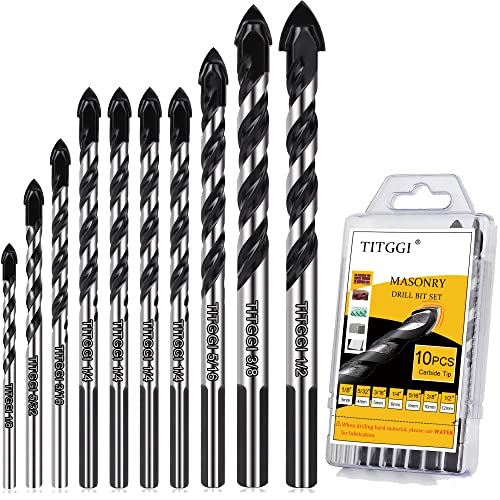
10-Piece Carbide Masonry Drill Bit Set for Concrete & Tile
- FOR HARD SURFACES: Wear-resistant tungsten carbide tip drills into brick, concrete, tile, glass, ceramic, travertine and hard plastic without slipping. Reinforced tip keeps its edge to deliver clean, steady holes for wall anchors, grab bars and shelves
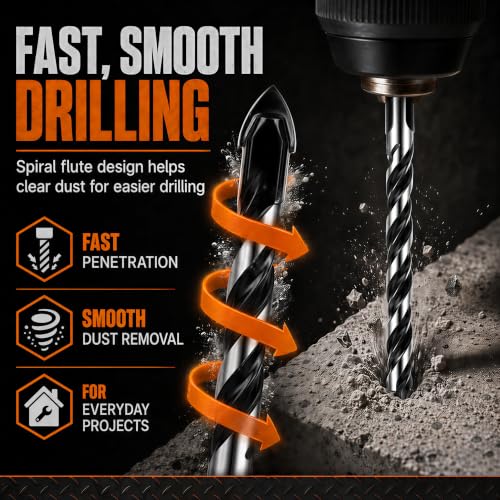
- FAST DUST REMOVAL: Dual U-groove flutes clear debris quickly, reducing clogging for smoother drilling. The masonry drill bit set is ideal for DIY and home repair. Start at low speed with light pressure and let the bit cool between holes to extend its life
- 10 BITS IN 7 SIZES: This concrete drill bit set includes 1/8", 5/32", 3/16", 1/4" (4 pcs), 5/16", 3/8" and 1/2" bits, Extra 1/4" bits provide handy spares for common drilling tasks. Comes with a storage case to keep all bits organized and easy to find
- FOR BATH, KITCHEN & CRAFTS: Ideal for drilling bathroom tile, mounting mirrors, cabinets and grab bars, or making drainage holes in ceramic pots. For tile and glass, use painter's tape to stop slipping, drill slowly & use water cooling to reduce chipping
- 3-FLAT SHANK FOR STANDARD DRILLS: Anti-slip shank fits standard keyed or keyless 3-jaw chucks on corded, cordless and hand drills, plus drill presses for a wobble-free hold. Use rotary mode only, Not for hammer drills, impact drivers or SDS rotary hammers



As an Amazon Associate we earn from qualifying purchases. Product prices and availability are accurate as of the date/time indicated.
Concrete drilling challenges arise from the material’s hardness and density. Standard drill bits designed for wood or metal quickly dull against concrete’s abrasive surface. However, carbide-tipped bits, diamond-core bits, and specialized masonry bits can handle concrete effectively. The drilling process requires lower speeds than wood drilling but consistent downward pressure. Many DIY enthusiasts avoid purchasing expensive hammer drills by mastering alternative methods that work reliably for occasional or light-duty concrete work.
What Tools and Materials Do You Need to Drill Concrete Successfully?
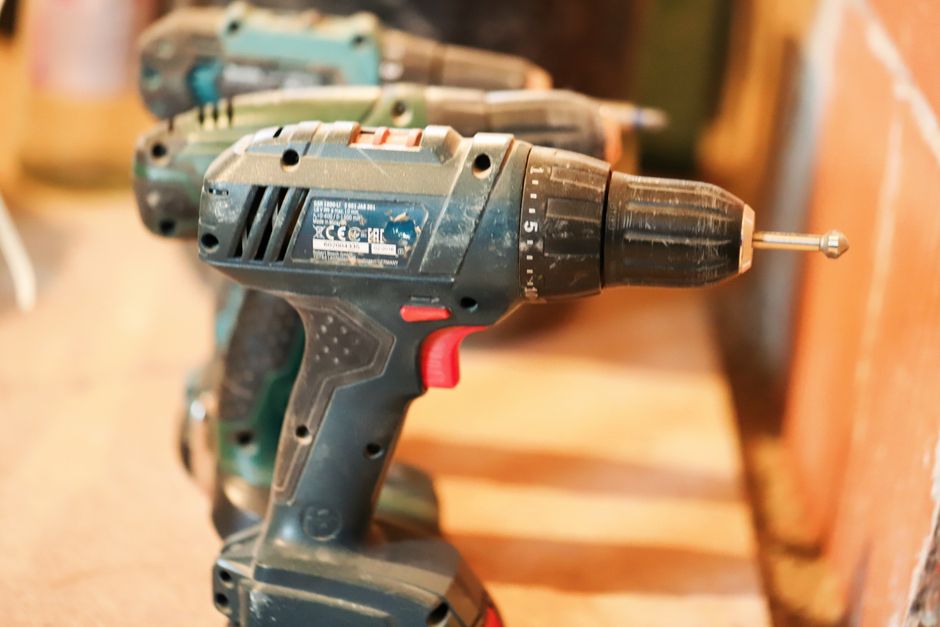
Success begins with selecting the right equipment before you start drilling. A standard corded or cordless drill with variable speed control works well for concrete projects. Look for drills rated at least 12 volts for cordless models or 5+ amps for corded versions. The drill’s torque and power matter significantly when working with dense materials. Investing in quality equipment saves frustration and prevents motor burnout during extended drilling sessions.
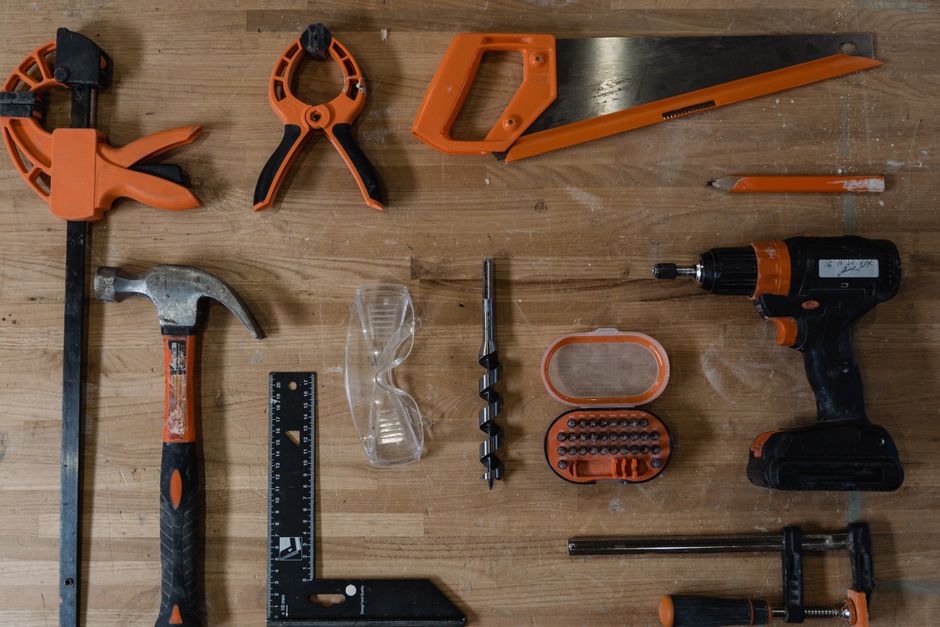
Essential tools and materials for concrete drilling include:
- Carbide-tipped masonry bits or diamond-core bits in required sizes.
- Variable-speed rotary drill with reverse function for stuck bit removal.
- Safety glasses and dust mask to protect against concrete particles.
- Water bottle or spray bottle for cooling bits during drilling.
- Tape measure and marking pencil for accurate hole placement.
- Clamp or vice to stabilize concrete pieces if possible.
- Work gloves to protect hands from sharp bit edges.
Key Takeaway: Quality carbide-tipped bits and a powerful variable-speed drill are non-negotiable for successful concrete drilling without a hammer drill.
Why Carbide-Tipped Bits Matter for Concrete Drilling
Carbide-tipped bits outperform standard steel bits by a significant margin on concrete. Carbide maintains hardness at high temperatures and resists the abrasive concrete surface. These bits cost more upfront but last considerably longer than cheaper alternatives. A single carbide bit can drill dozens of holes before dulling noticeably. Standard steel bits may complete only one or two holes before becoming essentially useless.
Diamond-core bits represent the premium option for concrete drilling. They feature a diamond-studded rim that cuts through concrete smoothly. Diamond bits excel for larger diameter holes and professional applications. For homeowner projects and occasional drilling, quality carbide bits provide excellent value. Both options significantly outperform standard drill bits on concrete surfaces.
How Do You Prepare Concrete for Drilling Without a Hammer Drill?
Proper preparation dramatically improves drilling success and bit longevity. Start by marking your hole location precisely using a pencil and measuring tape. Accuracy prevents wasted time and materials when drilling in the wrong spot. Clean the concrete surface of dirt, dust, and debris before beginning. A damp cloth removes surface contamination that can interfere with bit grip and cooling.
Preparation steps for successful concrete drilling:
- Mark hole location clearly with a pencil or chalk line.
- Clean concrete surface with a damp cloth to remove dust and debris.
- Create a small pilot hole first using a smaller diameter bit.
- Clamp or secure the concrete if drilling portable pieces.
- Fill water bottle or spray bottle for bit cooling during drilling.
- Put on safety glasses and dust mask before starting.
Creating a pilot hole serves multiple purposes in concrete drilling. A small pilot hole prevents the larger bit from wandering or slipping on the concrete surface. Pilot holes also allow you to verify the exact drilling location before committing to the full-size hole. Start with a bit at least one-third the diameter of your final hole size. This technique reduces drilling time and strain on your drill motor significantly.
Key Takeaway: Precise marking, surface cleaning, and pilot holes are essential preparation steps that ensure drilling success and extend bit life.
What Drilling Techniques Work Best Without a Hammer Drill?
Successful concrete drilling without a hammer drill relies on specific techniques that maximize efficiency. Use consistent, moderate pressure rather than forcing the bit through concrete. Heavy pressure actually slows progress by generating excessive heat and friction. Let the bit do the work while you maintain steady downward force. Variable-speed drills allow you to adjust RPM based on bit size and concrete hardness.
Speed and Pressure Guidelines for Concrete Drilling
Concrete drilling requires lower speeds than wood or metal drilling. For carbide bits in concrete, use speeds between 400-1200 RPM depending on hole diameter. Smaller diameter bits tolerate higher speeds, while larger bits require slower speeds. Excessive speed generates dangerous heat that dulls bits rapidly and risks bit breakage. Most variable-speed drills have clearly marked settings for masonry work.
Pressure application matters as much as speed in concrete drilling. Apply steady, moderate downward pressure without forcing the drill. Listen to the drill motor; excessive strain sounds indicate too much pressure. Take breaks every 30-60 seconds to allow the bit and concrete to cool. This cooling period prevents bit overheating and extends bit life dramatically.
Cooling Techniques for Extended Drilling Sessions
Heat buildup destroys carbide bits quickly during concrete drilling. Water cooling is the most effective method for preventing overheating. Spray water onto the bit and hole area frequently during drilling. The water reduces friction, cools the bit, and helps flush concrete dust from the hole. Never use excessive water that creates muddy conditions; light misting is sufficient.
Alternative cooling methods include:
- Light water misting during drilling to reduce friction and heat.
- Frequent breaks allowing bit and concrete to cool naturally.
- Pulling the bit out periodically to clear dust and allow cooling.
- Reduced drilling pressure to minimize heat generation.
- Slower RPM settings on variable-speed drills for large holes.
Key Takeaway: Moderate speed, consistent pressure, and regular water cooling prevent overheating and maximize bit performance when drilling concrete.
What Practical Steps Should You Follow to Drill Concrete Successfully?
Follow this systematic approach to drill concrete holes consistently and safely without a hammer drill. Start with preparation, progress through drilling stages, and finish with cleanup. This structured method prevents common mistakes and produces professional-quality results. Taking time initially saves frustration and material waste later in the project.
Step-by-step concrete drilling process:
- Mark hole location precisely with pencil or chalk.
- Clean concrete surface thoroughly with damp cloth.
- Put on safety glasses and dust mask.
- Insert appropriate carbide-tipped bit into drill chuck.
- Set drill to variable speed; start at 400-600 RPM.
- Position drill perpendicular to concrete surface.
- Start with pilot hole using smaller diameter bit.
- Apply steady, moderate downward pressure.
- Spray water lightly onto bit and hole area.
- Drill slowly, taking breaks every 30-60 seconds.
- Clear dust from hole by withdrawing bit periodically.
- Continue until hole reaches desired depth.
- Remove bit carefully and clean work area.
Troubleshooting Common Concrete Drilling Problems
Bit slipping on the concrete surface usually indicates insufficient pilot hole or wrong bit angle. Ensure the drill is perfectly perpendicular to the concrete before starting. Create a larger pilot hole if the bit continues wandering. Slow down the drill speed slightly to improve bit grip on the surface.
Bit breakage during drilling signals excessive pressure or speed. Reduce downward force immediately if you feel resistance increasing. Lower the drill speed setting and allow more frequent cooling breaks. Broken bits inside concrete holes are difficult to remove; prevention is far better than dealing with this problem.
Slow drilling progress despite correct techniques may indicate dull bits or extremely hard concrete. Replace the bit with a new one if progress becomes very slow. Some concrete mixes contain extra-hard aggregates that challenge any drilling method. Patience and persistence eventually succeed, but replacing dull bits speeds the process significantly.
Key Takeaway: Systematic drilling procedures, proper technique, and troubleshooting prevent common mistakes and ensure successful concrete drilling results.
Are There Alternative Methods for Drilling Concrete Without Standard Drills?
Beyond standard rotary drills, several alternative methods can penetrate concrete effectively. Impact drivers deliver repeated striking force similar to hammer drills but work differently. Rotary tools with diamond bits handle small-diameter holes in concrete surfaces. For specialized applications, consider these alternatives alongside traditional drilling methods.
Alternative concrete drilling methods include:
- Impact drivers with masonry bits for lighter-duty concrete work.
- Rotary tools with diamond-tipped bits for small holes.
- Manual drilling with hand-powered augers for small projects.
- Percussion drilling using a chisel and hammer for minimal equipment.
- Diamond-core drilling for precise, large-diameter holes.
Impact drivers offer a middle ground between standard drills and hammer drills. They deliver rapid striking impacts that help break through concrete without the complexity of hammer drill mechanisms. Many homeowners find impact drivers easier to control than hammer drills. However, they work best for smaller holes and lighter-duty applications compared to true hammer drills.
Manual percussion drilling with a chisel and hammer requires patience but needs no power tools. Mark the hole location and strike the chisel repeatedly with a hammer to gradually break through concrete. This method works for small holes in thin concrete but becomes extremely labor-intensive for larger projects. Consider this approach only for emergency situations or when power tools are unavailable.
Key Takeaway: Impact drivers and manual percussion offer practical alternatives for concrete drilling when hammer drills are unavailable.
How Can You Maintain Concrete Drilling Bits for Longevity?
Proper bit maintenance extends their useful life and saves money over time. Clean bits thoroughly after each use to remove concrete dust and debris. Store bits in a dry location away from moisture that causes rust on metal portions. Organize bits by size for easy identification and access during projects. Quality bit storage protects your investment and ensures reliability when needed.
Bit maintenance practices for concrete drilling:
- Clean bits immediately after use with a dry cloth or brush.
- Store bits in a protective case or organizer away from moisture.
- Inspect bits regularly for visible damage or excessive wear.
- Replace bits showing significant dulling or visible damage.
- Keep bits separate from other tools to prevent accidental damage.
Recognizing when to replace concrete bits prevents frustration during projects. Bits that require excessive pressure or produce very slow drilling progress need replacement. Visual inspection reveals chipping, flaking, or visible wear on carbide tips. Investing in replacement bits costs far less than the time wasted with dull bits. Quality bits from reputable manufacturers consistently outperform budget alternatives.
Key Takeaway: Regular cleaning, proper storage, and timely replacement of worn bits maximize drilling efficiency and cost-effectiveness.
What Safety Precautions Should You Take When Drilling Concrete?
Concrete drilling generates significant dust and creates hazards requiring proper safety measures. Concrete dust contains silica particles that damage lungs with prolonged exposure. Always wear a properly fitted dust mask or respirator during concrete drilling. Eye protection prevents particles from entering eyes and causing irritation or injury. These basic precautions protect your health during concrete work.
Essential safety precautions for concrete drilling:
- Wear NIOSH-approved dust mask or respirator during drilling.
- Use safety glasses to protect eyes from concrete particles.
- Wear work gloves to prevent cuts from sharp bit edges.
- Keep loose clothing and hair away from rotating drill bits.
- Maintain firm footing and stable body position during drilling.
- Never reach into the hole or touch the bit during operation.
- Disconnect drill from power before changing bits.
Proper body mechanics prevent injury during concrete drilling sessions. Stand with feet shoulder-width apart for stable balance. Keep your body positioned to the side of the drill to avoid injury if the bit suddenly catches. Maintain a firm grip on the drill with both hands for maximum control. Never operate a drill with only one hand, especially when working with concrete.
Bit catch situations occur occasionally when drilling concrete. If the bit suddenly catches or the drill jerks violently, release the trigger immediately. Maintain your grip but don’t resist the drill’s motion violently. Bit catches rarely cause serious injury if you remain alert and ready to release the trigger. Proper technique and attention prevent most catch situations from occurring.
Key Takeaway: Dust masks, safety glasses, gloves, and proper body mechanics are non-negotiable safety requirements for concrete drilling.
How Can You Achieve Professional Results When Drilling Concrete Without a Hammer Drill?
Professional-quality concrete drilling requires attention to detail and practice over multiple projects. Start with small projects to develop skills before tackling larger applications. Invest in quality tools and bits rather than budget alternatives that disappoint. Take time for proper preparation and follow systematic procedures consistently. These practices separate amateur results from professional-grade work.
Quality Standards for Professional Concrete Drilling
Professional concrete holes feature clean edges, correct depth, and precise placement. Avoid ragged hole edges by using sharp bits and appropriate speeds. Mark depths clearly on the drill bit using tape or a depth stop collar. Professional results require multiple practice attempts before achieving consistent quality.
For related techniques on precision work, explore how to engrave metal with a rotary tool to understand fine control principles. Similarly, understanding how to use an angle grinder safely helps with concrete surface preparation and finishing work.
Key Takeaway: Professional concrete drilling results require quality tools, systematic procedures, and consistent practice across multiple projects.
Recommended Products

12-Piece Carbide Masonry Drill Bit Set for Concrete & Tile
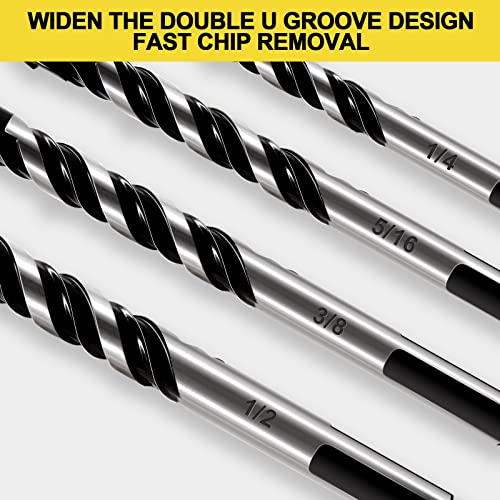
- CARBIDE TIPS AND STEEL BODIES: Each bit combines a spear-shaped carbide cutting tip with a steel body and spiral flutes that guide loosened material along the bit; use speed, pressure, and cooling suited to the surface
- 3-FLAT SHANK FOR STANDARD DRILLS: Fits compatible keyed or keyless 3-jaw chucks on corded drills, cordless drills, hand drills, and drill presses; not for SDS rotary hammers or 1/4-inch impact-driver collets
- 12 BITS IN 7 SIZES: Includes one 1/8", one 5/32", two 3/16", four 1/4", two 5/16", one 3/8 masonry drill bit, and one 1/2" bit for pilot holes and step-up drilling
- FOR MATCHING PROJECT SURFACES: Select masonry drill bits for brick, concrete, cement, stucco, ceramic tile, glass, wood, and plastic; begin at low speed, use light pressure, keep the drill aligned, and add water on hard surfaces
- MARKED SIZES WITH STORAGE CASE: Visible size markings help identify each diameter, while the included transparent case keeps all 12 bits together for selection, transport, and storage between home repair and installation tasks




As an Amazon Associate we earn from qualifying purchases. Product prices and availability are accurate as of the date/time indicated.

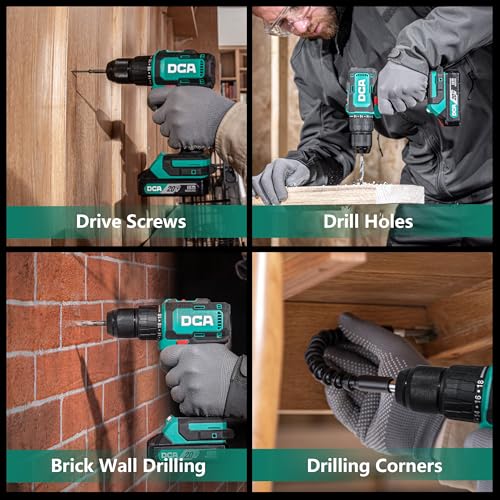
DCA 20V Brushless Hammer Drill - 492 in-lb Torque Impact
- DCA 20V Cordless Hammer Drill Set
- Impact Function – This brushless hammer drill with impact frequency up to 27,000 BPM for heavy-duty drilling in masonry and brick wall surfaces.
- 2-Speed & 18+1+1 Torque Settings – Variable 2-speed adjustment (0-450RPM / 0-1800RPM) and 18+1+1 torque positions provide precision control for drilling, driving, and hammering applications.
- Durable 1/2" All-Metal Keyless Chuck – Strong ratchet metal chuck ensures stability and supports drilling up to 3/4" in wood, 1/2" in steel or brick wall.
- Compact & Ergonomic – This cordless power hammer drill is lightweight design (1.3kg) with rubberized grip and LED work light for comfortable use in tight or dark spaces.
- What‘s You will Get– 20V brushless hammer drill,20V charger, 9*drilling bits, 19*screwdriver bits, 1 *extension bit holder, 1*flexible shaft, 1*onboard bits holder, 1*belt hook, and a heavy-duty bag. Everything you need for home improvement, construction, and repairs.


As an Amazon Associate we earn from qualifying purchases. Product prices and availability are accurate as of the date/time indicated.
What Does the Conclusion Say About Drilling Concrete Without a Hammer Drill?
Drilling into concrete without a hammer drill is entirely achievable using proper techniques and appropriate tools. Success depends on carbide-tipped bits, variable-speed drills, and systematic drilling procedures. Patience, consistent pressure, and regular cooling prevent common problems and extend bit life. Many homeowners and professionals complete concrete projects successfully without expensive hammer drills.
The investment in quality carbide bits and a powerful variable-speed drill pays dividends through reliable performance on multiple projects. Understanding proper techniques prevents frustration and ensures professional results. Start with small pilot holes and progress systematically to larger holes. Take breaks to allow cooling and prevent overheating. Maintain your bits properly and replace them when they show signs of wear.
Concrete drilling without a hammer drill requires more time and patience than powered alternatives, but the results justify the effort. Following the guidelines in this article transforms concrete drilling from a frustrating challenge into a manageable task. Whether you’re hanging shelves, installing anchors, or completing renovation projects, these techniques deliver consistent success. Master these methods and you’ll confidently tackle concrete drilling challenges for years to come.


Write Your Review
No reviews yet. Be the first to share your experience!