

What Is the Safest Way to Use a Box Cutter? Quick Answer
The safest way to use a box cutter involves maintaining a firm grip with your dominant hand, keeping your non-cutting hand behind the blade at all times, and always cutting away from your body. Box cutters cause over 100,000 injuries annually in the United States, making proper technique essential. Use a sharp blade—dull blades require more pressure and slip more easily. Keep your workspace clean and well-lit. Retract the blade immediately after each cut. Wear cut-resistant gloves when handling materials. Store your box cutter in a secure location when not in use. These practices significantly reduce lacerations, puncture wounds, and accidental cuts that occur from improper handling or distraction.

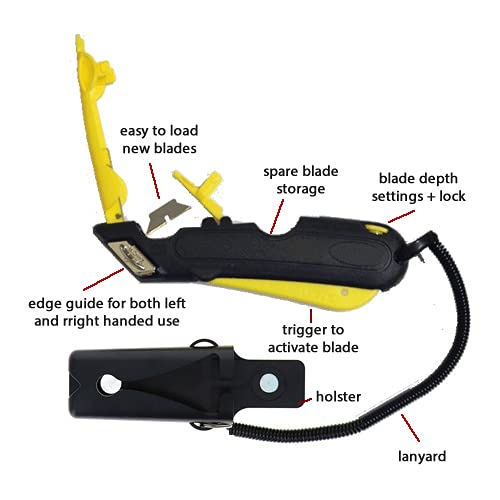
Veltec EZ-1000 Safety Box Cutter Utility Knife, 3 Blade Depth Setting, Squeeze Trigger and Dual Side Edge Guide, 2 Blades, Holster and Lanyard (Yellow)
- Safety tipped blade retracts automatically upon release of handle
- 3 blade depth setting, squeeze trigger and back-up blade storage
- Clip-on holster (left or right direction) and lanyard
- Retractable 2 side edge guides for easy cutting
- Blunt tip Blade to minimize accidents
As an Amazon Associate we earn from qualifying purchases. Product prices and availability are accurate as of the date/time indicated.
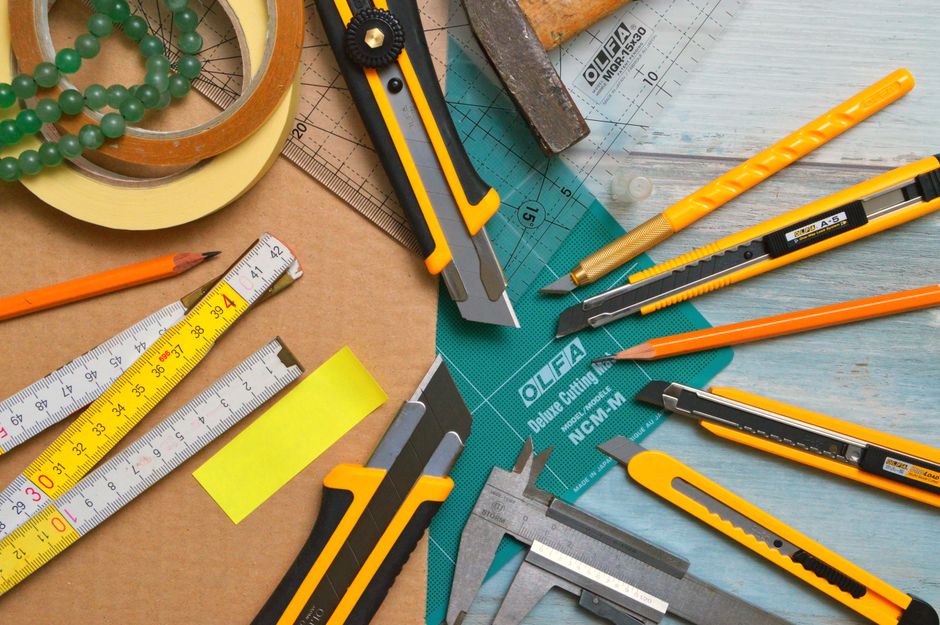
Box cutters have become indispensable tools in warehouses, retail environments, construction sites, and home workshops. Their simplicity masks the serious injury risk they present. According to the CDC, hand and finger injuries from cutting tools rank among the most common workplace injuries. Understanding proper box cutter technique protects you and your coworkers from preventable accidents. This guide covers everything from grip fundamentals to blade maintenance and emergency response.
How Do You Hold a Box Cutter Correctly?
Proper grip is the foundation of safe box cutter use. Hold the cutter like a pencil in your dominant hand, with your thumb and index finger controlling the handle firmly. Position your hand so the blade angles slightly away from your body—never perpendicular to it. Your remaining fingers should curl naturally around the handle for stability. Avoid gripping too tightly, which causes hand fatigue and reduces control. A relaxed but firm grip gives you maximum precision and responsiveness.

Your non-cutting hand placement is equally critical. Always position this hand behind the blade’s path, never in front of it. If you’re cutting cardboard, hold the material steady with your non-dominant hand positioned at least six inches away from the cut line. Keep your fingers flat and away from the blade’s trajectory. Many injuries occur when the cutter slips and the non-cutting hand is in the wrong position.
The Three-Point Control System
Professional handlers use a three-point control method for maximum safety and precision. This technique involves controlling the cutter handle, stabilizing the material, and maintaining proper body positioning simultaneously. The three points create a stable cutting environment that minimizes accidents and improves cut quality.
- Dominant hand: Firm pencil grip on the cutter handle with consistent pressure.
- Non-dominant hand: Positioned behind the blade, stabilizing material flat against a surface.
- Body position: Stand at a slight angle with feet shoulder-width apart for balance and control.
Key Takeaway: A firm pencil grip combined with proper non-cutting hand placement and stable body positioning forms the foundation of safe box cutter operation.
What Cutting Techniques Prevent the Most Injuries?
Always cut away from your body and away from other people nearby. This directional rule is non-negotiable—if the blade slips, it travels away from you, not toward vital organs or limbs. Use smooth, controlled strokes rather than aggressive sawing motions. Let the sharp blade do the work; excessive pressure indicates your blade is dull and needs replacement. Maintain a cutting speed that allows you to stay in complete control throughout each stroke.
Score thick materials rather than trying to cut through them in one stroke. Make multiple light passes over the same line, gradually deepening the cut. This technique reduces pressure, increases control, and minimizes blade breakage. For corrugated cardboard, one or two passes are usually sufficient. For heavier materials like drywall or leather, multiple shallow passes are safer than forcing a deep cut.
Safe Cutting Practices for Different Materials
Different materials require slightly different approaches. Understanding these variations helps you maintain safety across various applications. Adjust your technique based on material thickness, density, and composition.
- Cardboard: Light pressure, one or two passes, blade fully extended.
- Drywall: Multiple shallow passes, score method, blade retracted between passes.
- Vinyl and plastic: Slow, controlled strokes, watch for blade wandering.
- Rope or cord: Stabilize firmly, cut on a hard surface, never cut toward yourself.
- Fabric: Use a cutting mat, light pressure, straight strokes only.
Key Takeaway: Always cut away from your body using smooth, controlled strokes with a sharp blade, letting the tool do the work rather than forcing pressure.
Why Is Blade Maintenance Crucial for Safe Operation?
A sharp blade is a safe blade. Dull blades require excessive pressure to cut, causing slips and loss of control. Replace your blade as soon as you notice it’s not cutting cleanly through cardboard. Most box cutters have quick-change blade systems that make replacement simple—usually involving a twist or slide mechanism. Keep replacement blades readily available in your workspace so you never feel tempted to use a dull blade.
Store blades in a safe container away from children and pets. Many box cutters include blade storage compartments in the handle. Use these whenever possible. Never leave a blade exposed on a workbench or in a drawer where someone might accidentally contact it. Inspect your box cutter regularly for damage to the handle or blade-retention mechanism. A damaged cutter can fail unexpectedly, causing serious injury.
Blade Inspection and Replacement Schedule
Establish a routine inspection schedule to maintain consistent safety. Check your blade condition before starting each work session. Replace blades at the first sign of dullness or damage. Most professionals recommend replacing blades every 2-3 hours of heavy use, though this varies based on material type and cutting frequency.
- Inspect blade edge for nicks, chips, or dullness before each use.
- Replace blades immediately if they leave ragged edges or require excessive pressure.
- Store spare blades in the cutter’s handle compartment or a designated blade container.
- Never attempt to sharpen box cutter blades—replacement is safer and more economical.
- Dispose of old blades in a sharps container or wrap them securely in cardboard.
Key Takeaway: Sharp blades are essential for safe operation; dull blades cause slips and injuries, so replace them frequently and store them securely.
How Do You Prevent Common Box Cutter Injuries?
Distraction is the leading cause of box cutter injuries. Avoid using box cutters while talking on the phone, texting, or thinking about other tasks. Dedicate your full attention to the cutting activity. Work in a well-lit area where you can see the blade and material clearly. Poor lighting causes misjudgments about blade position and material thickness. Take regular breaks during repetitive cutting tasks to prevent fatigue-related accidents.

Wear appropriate personal protective equipment. Cut-resistant gloves rated for sharp objects provide an excellent safety layer for your non-cutting hand. Many modern gloves balance protection with dexterity, allowing you to maintain proper control. Safety glasses protect your eyes from flying debris, especially when cutting synthetic materials. Some workers wear finger guards or thumb protectors for additional protection on frequently exposed digits.
Environmental Safety Measures
Your workspace significantly impacts injury risk. Keep your cutting area organized and free of obstacles. Never cut while standing on unstable surfaces or ladders. Use a cutting mat or stable work surface to prevent material from shifting during cutting. Ensure good ventilation if you’re cutting materials that produce dust or fumes. Keep a first aid kit nearby in case of minor cuts.
- Work on a stable, flat surface with adequate lighting and clear sightlines.
- Keep your workspace organized and free of clutter or tripping hazards.
- Never cut while standing on unstable surfaces, ladders, or in awkward positions.
- Maintain a clean workspace to prevent material slippage and blade wandering.
- Keep a fully stocked first aid kit within arm’s reach during cutting tasks.
Key Takeaway: Prevent injuries through full attention, proper PPE, and a well-organized, well-lit workspace that minimizes environmental hazards.
What Should You Do If You Cut Yourself?
Minor cuts from box cutters are common but usually manageable with proper first aid. Stop cutting immediately and apply direct pressure to the wound with a clean cloth or gauze. Maintain pressure for 5-10 minutes to control bleeding. Rinse the wound with clean water once bleeding slows. Apply an antibiotic ointment and cover with a sterile bandage. Monitor the wound for signs of infection over the next few days.
Seek immediate medical attention for deep cuts, cuts that won’t stop bleeding after 15 minutes, cuts on your hand or fingers, or any wound that appears to have penetrated deeper than the skin surface. Box cutter blades can cause puncture wounds that look small but may damage underlying tissues or nerves. When in doubt, consult a healthcare professional. Document the injury and report it to your supervisor or safety officer if this occurred at work.
Key Takeaway: Apply direct pressure for minor cuts, but seek medical attention immediately for deep wounds, excessive bleeding, or puncture injuries.
How Can You Train Others to Use Box Cutters Safely?
If you supervise or work alongside others, proper training is essential. Demonstrate the correct grip, cutting technique, and blade maintenance before allowing anyone to use a box cutter. Have trainees practice on scrap material under your supervision. Emphasize the three-point control system and the absolute rule about cutting away from the body. Create a written safety checklist that workers can reference during their first weeks of use.
Establish workplace protocols for box cutter use. Designate specific cutting areas with proper lighting and surfaces. Require workers to retract blades immediately after each cut. Implement a blade disposal system that prevents accidental contact. Conduct regular safety refreshers, especially for workers who don’t use box cutters daily. Recognize and reward safe practices to create a culture where safety is valued.
Training Checklist for Box Cutter Safety
- Demonstrate proper grip and hand positioning multiple times.
- Explain the “cut away from body” rule and why it’s non-negotiable.
- Show how to inspect blades and recognize when replacement is necessary.
- Have trainees practice on scrap material under direct supervision.
- Distribute written safety guidelines and review them together.
- Conduct refresher training quarterly or when new workers join the team.
Key Takeaway: Effective training, clear protocols, and regular refreshers create a safety culture that significantly reduces workplace box cutter injuries.
What Tools Complement Safe Box Cutter Use?
Several tools and accessories enhance box cutter safety and efficiency. A self-healing cutting mat protects your work surface and helps stabilize materials during cutting. Cutting guides or straightedges help you maintain straight lines and keep your hands at a safe distance from the blade. Material clamps hold items steady without requiring your non-cutting hand to be near the blade. These tools are inexpensive and widely available at hardware and craft supply stores.
Cut-resistant gloves designed for sharp objects offer excellent protection. Look for gloves with high cut-resistance ratings and good tactile feedback. Some professionals use finger cots—protective covers for individual fingers—to add extra protection to vulnerable digits. A first aid kit specifically designed for workshop use ensures you have appropriate supplies for treating cuts. Consider investing in a box cutter with ergonomic design features that reduce hand fatigue during extended use.
Key Takeaway: Complementary tools like cutting mats, guides, clamps, and protective gloves significantly enhance safety and control during box cutter use.
How Do You Store and Transport Box Cutters Safely?
Always retract the blade before storing your box cutter. Store the tool in a designated location away from children and pets. Many professionals keep their box cutters in a tool belt, apron, or designated drawer with the blade fully retracted. Never leave a box cutter unattended with the blade extended. If you carry a box cutter in your pocket, ensure the blade is fully retracted and the tool is positioned safely so it won’t accidentally deploy.
When transporting box cutters between locations, secure them in a toolbox or bag where they won’t shift around. Ensure the blade is fully retracted before transport. If traveling by vehicle, keep your box cutter in a secure location that won’t slide during acceleration or braking. Follow any workplace or facility-specific rules about tool storage and transport. Some facilities require box cutters to be locked in designated storage areas when not in active use.
Key Takeaway: Always retract blades, store cutters in designated locations, and secure them during transport to prevent accidental exposure and injuries.
What Does the Research Say About Box Cutter Safety?
The Occupational Safety and Health Administration (OSHA) classifies box cutter injuries as significant workplace hazards. Research from occupational health organizations shows that proper training reduces box cutter injuries by up to 70%. Studies indicate that most injuries result from distraction, dull blades, or improper hand positioning rather than tool defects. Organizations that implement comprehensive safety programs, including proper training and regular refresher courses, experience significantly fewer incidents.
A study by the Centers for Disease Control and Prevention found that hand and finger injuries from cutting tools are among the top preventable workplace injuries. The research emphasizes that simple interventions—sharp blades, proper grip, and full attention—prevent the majority of incidents. Workers who understand and consistently apply these techniques experience injury rates comparable to workers in low-risk occupations. This evidence demonstrates that box cutter safety is highly achievable through knowledge and practice.
Key Takeaway: Research confirms that proper training, sharp blades, and consistent technique reduce box cutter injuries by up to 70%.
Recommended Products
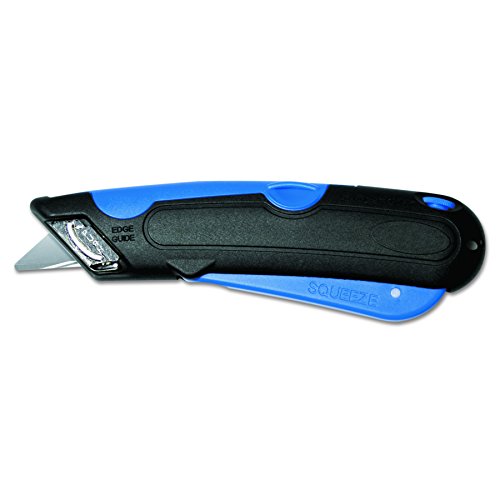
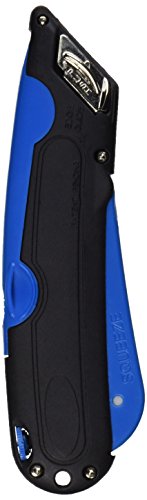
COSCO 091508 Easycut Cutter Knife w/Self-Retracting Safety-Tipped Blade, Black/Blue
- Safety-tipped blade retracts automatically upon release of handle.
- Unique adjustable dial allows different blade cutting lengths.
- Retractable edge guides for cutting box tops.
- Blade storage compartment.
- Includes three replacement blades.


As an Amazon Associate we earn from qualifying purchases. Product prices and availability are accurate as of the date/time indicated.

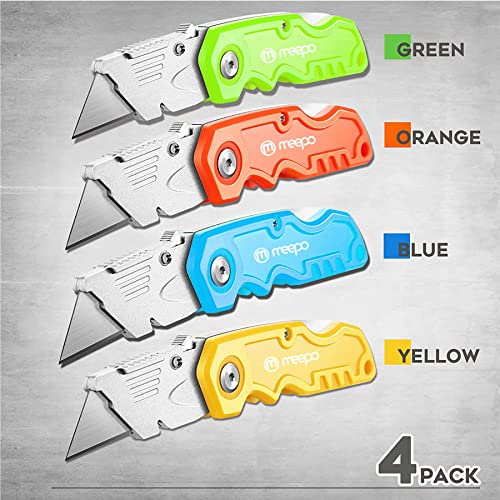
M MEEPO 4-Pack Box Cutter, Colorful Folding Utility Knife w/ 10 pcs Blades
- Ready for Heavy Duty Purpose - Our utility knife set are widely used by professional builders, DIYers, electricians and carpentry . It can easily cut though heavier materials like drywall, roofing shingles, flooring, sheet plastic, boxes, rope, wallpaper,cardboard and more
- Tough Tools that You can Trust - What's great about our utility knife set? The ergonomic handle will help assure you that it won't fly out of your hands. Easy blade change design means that you can change the blade more easier than normal box cutter, which needs a screwdriver to change out the blade. Different from normal bulky utility knives, the handle of our utility knives are all made of tough plastic. The lightweight feeling will makes you more comfortable when works in daily life
- Born for The Way You Work - As a heavy duty fixed blade utility knife set, the blade of our utility knife can be much more strength than normal retractable box cutter. With our utility knife, cutting works can be easy and fun
- Set of 4 Utility Knife - Comes with 4-piece utility knife ( Orange / Yellow / Green / Blue ) and extra 10-piece double edge razor blade. Buy once and benefit for life
- Ready for Heavy Duty Purpose - Our utility knife set are widely used by professional builders, DIYers, electricians and carpentry . It can easily cut though heavier materials like drywall, roofing shingles, flooring, sheet plastic, boxes, rope, wallpaper and more




As an Amazon Associate we earn from qualifying purchases. Product prices and availability are accurate as of the date/time indicated.
Conclusion: Can You Master Safe Box Cutter Use?
Absolutely. Box cutter safety is entirely achievable through understanding proper technique and maintaining consistent practices. The safest way to use a box cutter combines a firm pencil grip, proper non-cutting hand placement, cutting away from your body, and maintaining sharp blades. These fundamentals, supported by a distraction-free workspace and appropriate protective equipment, eliminate the vast majority of injury risk. Whether you use a box cutter occasionally at home or daily in a professional setting, these principles apply equally.
Start implementing these safety practices immediately. Inspect your current box cutter, replace the blade if necessary, and practice the proper grip on scrap material. If you supervise others, develop a training program that emphasizes these techniques. Share this knowledge with coworkers and family members who use box cutters. By prioritizing safety in every cut, you protect yourself and everyone around you from preventable injuries. Box cutters will remain efficient, indispensable tools when used with proper respect and technique.



Write Your Review
No reviews yet. Be the first to share your experience!