

How to Choose the Right Screwdriver for the Job: Quick Answer
Choosing the right screwdriver depends on three factors: screw type, size, and material. Phillips head screwdrivers fit cross-shaped screws, while flathead drivers work with single-slot screws. Measure your screw’s head diameter and match it to the driver size. Power drills with interchangeable bits offer versatility for most jobs. Precision screwdrivers suit electronics and delicate work. Manual drivers work best for light tasks, while cordless electric drivers handle heavy-duty projects efficiently. Always inspect the screw before selecting your tool to avoid stripping or damaging the fastener.

10-Piece Magnetic Screwdriver Set with Ergonomic Grip & Storage
- Top quality magnetic screwdriver set, 10 professional grade screwdrivers that are designed to serve a multitude of uses.
- Premium materials, the screwdriver bar is made of chromium vanadium steel for durable. Black finish blade with magnetic tips which could conveniently attracts screws.
- Cushion grip handle for comfort and control,With ergonomic TPR handle, it helps you to use very easily.
- Including 2 kinds of portable key screwdriver(flathead screwdriver and phillips screwdriver).
- Convenient storage, Each set of screwdrivers is equipped with a transparent storage bucket to prevent loss.


As an Amazon Associate we earn from qualifying purchases. Product prices and availability are accurate as of the date/time indicated.
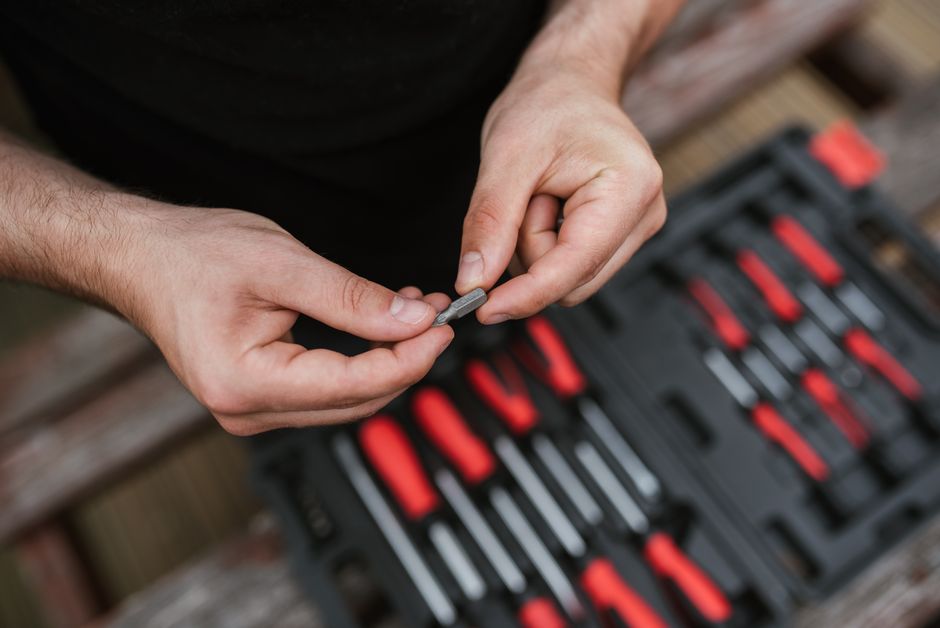
Screwdrivers are fundamental tools in any workshop or home toolkit. From assembling furniture to repairing appliances, selecting the correct driver prevents damage to screws and surfaces. In 2026, modern screwdrivers offer specialized designs for specific applications. Understanding the differences between types helps you work faster and achieve professional results. This guide walks you through identifying screw types, matching driver sizes, and selecting the best tool for your specific project needs.
What Are the Main Types of Screwdrivers?
Screwdrivers fall into several categories based on their head design and intended use. Each type fits a specific screw head pattern. Using the wrong type can strip the screw head or damage surrounding material. Modern workshops typically stock multiple types to handle diverse fastening needs.
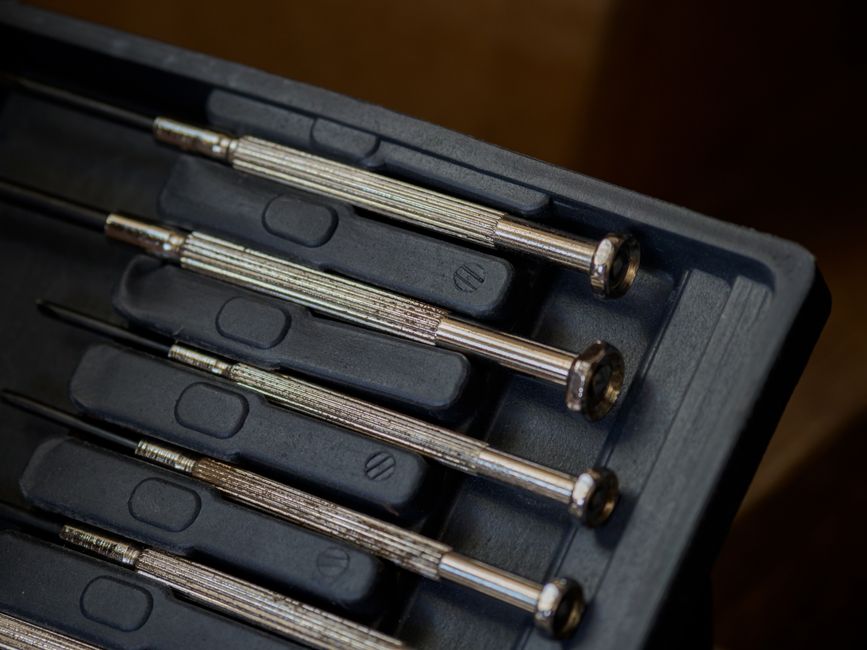
- Phillips head: Cross-shaped slot for general-purpose fastening.
- Flathead (Slotted): Single straight slot, older screw style.
- Robertson: Square-shaped recess, common in Canada and woodworking.
- Pozidriv: Similar to Phillips but with additional lines for better grip.
- Torx: Star-shaped pattern, popular in electronics and automotive work.
- Hex (Allen): Six-sided socket, used in furniture and machinery.
Phillips Head Screwdrivers
Phillips head drivers feature a cross-shaped tip that fits into corresponding screw heads. This design is the most common in household items, appliances, and general construction. The cross pattern provides good grip during insertion and removal. Phillips screws are available in multiple sizes, typically ranging from size 0 (smallest) to size 4 (largest).
Key Takeaway: Phillips head screwdrivers are the most versatile and widely used for everyday tasks.
Flathead and Specialty Drivers
Flathead (slotted) screwdrivers have a single straight blade that fits into a horizontal slot. These are less common in modern applications but appear in older equipment and some decorative hardware. Torx drivers, with their distinctive star shape, dominate electronics and automotive industries. Robertson square-head drivers excel in woodworking and construction due to their superior grip and reduced stripping risk.
Key Takeaway: Specialty drivers like Torx and Robertson prevent cam-out and are ideal for high-torque applications.
How Do You Match Screwdriver Size to Your Screw?
Proper sizing is critical to effective fastening. An undersized driver won’t fully engage the screw head, causing slipping and damage. An oversized driver can strip or bend the screw. Measure your screw’s head diameter and compare it to the driver tip. Most manufacturers label drivers with size numbers or measurements in millimeters.
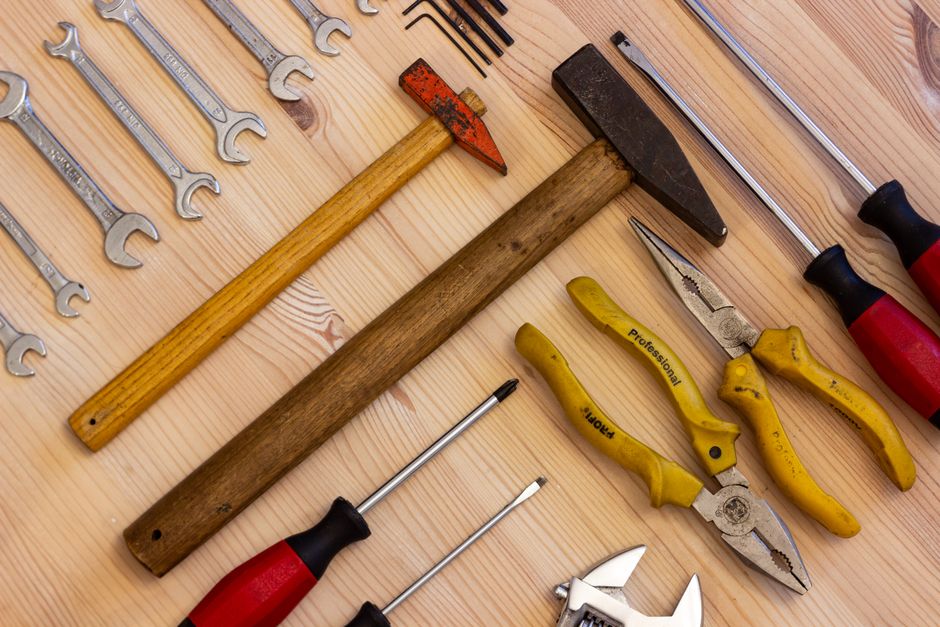
- Measure the screw head width across its widest point.
- Match that measurement to the driver tip width.
- Ensure the tip fills the screw slot completely without excess contact.
- Test the fit before applying pressure to avoid stripping.
Understanding Screwdriver Size Markings
Screwdriver handles typically display size information clearly. Phillips head drivers use numbers: size 1, 2, 3, and 4 represent increasing tip widths. Flathead drivers are labeled by blade width in millimeters or inches. Hex drivers show socket size (5mm, 6mm, etc.). Always check the packaging or handle before purchase to ensure compatibility with your fasteners.
Key Takeaway: Always verify size markings before purchasing or using a screwdriver.
Common Sizing Mistakes
Many DIYers choose drivers by appearance rather than measurement. This leads to cam-out, where the driver tip slips out of the screw head under pressure. Stripped screws become difficult or impossible to remove. To avoid these issues, keep a sizing gauge handy or test fit the driver before committing to the full turn. Professional mechanics often carry multiple sizes of each type for quick selection.
Key Takeaway: Test fitting prevents costly damage and ensures successful fastening.
Should You Use Manual or Power Screwdrivers?
Manual screwdrivers offer simplicity, precision, and cost-effectiveness for light work. Power drivers dramatically reduce fatigue for heavy-duty jobs. The choice depends on your project scope, fastener quantity, and available budget. In 2026, cordless electric drivers dominate professional and serious hobbyist workshops.
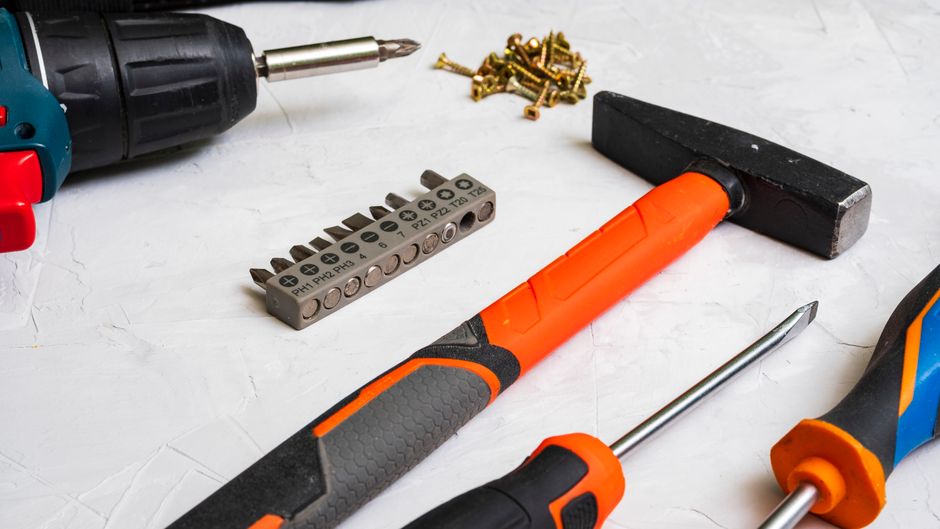
- Manual drivers: Best for single fasteners, delicate work, and tight spaces.
- Cordless drills: Ideal for large projects with multiple fasteners.
- Impact drivers: Excellent for heavy-duty fastening and removal.
- Precision screwdrivers: Essential for electronics and small assembly work.
Manual Screwdrivers for Detail Work
Manual drivers excel when precision matters. Electronics assembly, eyeglass repair, and watch maintenance require the tactile feedback only manual tools provide. Precision screwdrivers feature smaller tips and ergonomic handles for extended comfort. A quality manual driver costs less than fifteen dollars and lasts decades with proper care. They require no charging and function in any environment.
Key Takeaway: Manual screwdrivers are indispensable for precision work despite slower operation.
Power Drivers for Production Work
Cordless drills with screwdriver bits handle high-volume fastening efficiently. Modern models feature variable speed control, allowing adjustment for different materials and screw sizes. Impact drivers provide extra torque for stubborn fasteners and heavy-duty construction. Battery technology in 2026 offers extended runtime and faster charging than previous generations. These tools reduce hand fatigue dramatically during extended work sessions.
Key Takeaway: Power drivers are essential for large projects and production-level work.
What Materials and Features Matter Most?
Screwdriver quality varies significantly across price ranges. Chrome-plated steel tips resist rust and maintain sharp edges longer than cheaper alternatives. Hardened steel handles withstand repeated impact without cracking. Magnetic tips prevent screw dropping on overhead work. Ergonomic handles reduce hand strain during extended use. Budget fifty to one hundred dollars for a quality set that covers most household needs.
- Chrome-plated tips: Rust-resistant and durable for long-term use.
- Magnetic tips: Prevent fastener loss during installation.
- Non-slip handles: Improve control and reduce hand fatigue.
- Interchangeable bits: Versatile solution for multiple screw types.
- Torque-limiting features: Prevent over-tightening and damage.
Handle Design and Ergonomics
Handle shape directly impacts comfort and control. Cushioned grips reduce hand fatigue during repetitive work. Textured surfaces prevent slipping when hands are wet or sweaty. Balanced weight distribution makes extended use more comfortable. Professional-grade handles often feature reinforced stress points where the blade meets the handle. Quality handles justify higher prices through durability and user comfort.
Key Takeaway: Ergonomic handles prevent fatigue and improve work quality during extended sessions.
Magnetic and Specialty Features
Magnetic tips hold screws securely during installation, especially useful for overhead work. Some drivers include built-in LED lights for visibility in dark spaces. Ratcheting handles allow one-handed operation for faster work. Stubby drivers fit into confined spaces where standard handles won’t fit. Offset drivers provide better leverage in tight corners. These specialty features add cost but increase functionality for specific applications.
Key Takeaway: Specialty features enhance functionality for specific job requirements.
How Do You Maintain Your Screwdrivers?
Proper maintenance extends tool life and ensures consistent performance. Store drivers in a dry location to prevent rust. Clean tips regularly with a dry cloth to maintain grip quality. Inspect tips for damage or wear before each use. Replace drivers with bent, chipped, or worn tips immediately to prevent screw damage. A simple tool organizer or magnetic strip keeps drivers accessible and protected.
- Store in a dry environment away from moisture and humidity.
- Clean tips with a dry cloth after each use.
- Inspect for damage before every project.
- Replace worn or damaged drivers promptly.
- Organize drivers by type and size for quick selection.
Key Takeaway: Regular maintenance prevents rust, ensures accuracy, and extends tool lifespan.
What Are Practical Tips for Selecting and Using Screwdrivers?
Success with screwdrivers depends on proper selection and technique. Start by examining your screw carefully before choosing a driver. Apply steady, even pressure without twisting or forcing the handle. For stubborn fasteners, apply slight downward pressure while turning to improve grip. Keep your wrist straight to maintain control and prevent repetitive strain injury.
Step-by-Step Selection Process
- Examine the screw head to identify the type (Phillips, flathead, Torx, etc.).
- Measure the screw head width to determine the correct size.
- Select a driver with a tip that completely fills the screw slot.
- Test fit the driver before applying full pressure.
- Choose manual for precision work or power for high-volume tasks.
Proper Technique to Prevent Damage
Cam-out occurs when the driver tip slips out of the screw head. This causes stripped screw heads and damaged surrounding surfaces. Apply firm downward pressure while turning slowly. Use a driver that fits perfectly without excessive side-to-side movement. For power drivers, start at low speed and increase gradually. Stop immediately if you feel the driver slipping to prevent further damage.
Stripped screws are difficult to remove and often require drilling out. Prevent this by using the correct size driver and applying proper pressure. When removing old screws, apply penetrating oil first and let it sit for several minutes. Use a slightly larger driver or rubber band under the driver tip to improve grip on damaged screws. If all else fails, use a screw extractor tool designed for this purpose.
Key Takeaway: Proper technique prevents cam-out and stripped screws, saving time and frustration.
How Should You Build Your Screwdriver Collection?
Start with essential types and sizes, then expand based on your specific needs. A basic set includes Phillips head (sizes 1 and 2), flathead (two widths), and hex drivers (5mm and 6mm). Add specialty drivers as your projects demand them. Quality matters more than quantity. Five excellent drivers serve better than twenty cheap ones. For serious DIYers, a cordless drill with interchangeable bits handles most fastening needs.
- Essential basics: Phillips 1 and 2, flathead small and medium, hex 5mm and 6mm.
- Add Torx drivers if you work with electronics or automotive projects.
- Include precision screwdrivers for small assembly and repairs.
- Invest in a cordless drill with bit set for versatility and speed.
- Expand specialty drivers based on your most common projects.
Budget-conscious builders can start with a multi-bit screwdriver that holds interchangeable tips. These compact tools fit tight spaces and reduce storage needs. Upgrade to individual drivers as you identify frequently used sizes and types. Professional-grade sets cost more but last decades with proper care. Many experienced craftspeople recommend buying one quality driver at a time rather than cheap sets.
Key Takeaway: Build your collection gradually with quality tools matched to your actual project needs.
Recommended Products
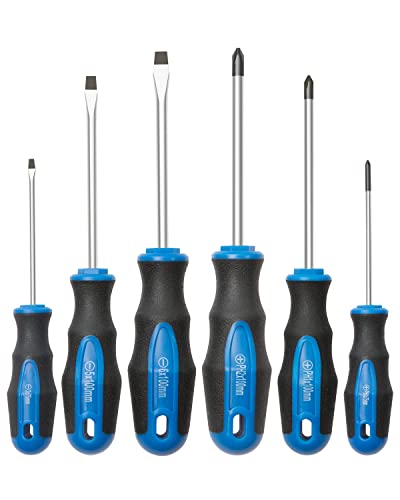
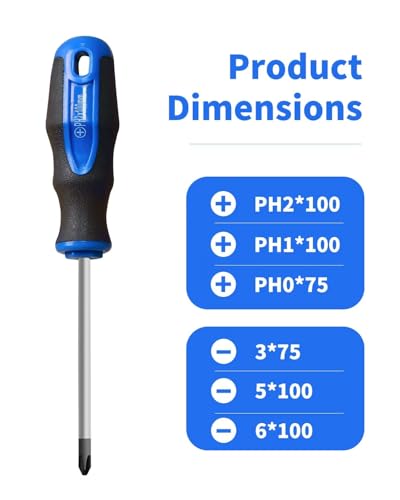
ROTATION 6PC Magnetic Tip Screwdriver Set, 3 Phillips and 3 Flat
- DURABLE SHAFTS - made of heat-treated CR-V steel for enhanced durability, rust resistant and anti-corrosion.
- MAGNETIC TIPS - attracts screws easily and tightly. Blackening treatment effectively prevents rust and reduce cam-out.
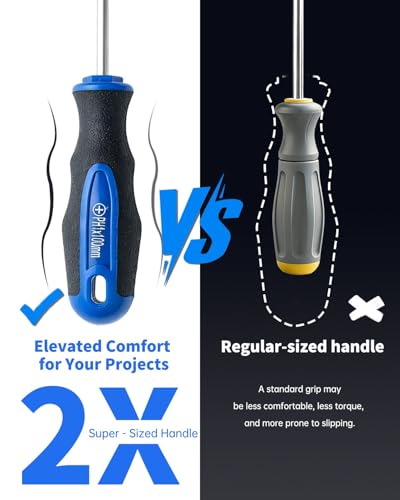
- ERGONOMIC HANDLE - non-slip and soft handle provides you a comfortable hold as well as maximum control at work. Handle slot accepts other screwdrivers for added leverage.
- WIDE USAGE - designed for a wide variety of projects and repairs in domestic appliances, furniture, automotive, factory.
- NICE PACKAGING - simply packed in a compact paper box, environmentally friendly


As an Amazon Associate we earn from qualifying purchases. Product prices and availability are accurate as of the date/time indicated.

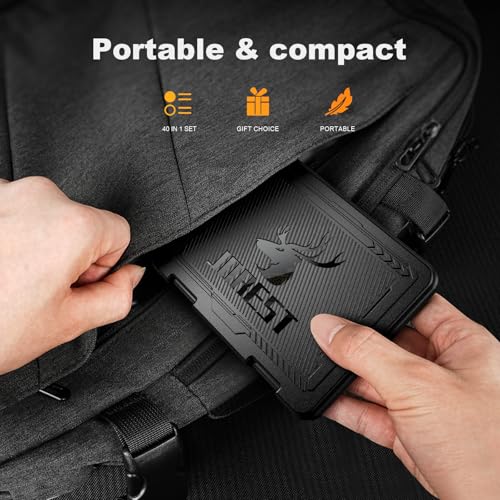
JOREST Small Precision Screwdriver Set with Torx Triwing Phillips, Mini Repair Tool Kit for Macbook, Computer, Laptop, PC, iPhone, PS5, Xbox, Switch, Glasses, Watch, Ring Doorbell, Electronics
- 【Precision screwdriver set】-- 40Pcs screwdriver set has 30 CRV screwdriver bits which are phillips PH000(+1.2) PH000(+1.5) PH00(+2.0) PH0(+3.0) PH1(+4.0), flathead -0.8 -1.2 -1.5 -2.5 -3.0, torx T1 T2 T3 T4 T5, torx security TR6 TR7 TR8 TR9 TR10 TR15 TR20, triwing Y000(Y0.6) Y00(Y1.5) Y0(Y2.5) Y1(Y3.0), pentalobe P2(0.8) P5(1.2) P6(1.5), MID 2.5, with a screwdriver handle, a double-ended spudger, a long spudger, 3 triangle spudgers, Tweezers, a cleaning brush and a suction cup with SIM card thimble.
- 【Slip-resistant rotatable handle】-- All our screwdriver bits are made of high quality CR-V chrome vanadium steel. CR-V screwdriver bits do not rust easily and are not prone to be broken. The screwdriver handle is made of TPR and PP materials, with a special non-slip design, offering a sense of comfortable. The top of the handle is rotatable design which makes it more convenient to remove the screws; the handle head and the screw head has magnetic adsorption which can quickly replace the screws.
- 【Portable gadgets】-- The triangular spudger is more suitable for opening the screen of the mobile phone.The double-ended spudger is more suitable for opening the back cover of game devices. The long spudger can pry the internal parts of the device.The suction cup can open the screen, which is more convenient to repair the mobile phone.The SIM card thimble can be used to replace the SIM card of the mobile phone. The cleaning brush can clean the dust of the device.Tweezers can grip small parts.
- 【Wide scope of application】-- +1.5/2.0 P2 Y0.6 MID2.5 are used for iPhone7/8/X/XR/11/12/13. +1.2/1.5/2.0/3.0 T2/3/4/5 P2 are used for Samsung/Huawei/Xiaomi and other phones. +1.5/2.0/3.0 T3/4/5/6/9 are used for iPad/Mini/Air/Pro. +1.2/1.5/2.0/3.0/4.0 T2/3/4/5 -2.5 are used for Huawei/Honor and other tablets. P2/5/6 +1.5/2.0/3.0/4.0 T3/4/5/6/7/8/9 Y2.5/3.0 are used for Macbook/Air/Pro. +1.5/2.0/3.0 T5 are for Kindle/Kindle Fire. T6/15 are used Ring Video Doorbell/ Video Doorbell 2/Pro/Elite.
- 【Wide scope of application】-- T8 +1.5/2.0/3.0 are used for PS3/PS4/PS5 controllers and consoles. T6/8/10 are used for Xbox 360/Xbox One/Xbox Series controllers and consoles. Y1.5/2.5/3.0 +1.5/2.0 are used for Switch/NS-Lite/Joy-Con/Wii/Game Boy Advance. T3/8 are used for Fitbit wristband/folding knife. +1.2/1.5/2.0/3.0/4.0 T3/4/5/6/7/8/9 Y2.5/3.0 -2.5 are used for Microsoft/Acer/Dell and other laptops. +1.2/1.5/2.0/3.0/4.0 -0.8/1.2/1.5/2.5/3.0 are used for Desktop Computer/Watch/Glasses/Toy.


As an Amazon Associate we earn from qualifying purchases. Product prices and availability are accurate as of the date/time indicated.
Frequently Asked Questions
Can I use a Phillips head driver on a Pozidriv screw?
Using a Phillips driver on a Pozidriv screw often works temporarily but increases damage risk. Pozidriv screws have additional grooves that Phillips drivers don’t fully engage. This causes cam-out and potential stripping. Always use the correct driver type for best results and to protect your fasteners from damage.
What’s the difference between a drill and a screwdriver?
Drills create holes with rotating bits at high speed, while screwdrivers insert fasteners with controlled rotation. Modern cordless drills function as both tools with appropriate bit selection. Drills typically operate at higher RPMs, while screwdrivers prioritize torque control. Dedicated screwdrivers offer better precision for delicate work and tight spaces.
How do I remove a stripped screw?
For stripped screws, try placing a rubber band over the screw head and pressing the driver through it for added grip. If that fails, use a screw extractor tool designed specifically for this purpose. Drill out the screw as a last resort. Apply penetrating oil beforehand and let it sit several minutes to loosen stubborn fasteners.
What size Phillips screwdriver do I need for most household items?
Size 2 Phillips head screwdrivers handle approximately eighty percent of household fastening tasks. Size 1 works for smaller electronics and delicate items. Size 3 suits larger construction and furniture assembly. Most DIYers benefit from owning both size 1 and 2 Phillips drivers for complete household coverage.
Are magnetic screwdriver tips worth the extra cost?
Magnetic tips prevent fasteners from dropping, especially valuable for overhead work or confined spaces. The extra cost is minimal, typically two to five dollars per driver. For anyone working at heights or in difficult positions, magnetic tips save time and frustration. They’re particularly useful for electrical work and ceiling installations.
Should I buy a set or individual screwdrivers?
Quality individual drivers outperform cheap sets. Sets often include sizes you’ll never use and exclude frequently needed options. Start with essential sizes and add specialty drivers based on your actual projects. This approach costs less initially and results in better tool quality for your most common tasks.
How Can You Ensure Success With Your Screwdriver Selection?
Selecting the right screwdriver involves understanding screw types, matching sizes accurately, and choosing between manual and power options. Quality matters significantly because worn or incorrect drivers damage fasteners and surrounding surfaces. Invest in ergonomic handles and durable materials that justify slightly higher prices through longevity and comfort. Build your collection gradually based on actual project needs rather than buying complete sets.
Proper technique prevents common problems like cam-out and stripped screws. Apply firm downward pressure, use appropriately sized drivers, and test fit before committing to full turns. Maintain your tools through regular cleaning and storage in dry locations. For related tool guidance, explore how to change a drill bit properly or store power tools safely in a garage.
In 2026, modern screwdrivers offer specialized designs for nearly every fastening scenario. Whether you’re assembling electronics, repairing appliances, or constructing furniture, the right driver makes the job faster, easier, and more professional. Start with essentials, invest in quality, and expand your collection thoughtfully. With proper selection and technique, screwdrivers remain indispensable tools in any workshop.
Key Takeaway: Matching the correct driver type and size to your screw prevents damage and ensures professional results.



Write Your Review
No reviews yet. Be the first to share your experience!