

What Is a Blade Soaking Solution for Carbide Teeth and Why Do You Need It?
A blade soaking solution for carbide teeth is a specialized chemical cleaner designed to remove built-up resin, pitch, and debris from saw blades without damaging the carbide cutting edges. The key takeaway: regular soaking prevents blade dulling, extends tool life by 30-50%, and maintains cutting precision. Carbide-tipped blades are expensive investments—often costing $50 to $300 per blade—making proper maintenance essential for both professionals and serious hobbyists.

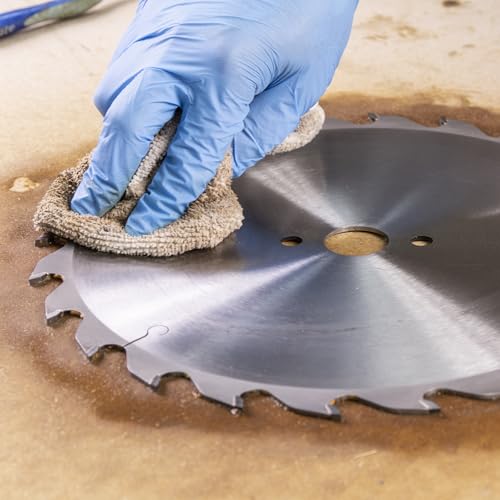
TREND Tool, Blade & Bit Cleaner, 18 fl oz, Resin, Pitch & Rust Remover, Safe Non-Toxic Formula for Workshop Tools, CLEAN/500
- POWERFUL CLEANING FORMULA: Advanced cleaner that breaks the molecular bond between resin, pitch, rust and dirt, lifting contaminants away from the surface without harsh scrubbing or the use of aggressive citrus-based solvents.
- RUST & CORROSION PROTECTION: Leaves a light protective layer on metal surfaces to help prevent future rust and corrosion, ensuring that saw blades, router bits and other cutting tools continue to perform at their best for longer.
- SAFE WORKSHOP USE: Non-toxic, non-flammable and environmentally responsible formulation provides a safer alternative to traditional cleaners, creating a clean and hazard-free workspace without strong odors or harmful vapors.
- VERSATILE TOOL CARE SOLUTION: Suitable for cleaning saw blades, planer blades, router cutters, chisels, drill bits and files, effectively restoring sharpness and performance across a wide range of woodworking and metalworking tools.
- EASY & FLEXIBLE APPLICATION: Supplied in a convenient pump-action bottle for controlled application, and compatible with dip tanks or ultrasonic cleaners for cleaning multiple tools efficiently with minimal effort and waste.




As an Amazon Associate we earn from qualifying purchases. Product prices and availability are accurate as of the date/time indicated.

When you use circular saws, reciprocating saws, or band saws on materials like treated lumber, composite materials, or adhesive-laden plywood, sticky residue accumulates on the blade teeth. This buildup reduces cutting efficiency, causes the motor to work harder, and generates excessive heat that can warp the blade or dull the carbide faster. A quality soaking solution dissolves these contaminants safely, restoring the blade’s original cutting performance without the cost and hassle of professional sharpening services.
The chemistry behind blade soaking solutions typically involves alkaline or acidic compounds that break down pitch and resin bonds. Unlike abrasive methods that remove blade material, soaking solutions work chemically to lift debris away. This approach preserves the blade’s structural integrity and carbide coating, making it the preferred maintenance method for high-performance cutting tools in 2026.
How Do Different Types of Blade Soaking Solutions Work?
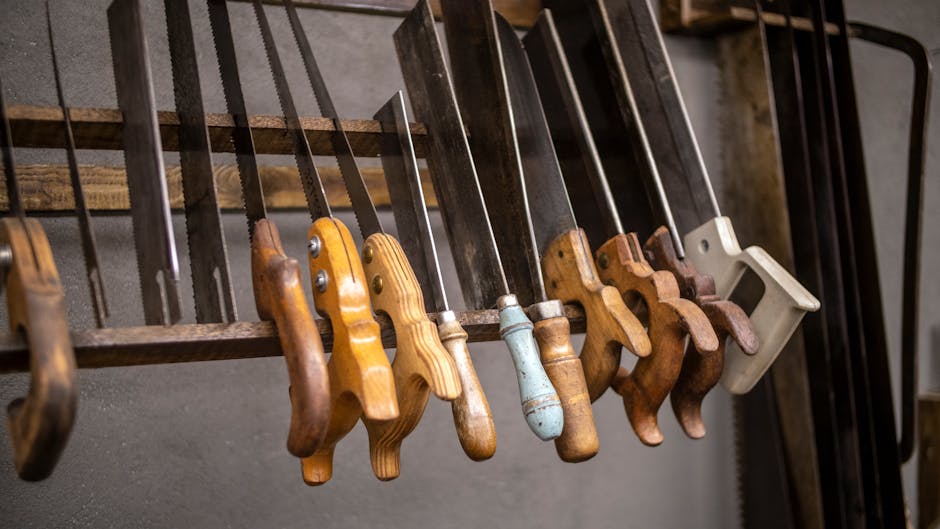
Blade soaking solutions fall into three primary categories: alkaline-based cleaners, citrus-based solutions, and specialized carbide-safe formulas. Understanding the differences helps you choose the right product for your specific blade type and the materials you cut regularly.
Alkaline-Based Cleaners
Alkaline solutions work by breaking down the chemical bonds in pitch and resin through a process called saponification. These cleaners typically contain sodium hydroxide or potassium compounds that dissolve organic residues effectively. They’re particularly effective on hardened pitch buildup from pine, fir, and treated lumber. The advantage is their aggressive cleaning power—they can remove years of accumulated debris in 30 minutes to several hours depending on concentration. However, alkaline solutions require careful handling and proper safety precautions, including gloves and eye protection. They can also be harsh on some blade coatings if left too long, so timing is critical.
Citrus-Based Solutions
Citrus-based blade soaking solutions use d-limonene, a natural compound extracted from orange peels, to dissolve resin and pitch. These solutions are safer for home users and professionals alike—they produce fewer toxic fumes and are biodegradable. Citrus solutions work more gently than alkaline cleaners, making them ideal for blades with sensitive coatings or for users concerned about environmental impact. The downside is slower cleaning action; you may need 4-8 hours of soaking for heavily contaminated blades. Many woodworkers prefer citrus solutions for regular maintenance cleaning, reserving stronger alkaline solutions for deep cleaning when necessary.
Specialized Carbide-Safe Formulas
Premium blade soaking products are specifically formulated to be safe for carbide teeth and brazing materials. These solutions balance cleaning power with material compatibility, preventing corrosion or degradation of the carbide-steel interface. Many include rust inhibitors and anti-corrosion agents that protect the blade body while cleaning. Professional-grade solutions from manufacturers like Freud and CMT often include surfactants that help lift debris without requiring excessive scrubbing, reducing the risk of accidental damage during cleaning.
Why Should You Choose Professional-Grade Blade Soaking Solutions Over Homemade Alternatives?
While some woodworkers attempt DIY solutions using household cleaners like oven cleaner, acetone, or degreaser, professional-grade blade soaking solutions offer superior safety and results. Homemade alternatives carry significant risks: they may contain compounds that corrode the blade body, damage brazing materials that hold carbide teeth, or react unpredictably with the blade’s coating.
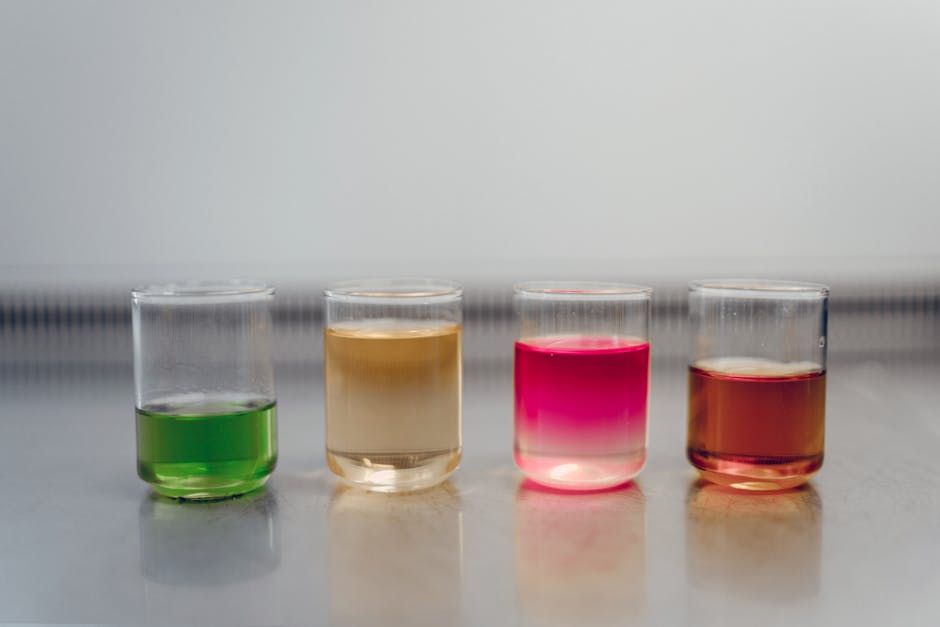
Professional solutions are pH-balanced specifically for saw blade materials, tested for compatibility with carbide, steel, and brazing compounds, and formulated to dissolve pitch without requiring aggressive scrubbing that can loosen carbide teeth. They also include rust inhibitors that protect the blade during and after soaking. The cost difference is minimal—a gallon of professional-grade solution costs $15-40 and cleans dozens of blades, making per-blade cleaning cost only 50 cents to $2.
Additionally, professional solutions from reputable manufacturers include detailed safety instructions and disposal guidelines. Many are biodegradable and safer for workshop ventilation. If you own quality blades worth $100 or more, the investment in proper cleaning solution is worthwhile insurance against accidental damage.
How Do You Properly Soak and Clean Carbide Saw Blades?
Proper blade soaking technique ensures maximum cleaning effectiveness while protecting your investment. Follow these steps for professional results:

Preparation and Safety
Before beginning, ensure your workspace is well-ventilated, especially when using alkaline solutions. Wear chemical-resistant gloves, safety glasses, and a respirator if using concentrated alkaline solutions. Read the manufacturer’s instructions for dilution ratios—most solutions require mixing with water. Never soak blades in undiluted concentrate unless specifically recommended. Place the soaking container on a stable, level surface away from children and pets. Use a dedicated plastic container for blade soaking; never use food-preparation containers.
Soaking Process
Fill your container with the diluted solution to a depth that fully submerges the blade. For heavily contaminated blades, you may need 4-24 hours of soaking time depending on solution type and buildup severity. Citrus-based solutions typically require longer soaking (6-12 hours), while alkaline solutions work faster (1-4 hours). Position the blade vertically or at an angle to prevent debris from settling back onto the teeth. Some users gently agitate the solution every few hours to accelerate cleaning, but avoid aggressive movement that might stress the blade. You can soak multiple blades simultaneously in a large container, but ensure they don’t touch—metal-to-metal contact can cause galvanic corrosion.
Rinsing and Drying
After soaking, remove the blade carefully using a wooden or plastic tool—never use bare hands on carbide teeth as they’re extremely sharp. Rinse thoroughly under running water while gently brushing away loosened debris with a soft brush. A brass brush or old toothbrush works well; avoid steel brushes that might scratch the blade body. For stubborn residue, use a wooden stick or plastic pick to dislodge debris from between teeth. Rinse again until the water runs clear. Immediately dry the blade completely with a clean cloth to prevent rust formation. For extra protection, apply a thin coat of light machine oil or blade protectant spray to the blade body, wiping away excess.
Storage
Store cleaned blades vertically in a dry location, either in the original blade case or a dedicated blade storage rack. Avoid stacking blades directly on top of each other without protection—use blade separators or cardboard between them. Maintain consistent temperature and humidity to prevent rust. Properly maintained blades stored correctly can remain sharp and ready to use for years.
What Are Common Mistakes When Using Blade Soaking Solutions?
Understanding common errors helps you avoid damaging expensive blades during cleaning:
Using Incorrect Dilution Ratios
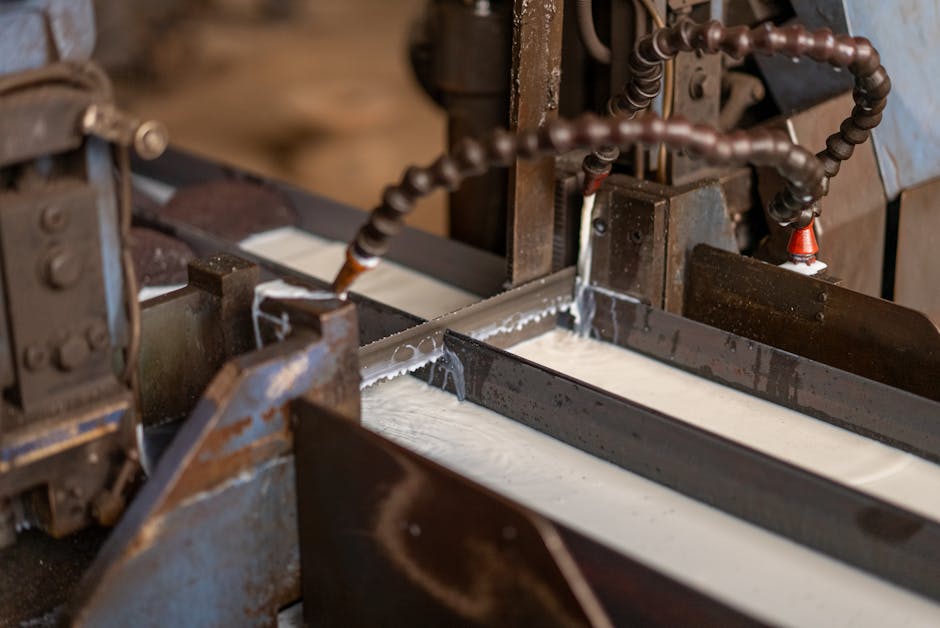
Over-concentrating the solution increases corrosion risk and may damage brazing materials. Under-diluting reduces cleaning effectiveness. Always follow manufacturer recommendations precisely. If the instructions say 1:10 ratio (solution to water), measure carefully. Using a measuring cup or kitchen scale ensures accuracy.
Soaking Too Long
Extended soaking, particularly with alkaline solutions beyond recommended time, can cause corrosion of the blade body and brazing materials. Set a timer and remove blades promptly when soaking time is complete. Most manufacturers recommend maximum soaking times of 24 hours even for heavily contaminated blades.
Aggressive Scrubbing or Scraping
Attempting to force debris off with steel brushes, wire wheels, or metal scrapers risks loosening carbide teeth from their braze joints. Let the chemical solution do the work. If debris remains after soaking and gentle brushing, extend soaking time rather than applying force. Carbide teeth are extremely hard but brittle—excessive mechanical stress can cause chipping or detachment.
Mixing Different Solutions
Never combine different blade cleaning solutions—chemical reactions can create toxic fumes or corrosive compounds. If switching solutions, rinse and dry the blade completely between treatments. Use separate containers for each solution type.
Neglecting Safety Equipment
Alkaline solutions especially can cause chemical burns on skin and severe eye damage. Always wear gloves and safety glasses. Ensure adequate ventilation to avoid inhaling fumes. Keep the soaking area away from heat sources, as some solutions may be flammable when concentrated.
How Do You Choose the Right Blade Soaking Solution for Your Specific Needs?
Selecting the appropriate solution depends on several factors: blade type, frequency of use, materials you cut, and your safety preferences.
Consider Your Blade Type
Carbide-tipped circular saw blades, band saw blades, and reciprocating saw blades all benefit from soaking solutions, but some solutions work better for specific blade types. Fine-toothed finish blades (80+ teeth) are more delicate and benefit from gentler citrus-based solutions. Coarse rip blades with fewer teeth tolerate stronger alkaline solutions better. Check your blade manufacturer’s recommendations—premium blade makers like Leitz and Festool often recommend specific cleaning products compatible with their coatings.
Evaluate Contamination Levels
If you primarily cut dry hardwoods with minimal pitch buildup, a gentle citrus solution used monthly maintains performance. If you frequently cut treated lumber, pine, or composite materials with heavy adhesive content, you need a stronger alkaline solution and more frequent cleaning—perhaps every 20-30 cutting hours. Professional contractors cutting all day might clean blades weekly with stronger solutions, while hobbyists cleaning monthly might prefer safer citrus alternatives.
Factor in Your Workshop Environment
Home workshops with limited ventilation benefit from low-odor citrus solutions. Professional shops with proper ventilation and fume extraction can handle stronger alkaline solutions. If you have respiratory sensitivities, citrus-based products are the safer choice. Environmental consciousness might lead you to biodegradable citrus solutions over synthetic alkaline cleaners.
Budget Considerations
Professional-grade solutions range from $15 to $50 per gallon. A gallon typically cleans 20-40 blades depending on contamination level, making per-blade cost $0.50-$2.50. Compare this to professional sharpening services ($10-25 per blade) or blade replacement ($50-300 per blade) to justify the investment. Buying in bulk if you maintain many blades can reduce per-blade costs further.
What Maintenance Schedule Should You Follow for Optimal Blade Performance?
Establishing a regular maintenance routine prevents blade degradation and maintains cutting quality:
Monthly Maintenance for Regular Users
If you use power saws 1-2 times weekly, clean your blades monthly. This prevents pitch from hardening and becoming difficult to remove. Monthly cleaning maintains consistent cutting performance and extends blade life significantly. Inspect blades visually for damage or excessive wear during cleaning.
After-Project Cleaning for Heavy-Use Materials
After cutting treated lumber, composite materials, or adhesive-laden plywood, clean blades within 24 hours while residue is still relatively soft. This takes just 2-4 hours of soaking time and prevents hardened buildup that requires extended soaking later. Professional contractors often establish this habit as standard practice.
Seasonal Deep Cleaning
Every 3-6 months, perform a deep cleaning using a stronger solution or extended soaking time. This removes accumulated buildup that regular monthly cleaning might miss. Seasonal deep cleaning combined with monthly maintenance keeps blades performing like new.
Professional Sharpening Intervals
Even with regular soaking, carbide blades eventually dull through normal use. Professional sharpening services can restore edge sharpness when soaking alone no longer maintains performance. Most quality carbide blades can be professionally sharpened 2-4 times before replacement becomes necessary. Proper soaking maintenance extends the interval between sharpening services, reducing long-term tool costs.
Recommended Products
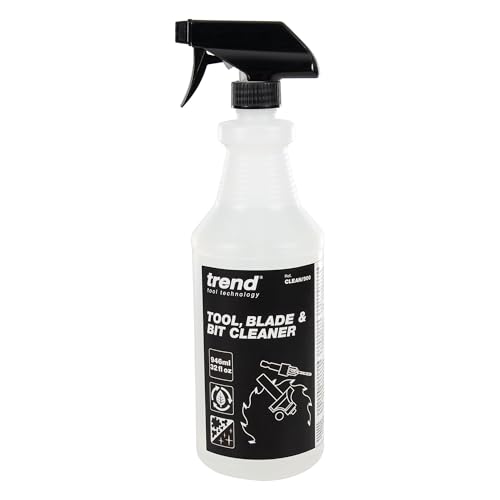
TREND Tool, Blade & Bit Cleaner, 32 fl oz, Resin, Pitch & Rust Remover, Safe Non-Toxic Formula for Workshop Tools, CLEAN/900
- POWERFUL CLEANING FORMULA: Advanced cleaner that breaks the molecular bond between resin, pitch, rust and dirt, lifting contaminants away from the surface without harsh scrubbing or the use of aggressive citrus-based solvents.
- RUST & CORROSION PROTECTION: Leaves a light protective layer on metal surfaces to help prevent future rust and corrosion, ensuring that saw blades, router bits and other cutting tools continue to perform at their best for longer.
- SAFE WORKSHOP USE: Non-toxic, non-flammable and environmentally responsible formulation provides a safer alternative to traditional cleaners, creating a clean and hazard-free workspace without strong odors or harmful vapors.
- VERSATILE TOOL CARE SOLUTION: Suitable for cleaning saw blades, planer blades, router cutters, chisels, drill bits and files, effectively restoring sharpness and performance across a wide range of woodworking and metalworking tools.
- EASY & FLEXIBLE APPLICATION: Supplied in a convenient pump-action bottle for controlled application, and compatible with dip tanks or ultrasonic cleaners for cleaning multiple tools efficiently with minimal effort and waste.


As an Amazon Associate we earn from qualifying purchases. Product prices and availability are accurate as of the date/time indicated.
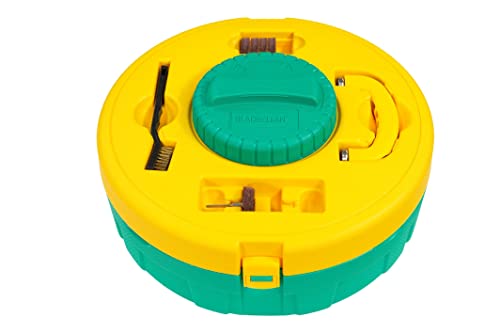
MICROJIG BLADECLEAN Saw Blade Router Bit Cleaning Kit System, Woodworking Tools Accessories, BC-81012
- FAST BLADE CLEANING SYSTEM: Clean router bits and saw blades from 7-1/4" to 12" in under a minute with this saw blade cleaning kit; Save time and improve cutting performance
- MAGNETIC HANDLE FOR SAFETY: Move and lift blades easily using the included magnetic handle; This saw blade cleaner helps reduce handling risk during cleaning routines
- SCORING PAD CLEANS IN ONE MOTION: Custom pad scrubs entire blade side at once; Eliminate tedious brushing of individual teeth for faster results
- NO HARSH SOLUTIONS NEEDED:Use your favorite household cleaner with water, and store it in the cleaning well between uses. No need to set up every time
- COMPLETE CLEANING SYSTEM: Includes (1) Blade Clean 1) 13" BladeClean Pad (1) Magnetic Handle (1) Wire Brush (1) 1/8" Mandrel for rotary tool (6) Aluminum Oxide Cleaning Discs (42mm)


As an Amazon Associate we earn from qualifying purchases. Product prices and availability are accurate as of the date/time indicated.
Frequently Asked Questions
Can You Use Oven Cleaner as a Blade Soaking Solution?
While some woodworkers use oven cleaner, it’s not recommended for carbide blades. Oven cleaners contain harsh alkaline compounds that may corrode the blade body or damage brazing materials holding carbide teeth. They lack rust inhibitors and aren’t tested for saw blade compatibility. Professional blade soaking solutions are specifically formulated for safe, effective cleaning without risk of damage.
How Long Can You Leave a Blade Soaking in Solution?
Maximum soaking time depends on solution type. Alkaline solutions: 4-24 hours maximum. Citrus solutions: up to 48 hours safely. Extended soaking beyond these limits risks corrosion of the blade body and brazing materials. Set a timer and remove blades promptly when soaking time is complete. Never leave blades soaking indefinitely.
Is It Safe to Soak Multiple Blades Together?
Yes, you can soak multiple blades simultaneously in a large container, but ensure they don’t touch each other. Metal-to-metal contact can cause galvanic corrosion, especially in alkaline solutions. Separate blades using plastic dividers or position them at angles so they don’t contact. Ensure the solution fully submerges all blades.
What Should You Do if a Carbide Tooth Becomes Loose During Soaking?
If you notice a loose carbide tooth after soaking, remove the blade immediately and allow it to dry completely. Do not attempt to re-braze it yourself. Contact a professional sharpening service—they can re-braze loose teeth or determine if the blade requires replacement. Continuing to use a blade with loose carbide teeth risks the tooth detaching during cutting, creating a safety hazard.
Can You Reuse Blade Soaking Solution Multiple Times?
Yes, solution can be reused until it becomes saturated with dissolved debris and loses effectiveness. Strain the solution through a fine mesh to remove particles. With proper storage in a sealed, opaque container away from light, a gallon of solution can clean 20-40 blades over several months. Discard when it becomes cloudy or loses cleaning effectiveness.
Are Citrus-Based Solutions Less Effective Than Alkaline Solutions?
Citrus solutions are less aggressive but still highly effective for regular maintenance cleaning. They work more slowly (6-12 hours vs. 1-4 hours) but safely remove pitch and resin without corrosion risk. For regular maintenance, citrus solutions are adequate and safer. Reserve stronger alkaline solutions for heavy buildup or deep cleaning. Most professionals use citrus solutions for routine cleaning and alkaline solutions occasionally for stubborn contamination.
Is Blade Soaking Solution Worth the Investment for Your Workshop?
Investing in a quality blade soaking solution is one of the smartest maintenance decisions you can make if you own carbide-tipped saw blades. The financial case is compelling: a single quality blade costs $50-300, and professional sharpening services run $10-25 per blade. A gallon of soaking solution costing $20-40 cleans 20-40 blades, reducing per-blade cleaning cost to just $0.50-$2.00. This pays for itself after cleaning just 10-15 blades.
Beyond economics, regular soaking maintains cutting performance, extends blade life by years, and reduces the frustration of working with dull tools. Dull blades cause motors to work harder, generate excessive heat, produce rougher cuts, and increase kickback risk—all safety concerns. Clean, sharp blades cut faster, cleaner, and safer, making your woodworking more enjoyable and productive.
For professional contractors and serious hobbyists who invest in quality tools, blade soaking solution is essential maintenance. For occasional users cutting mostly dry hardwoods, monthly cleaning with a gentle citrus solution provides excellent value. The investment is minimal, the benefits substantial, and the peace of mind knowing your tools are properly maintained priceless. In 2026, with advanced formulations available, there’s no reason to neglect this simple, effective maintenance practice that preserves your tools and improves your workshop results.


Write Your Review
No reviews yet. Be the first to share your experience!