

What Is the Difference Between Brushless and Brushed Motor Power Output?
Brushless motors deliver significantly higher power output than brushed motors of comparable size, making them the preferred choice for demanding applications in 2026. The key difference lies in their design: brushless motors use electronic controllers to switch current direction, eliminating friction from physical brushes, while brushed motors rely on carbon brushes that create resistance and heat loss. In practical terms, brushless motors convert 85-90% of electrical energy into useful work, compared to 75-80% for brushed motors. This efficiency advantage translates to 20-30% more power output from the same battery capacity. For example, a brushless drill can deliver 500+ foot-pounds of torque, while a comparable brushed model maxes out around 400 foot-pounds. The elimination of brush wear also means brushless motors maintain consistent power delivery throughout the battery’s charge cycle, whereas brushed motors gradually lose power as brushes degrade. Modern power tool manufacturers like Makita and Milwaukee have almost entirely transitioned to brushless technology for their premium lines, recognizing that users demand superior performance and longevity.

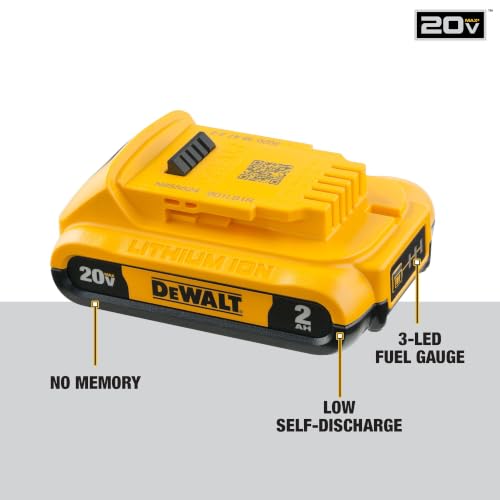
DEWALT 20V MAX Brushless Cordless Drill Driver Kit
- Brushless motor delivers more run time over brushed
- Lightweight design fits into tight areas
- Ergonomic comfort grip handle provides ideal balance and tool control
- LED light with 20-second trigger release delay provides increased visibility in dimly lit spaces
- 3 Year Limited Warranty




As an Amazon Associate we earn from qualifying purchases. Product prices and availability are accurate as of the date/time indicated.
How Do Brushless Motors Achieve Higher Power Output Than Brushed Alternatives?
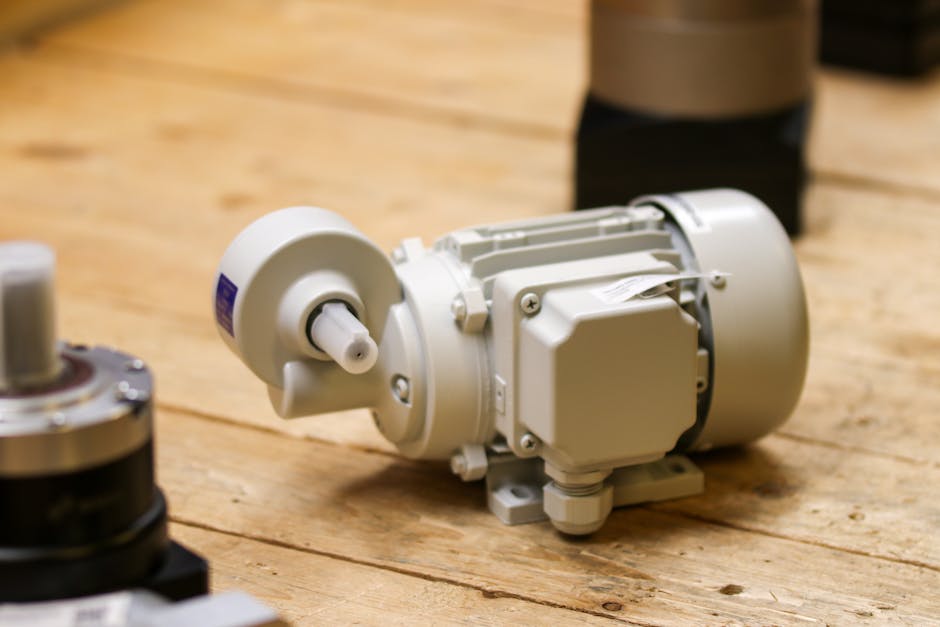
Brushless motors generate more power through several interconnected mechanical and electrical advantages. The primary factor is reduced internal friction. Brushed motors lose 15-25% of their electrical input as heat due to brush-commutator friction and arcing, which wastes energy that could otherwise drive the motor. Brushless motors eliminate this friction entirely by using solid-state electronic commutation, directing current through stationary windings rather than rotating contacts. This means virtually all input power converts to rotational force.
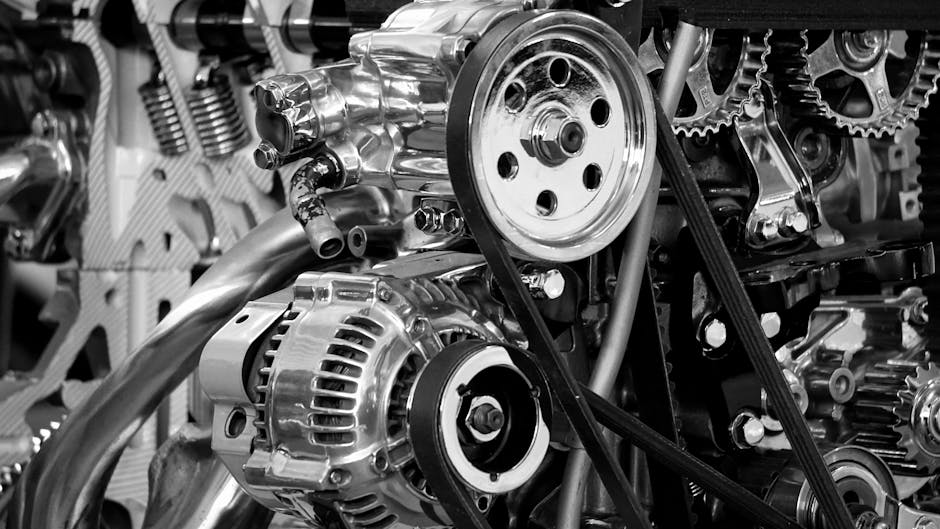
The second advantage is superior thermal management. Brushless motors run cooler because they don’t generate brush friction heat, allowing them to operate at higher sustained power levels without thermal throttling or damage. A brushless motor can maintain peak torque for extended periods, while a brushed motor’s performance degrades as internal temperatures rise. This cooling efficiency is particularly important in continuous-duty applications like concrete drilling or cutting.
The third factor is optimized electromagnetic design. Brushless motors use advanced permanent magnets and precisely timed electronic switching to create stronger magnetic fields and more efficient energy conversion. Modern brushless designs in 2026 incorporate rare-earth magnets and microprocessor-controlled commutation, enabling power outputs that would be impossible with traditional brush technology.
Battery compatibility also plays a role. Brushless motors are specifically engineered to work with lithium-ion battery systems, which provide consistent voltage delivery. This partnership allows manufacturers to extract maximum power from each battery charge cycle, something brushed motors cannot achieve as effectively.
What Are the Practical Performance Differences You’ll Experience?
The power output advantage of brushless motors translates into measurable real-world benefits. In drilling applications, brushless drills complete holes faster and with less user fatigue because they require less physical effort to maintain speed under load. A brushless impact driver delivers noticeably snappier fastening performance, driving large screws or bolts into dense materials with fewer revolutions needed.
Runtime represents another critical difference. Because brushless motors are more efficient, they extract more useful work from each amp-hour of battery capacity. A brushless drill powered by a 5Ah battery often outperforms a brushed drill with a 6Ah battery on the same job. This efficiency advantage becomes especially apparent during heavy-duty work sessions lasting several hours.
Durability differences are substantial. Brushed motors require brush replacement every 100-200 hours of use, representing an ongoing maintenance cost and downtime. Brushless motors have no brushes to replace, with bearing life typically extending 1000+ hours. For professional contractors, this means fewer tool replacements and more reliable job site performance.
Heat generation provides another practical advantage for brushless designs. Brushed motors become uncomfortably hot during sustained use, limiting how long operators can safely hold them. Brushless motors remain cool enough for continuous operation, improving comfort and reducing fatigue on all-day jobs.
How Do You Choose Between Brushless and Brushed Motors for Your Needs?
Your choice between brushless and brushed motor technology depends on your specific use case, budget, and performance requirements. For professional contractors and serious DIYers, brushless motors are the clear choice in 2026. The superior power output, efficiency, and durability justify the 20-40% price premium over brushed equivalents. If you’re building a complete tool system, investing in brushless technology ensures your tools remain competitive and reliable for years to come. The Makita vs Milwaukee Catalog Range Comparison 2026 demonstrates how both manufacturers have prioritized brushless technology across their professional-grade offerings.
For occasional homeowners doing light repairs and simple projects, brushed motors still offer acceptable performance at lower cost. A brushed drill is perfectly adequate for assembling furniture, hanging pictures, or drilling occasional holes. However, even budget-conscious buyers should consider that brushless tools have become more affordable in 2026, with entry-level brushless options now priced only 15-25% higher than brushed equivalents.
Battery compatibility is an important practical consideration. If you already own a battery system from a specific manufacturer, you should match that ecosystem. Switching ecosystems is expensive and inconvenient. Most modern battery systems are optimized for brushless motor performance anyway, so your existing investment likely supports brushless tools. The Milwaukee M18 vs DeWalt 20V Battery Life in 2026 article discusses how different battery systems interact with motor efficiency.
Consider your power requirements honestly. If you’re drilling small holes in softwood, a brushed motor will work fine. If you’re drilling through concrete, steel, or hardwood regularly, or driving large fasteners, brushless technology delivers noticeably better performance. Similarly, heavy cutting applications like circular saw work or angle grinding benefit significantly from brushless motor efficiency.
Warranty and support matter too. Manufacturers stand behind brushless technology more confidently, often offering longer warranties (3-5 years versus 1-2 years for brushed). This reflects their confidence in brushless durability and represents genuine value for your investment.
What Common Mistakes Should You Avoid When Comparing Motor Technologies?
Many buyers make critical errors when evaluating brushless versus brushed motors, leading to poor purchasing decisions. The most common mistake is comparing power specifications without understanding how manufacturers measure them differently. A brushed motor rated at 500W might actually deliver less useful work than a brushless motor rated at 400W, because the brushed rating doesn’t account for efficiency losses. Always compare actual torque and speed specifications rather than raw wattage numbers.
Another frequent error is underestimating the long-term cost of brushed motor maintenance. While brushed tools cost less upfront, the expense of replacement brushes, more frequent tool replacement, and reduced productivity during tool downtime can exceed the initial savings. Over a five-year period, a professional contractor typically spends 30-50% more on brushed tools than brushless alternatives.
Buyers often overlook thermal performance differences. Brushed motors that overheat during use may shut down automatically to prevent damage, interrupting your work. This thermal throttling doesn’t appear in specification sheets but significantly impacts real-world performance. Always read user reviews specifically mentioning heat generation and runtime consistency.
Many people assume all brushless motors perform identically, ignoring the quality variations between manufacturers. A premium brushless motor from Milwaukee or Makita delivers notably better performance than a budget brushless motor from an unknown brand. The motor controller quality, magnet specifications, and bearing design vary considerably, affecting actual power output and reliability.
Finally, buyers frequently fail to consider ecosystem compatibility. Switching battery brands mid-project is frustrating and expensive. Ensure any new tool you purchase uses batteries you already own or are willing to invest in. The Tabless Battery vs Standard Lithium in 2026 article explores how battery technology interacts with motor performance across different tool ecosystems.
How Do You Maximize Power Output From Your Brushless Motor Tools?
Getting maximum performance from brushless motor tools requires understanding how to operate them effectively and maintain them properly. Start with battery management. Brushless motors deliver peak power with fully charged batteries. A battery at 50% charge delivers noticeably less power than a fully charged battery, because voltage sag reduces the motor’s ability to accelerate. Always start important jobs with fresh batteries and rotate between multiple batteries if possible.
Proper tool technique significantly impacts effective power delivery. Hold the tool firmly with both hands to prevent binding or stalling, which reduces motor efficiency. Let the motor reach full speed before applying load—ramping up gradually rather than sudden application of force. This allows the electronic controller to optimize current delivery and prevents current spikes that trigger thermal protection systems.
Regular maintenance preserves brushless motor performance. Although brushless motors require less maintenance than brushed alternatives, they still need care. Keep air vents clear of dust to ensure proper cooling. Check that battery contacts are clean and making solid connections, because poor contact reduces voltage delivery and motor power. Inspect tool chucks and collets for wear, as loose connections waste motor power.
Match tool selection to your task. Using an oversized drill for small holes or a small impact driver for heavy fastening both reduce effective power delivery. The right tool for the job operates at its optimal power band, delivering maximum efficiency. For example, understanding the difference between a drill and an impact driver helps you select the tool that best matches your fastening needs.
Monitor motor sounds and vibration patterns. A healthy brushless motor produces a smooth, consistent whine. Grinding noises, irregular vibration, or power fluctuations indicate potential problems requiring service. Addressing issues early prevents performance degradation and extends tool life.
Consider tool settings if your model includes variable speed or power modes. High-torque, low-speed modes deliver maximum power for heavy applications, while high-speed modes work better for drilling. Understanding your tool’s capabilities and adjusting settings appropriately maximizes real-world performance.
Recommended Products
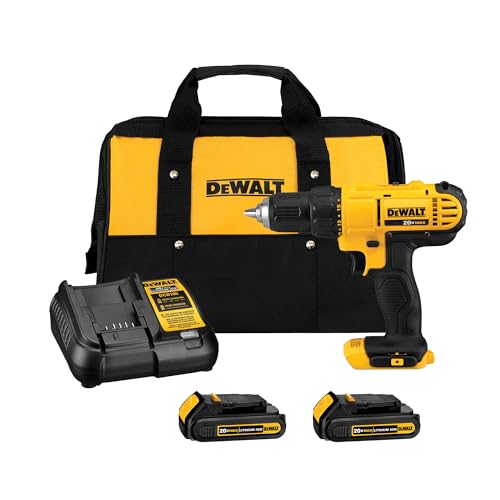
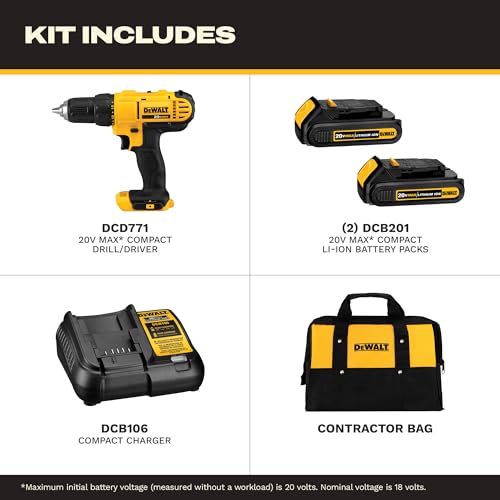
DEWALT 20V Max Cordless Drill Driver Kit with 2 Batteries & Charger
- Lightweight design fits into tight areas
- High performance motor delivers 300 unit watts out (UWO) of power ability completing a wide range of applications
- High speed transmission delivers two speeds (0-450 & 1,500 rpm) for a range of fastening and drilling applications
- 1/2' single sleeve ratcheting chuck provides tight bit gripping strength. Ergonomic handle delivers comfort and control


As an Amazon Associate we earn from qualifying purchases. Product prices and availability are accurate as of the date/time indicated.

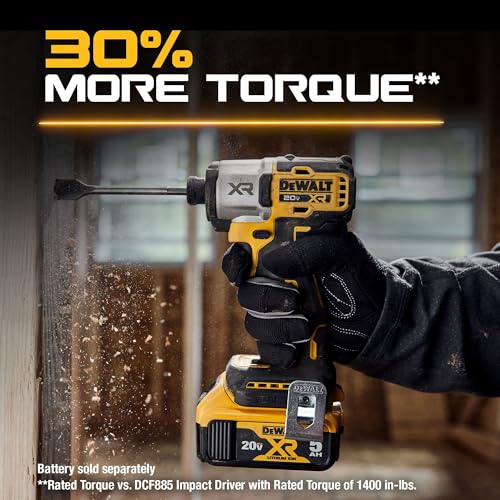
DEWALT 20V MAX XR Brushless Impact Driver - 1825 in-lbs Torque
- Brighten work areas - with an integrated 3-led work light for enhanced visibility in low-light areas
- Brushless motor on DEWALT impact driver delivers 1825 in-lbs of torque and 3400 RPM to drive large diameter screws
- Complete Tough Fastening Applications - On the jobsite with 30% more torque**
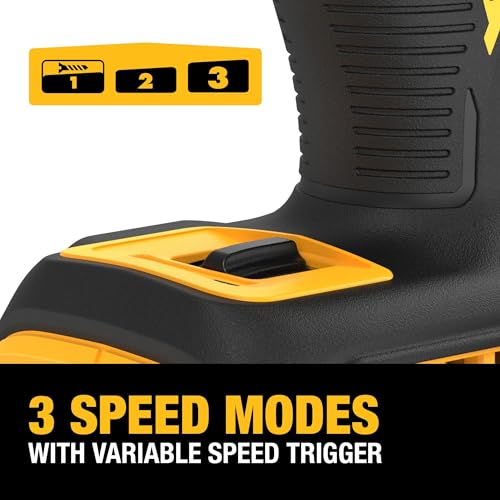
- Pro-Level Control - And precision with variable speed trigger and 3-speed setting. Includes belt hook
- 3 Year Limited Warranty





As an Amazon Associate we earn from qualifying purchases. Product prices and availability are accurate as of the date/time indicated.
Frequently Asked Questions
How much more power does a brushless motor deliver compared to brushed?
Brushless motors typically deliver 20-30% more power output than brushed motors of similar size, due to superior efficiency and reduced friction losses. This advantage increases under sustained use as brushed motors generate more heat and experience performance degradation. The exact difference varies by manufacturer and specific tool design, but brushless consistently outperforms brushed in real-world applications and testing.
Why do brushless motors cost more than brushed motors?
Brushless motors require advanced electronic controllers, precision-engineered components, and rare-earth magnets, increasing manufacturing costs by 20-40% compared to brushed designs. However, the superior efficiency, longer lifespan, and reduced maintenance needs justify the premium. Over the tool’s lifetime, brushless models typically cost less to own despite higher upfront prices, making them a better long-term investment for serious users.
Can you use brushless batteries in brushed tools?
Brushless batteries are physically compatible with brushed tools if they use the same connector system, but the combination doesn’t optimize performance. Brushed tools won’t fully utilize the advanced battery management features designed for brushless motors. For best results, match batteries to motor types within the same manufacturer’s ecosystem to ensure optimal power delivery and battery life.
Do brushless motors require special batteries?
Brushless motors work with standard lithium-ion batteries but perform best with batteries specifically engineered for brushless systems. Modern brushless-optimized batteries include advanced management circuits that deliver consistent voltage and current, maximizing motor efficiency. Most manufacturers design their batteries and brushless motors as integrated systems, so matching them ensures peak performance and longevity.
How long do brushless motors last compared to brushed?
Brushless motors typically last 5-10 times longer than brushed motors because they lack wear-prone carbon brushes. Brushless motors often operate 1000+ hours before requiring service, while brushed motors need brush replacement every 100-200 hours. For professional users running tools daily, brushless technology’s extended lifespan translates to significantly lower replacement costs over time.
Is brushless motor technology worth the extra cost in 2026?
Yes, brushless technology is worth the investment in 2026 for most users. The price premium has decreased substantially, with brushless tools now only 15-25% more expensive than brushed equivalents. Superior power output, efficiency, durability, and lower maintenance costs make brushless tools more economical over their lifetime, especially for professional contractors and serious DIYers who use tools regularly.
Is Brushless Motor Technology the Best Choice for Your Power Tools?
Brushless motor technology represents the clear performance standard for power tools in 2026, delivering superior power output, efficiency, and reliability compared to traditional brushed designs. The 20-30% power advantage, combined with dramatically improved durability and reduced maintenance requirements, makes brushless motors the logical choice for anyone serious about tool performance. While brushed motors still have a place for occasional, light-duty applications, the gap between technologies has widened significantly as manufacturers continue advancing brushless designs.
The financial case for brushless technology has become increasingly compelling. Although brushless tools cost more initially, the superior efficiency means you extract more work from each battery charge, the longer lifespan means fewer tool replacements, and the elimination of brush maintenance reduces ownership costs. For professional contractors operating tools daily, the return on investment typically occurs within the first year of ownership. Even homeowners benefit from brushless technology’s reliability and consistent performance across extended project work.
Looking forward in 2026 and beyond, brushless technology will continue dominating the power tool market as manufacturing costs decrease and performance improvements accelerate. Investing in brushless tools now ensures your equipment remains current and competitive for years to come. Whether you’re upgrading an existing tool collection or building a new system, prioritizing brushless motor technology positions you for maximum performance, reliability, and long-term value. The choice between brushless and brushed has become less about preference and more about whether you want the best performance your budget allows.



Write Your Review
No reviews yet. Be the first to share your experience!