

What Is the Difference Between a Brad Nailer and a Finish Nailer in 2026?
Quick Answer: Brad nailers fire 18-gauge nails (1.25 inches max) for delicate trim and molding with minimal visibility. Finish nailers use 16-gauge nails (2.5 inches) for heavier trim, baseboards, and crown molding. Brad nailers leave tiny holes; finish nailers create slightly larger holes but hold stronger. Choose brad nailers for fine detail work and finish nailers for structural trim requiring more holding power. Both are pneumatic or cordless, but finish nailers deliver greater force and versatility across woodworking projects.
Understanding the distinction between these two tools matters for both professionals and DIY enthusiasts. Selecting the wrong nailer wastes time, damages materials, and produces poor results. In June 2026, modern pneumatic and cordless versions of both tools offer improved ergonomics and battery technology. This guide breaks down specifications, applications, and practical considerations to help you choose correctly for your next project.
How Do Brad Nailers and Finish Nailers Differ in Nail Size and Gauge?
Nail gauge determines thickness, and gauge numbers work inversely—higher numbers mean thinner nails. Brad nailers use 18-gauge nails, which are significantly thinner than the 16-gauge nails in finish nailers. This thickness difference affects holding power, visibility, and the types of materials each tool can handle effectively.
Brad nails typically measure 1 to 1.25 inches long. Finish nails range from 1.25 to 2.5 inches in length. The longer finish nails penetrate deeper into wood, creating a stronger mechanical bond. Brad nails are designed to hold lightweight trim without splitting delicate materials. Their smaller diameter leaves nearly invisible holes that require minimal putty or filler.
- Brad nailers: 18-gauge, 1–1.25 inches long, minimal hole visibility.
- Finish nailers: 16-gauge, 1.25–2.5 inches long, stronger holding power.
- Brad nails: thinner, less likely to split thin wood or veneer.
- Finish nails: thicker, better for dense hardwoods and structural trim.
Key Takeaway: Brad nailers use thinner 18-gauge nails for delicate work; finish nailers use thicker 16-gauge nails for stronger, more permanent fastening.
Why Gauge and Length Matter for Your Project
The nail’s physical properties directly impact your finished result. Thinner brad nails bend easily when driven into hardwood or at angles. Finish nails’ greater diameter resists bending and holds better in dense materials. Length determines how deep the nail penetrates and how much wood fiber it engages for grip.
What Are the Key Application Differences Between These Nailers?
Brad nailers excel at detail-oriented, lightweight trim work where appearance matters most. Finish nailers handle heavier trim, baseboards, and structural applications where holding power is critical. Understanding where each tool performs best prevents material waste and ensures professional results.
Brad nailers work perfectly for attaching thin veneer strips, delicate crown molding on light materials, and small trim pieces. They’re ideal for furniture assembly, decorative paneling, and any project where visible fasteners would be unacceptable. The tiny holes barely require filling, saving finishing time.
- Brad nailer applications: veneer, thin trim, light crown molding, decorative paneling.
- Finish nailer applications: baseboards, heavy crown molding, door casings, hardwood trim.
- Brad nailers: best for materials under 0.75 inches thick.
- Finish nailers: suitable for materials 0.75–1.5 inches thick.
Finish nailers drive nails through thicker materials and into solid wood backing. Baseboards, door frames, and window casings all benefit from finish nailer strength. These nails hold against seasonal wood movement and daily use stress better than brad nails.
Key Takeaway: Use brad nailers for delicate trim and furniture; use finish nailers for baseboards, casings, and structural trim requiring maximum holding power.
When to Choose Each Tool for Maximum Results
Project requirements determine tool selection. If your trim is thin, delicate, or highly visible, a brad nailer prevents splitting and minimizes hole visibility. If you’re fastening heavy trim, hardwood, or pieces under stress, a finish nailer delivers the holding power you need.
How Do Power and Driving Force Compare Between These Tools?
Brad nailers operate at lower pressure settings (60–80 PSI for pneumatic models) because thin nails require less force. Finish nailers typically operate at 100–120 PSI, delivering more impact energy to drive thicker nails deeper. This power difference reflects the tools’ intended applications and material compatibility.
Lower pressure in brad nailers protects delicate materials from denting or cracking. Higher pressure in finish nailers ensures complete nail penetration in hardwoods and dense materials. Both pneumatic and cordless versions in 2026 offer adjustable pressure settings for fine-tuning performance.
- Brad nailers: 60–80 PSI operating pressure, lighter impact force.
- Finish nailers: 100–120 PSI operating pressure, stronger driving force.
- Cordless models: battery-powered, consistent power output, no air compressor needed.
- Pneumatic models: require air compressor, lighter weight, continuous operation.
Cordless brad and finish nailers have become mainstream by 2026, offering convenience and portability. Battery technology has improved significantly, allowing multiple projects per charge. Pneumatic tools remain popular in professional shops with established compressor infrastructure.
Key Takeaway: Brad nailers use lower pressure for delicate work; finish nailers use higher pressure for dense materials and deeper penetration.
What Are the Practical Considerations for Tool Selection in 2026?
Beyond specifications, cost, portability, and maintenance influence your decision. Brad nailers cost less upfront and weigh less than finish nailers. However, if your projects regularly involve heavy trim, investing in a finish nailer saves time and frustration. Consider your typical workload and budget carefully.
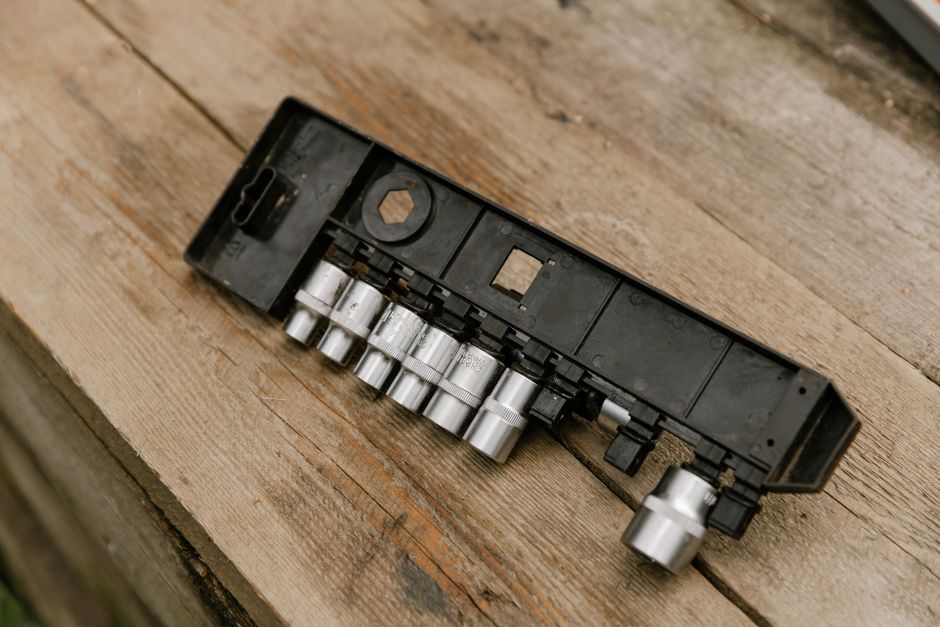
Cordless technology in 2026 has matured significantly. Battery-powered brad and finish nailers eliminate compressor dependency, making them ideal for residential work and job sites without compressed air infrastructure. Pneumatic tools remain superior for high-volume professional applications where continuous operation matters.
- Cordless tools: convenient, portable, no compressor required, moderate battery cost.
- Pneumatic tools: lighter weight, lower tool cost, require air compressor investment.
- Maintenance: cordless needs battery care; pneumatic needs compressor servicing.
- Noise: cordless quieter; pneumatic louder but often preferred in shops.
Storage and workspace constraints also matter. Cordless nailers don’t require hose management or compressor space. Pneumatic tools need compressor access but offer unlimited runtime without battery swaps. Evaluate your shop setup and typical project duration before deciding.
Key Takeaway: Choose cordless for convenience and portability; choose pneumatic for high-volume work and established shop infrastructure.
How Should You Choose the Right Nailer for Your Projects?
Start by assessing your typical projects. Document the materials you work with, trim thickness, and fastening requirements. If you primarily do delicate trim work, a brad nailer is sufficient and cost-effective. If your projects vary widely, a finish nailer’s versatility justifies the higher price.
Consider your workspace and existing tools. If you already own a compressor, pneumatic tools integrate seamlessly. If you prefer cordless convenience, modern battery-powered options rival pneumatic performance. Budget for both the tool and ongoing consumables like nails and batteries.
- Assess your primary project types: delicate trim or structural fastening.
- Evaluate material thickness: under 0.75 inches suggests brad nailer; thicker materials need finish nailer.
- Consider workspace: cordless works anywhere; pneumatic needs compressor access.
- Review budget: brad nailers cost less; finish nailers offer greater versatility.
- Test before buying: borrow tools from friends or rent to confirm your choice.
Talk to experienced woodworkers and contractors about their preferences. Many professionals own both tools because each excels at specific tasks. Starting with one tool and adding the other later is a practical approach for budget-conscious builders.
Key Takeaway: Match tool selection to your primary project types, material thickness, workspace setup, and budget constraints.
What Do You Need to Know About Maintenance and Safety?
Pneumatic nailers require regular compressor maintenance and air line care. Drain moisture from the tank weekly to prevent rust and corrosion. Cordless models need battery charging protocols and occasional firmware updates in 2026 models. Both types require proper nail loading and trigger discipline for safe operation.
Always wear safety glasses when operating nailers. Deflected nails or wood splinters can cause eye injury. Keep hands clear of the firing path and use proper grip techniques. For pneumatic tools, check hoses for leaks and damage before each use. Cordless tools should be inspected for battery damage or corrosion.
- Pneumatic: drain compressor tank weekly, inspect hoses, maintain air filters.
- Cordless: charge batteries properly, store in cool dry location, check for corrosion.
- Safety: wear eye protection, keep hands clear of firing path, use two-handed grip.
- Nails: use manufacturer-recommended fasteners, check for jamming regularly.
Key Takeaway: Regular maintenance and proper safety practices extend tool life and prevent injury.
Frequently Asked Questions
Can a Brad Nailer Be Used as a Finish Nailer?
No, brad nailers cannot reliably drive finish nails because the nails are too thick for the tool’s driving mechanism. The nailer’s magazine and firing pin are sized for 18-gauge nails specifically. Attempting to use 16-gauge nails will cause jams and damage the tool. Each tool is designed for its specific nail gauge.
What Is the Cost Difference Between Brad and Finish Nailers?
Brad nailers typically cost 30–50% less than finish nailers, ranging from 80–150 dollars for pneumatic models and 120–250 dollars for cordless versions. Finish nailers cost 150–300 dollars for pneumatic and 250–450 dollars for cordless models. Price varies by brand, power source, and features like adjustable pressure settings.
Which Nailer Is Better for Hardwood Trim?
Finish nailers are superior for hardwood trim because their thicker 16-gauge nails resist bending in dense wood. Brad nails often bend or break when driven into hardwoods without pre-drilling. For hardwood projects, a finish nailer ensures proper fastening and professional results without material damage.
Do I Really Need Both a Brad Nailer and a Finish Nailer?
Professionals typically own both because each tool excels at specific applications. Homeowners and casual woodworkers can start with a finish nailer since it handles more applications. As your projects diversify, adding a brad nailer provides precision for delicate trim work. Both tools justify their cost for serious woodworkers.
Are Cordless Nailers as Reliable as Pneumatic Models?
Yes, modern cordless nailers in 2026 match pneumatic reliability for most applications. Battery technology has improved significantly, providing consistent power and runtime. Cordless tools offer convenience without sacrificing performance, though pneumatic models still dominate high-volume professional shops where continuous operation is critical.
What Happens If I Use the Wrong Nail Gauge?
Using incorrect nail gauge causes jams, misfires, and potential tool damage. Brad nailer magazines cannot accept finish nails, and finish nailers cannot fire brad nails reliably. Always verify nail specifications match your tool’s design. Using wrong fasteners voids warranties and creates safety hazards.
How Should You Move Forward With Your Nailer Decision?
Evaluate your current and anticipated projects carefully. Document the types of trim, material thickness, and fastening requirements you encounter regularly. This assessment guides you toward the tool that delivers the best value for your specific needs. Starting with one nailer and expanding your collection later is a practical financial approach.
Visit local tool retailers or rental shops to handle both brad and finish nailers firsthand. Test the ergonomics, trigger feel, and overall comfort. Reading reviews from professional woodworkers and contractors provides real-world perspective on reliability and performance. Consider joining woodworking forums to ask experienced users about their tool preferences.
Remember that neither tool is universally “better”—each excels at its intended purpose. Brad nailers dominate delicate trim and furniture work, while finish nailers handle structural trim and heavy-duty applications. Many successful woodworkers own both, using each tool where it performs best. Your investment in the right tool pays dividends through better results, faster work, and greater project satisfaction.
Key Takeaway: Choose based on your primary project types, test tools before purchasing, and consider owning both for maximum versatility in your woodworking practice.

Write Your Review
No reviews yet. Be the first to share your experience!