

What Is the Difference Between 1/4, 3/8, and 1/2 Drive Sockets?
Drive socket sizes refer to the square opening on a socket that connects to a ratchet or wrench. The three most common sizes are 1/4 inch, 3/8 inch, and 1/2 inch. The number represents the width of the square drive opening. Larger drive sizes handle more torque and bigger fasteners. Smaller drives work best for precision tasks and tight spaces. Understanding these differences helps you select the right tool for your job and prevents damage to fasteners and equipment.

VEVOR 210 Piece Impact Socket Set, 1/4, 3/8, 1/2 Inch Drive
- Durability You Can Trust: Crafted from premium Cr-Mo alloy steel and heat-treated for extra toughness, this impact socket set handles high-impact torque without damaging. The black phosphate finish shields against water, oil, and rust
- Enhanced Repair Efficiency: The 6-point socket design increases contact area with fasteners for a stronger grip. This reduces wear, avoids rounding of corners, and ensures bolts stay locked in place—even when using high-torque impact wrenches
- Easy-to-Read Size Markings: With laser and stamped markings, this impact socket set allows you to quickly identify the right size, even in low-light environments such as car undercarriages. The stamped design resists wear for long-lasting readability
- Effortless Storage & Portability: A sturdy carrying case keeps your impact socket set neatly organized and secure. Compact enough to fit in your trunk or machinery storage compartments, just pop it open on-site and grab the exact size you need
- Comprehensive 210-Piece Set: This impact socket set includes 48 x 1/4 in drive sockets (Metric shallow & deep sockets: 4 to 15 mm, SAE shallow & deep sockets: 3/16 in to 9/16 in). 68 x 3/8 in drive sockets (Metric shallow & deep sockets: 6 to 24 mm, SAE shallow & deep sockets: 1/4 in to 1 in), 84 x 1/2 in drive sockets (Metric shallow & deep sockets: 8 to 32 mm, SAE shallow & deep sockets: 5/16 in to 1-1/4 in), multiple impact extension bars, and three impact universal joints


As an Amazon Associate we earn from qualifying purchases. Product prices and availability are accurate as of the date/time indicated.
Socket drive size determines compatibility with your ratchets and power tools. A 1/4 inch drive socket fits only a 1/4 inch drive ratchet. You cannot interchange drives without adapters. Each size serves distinct applications in automotive work, machinery repair, and general maintenance. Professionals typically own all three sizes for maximum versatility. Choosing the correct drive size improves efficiency and reduces the risk of stripped bolts or broken tools.
How Does the 1/4 Drive Socket Compare to Other Sizes?
The 1/4 inch drive socket is the smallest of the three standard sizes. It features a 1/4 inch square opening on its base. This size handles fasteners ranging from 4mm to 14mm in most applications. The 1/4 drive excels in precision work and confined spaces where larger tools cannot fit.
Key characteristics of 1/4 inch drive sockets include:
- Compact design ideal for tight engine compartments and small fasteners.
- Maximum torque capacity typically ranges from 25 to 50 foot-pounds.
- Lightweight and easy to control for detailed mechanical work.
- Wide variety of specialty sockets available for delicate applications.
- Lower cost compared to larger drive sizes.
Best Applications for 1/4 Drive Sockets
The 1/4 drive shines in electronics repair, small appliance maintenance, and jewelry work. Automotive technicians use it for interior trim removal and small engine fasteners. Model builders and hobbyists prefer this size for its precision and control. It works exceptionally well with hand ratchets in confined spaces where power tools cannot reach.
Key Takeaway: The 1/4 drive socket is perfect for precision work and small fasteners in tight spaces.
What Makes the 3/8 Drive Socket the Versatile Middle Ground?
The 3/8 inch drive socket represents the sweet spot for most general-purpose work. It accommodates fasteners from 6mm to 19mm in typical applications. This size balances power and precision better than the other two options. Professional mechanics use 3/8 drives for approximately 60 percent of their fastening tasks.
The 3/8 drive offers these practical advantages:
- Maximum torque capacity ranges from 40 to 100 foot-pounds depending on material.
- Fits most automotive repair jobs including wheels, suspension, and engine work.
- Excellent compatibility with cordless impact drivers and pneumatic tools.
- Wide socket selection with specialty options for specific fastener types.
- Moderate cost makes it accessible for home and professional use.
Common Uses for 3/8 Drive Sockets
Home mechanics rely on 3/8 drives for general car maintenance and repairs. Plumbers and electricians use them for fixture installation and equipment assembly. Woodworkers employ this size for hardware installation on furniture and cabinetry. The 3/8 drive dominates in HVAC maintenance and appliance repair work.
This size works well with both hand tools and power equipment. It provides enough force for stubborn fasteners without excessive bulk. The 3/8 drive is often the first socket set purchase for new tool owners because of its versatility and broad application range.
Key Takeaway: The 3/8 drive socket handles most general-purpose fastening tasks with excellent balance.
How Does the 1/2 Drive Socket Handle Heavy-Duty Applications?
The 1/2 inch drive socket is the largest of the three standard sizes. It features a 1/2 inch square opening and handles fasteners from 10mm to 32mm. This drive size is built for maximum power and heavy-duty industrial applications. Automotive technicians use 1/2 drives primarily for wheel removal and engine work.
The 1/2 drive provides these heavy-duty capabilities:
- Maximum torque capacity exceeds 250 foot-pounds in quality sockets.
- Designed for impact wrenches and high-torque pneumatic tools.
- Handles the largest fasteners in automotive and industrial settings.
- Durable construction withstands repeated high-force applications.
- Essential for transmission work, differential service, and frame repairs.
Professional and Industrial Applications
Heavy equipment technicians depend on 1/2 drives for machinery assembly and disassembly. Truck mechanics use this size exclusively for major fastener work. Industrial maintenance teams employ 1/2 drives in manufacturing facilities and construction. The 1/2 drive is standard in professional shop environments where power and reliability matter most.
This size requires a ratchet or wrench with adequate leverage and strength. Hand ratchets work but are tiring for extended use. Most professionals pair 1/2 drives with pneumatic or cordless impact tools. The investment in quality 1/2 drive sockets pays dividends through durability and consistent performance.
Key Takeaway: The 1/2 drive socket delivers maximum torque for heavy-duty fastening and industrial work.
What Are the Key Specifications and Torque Differences?
Understanding torque ratings helps you avoid over-tightening and breaking fasteners. Each drive size has maximum safe torque limits based on material and construction quality. Exceeding these limits damages sockets and fasteners. The following comparison shows typical torque capacities for standard steel sockets:
- 1/4 Drive: 25-50 foot-pounds maximum torque capacity.
- 3/8 Drive: 40-100 foot-pounds maximum torque capacity.
- 1/2 Drive: 100-250+ foot-pounds maximum torque capacity.
Socket Material and Quality Impact
Chrome-vanadium steel offers excellent durability for most applications. Impact-rated sockets use thicker walls and stronger alloys. Premium sockets from established manufacturers exceed basic torque ratings. Budget sockets may fail at lower torque levels than specifications claim.
Material thickness increases with drive size. A 1/2 drive socket weighs significantly more than a 1/4 drive socket of similar fastener size. This extra weight provides strength for high-torque applications. Investing in quality sockets prevents frustration and safety hazards during critical work.
Key Takeaway: Torque capacity increases dramatically from 1/4 to 1/2 drive sizes, with quality materials ensuring reliable performance.
How Should You Choose the Right Drive Size for Your Needs?
Selecting the correct drive size depends on your primary work type and fastener range. Consider the tools you already own and plan to purchase. Budget constraints may influence whether you buy all three sizes immediately. Most professionals eventually own complete sets of all three drive sizes for maximum flexibility.
Follow these practical guidelines when choosing drive sizes:
- Select 1/4 drive for precision work, small fasteners, and confined spaces.
- Choose 3/8 drive as your primary set for general-purpose automotive and home maintenance.
- Invest in 1/2 drive for heavy-duty work, impact tools, and industrial applications.
- Start with 3/8 drive if budgeting limits you to one size initially.
- Buy complete socket sets rather than individual sockets for better value.
- Consider your most frequent projects when prioritizing purchases.
Building a Complete Socket Collection
Professional mechanics recommend owning all three drive sizes for complete capability. Start with a quality 3/8 drive set including standard and deep sockets. Add a 1/4 drive set for detail work and tight spaces. Finally, invest in 1/2 drive sockets for heavy-duty applications as your budget allows.
Metric and SAE (standard) socket sets are equally important. Many projects require both measurement systems. Quality socket organizers keep tools organized and accessible. Proper storage extends socket life and prevents loss or damage.
Key Takeaway: Build your socket collection strategically, starting with 3/8 drive and adding 1/4 and 1/2 sizes based on your actual needs.
What Are Common Mistakes When Using Different Drive Sockets?
Many users make critical errors that damage tools and fasteners. Using the wrong drive size for a fastener strips the bolt and breaks the socket. Exceeding torque limits causes permanent socket deformation. Mixing drive sizes with adapters creates safety hazards and unstable connections.
Avoid these common socket mistakes:
- Never force a socket onto a fastener if it doesn’t fit perfectly.
- Avoid using adapters to connect incompatible drive sizes.
- Do not exceed the maximum torque rating for your socket size.
- Never use a socket with cracks, chips, or visible damage.
- Refrain from using hand ratchets on impact-rated fasteners.
- Do not store sockets in damp environments where rust develops.
Proper Socket Care and Maintenance
Clean sockets after each use to prevent corrosion and rust. Store them in a dry location away from moisture and salt air. Organize sockets by size and type for quick access during projects. Inspect sockets regularly for damage before use. Replace damaged sockets immediately to prevent accidents.
Key Takeaway: Proper socket selection, use, and maintenance prevent damage to tools and fasteners while ensuring safety.
How Do Socket Drives Compare to Other Fastening Tools?
Socket drives offer advantages over open-end wrenches and adjustable tools. They grip fasteners more securely and reduce the risk of slipping. Sockets accommodate a wider range of fastener sizes within each drive category. The square drive design allows quick connection to ratchets and power tools. For more information on related tools, check our guide on the difference between Phillips and Torx screwdrivers.
Socket advantages include:
- Superior grip prevents fastener damage and slipping during use.
- Quick-change design speeds up work compared to wrench selection.
- Wide variety of specialty sockets for unique fastener types.
- Compatible with hand tools, pneumatic tools, and cordless impact drivers.
- Better leverage and control than adjustable wrenches.
For automotive professionals, understanding socket drives pairs well with knowledge of impact drivers versus impact wrenches for automotive work. Each tool serves specific purposes in a complete toolkit.
Key Takeaway: Socket drives outperform traditional wrenches through superior grip, compatibility, and versatility.
Recommended Products

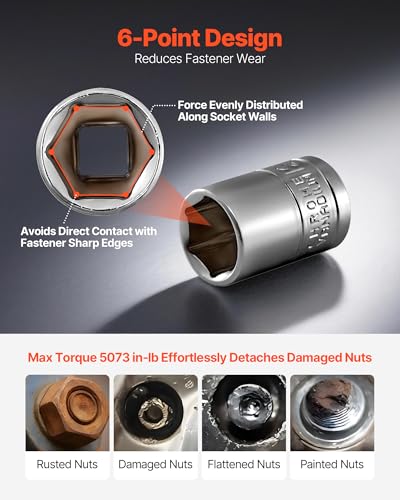
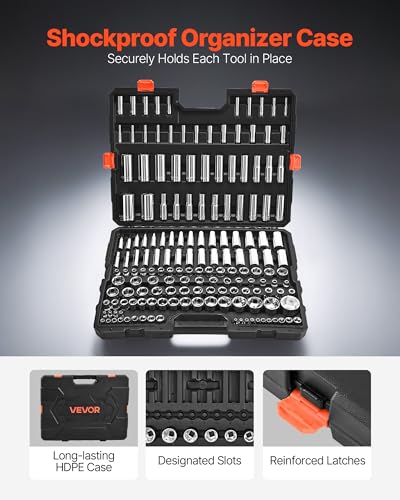
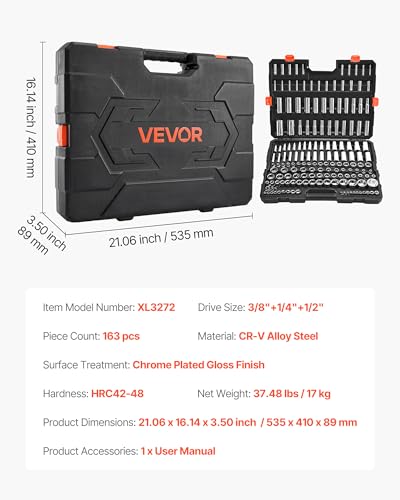
VEVOR Socket Set, 163 Pieces, 3/8 & 1/4 & 1/2 inch Drive Socket Tool Set, SAE and Metric, Deep and Standard, Mechanic Tool Kit with Storage Case, Chrome Plated CR-V Alloy Steel, for Automotive Repair
- Built to Last: Forged from high-strength CR-V alloy steel and heat-treated to HRC42-48, this socket set provides superior impact resistance and long-lasting durability. The chrome-plated finish withstands rust and ensures long-lasting use
- High Torque Design: Designed with a 6-point configuration, this 3/8 & 1/4 & 1/2 in socket set evenly distributes pressure on fasteners to minimize wear. Its high-torque capability delivers up to 5073 IN-LB, easily handling rusted or tightly secured bolts
- Easy-to-Read Sizes: Size markings on the socket tool set are precision-rolled for clear, raised engraving, allowing quick and accurate identification by sight or touch—even in low light or greasy conditions—greatly improving work efficiency
- Convenient Storage Case: Our metric socket set comes with a durable, drop-resistant case with custom shockproof slots to keep tools secure. The reinforced latch design ensures secure storage, keeping tools organized and easy to access
- Versatile Applications: This mechanic tool set is highly versatile, ideal for automotive repair, bike assembly, plumbing, woodworking, and DIY projects, easily handling daily maintenance, home tasks, and professional jobs





As an Amazon Associate we earn from qualifying purchases. Product prices and availability are accurate as of the date/time indicated.

CRAFTSMAN 230-Piece Mechanics Tool Set with VERSASTACK Box
- Low profile ratchet: up to 25% thinner head* for access in tight spaces. 72-tooth ratchet: delivers 5 degree arc swing
- All in one mechanics set: contains a full assortment of sockets, ratchets, metric wrench set and SAE, deep socket set, specialty bits for automotive enthusiasts and mechanics, packed in a durable 3-drawer tool kit for car
- Full Lifetime Warranty
- Includes: (91) Sockets (3) Ratchets (21) Wrenches (44) Hex Keys (66) Specialty Bits (5) Accessories
- One handed locking dial: spring loaded dial enables users to open and close drawers with one hand and lock drawers when not in use. Drawers can be nested on top of the tool box for easy access and temporary storage. VERSASTACK compatible: this flexible storage system allows for custom combination based on user needs


As an Amazon Associate we earn from qualifying purchases. Product prices and availability are accurate as of the date/time indicated.
Frequently Asked Questions
Can You Use an Adapter to Connect Different Drive Sizes?
Adapters exist but create safety and stability issues. A 3/8 to 1/2 adapter allows connection but reduces control and increases risk of slipping. The joint becomes a weak point under high torque. Professional mechanics avoid adapters and use the correct drive size instead. Quality work demands proper tool matching.
Which Drive Size Should a Beginner Start With?
The 3/8 inch drive is ideal for beginners because it handles most household and automotive tasks. It balances power and precision without excessive bulk. A basic 3/8 drive set costs less than larger sizes. Adding 1/4 and 1/2 drives later expands capability as skills develop and projects demand it.
Are Impact-Rated Sockets Different from Standard Sockets?
Yes, impact-rated sockets use thicker walls and stronger alloys designed for impact wrenches. Standard sockets can crack or shatter under impact tool force. Always verify socket rating before using with pneumatic or cordless impact tools. The investment in proper impact sockets prevents injuries and tool damage.
What Fastener Sizes Does Each Drive Handle?
The 1/4 drive typically handles 4mm to 14mm fasteners. The 3/8 drive manages 6mm to 19mm sizes. The 1/2 drive accommodates 10mm to 32mm fasteners and larger. Specific ranges vary by manufacturer and socket style. Consult socket packaging or manufacturer specifications for exact sizing.
How Do I Know If My Socket Is Damaged?
Inspect sockets for visible cracks, chips, or deformation before each use. Damaged sockets fail suddenly under load, risking injury. Rust and corrosion weaken socket integrity over time. Replace any questionable socket immediately rather than risk failure during critical work. Quality sockets are inexpensive insurance against accidents.
Can You Mix Metric and SAE Sockets on the Same Ratchet?
Yes, metric and SAE sockets use identical drive openings and interchange freely on the same ratchet. However, metric and SAE fasteners are not interchangeable. Using a metric socket on an SAE fastener strips the bolt. Always match socket size to fastener type. Organize sockets separately to prevent confusion during projects.
What Is the Best Way to Organize and Store Your Socket Collection?
Proper organization saves time and prevents socket loss during projects. Dedicated socket organizers keep tools visible and accessible. Separate drives into individual storage containers or wall-mounted racks. Label containers clearly to identify sizes at a glance. Maintain organization by returning sockets immediately after use.
Storage best practices include:
- Use plastic socket rails or magnetic trays for organized display.
- Store sockets in a climate-controlled location away from moisture.
- Keep metric and SAE sockets in separate containers to prevent mixing.
- Arrange sockets by size within each drive category for quick selection.
- Maintain an inventory of your collection to identify missing pieces.
Key Takeaway: Organized socket storage improves efficiency and protects your investment in quality tools.
What Should You Know About Socket Quality and Brands in 2026?
Socket quality varies significantly between manufacturers. Premium brands offer superior durability and accuracy. Budget sockets work adequately for occasional home use but fail under professional demands. Established tool manufacturers like Snap-on, Craftsman, and DeWalt maintain consistent quality standards. Investing in reputable brands prevents frustration and safety issues.
Quality indicators for socket selection:
- Chrome-vanadium steel construction ensures durability and corrosion resistance.
- Precise sizing prevents fastener damage and rounding.
- Polished finish reduces friction and improves ease of use.
- Lifetime warranties indicate manufacturer confidence in product quality.
- Professional endorsements from mechanics validate reliability.
For additional tool comparisons, explore our articles on DeWalt versus Milwaukee cordless tools and Bosch versus Makita ergonomic handle design. These resources help you build a comprehensive toolkit with quality equipment.
Key Takeaway: Invest in quality socket brands that offer durability, accuracy, and reliable performance for years of use.
How Do You Choose Between Socket Types Within Each Drive Size?
Beyond drive size, sockets come in multiple styles serving different purposes. Standard sockets fit most fasteners and work for general applications. Deep sockets extend further down longer fasteners. Shallow sockets work in tight spaces where depth is limited. Specialty sockets accommodate Phillips heads, hex fasteners, and unique designs.
Common socket types include:
- Standard Sockets: General-purpose tools for most fastening tasks.
- Deep Sockets: Extra length for fasteners recessed in components.
- Shallow Sockets: Compact design for confined spaces and tight clearances.
- Universal Sockets: Flexible design accommodates multiple fastener shapes.
- Impact Sockets: Reinforced construction for pneumatic and cordless impact tools.
Selecting the Right Socket Style for Your Project
Analyze your specific fastening requirements before purchasing sockets. Measure fastener depth to determine if standard or deep sockets work best. Consider the space available around fasteners to ensure socket clearance. Professional shops maintain multiple socket styles within each drive size. This versatility ensures you have the right tool for any fastening challenge.
Key Takeaway: Select socket types based on fastener design and available space to ensure proper fit and successful completion.
What Is the Conclusion About Socket Drive Differences?
Understanding the differences between 1/4, 3/8, and 1/2 inch drive sockets is essential for any mechanic or home tool owner. The 1/4 drive excels in precision work and tight spaces. The 3/8 drive provides the best balance for general-purpose applications. The 1/2 drive delivers maximum power for heavy-duty industrial work. Each size serves distinct purposes and complements the others in a complete toolkit.
Building a comprehensive socket collection takes time and investment but pays dividends through improved efficiency and safety. Start with a quality 3/8 drive set and expand based on your actual project needs. Proper socket selection, maintenance, and storage ensure reliable performance for years. Whether you’re a professional mechanic or weekend hobbyist, having all three drive sizes available makes every fastening task faster and easier. Choose quality brands, organize your collection thoughtfully, and always match socket size to fastener requirements for best results.
Key Takeaway: Owning and properly using 1/4, 3/8, and 1/2 drive sockets makes you equipped for virtually any fastening task.


Write Your Review
No reviews yet. Be the first to share your experience!