

What Is the Difference Between Phillips and Torx Screwdrivers?
Quick Answer: Phillips screwdrivers feature an X-shaped head that grips screws with four contact points, while Torx screwdrivers have a six-pointed star design for superior grip and reduced cam-out. Phillips drivers are universal and inexpensive, making them ideal for general household tasks. Torx drivers provide better torque transfer and are increasingly used in electronics, automotive work, and precision applications. The choice depends on your project type, screw availability, and desired durability. In 2026, both remain essential tools for any toolkit, though Torx is gaining popularity in modern manufacturing.

SWANLAKE Magnetic Torx Screwdriver Set - 13 Pieces - T5 to T40 Star Screwdrivers
- PREMIUM DURABILITY - Forged from heat-treated chrome vanadium steel, these Torx screwdrivers deliver designed for durability and reliable torque performance for long-lasting performance in professional maintenance and assembly tasks
- MAGNETIC TIP DESIGN - Each precision-crafted blade features magnetic tips that securely hold screws, preventing dropped fasteners and enabling efficient work in tight spaces and awkward angles
- ERGONOMIC COMFORT - The cushion grip handles with TPR material and integrated button provide superior control and comfort, reducing hand fatigue during extended repair sessions on equipment and appliances
- COMPLETE SIZE RANGE - This 13-piece set covers T5 to T40 Torx sizes, including a magnetic retriever, providing full compatibility for electronics repair, furniture assembly, and automotive maintenance
- VERSATILE APPLICATIONS - Perfect for mechanical equipment, household appliances, and general DIY projects, making this screwdriver set essential for technicians, hobbyists, and homeowners alike


As an Amazon Associate we earn from qualifying purchases. Product prices and availability are accurate as of the date/time indicated.
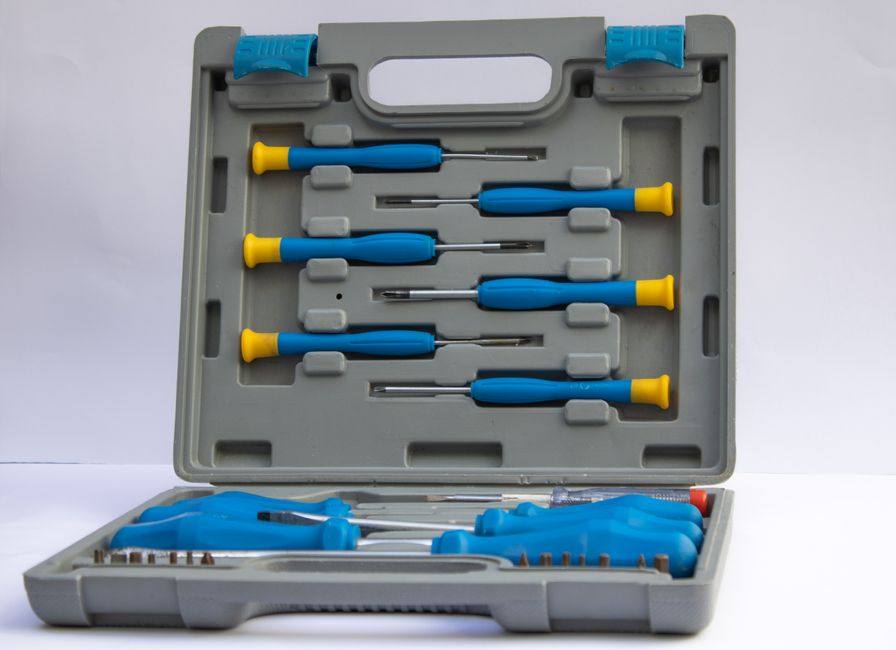
Screwdriver selection matters more than most people realize. Using the wrong driver damages both the tool and the screw head, wasting time and frustration. Phillips and Torx represent two of the most common fastening standards in modern construction, manufacturing, and home repair. Understanding their differences helps you work more efficiently and protect your investments in quality tools and materials.
How Do Phillips and Torx Head Designs Differ?
Phillips screws feature a cross-shaped indentation with four shallow contact points. The design was patented in 1932 and became the standard for decades. The X-shaped pattern creates a simple, recognizable profile that’s easy to manufacture at scale. However, this design has inherent limitations in grip strength and torque transfer.
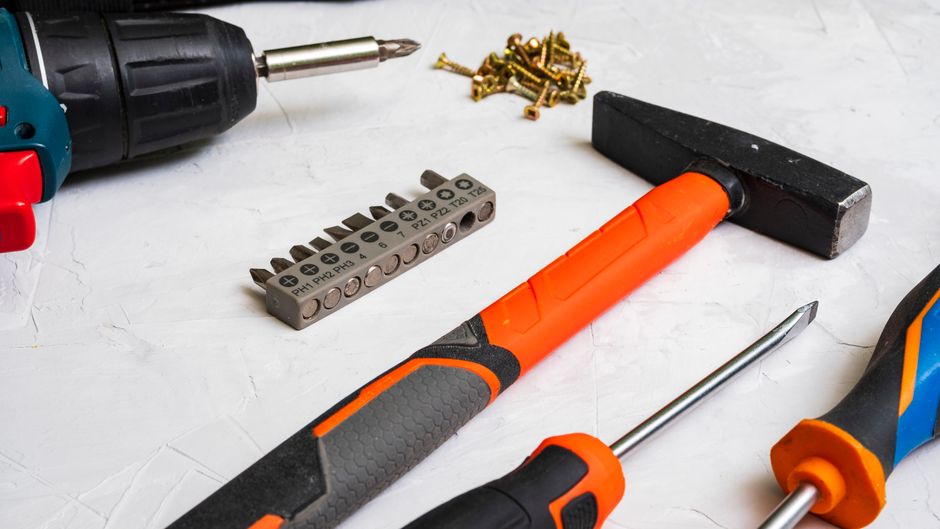
Torx screws display a six-pointed star pattern, also called a hexalobular drive. Introduced in the 1960s, Torx design was engineered to address Phillips’ shortcomings. The six contact points distribute force more evenly across the screw head. This geometry reduces slippage and provides superior holding power during installation and removal.
Key Design Differences
- Phillips: Four-point X-shaped design with shallow engagement depth.
- Torx: Six-point star pattern with deeper, more secure contact.
- Phillips: Symmetrical cross reduces manufacturing complexity and cost.
- Torx: Complex star geometry requires precision tooling and higher production standards.
- Phillips: Prone to cam-out (slipping out under pressure).
- Torx: Minimal cam-out risk due to superior geometry.
Key Takeaway: Torx’s six-point star design provides significantly better grip and torque control than Phillips’ four-point cross pattern.
When Should You Use Phillips Screwdrivers?
Phillips screwdrivers remain the go-to choice for general household and light commercial work. They’re ubiquitous in drywall installation, furniture assembly, and basic home repairs. Most homeowners already own Phillips drivers in various sizes, making them convenient for quick projects. Their affordability means replacing worn drivers is inexpensive.
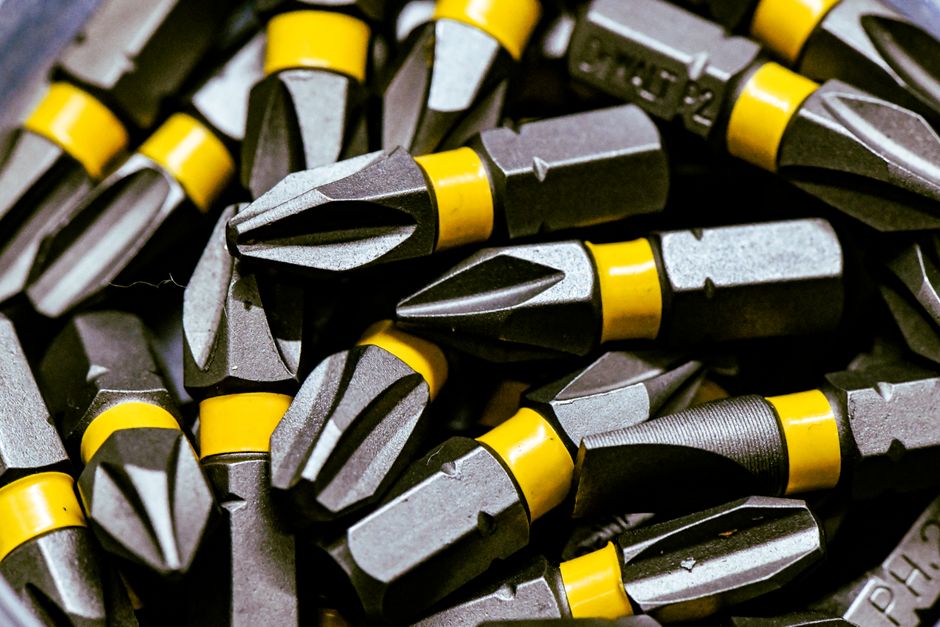
Phillips screws dominate older construction and legacy equipment manufactured before the 1990s. If you’re working on vintage appliances, antique furniture, or standard residential framing, Phillips is almost certainly your driver type. The universal availability of Phillips screws in hardware stores worldwide makes them practical for emergency repairs and unexpected fastening needs.
Best Applications for Phillips Drivers
- General household repairs and maintenance tasks.
- Drywall installation and basic construction work.
- Furniture assembly and light woodworking projects.
- Older appliances and vintage equipment manufactured before 2000.
- Budget-conscious projects where tool cost matters.
- Quick repairs when Torx drivers aren’t immediately available.
Phillips drivers work adequately for low-torque applications where cam-out won’t cause problems. Interior trim work, light fastening, and non-critical installations tolerate Phillips’ limitations. However, demanding applications require upgrading to Torx for reliability and durability.
Key Takeaway: Phillips screwdrivers excel in general household work and legacy equipment but lack the precision for high-torque applications.
When Should You Use Torx Screwdrivers?
Torx drivers are the industry standard in modern electronics, automotive manufacturing, and precision engineering. Computer manufacturers, smartphone designers, and appliance makers predominantly use Torx fasteners. The superior grip reduces assembly errors and improves product reliability. In 2026, Torx adoption continues expanding across consumer electronics and professional equipment.
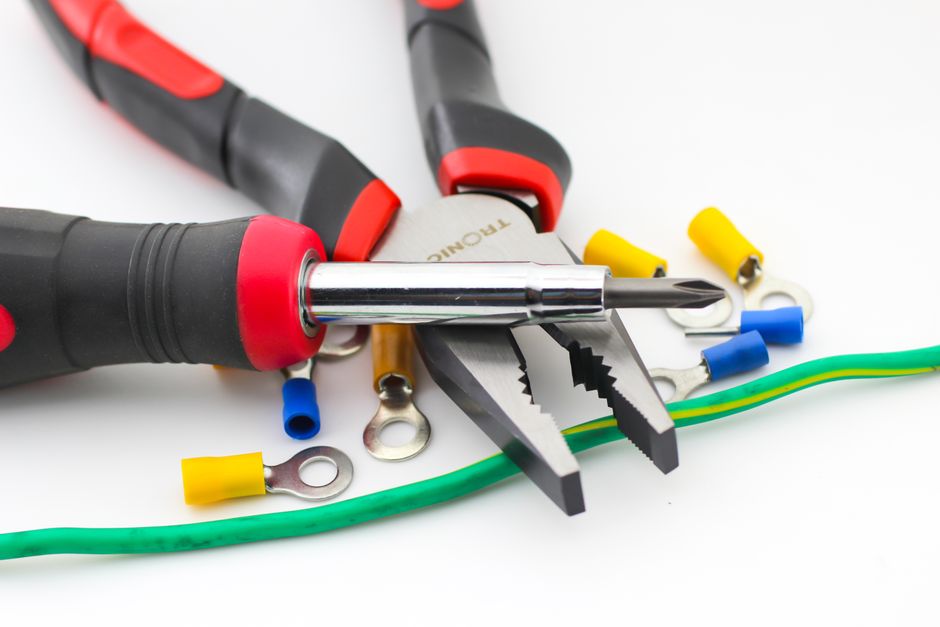
Automotive technicians rely heavily on Torx drivers for engine work, brake systems, and suspension repairs. The high-torque demands of automotive fastening make Phillips’ cam-out risk unacceptable. Torx drivers prevent stripped screw heads and damaged components during critical mechanical work. Professional mechanics consider Torx essential for warranty-compliant repairs.
Professional and Technical Applications
- Electronics repair and computer assembly work.
- Automotive engine and suspension maintenance.
- Medical device assembly and precision manufacturing.
- Aerospace and high-reliability applications.
- Modern appliance repair and troubleshooting.
- High-torque fastening where reliability is critical.
Torx drivers minimize damage to expensive components and reduce rework costs. A stripped screw head in a laptop motherboard or vehicle engine block creates expensive problems. Investing in quality Torx drivers prevents these costly mistakes. Professional technicians and serious hobbyists consider Torx drivers non-negotiable for quality work.
Key Takeaway: Torx drivers dominate modern electronics, automotive work, and high-precision applications where reliability and damage prevention matter most.
What Are the Advantages and Disadvantages of Each Type?
Phillips Advantages and Disadvantages
Phillips drivers offer universal availability and low cost, making them accessible to everyone. They’re lightweight, simple to manufacture, and compatible with billions of existing fasteners worldwide. Most tool kits include Phillips drivers in multiple sizes. This ubiquity makes Phillips practical for general consumers and occasional users.
- Advantages: Inexpensive, universally available, simple design, lightweight.
- Disadvantages: Prone to cam-out, limited torque capacity, damages screw heads easily.
- Durability: Adequate for light use; wears quickly under high torque.
- Cost: Typically $1–5 per driver, making replacement affordable.
Phillips’ primary weakness is cam-out—the driver slips out of the screw head under pressure. This causes stripped heads, damaged drivers, and wasted time. The shallow four-point contact limits torque transfer, making Phillips unsuitable for demanding applications. Users frequently experience frustration when Phillips drivers fail mid-project.
Torx Advantages and Disadvantages
Torx drivers provide superior grip, better torque transfer, and minimal cam-out risk. The six-point star design distributes force evenly, protecting both driver and screw. Torx drivers last longer under heavy use and maintain their shape better than Phillips. Professional-grade Torx drivers represent a long-term investment in tool quality.
- Advantages: Excellent grip, high torque capacity, minimal cam-out, superior durability.
- Disadvantages: Higher cost, less universal availability, requires specific screw types.
- Durability: Excellent longevity; maintains integrity under extreme torque.
- Cost: Typically $5–15 per driver; professional sets cost $30–60.
Torx drivers cost more initially but deliver better value through durability and reliability. The precision-engineered star pattern requires quality manufacturing, increasing production costs. However, reduced damage to expensive components justifies the investment for serious users. Professional technicians and manufacturing facilities consistently choose Torx for critical applications.
Key Takeaway: Phillips offers affordability and universal availability; Torx provides superior performance and durability for demanding work.
How Do You Choose the Right Screwdriver for Your Project?
Selecting the correct screwdriver requires assessing your project type, fastener availability, and quality requirements. Examine the screw head closely—if it has an X-shaped slot, use Phillips; if it features a star pattern, use Torx. Never force a mismatched driver onto a screw, as this damages both tools and fasteners. Taking thirty seconds to identify the correct driver saves time and frustration later.
Consider the project’s criticality and torque demands. Cosmetic repairs and light assembly work tolerate Phillips drivers adequately. High-torque applications, electronics repair, and automotive work demand Torx drivers. Professional work and warranty-compliant repairs require matching fastener types exactly. When in doubt, use Torx for superior results and component protection.
Step-by-Step Selection Process
- Examine the screw head and identify the drive type (X or star pattern).
- Match your driver to the screw type—never substitute one for the other.
- Assess the torque requirements of your specific project.
- For critical work, invest in quality drivers appropriate to the application.
- Maintain separate Phillips and Torx driver sets to avoid confusion.
- Test fit the driver before applying full torque.
Building a comprehensive toolkit includes both Phillips and Torx drivers in multiple sizes. Invest in quality drivers from reputable manufacturers—cheap drivers wear quickly and slip easily. Store drivers properly to prevent damage and maintain accessibility. A well-organized toolkit saves time and prevents project delays.
Key Takeaway: Match your driver type to the screw head, assess torque requirements, and invest in quality tools for reliable results.
What Are the Latest Trends in Screwdriver Design for 2026?
In 2026, the screwdriver industry continues evolving toward ergonomic designs and advanced materials. Manufacturers are integrating comfort grips, magnetic tips, and anti-slip coatings into both Phillips and Torx drivers. Cordless electric screwdrivers with interchangeable bits are becoming standard in professional and consumer markets. Smart tool technology is beginning to appear in premium screwdriver sets, tracking usage and maintenance.
Torx adoption accelerates across consumer electronics and sustainable manufacturing. Companies emphasize repairability, making Torx fasteners standard for devices designed for longevity and user repair. Environmental consciousness drives this trend—repairable products reduce waste and extend product lifecycles. By 2026, most new electronics feature Torx fasteners rather than Phillips.
Emerging Driver Innovations
- Ergonomic grips reducing hand fatigue during extended use.
- Magnetic tips improving screw holding and one-handed operation.
- Titanium-coated bits extending driver lifespan significantly.
- Interchangeable bit systems reducing the need for multiple drivers.
- Smart drivers tracking usage data and maintenance schedules.
- Sustainable manufacturing using recycled materials.
Cordless electric screwdrivers dominate professional settings and serious hobbyist work. These tools deliver consistent torque, reduce hand strain, and accelerate project completion. Bit compatibility standards are improving, allowing users to mix and match drivers across brands. Investment in quality electric screwdrivers pays dividends through improved efficiency and reduced fatigue.
Key Takeaway: Modern screwdriver design emphasizes ergonomics, durability, and interchangeability, with Torx becoming the standard in new products.
Recommended Products
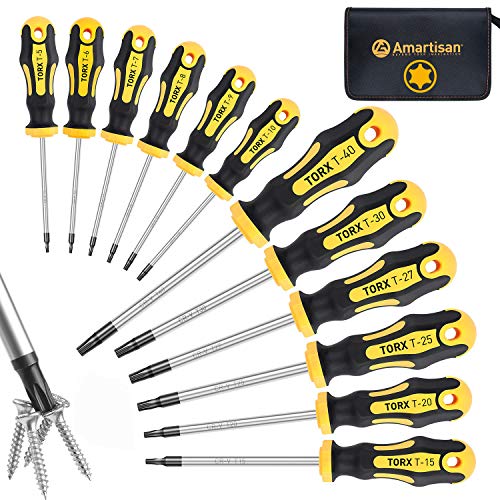
Amartisan 12-Piece Magnetic Torx Screwdrivers Set, Magnetic Torx Driver Star Screwdrivers Set T5 - T40 Best Choice
- 【MULTI-PURPOSE USE】: Top quality Torx/star screwdrivers, that are designed to serve for domestic appliances、automobile、mountain bike、Harley motorcycle、DeWalt chainsaws、headlight , they are capable of meeting your various needs.
- 【ERGONOMIC DESIGN】: Cushion grip handle for comfort and control,With ergonomic TPR handle and button on it, it helps you to use very easily
- 【PREMIUM MATERIALS】: Chrome vanadium steel with heat treatment, high hardness and good toughness and resistance, Black finish blade with magnetic tips which could conveniently attracts screws"
- 【Easy to carry】:All screwdrivers are packed in a rugged, compact carry case for storage and portability.
- 【FULL-SIZE】: Set Includes: Torx(R) T5 x2-1/2", T6 x2-1/2", T7 x 2-1/2", T8 x 2-1/2", T9 x 2-1/2", T10 x 2-1/2", T15 x 4", T20 x 4", T25 x 4", T27 x 4", T30 x 4", T40 x 5"


As an Amazon Associate we earn from qualifying purchases. Product prices and availability are accurate as of the date/time indicated.

Phillips Screwdriver Set with Magnetic Tips, Soft Ergonomic Grip of Standard or Precision Phillips Screwdrivers
- Dual material handle provides a more comfortable grip and higher performance
- Non-slip black oxide tip for secure fit in clasp
- Ergonomic three-lobe dual material handle ensures the optimal balance of strength and efficiency
- Polished alloy steel screwdriver shaft prevents rust and corrosion
- Good handle design for faster rotation in low torque applications


As an Amazon Associate we earn from qualifying purchases. Product prices and availability are accurate as of the date/time indicated.
Frequently Asked Questions
Can I use a Phillips driver on a Torx screw?
No, using a Phillips driver on a Torx screw causes immediate damage. The four-point Phillips head doesn’t fit the six-point Torx pattern, resulting in slipping and stripped screw heads. Always match your driver to the fastener type. Substituting drivers damages both the tool and the screw, requiring replacement and wasting time.
Why are Torx screws becoming more common?
Torx screws offer superior performance, reliability, and durability compared to Phillips fasteners. Manufacturers prioritize quality and longevity, making Torx the standard for electronics, automotive, and precision work. The six-point design reduces assembly errors and product damage. As consumers demand repairable products, Torx adoption continues expanding across industries.
What size Torx drivers should I own?
Common Torx sizes include T10, T15, T20, T25, and T30, covering most consumer electronics and automotive applications. A basic set includes T10 through T25 for general work. Professional technicians often carry T5 through T40 for comprehensive coverage. Start with a mid-range set and expand based on your specific projects and equipment.
Are magnetic Torx drivers worth the extra cost?
Yes, magnetic tips significantly improve usability by holding screws during insertion and one-handed operation. Magnetic drivers prevent dropped fasteners in tight spaces and reduce frustration. The modest cost increase ($2–5 per driver) delivers substantial convenience benefits. Professional technicians consistently choose magnetic drivers for improved workflow efficiency.
Can Phillips and Torx drivers wear out?
Yes, both driver types wear with heavy use, especially Phillips drivers under high torque. Metal fatigue, corrosion, and repeated slipping gradually degrade driver integrity. Quality drivers from reputable manufacturers last significantly longer than budget options. Replacing worn drivers prevents further damage to expensive fasteners and components.
What’s the best way to maintain screwdrivers?
Store drivers in a dry location away from moisture and extreme temperatures. Clean tips regularly to remove corrosion and debris. Avoid using drivers as pry bars or chisels, which damages the tip geometry. Inspect drivers before use for cracks or deformation. Proper storage and handling extend driver lifespan and maintain performance.
Which Screwdriver Should You Choose for Your Toolkit?
Building a complete toolkit requires both Phillips and Torx drivers in multiple sizes. Start with a quality mid-range set covering common sizes for your typical projects. Invest in ergonomic designs and magnetic tips for improved usability and reduced frustration. As your skills and project complexity grow, expand your collection with specialized drivers and professional-grade tools.
Consider your primary work type when prioritizing driver purchases. General household users benefit from affordable Phillips sets. Electronics enthusiasts, automotive hobbyists, and professional technicians should prioritize Torx drivers for reliability and performance. In 2026, the trend toward Torx adoption means modern projects increasingly demand star-pattern drivers. Planning ahead prevents mid-project delays and tool shopping frustration.
Quality matters more than quantity in screwdriver selection. A small set of well-made drivers outperforms a large collection of cheap tools. Professional-grade drivers from established manufacturers like Wiha, Wera, and Snap-on deliver superior performance and longevity. Budget-conscious buyers can find quality mid-range options from DeWalt and Milwaukee that balance cost and durability. Ultimately, matching your driver investment to your project requirements ensures satisfaction and long-term value.
Key Takeaway: Invest in quality Phillips and Torx drivers appropriate to your work type, prioritizing Torx for modern electronics and demanding applications.




Write Your Review
No reviews yet. Be the first to share your experience!