

You’re standing in front of a stubborn piece of wood framing, old deck boards, or salvaged materials filled with nails. Your first instinct might be to reach for a hacksaw or pry bar, but there’s a faster, more efficient solution in your workshop: a reciprocating saw. The question is, can you really use one to cut through nails? The answer is absolutely yes, and when done correctly, it’s one of the most effective ways to handle nailed materials without damaging your work or your tools.

10 Pack 9 Inch 8/14TPI Reciprocating Saw Blades for Diablo Sawzall Blades
- Effortlessly Cuts Metal, Wood & Nail-Embedded Lumber: Engineered as high-efficiency pruning blades for reciprocating saws, these metal cutting reciprocating saw blades slice through pipes and sheet metal, while our wood reciprocating saw blades handle branches and lumber – even nail-embedded wood blades won’t slow you down. Get smooth, fast results on any job site or DIY project.
- Excellent Cutting Performance: JINMG Bi-Metal 8/14TPI Reciprocating Saw Blades are specifically designed for maximum performance in nail-embedded wood applications. when we trim wood containing nails such as abandoned fences, no longer have to worry about nail damage to the saw blade or frequently replace different kinds of reciprocating saw blades.
- High Durability Saw Blades: Unlike other bi-metal saw blades, constructed by high-density bi-metal with extra 8% cobalt, and 1.27mm thickness is thicker than many saw blades on the market, which means it has longer life span. More importantly, this will effectively reduce the risk of sudden blade breakage during cutting.
- General Purpose Cuts: Ideal for a wide range of materials including wood (with nails), common lumber, PE/PVC, OBS plywood, nails, screws, tires, wooden fences, plastic, and metal demolition, making them indispensable in various everyday tasks.
- Universal Compatibility:Designed to fit most major reciprocating saw brands, including Bosch, DeWalt, Milwaukee Saw blades, SKIL, Makita, Black & Decker, Ryobi, Porter Cable, Hitachi, Flex, and Hilti. No matter what saw you use, these blades will deliver top-tier performance.


As an Amazon Associate we earn from qualifying purchases. Product prices and availability are accurate as of the date/time indicated.
Knowing how to cut through nails with a reciprocating saw opens up new possibilities for demolition work, salvage projects, and construction tasks. Whether you’re removing old framing, cutting through composite materials with embedded fasteners, or working on renovation projects, mastering this technique saves you time and frustration. In 2026, reciprocating saws have become more powerful and precise than ever, making them the go-to choice for contractors and DIY enthusiasts alike.
This guide walks you through everything you need to know about cutting nails with a reciprocating saw, from selecting the right blade to executing the cut safely and effectively.
Understanding Your Reciprocating Saw and Nail-Cutting Capabilities
A reciprocating saw is designed to push and pull a blade rapidly in a back-and-forth motion, making it incredibly versatile for cutting through various materials. The beauty of this tool is its ability to handle nailed materials that would otherwise require multiple tools or techniques. However, understanding how your saw works with nails is crucial before you start cutting.
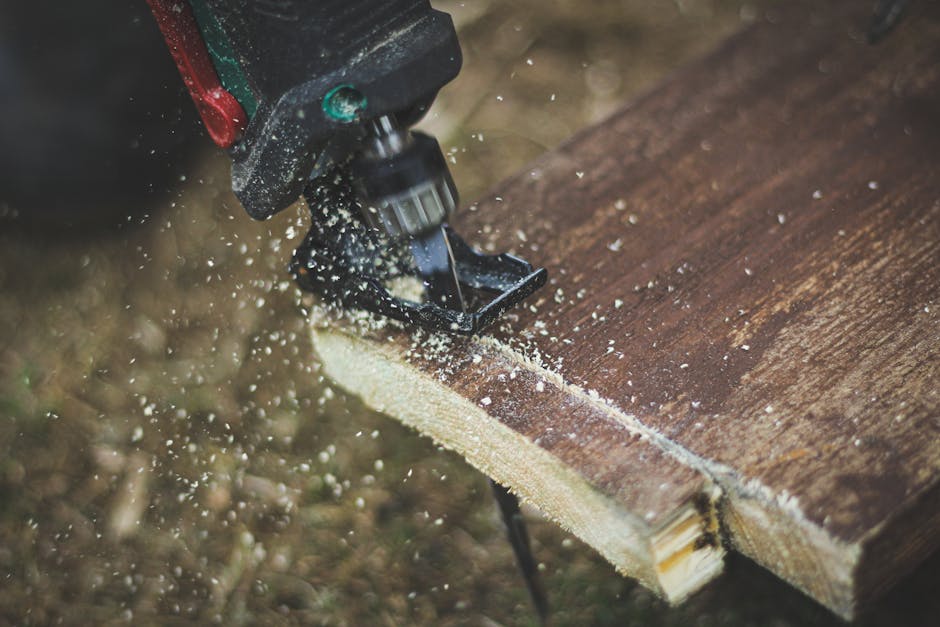
Why Reciprocating Saws Excel at Cutting Nails
Reciprocating saws can cut through nails because their rapid blade motion and aggressive cutting action can shear through metal fasteners, not just wood. Unlike circular saws or miter saws, which are designed primarily for wood cutting, reciprocating saws have the versatility and power to handle the additional resistance that nails create. The linear motion of the blade means it can push through obstacles without the binding issues you might encounter with rotary tools.
Power and Stroke Length Considerations
The effectiveness of cutting nails depends on your saw’s power and stroke length. A higher amperage rating (for corded models) or voltage (for cordless models) provides more cutting force. Stroke length, typically measured in inches, affects how aggressively the blade cuts. For nailed materials, look for saws with at least a 1-inch stroke length and sufficient power to maintain cutting speed even when encountering resistance. Underpowered saws may stall or produce uneven cuts when hitting nails.
Selecting the Right Blade for Cutting Nails
The blade you choose is absolutely critical when learning how to cut through nails with a reciprocating saw. Not all blades are created equal, and using the wrong one can result in bent or broken blades, poor cuts, and safety hazards.
Metal-Cutting Blades vs. Wood-Cutting Blades
Standard wood-cutting blades have teeth designed for cutting wood fibers, not metal. When you attempt to cut through nails with a wood blade, the teeth can catch on the nail, causing the blade to bind or break. For cutting nailed materials, you need a blade specifically designed for metal. These blades have finer, harder teeth that can handle the density and hardness of steel nails without deforming or shattering.
Blade Tooth Count and Material Composition
Metal-cutting blades typically feature more teeth per inch (TPI) than wood blades. A blade with 18 to 24 TPI works well for cutting through nails embedded in wood. Higher tooth counts provide smoother cuts but may cut more slowly. The blade material matters too: bi-metal blades (combining steel and high-speed steel) offer excellent durability and flexibility, making them ideal for the stress of cutting through nails. Carbide-tipped blades are even more durable but cost more and are better suited for production work.
Blade Length Selection
Reciprocating saw blades come in various lengths, typically from 4 to 12 inches. For cutting through nailed materials, a 6 to 8-inch blade offers a good balance between reach and stability. Longer blades provide more reach but can be more prone to flexing or binding, especially when encountering nails. Shorter blades give you better control and are less likely to deflect when hitting metal fasteners.
Step-by-Step Process for Cutting Through Nails
Now that you understand the equipment, let’s walk through the actual process of how to cut through nails with a reciprocating saw. Following these steps helps ensure clean cuts and safe operation.
Step 1: Inspect and Prepare Your Material
Before you start cutting, examine your material carefully. Identify where nails are located and plan your cut path. If possible, try to cut slightly away from nails rather than directly through them. However, if cutting through nails is unavoidable, mark their locations with a pencil or marker. Check for any loose nails that might shift during cutting, and secure your workpiece firmly in a vise or with clamps.
Step 2: Install the Correct Blade
Remove your old blade and install a metal-cutting blade appropriate for your task. Make sure the blade is seated fully in the chuck and tightened securely. A loose blade will vibrate excessively and produce poor results. Most modern reciprocating saws feature tool-free blade changes, which makes swapping blades quick and convenient.
Step 3: Secure Your Workpiece
Use clamps, a vise, or a workbench to hold your material steady. When cutting through nails with a reciprocating saw, vibration and movement are your enemies. A stable workpiece prevents the saw from bouncing or deflecting and helps you maintain control throughout the cut. Never attempt to hold the material by hand.
Step 4: Position the Saw and Start the Cut
Hold the saw firmly with both hands, keeping the blade perpendicular to your workpiece. Start the saw before bringing the blade into contact with the material. This prevents the blade from catching and the saw from twisting in your hands. Let the saw do the work; don’t force the blade through the material. Applying excessive pressure can cause the blade to bind, bend, or break, especially when hitting nails.
Step 5: Maintain Steady Pressure and Speed
As you cut through nails with a reciprocating saw, maintain consistent, moderate pressure. You’ll likely feel the saw slow down or vibrate more when the blade contacts a nail. This is normal. Don’t increase pressure dramatically; instead, let the blade work through the obstacle at its own pace. If the blade stalls completely, stop the saw, back out the blade, and check for damage or binding.
Step 6: Complete the Cut and Inspect
Once you’ve cut through your material, stop the saw and allow the blade to come to a complete stop before removing it from the workpiece. Inspect the cut for cleanliness and check the blade for damage. If you’ve cut through multiple nails, the blade may be dulled and ready for replacement on your next project.
Pro Tips and Best Practices
Use a Slower Blade Speed When Possible
If your reciprocating saw has variable speed control, reduce the blade speed when cutting through nails. Slower speeds generate less heat and reduce stress on the blade, extending its life and providing better control. Many professionals prefer slower speeds for metal cutting because they allow for more precise cuts and reduce vibration.
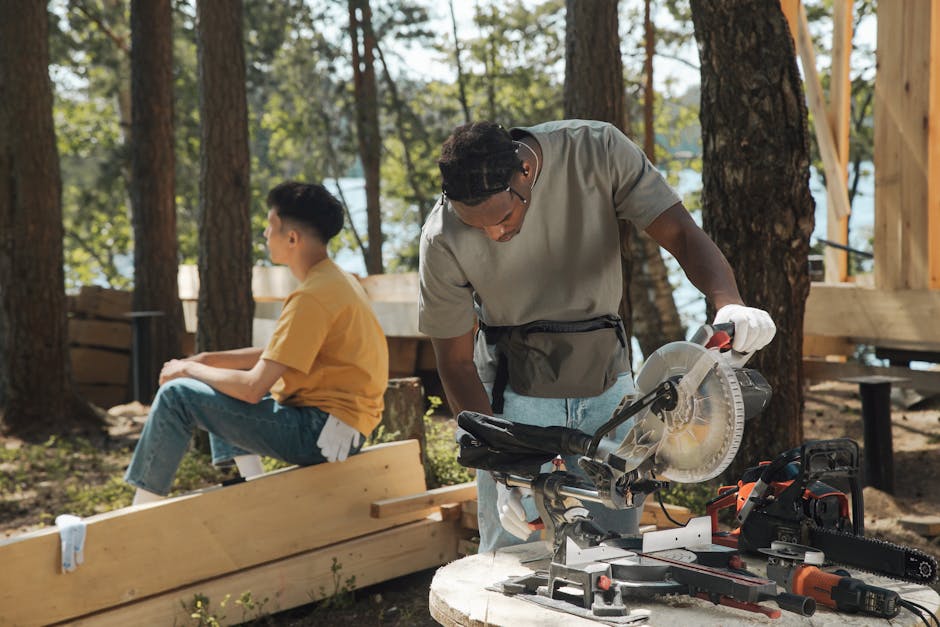
Wear Appropriate Safety Equipment
Always wear safety glasses and work gloves when cutting through nails with a reciprocating saw. Metal particles and debris can fly unpredictably, and the saw itself produces significant vibration. Hearing protection is also recommended, especially for prolonged use.
Consider Your Blade Direction
Some reciprocating saws offer orbital blade motion, which adds a forward-and-back movement to the standard up-and-down stroke. For cutting through nails, standard stroke (non-orbital) mode often works better because it provides more direct cutting force without the sideways motion that can cause deflection.
Plan Your Cut Path to Minimize Nail Contact
When possible, position your cut to miss nails entirely or to strike them at the end of your cut path. If you must cut directly through multiple nails, make multiple shallow passes rather than one aggressive cut. This reduces stress on the blade and improves cut quality.
Keep Your Blade Cool
Cutting through nails generates heat. If you’re making a long cut with multiple nails, pause occasionally to let the blade cool. Overheating can damage the blade’s temper, reducing its hardness and effectiveness. Some professionals use cutting fluid or water spray to cool the blade, though this isn’t always practical with power tools.
Invest in Quality Blades
Cheap blades break more easily and dull quickly when cutting through nails. Quality bi-metal or carbide-tipped blades last longer and provide better results. While they cost more upfront, they save money and frustration over time, especially if you frequently work with nailed materials.
Common Mistakes to Avoid
Learning how to cut through nails with a reciprocating saw means understanding what not to do. Here are the most common pitfalls we see in workshops.
Using Wood-Cutting Blades on Nailed Materials
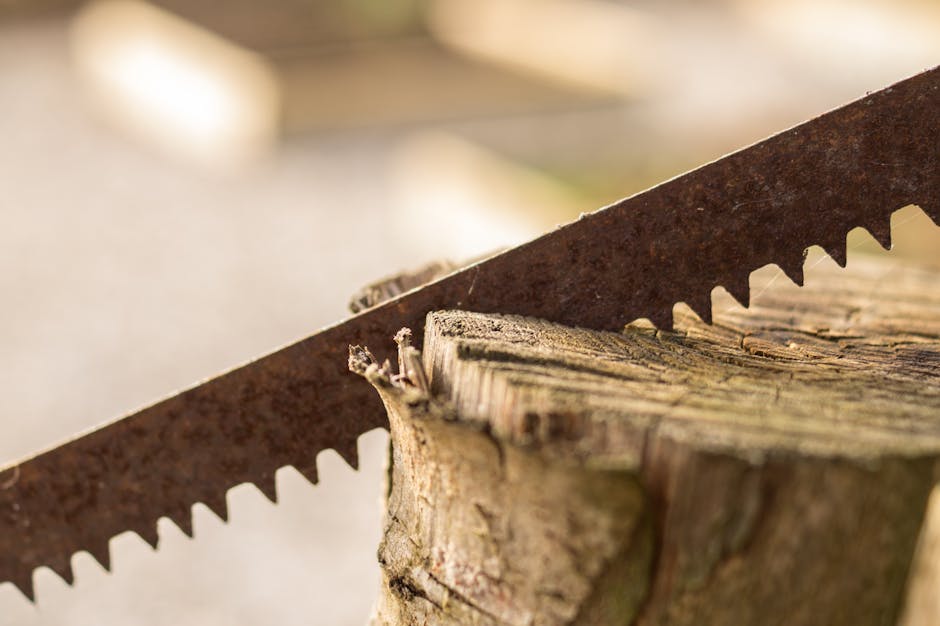
This is the number one mistake. Wood blades simply aren’t designed for metal and will dull instantly or break when they contact nails. Always use a metal-cutting blade, even if you’re primarily cutting wood. The extra investment in the right blade pays for itself in blade longevity and cut quality.
Forcing the Saw Through Resistance
When you feel the saw slow down or vibrate heavily upon hitting a nail, the instinct is often to push harder. This is counterproductive. Excessive force causes blade binding, deflection, and breakage. Instead, maintain steady, moderate pressure and let the saw work at its own pace. Patience produces better results and longer blade life.
Neglecting to Secure Your Workpiece
A loose workpiece is dangerous and produces poor cuts. The vibration from the saw can cause unsecured material to shift or jump, potentially causing the blade to catch and the saw to twist in your hands. Always clamp or vise your material before cutting.
Ignoring Blade Condition
Using a dull or damaged blade when cutting through nails makes the job harder and more dangerous. Dull blades require more force, generate excessive heat, and are more prone to binding. Replace your blade when you notice it’s cutting slowly or producing rough edges, especially after cutting through multiple nails.
Operating the Saw at Maximum Speed
Many users assume faster is always better, but this isn’t true when cutting through nails. High speeds generate excessive heat and stress on the blade, reducing its lifespan and control. Medium to slower speeds provide better control and longer blade life when working with metal fasteners.
Conclusion
Mastering how to cut through nails with a reciprocating saw transforms your ability to handle demolition, salvage, and renovation projects. The key is using the right equipment, selecting an appropriate metal-cutting blade, and understanding the technique. By following the step-by-step process outlined in this guide and avoiding common mistakes, you’ll cut through nailed materials efficiently and safely.
Remember that your reciprocating saw is a versatile tool with many applications. If you’re expanding your toolkit, you might also explore related skills like how to use an impact driver for fastening work or how to choose a cordless drill for home use. Each tool in your workshop plays a specific role, and understanding how to use them properly makes you a more confident and capable craftsperson.
Start with a quality metal-cutting blade, secure your workpiece properly, and practice on scrap materials first. With these fundamentals in place, you’ll be cutting through nails like a pro in no time.
Recommended Products

DEWALT Reciprocating Saw Blades, 10 Piece Bi-Metal Combination Set with Case, Various Sizes 6 In to 9 In, Longer Life (DW4898)
- Combination sets provide a selection of reciprocating saw blades for common applications
- Tough case or Expandable case holds blades and is designed to fit in power tool kit box
- Bi-metal construction delivers blade flexibility and a long-lasting cutting edge
- Bi-metal construction offers blade flexibility and a long-lasting cutting edge


As an Amazon Associate we earn from qualifying purchases. Product prices and availability are accurate as of the date/time indicated.

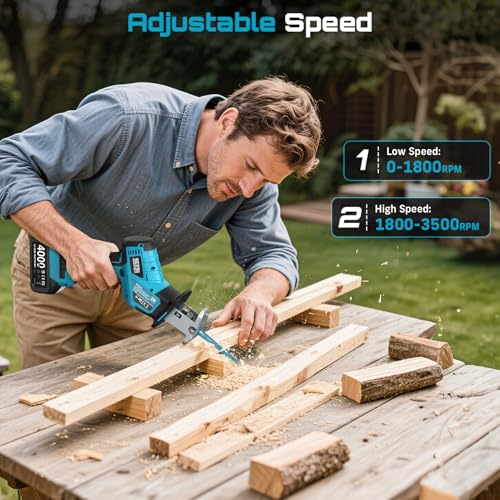
SEESII Cordless Reciprocating Saw 3500 RPM Brushless Motor
- Extended Battery Life for Long Projects: With 2 x 4.0Ah batteries, you'll enjoy extended usage time. The fast-charging feature means you're always ready to go, minimizing downtime. This reciprocating saw cordless ensures you can complete your projects without interruptions.
- Versatile for All Materials: Equipped with 6 high-quality saw blades, our reciprocating saw tackles various materials with ease. The 15mm stroke length ensures precision cuts, making this electric reciprocating saw a versatile tool for any cutting task, from trimming branches to slicing through metal pipes.(Replacement Blades: B0FF4362SW)
- Comfortable One-Handed Operation: At only 2.0 LBS, this lightweight cordless reciprocating saw is engineered for effortless, extended use. Perfect for users of all genders, it’s the go-to choice for anyone seeking ease and precision in their work.
- Quick and Easy Blade Changes: Tired of fumbling with tools? Reciprocating saw tool-free blade change lets you swap blades in seconds, ensuring you never lose momentum. Tool-free blade change feature makes the power reciprocating saw perfect for those who value efficiency and convenience in their projects.
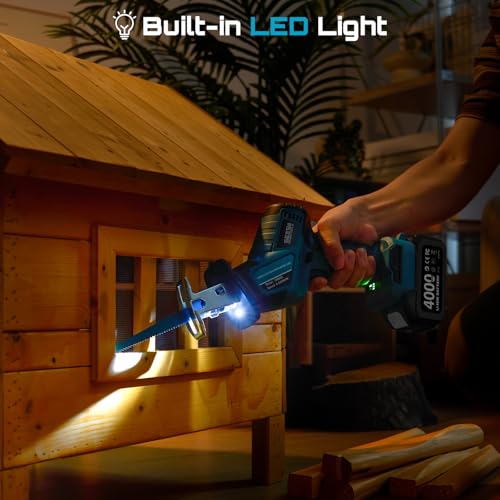
- Equipped with Built-in LED Work Light: This reciprocating saw illuminates dark work areas (such as under furniture, in cabinets, or dimly lit basements) for enhanced visibility, ensuring precise cutting even in low-light conditions—making your projects safer and more efficient.
- Powerful Performance for Every Task: Imagine effortlessly cutting through wood, pipes, and metals with our 200W brushless motor and 0-3500RPM speed. Whether tackling a home improvement project or a professional job, this brushless reciprocating saw delivers the needed power. It's your ultimate cordless reciprocating saw for all cutting needs.
- Safety Lock Button for Secure Use: Features a built-in lock button that prevents accidental activation, enhancing operational safety—especially during storage, transportation, or when handling the saw blade. It ensures peace of mind for both novice and experienced users.
- What's Included: 1 × Cordless Reciprocating Saw, 1 × Storage Box, 6 × Saw Blades, 2 × 4.0Ah Batteries, 1 × Fast Charger, 1 × User Manual, 1 Pair of Gloves, 1 Pair of Safety Glasses.





As an Amazon Associate we earn from qualifying purchases. Product prices and availability are accurate as of the date/time indicated.
Frequently Asked Questions
Can you cut through nails with any reciprocating saw blade?
No. You need a metal-cutting blade specifically designed for cutting through fasteners and metal. Standard wood blades will dull instantly or break when they contact nails. Always use a bi-metal or carbide-tipped blade rated for metal cutting.
What’s the best blade tooth count for cutting through nails?
A blade with 18 to 24 teeth per inch (TPI) works best for cutting through nails embedded in wood. This tooth count provides a good balance between cutting speed and durability when dealing with metal fasteners.
Should you use high speed or low speed when cutting nails?
Lower to medium speeds are preferable when cutting through nails. Slower speeds reduce heat generation, minimize blade stress, and provide better control. High speeds can cause excessive vibration and reduce blade lifespan when working with metal fasteners.
Is it safe to cut through nails with a reciprocating saw?
Yes, it’s safe when you use the proper blade, secure your workpiece, wear safety equipment, and follow correct technique. Always wear safety glasses and work gloves, and never force the saw through resistance.
How do you know when to replace your blade after cutting nails?
Replace your blade when it cuts slowly, produces rough or uneven edges, or if you notice visible damage or bending. Cutting through multiple nails dulls blades faster than wood cutting, so check blade condition regularly.
Can a cordless reciprocating saw cut through nails as well as a corded one?
Yes, modern cordless reciprocating saws with sufficient voltage and amperage can cut through nails effectively. Look for models with at least 18 volts (or equivalent) and ensure your battery is fully charged for consistent cutting performance.


Write Your Review
No reviews yet. Be the first to share your experience!