

You’re standing in the tool aisle, overwhelmed by rows of cordless drills in different colors, sizes, and price ranges. One has a massive battery pack, another feels lightweight and compact, and you’re not sure which one will actually work for hanging shelves, assembling furniture, or tackling small home repairs. If this sounds familiar, you’re not alone. Choosing the right cordless drill can feel intimidating, but understanding a few key factors makes the decision straightforward and confidence-building.

BLACK+DECKER 20V MAX Cordless Drill Kit with 100-Piece Bit Set
- Optimal Performance: 20V MAX* lithium-ion battery always ready for your next project
- 24-Position Clutch: Help achieve control and precision with the 24 clutch positions when drilling
- Soft-Grip Handle: Soft and comfortable grip when in use
- Versatile 100-piece Kit: Includes a wide variety of bits and accessories for drilling and driving tasks
- POWERCONNECT BATTERY SYSTEM: The interchangeable battery system means you can use one battery for multiple different tools


As an Amazon Associate we earn from qualifying purchases. Product prices and availability are accurate as of the date/time indicated.
In 2026, cordless drills have become more accessible and feature-rich than ever before. Whether you’re a complete beginner or someone who’s picked up a drill once or twice, having the right tool in your workshop transforms your ability to complete projects efficiently and safely. A poorly chosen drill wastes money, frustrates you mid-project, and often ends up gathering dust in a closet. The good news is that how to choose a cordless drill for home use doesn’t require a degree in engineering.
This guide walks you through everything you need to know to select a cordless drill that matches your actual needs, budget, and the types of projects you’ll tackle around your home. We’ll cover battery technology, motor power, chuck size, ergonomics, and practical considerations that separate tools designed for occasional homeowners from professional-grade equipment you don’t need.
Understanding Cordless Drill Basics
Before diving into specifications, let’s clarify what a cordless drill actually does and why it matters for your home projects. A cordless drill is essentially a motorized tool that rotates a bit or chuck at high speeds, allowing you to bore holes, drive screws, and perform light mixing tasks. Unlike corded drills, cordless models give you freedom of movement without extension cords or outlet limitations, making them ideal for home use where convenience and portability matter.
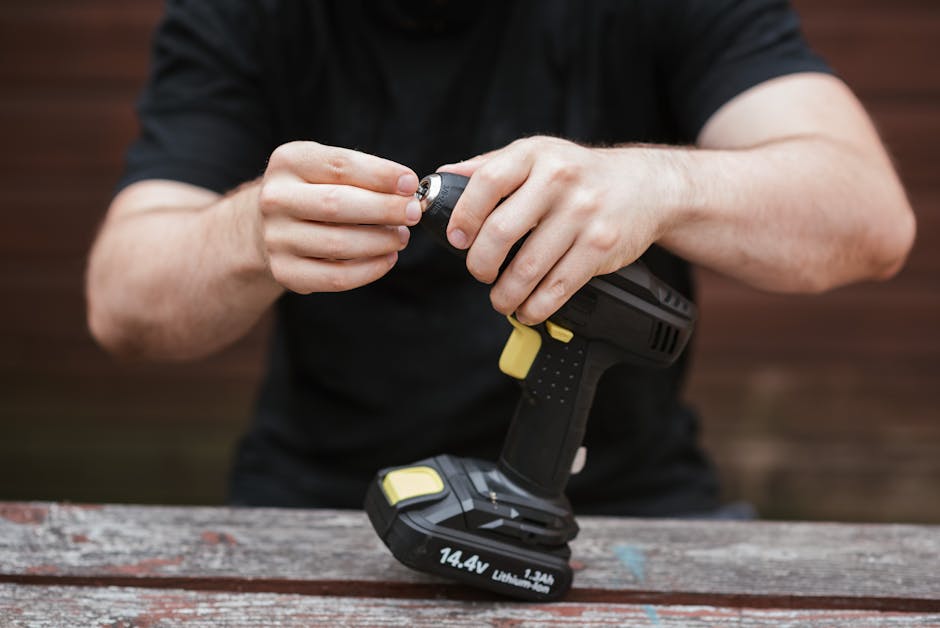
The basic anatomy of any cordless drill includes a motor, battery pack, chuck (the rotating head that holds bits), trigger, and handle. When you squeeze the trigger, electrical current from the battery powers the motor, which spins the chuck. The harder you squeeze, the faster it spins. Understanding this simple mechanism helps you evaluate what features actually matter for your needs versus marketing hype.
Drill vs. Driver vs. Drill/Driver Combo
Most cordless drills sold today are actually drill/driver combos, meaning they handle both drilling holes and driving screws effectively. A dedicated drill excels at boring through materials but may struggle with screw driving. A driver is lightweight and compact, perfect for fastening but limited for hole drilling. For home use, a drill/driver combo gives you the versatility to handle whatever project comes your way without buying multiple tools.
Battery Type and Voltage: The Power Foundation
The battery is arguably the most important component when learning how to choose a cordless drill for home use. Battery technology determines your tool’s power, runtime, weight, and long-term cost. Understanding the differences helps you avoid overpaying for unnecessary power or underpowering yourself for basic tasks.
Voltage Ratings Explained
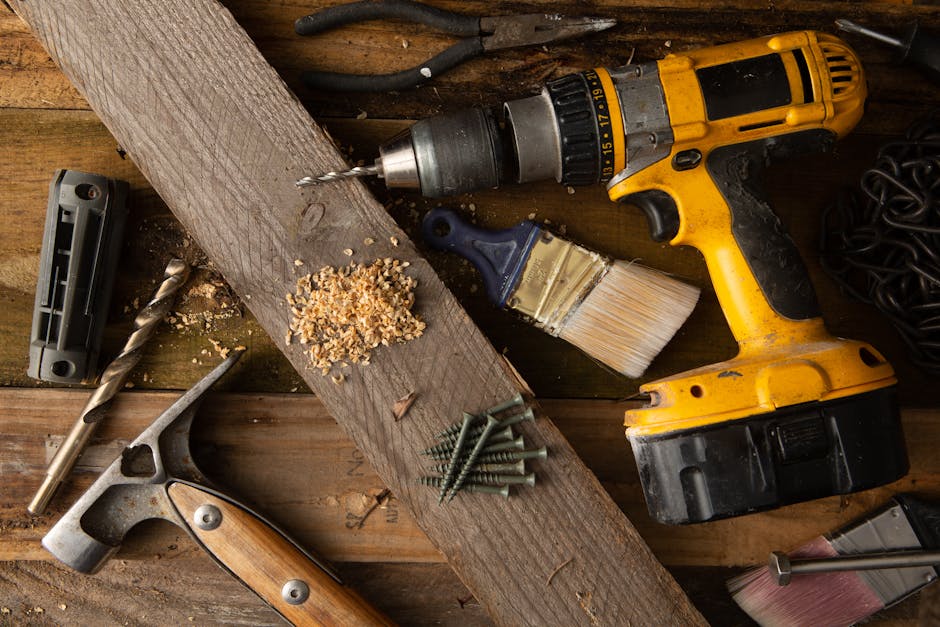
Cordless drills typically come in 12V, 18V, or 20V options. Voltage directly correlates to power output and torque (rotational force). A 12V drill handles light-duty tasks like assembling furniture and hanging pictures. An 18V drill manages medium-duty work including drilling through hardwood and driving larger fasteners. A 20V drill tackles heavy-duty projects and sustained use without bogging down.
For most homeowners, an 18V or 20V cordless drill strikes the perfect balance between power and practicality. You’ll have enough muscle for typical home projects without the added weight and bulk of professional-grade tools. If you’re primarily hanging light items and assembling IKEA furniture, 12V might suffice, but stepping up to 18V gives you flexibility for future projects without significant cost difference.
Battery Chemistry: Lithium-Ion vs. Nickel-Cadmium
Modern cordless drills use lithium-ion batteries, which have essentially replaced older nickel-cadmium technology. Lithium-ion batteries charge faster, hold their charge longer during storage, weigh less, and have no memory effect (meaning you can recharge them anytime without reducing lifespan). They’re more expensive upfront but deliver superior performance and longevity.
If you encounter older drill models with nickel-cadmium batteries, avoid them. These require full discharge before recharging and lose capacity if you don’t use them regularly. Lithium-ion is the clear winner for home use, and virtually all new drills use this technology.
Amp-Hour (Ah) Ratings and Runtime
Battery capacity is measured in amp-hours (Ah). A 1.5Ah battery runs shorter than a 3Ah battery at the same voltage. For home use, a 2.0Ah to 3.0Ah battery provides adequate runtime for most weekend projects. Higher capacity batteries cost more and weigh more, but they let you work longer between charges.
Consider whether you’ll have access to charge between projects. If you’re hanging shelves on a Saturday afternoon, a 2.0Ah battery is plenty. If you’re tackling a full-day deck project, a 3.0Ah or larger battery prevents mid-project frustration. Many drills come with two batteries so you can charge one while using the other.
Motor Power and Chuck Size: Practical Considerations
Understanding Torque Ratings
Torque measures rotational force and is expressed in inch-pounds (in-lbs) or Newton-meters (Nm). Higher torque means the drill can drive larger fasteners and power through tougher materials without stalling. For home use, look for drills with at least 300-400 in-lbs of torque. This handles standard deck screws, wood screws, and light drilling through hardwood.
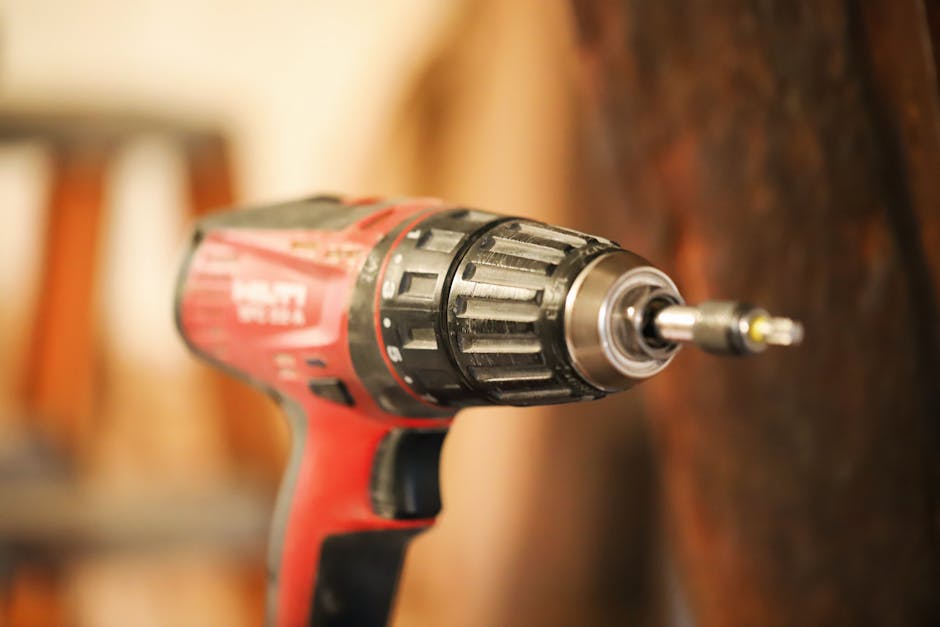
Professional drills boast 1500+ in-lbs, but you’re paying for capability you won’t use. Don’t get caught up in torque wars. Focus on whether the drill handles your typical projects without struggle. Reading user reviews from homeowners with similar projects provides real-world insight into whether a specific drill’s torque is adequate.
Chuck Size and Bit Compatibility
The chuck is the rotating head that grips your drill bits. Standard chucks come in 1/4-inch and 3/8-inch sizes. A 3/8-inch chuck accepts larger bits and holds them more securely, making it the better choice for home use. The 1/4-inch chuck is lighter and more compact but limits your bit options and is primarily found on compact or impact drivers.
Ensure any drill you consider uses standard bits available at any hardware store. Proprietary bit systems lock you into expensive manufacturer-specific accessories. Universal compatibility means you can buy bits anywhere and won’t be stuck when you need a specific size.
Weight, Balance, and Ergonomics for Comfort
You might not think about this until you’re holding a drill overhead for twenty minutes, but weight and balance profoundly affect your ability to complete projects comfortably. A lightweight drill reduces fatigue, improves control, and makes overhead work feasible. However, extremely lightweight drills often sacrifice power and durability.
Finding Your Weight Sweet Spot
Most 18-20V cordless drills weigh between 3.5 and 5 pounds with battery installed. If you’re primarily working at waist height on a workbench, weight matters less. If you’re drilling overhead or working extended periods, aim for the lighter end of the spectrum. Visit a tool store and hold several models if possible. What feels balanced and comfortable in your hands matters more than specifications on paper.
Handle Design and Grip
Look for drills with rubberized, ergonomic handles that feel secure in your grip. Some drills include adjustable side handles for better control during heavy drilling. A well-designed handle reduces hand fatigue and gives you confidence when applying force. Avoid slippery or overly thin handles that require constant tension to maintain control.
Speed Settings and Variable Speed Control
Variable speed control lets you adjust the rotation speed from slow to fast by modulating trigger pressure. This feature is essential for home use because different tasks require different speeds. Driving screws into hardwood demands slower, more controlled rotation. Boring through softwood benefits from higher speeds. Mixing paint requires low-speed, high-torque operation.
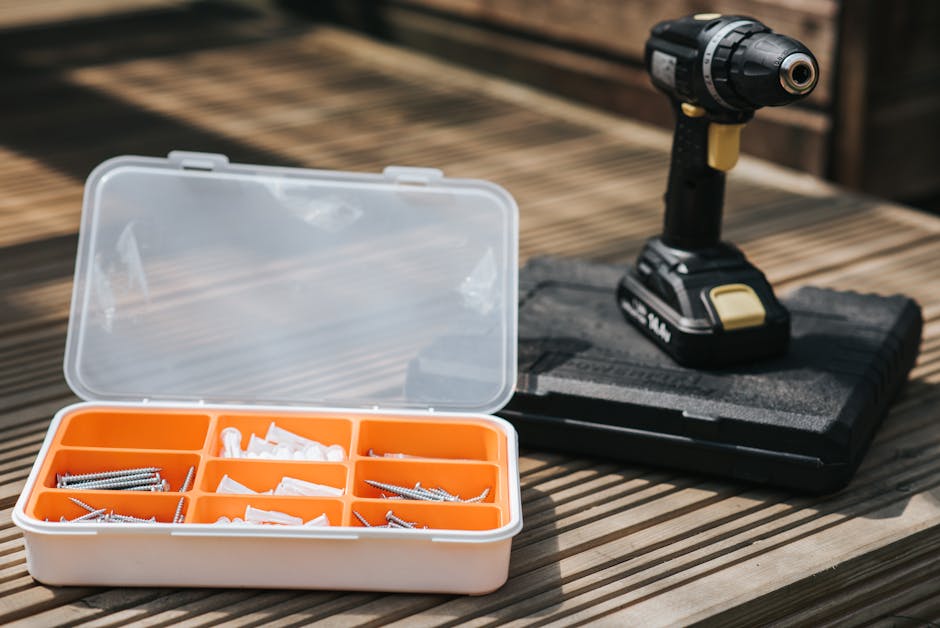
Look for drills with at least two-speed settings (typically 0-450 RPM and 0-1500 RPM) or infinitely variable speed control. Two-speed drills offer simplicity and efficiency. Variable speed gives you more precision but adds complexity. Either way, avoid single-speed drills that force you to work at one fixed pace regardless of the task.
Additional Features Worth Considering
LED Work Light
A built-in LED illuminates your work area, which is surprisingly useful when working in closets, under cabinets, or in dim corners. This feature costs little to include and significantly improves visibility and accuracy. If you’ll work in various lighting conditions, prioritize this.
Keyless Chuck vs. Keyed Chuck
Keyless chucks let you change bits with your hand. Keyed chucks require a special key to tighten. Keyless is far more convenient for home use and has become standard. Avoid drills with keyed chucks unless you find an exceptional deal, as the inconvenience outweighs any savings.
Compact vs. Full-Size Models
Compact drills are lighter and easier to maneuver in tight spaces. Full-size drills offer more power and battery capacity. For home use, a compact model suits most situations. You only need full-size if you’re tackling heavy-duty projects regularly. Consider your storage space and typical working environment when deciding.
Pro Tips and Best Practices
Invest in a Quality Bit Set
Your drill is only as good as the bits you use. Cheap bits dull quickly, slip in the chuck, and produce poor results. A quality set of drill bits and driver bits costs modest money and lasts years. Store them in an organized case so you can find what you need quickly.
Maintain Your Battery Health
Lithium-ion batteries last longer when you avoid fully depleting them. Charge after each use rather than waiting until the battery is dead. Store batteries in a cool, dry place away from extreme temperatures. Proper care extends battery life by years.
Start with Lower Speed Settings
When driving screws, especially in hardwood, begin at lower speeds to prevent the bit from slipping or stripping the fastener. Increase speed only if needed. This technique prevents damage and improves control, particularly when you’re learning.
Use Proper Bit Selection for Materials
Different materials require different bits. Wood requires wood bits, metal requires metal bits, and masonry requires special masonry bits. Using the correct bit improves results and extends bit life. A quality multi-purpose bit set covers most home projects.
Wear Safety Glasses and Work Gloves
Flying debris and bit breakage are real hazards. Always wear safety glasses when drilling. Gloves prevent splinters and improve grip, though avoid loose gloves that could catch on rotating bits. Safety takes seconds and prevents injury.
Test Before Major Projects
Before committing to a large project, spend time with your new drill on scrap material. This builds confidence, helps you understand the tool’s behavior, and reveals any issues before they affect important work.
Common Mistakes to Avoid
Buying Excessive Power You Won’t Use
Many homeowners purchase professional-grade drills with 24V or higher voltage, thinking more power is always better. These tools are heavier, more expensive, and overkill for home use. You end up paying hundreds extra for capabilities you’ll never tap. A quality 18-20V drill handles 95 percent of home projects efficiently.
Ignoring Battery Compatibility
Some manufacturers use proprietary battery systems, meaning you can’t use batteries from other brands. If you already own tools from a specific manufacturer, buying a drill from the same brand lets you share batteries and chargers. This saves money and reduces clutter. Check compatibility before purchasing.
Skipping the Comfort Test
Buying online without holding the drill first is risky. What feels comfortable varies by hand size, strength, and personal preference. If possible, visit a tool store and hold several models. If buying online, ensure the retailer accepts returns so you can exchange it if the ergonomics don’t work for you.
Neglecting Maintenance
Cordless drills are relatively maintenance-free, but neglecting basic care shortens their lifespan. Keep the chuck clean and lubricated. Store the battery properly. Wipe down the tool after use to prevent dust accumulation. Small efforts extend your investment significantly.
Buying Without Reading Reviews
Specifications tell only part of the story. Real user reviews from homeowners reveal reliability, battery life in practice, and whether the drill actually performs as advertised. Spend time reading reviews from people with similar projects to yours. Their experiences guide better decisions than marketing claims alone.
Conclusion
Choosing how to choose a cordless drill for home use boils down to matching the tool’s capabilities to your actual needs. You don’t need the most powerful, expensive drill on the market. You need a reliable, comfortable tool that handles your typical projects without struggle. Focus on voltage appropriate for your work (18-20V for most homeowners), battery capacity that suits your project duration, weight that feels comfortable, and features like variable speed and LED work lights that improve usability.
Take time to hold different models, read user reviews from people with similar projects, and consider whether the drill complements tools you already own. A well-chosen cordless drill becomes an indispensable part of your home workshop, enabling you to tackle projects confidently and efficiently. Start with these guidelines, trust your comfort assessment, and you’ll find a drill that serves your home for years.
Ready to explore specific models that match these criteria? Check out our detailed guide on the best cordless drills with expert reviews and comparisons to see how top options stack up against the factors we’ve covered.
Recommended Products

PULITUO 20V Cordless Drill Driver Kit with 2 Batteries & 34 Pieces
- Powerful 20 V Motor and 2 x 1.5 Ah Battery: Equipped with a robust 20 V motor and 2 Li-ion battery, this cordless drill delivers smooth power for various drilling and driving tasks;Its rechargeable battery ensures you're always ready for next project
- 2 Variable Speed Settings for Versatility: With two speed options (0-400, 0-1500 RPM ), this drill provides ultimate control over your applications; Perfect for both delicate tasks and heavy-duty jobs, you can easily adjust the speed to match your needs
- Robust 266 In-lb (30 N.m) Torque and 21+1 Settings: With a maximum torque of 266 In-lb (30 N.m) and 21+1 adjustable settings, this drill excels in precision and ease; It prevents over-tightening and protects your materials with its precise torque control
- Comprehensive 34-Piece Drill Kit: You’ll get a 20 V cordless drill with battery and charger, 4 wood bits, 4 twist bits, extension bar, flexible shaft, 10 short screwdriver bits, 10 long screwdriver bits, and a screw anchor set- all essentials in one set
- Effortless Precision with LED Illumination: Lightweight and user-friendly, this electric drill features an LED light to illuminate your workspace for precise drilling in dark or tight areas; Its effortless operation and intuitive controls make it perfect for both beginners and pros


As an Amazon Associate we earn from qualifying purchases. Product prices and availability are accurate as of the date/time indicated.

DEKOPRO 20V Cordless Drill Set with Battery & Charger
- 【Power Drill Set】This power drill are perfect for DIY and home repairs
- 【20 V Electric Drill】This electric drill cordless has two Variable Speed (0-350/0-1350 rpm) and 18+1 torque settings
- 【Battery Drill Cordless】This cordless drill with battery and charger, 20 V 1.5 AH lithium-ion battery
- 【Compact Drill Design】The electric drill cordless is 2.5 pounds, power drills allow for easier protability
- 【Drill with Drill Bits】This drill set include 1*20 V Cordless Drill; 1*1.5 AH Battery; 1*Charger; 10*Bits(SL3-SL4-SL5-SL6-SL7-PHO-PH1-PH2-PH2); 1*Magneitc Bits Holder(60 mm); 10*Screwdriver Bits;


As an Amazon Associate we earn from qualifying purchases. Product prices and availability are accurate as of the date/time indicated.
Frequently Asked Questions
What voltage cordless drill is best for home use?
An 18V or 20V cordless drill is ideal for most homeowners. This voltage range provides sufficient power for drilling through hardwood, driving fasteners, and light mixing while remaining manageable in weight and cost. A 12V drill works for very light tasks, but stepping up to 18-20V gives you flexibility for future projects.
How much amp-hours do I need in a battery?
For home use, a 2.0Ah to 3.0Ah battery provides adequate runtime for most weekend projects. If you tackle full-day projects or work far from a charging outlet, consider 3.0Ah or higher. Having two batteries allows you to charge one while using the other, eliminating downtime.
Is a cordless drill heavier than a corded drill?
Cordless drills are typically lighter than corded models because they don’t need heavy-duty wiring and housing. Modern 18-20V cordless drills weigh 3.5 to 5 pounds with battery, making them easy to handle for most people during typical home projects.
Can I use a cordless drill for mixing paint?
Yes, cordless drills with low-speed settings can mix paint effectively. Use a paint mixing paddle attachment and select the lowest speed setting to avoid splattering. This is a bonus capability rather than a primary use, but it adds versatility to your tool.
How long do cordless drill batteries last?
Lithium-ion batteries typically last 3 to 5 years with proper care, though they gradually lose capacity over time. Charging after each use and storing in cool conditions extends lifespan. Eventually, you’ll need replacement batteries, which is a normal maintenance cost.
Should I buy a drill kit or just the tool?
Drill kits include the tool, batteries, charger, and carrying case, offering better value than buying separately. For home use, a kit provides everything needed to start immediately. If you already own compatible batteries and chargers from the same manufacturer, buying just the tool saves money.




Write Your Review
No reviews yet. Be the first to share your experience!