

How Do Hilti Nuron and Milwaukee One-Key Fleet Software Compare in 2026?
Hilti Nuron and Milwaukee One-Key represent two of the most advanced fleet management ecosystems available in 2026, each offering distinct advantages for tool tracking, asset management, and workforce productivity. The key takeaway: Hilti Nuron excels in heavy-duty construction environments with integrated tool diagnostics and predictive maintenance, while Milwaukee One-Key prioritizes seamless integration across a broader tool ecosystem with real-time job site visibility. Both platforms leverage cloud-based infrastructure, IoT connectivity, and AI-driven analytics to reduce tool loss, streamline inventory management, and optimize operational costs. Your choice depends on whether you prioritize specialized construction durability (Hilti) or cross-platform versatility and ease of adoption (Milwaukee). Understanding the differences in connectivity, user interface, reporting capabilities, and total cost of ownership is essential for making an informed investment decision that aligns with your fleet size, industry focus, and technical infrastructure.
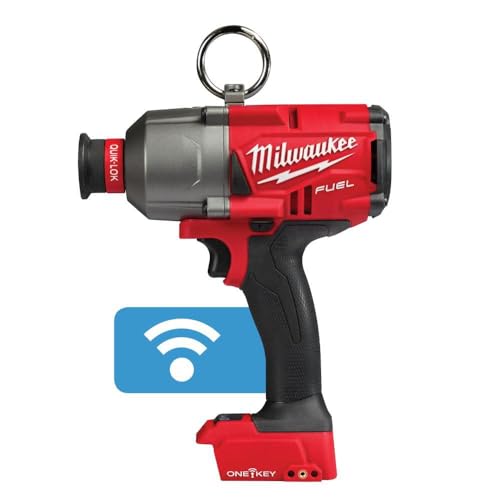
Milwaukee 2865-20 M18 FUEL 7/16 in. Hex Utility High-Torque Impact Wrench with ONE-KEY (Tool Only)

As an Amazon Associate we earn from qualifying purchases. Product prices and availability are accurate as of the date/time indicated.
The evolution of fleet management software has transformed how contractors and facility managers approach tool accountability. In May 2026, both Hilti and Milwaukee have invested heavily in their respective platforms, introducing machine learning algorithms, enhanced mobile applications, and deeper integrations with existing enterprise resource planning (ERP) systems. The construction industry increasingly demands real-time visibility into tool locations, maintenance schedules, and equipment utilization rates. According to industry data, organizations implementing comprehensive fleet management systems report 15-25% reductions in tool loss and 10-20% improvements in labor productivity. Both Hilti Nuron and Milwaukee One-Key address these pain points through different technological approaches and user experience philosophies.
What Are the Core Features of Hilti Nuron Fleet Management?
Hilti Nuron’s fleet software ecosystem is purpose-built for heavy construction, demolition, and specialized trades. The platform integrates directly with Hilti’s cordless tool lineup, providing automatic tool registration, usage tracking, and predictive maintenance alerts. When you connect a Hilti Nuron tool to the system, it automatically logs into your fleet database with real-time battery status, tool hours, and performance metrics.
Hilti Nuron Key Capabilities
The Hilti Nuron platform emphasizes durability-focused features tailored to demanding job sites. Automatic tool detection uses Bluetooth Low Energy (BLE) technology to identify tools within your fleet without manual data entry. Predictive maintenance algorithms analyze tool performance patterns and alert managers before failures occur, reducing unexpected downtime. Geofencing functionality enables location-based tool tracking across multiple job sites, preventing loss and theft. Integration with Hilti’s TE 3000-AVR drilling system and other specialized equipment provides comprehensive asset visibility. The platform supports offline operation mode, critical for remote construction sites without consistent cellular connectivity.
Hilti Nuron’s reporting dashboard emphasizes tool utilization rates, maintenance histories, and cost-per-use analytics. Managers can generate compliance reports for OSHA requirements and equipment certifications. The system tracks calibration schedules, safety inspections, and regulatory compliance documentation. Hilti’s official Nuron platform documentation highlights integration with their battery management system, which monitors charge cycles and predicts battery end-of-life, enabling proactive replacement before performance degradation affects job site productivity.
What Advantages Does Milwaukee One-Key Offer for Fleet Management?
Milwaukee One-Key positions itself as the most user-friendly fleet management solution, emphasizing simplicity, cross-tool compatibility, and integration with existing Milwaukee M18 and M12 ecosystems. The platform doesn’t require specialized hardware; instead, it leverages smartphone connectivity and cloud synchronization to track tools across your operation.
Milwaukee One-Key Strengths
Frictionless adoption is Milwaukee One-Key’s primary advantage. Unlike Hilti Nuron, which requires tool-specific integration, Milwaukee One-Key works with both powered and non-powered tools. You can add standard hand tools, measuring instruments, and specialty equipment to your fleet inventory without requiring IoT-enabled hardware. The mobile-first interface allows job site supervisors to check tool status, assign equipment, and log maintenance directly from their smartphones without desktop software requirements.
Cross-platform compatibility extends beyond Milwaukee tools. One-Key integrates with Milwaukee’s official tool ecosystem while maintaining compatibility with third-party tools through manual inventory additions. Real-time job site visibility shows which tools are deployed, their battery status, and their location within 50-foot accuracy using smartphone GPS. Customizable tool libraries let you organize equipment by project, crew, or trade type.
Milwaukee One-Key emphasizes predictive battery analytics, showing remaining runtime before a charge is needed and recommending battery swaps before job interruptions occur. The platform integrates with Milwaukee’s Forge battery technology, which communicates charge status and health metrics directly to the cloud. Team collaboration features allow multiple users to access the same fleet, assign tools to specific workers, and track accountability across shifts.
How Do the User Interfaces Compare Between Hilti Nuron and Milwaukee One-Key?
User experience significantly impacts adoption rates and long-term platform utilization. Hilti Nuron and Milwaukee One-Key take distinctly different approaches to interface design, reflecting their target user demographics and use cases.
Hilti Nuron Interface Design
Hilti Nuron’s interface emphasizes comprehensive data visualization and advanced analytics. The desktop dashboard presents multiple data layers simultaneously: tool locations on interactive maps, maintenance schedules in calendar view, utilization heatmaps showing peak usage periods, and cost analysis charts. This complexity provides power users and fleet managers with granular control and detailed insights. However, the learning curve is steeper; new users typically require 2-3 hours of training to navigate core functions effectively.
The mobile application mirrors the desktop experience, offering full functionality on smartphones and tablets. Hilti Nuron includes offline-first design, allowing supervisors to log tool status even without cellular connectivity, with automatic synchronization when connection resumes. The interface uses dark mode optimization for job site visibility in bright sunlight, and includes voice command integration for hands-free tool logging.
Milwaukee One-Key Interface Design
Milwaukee One-Key prioritizes simplicity and rapid task completion. The interface follows mobile-first design principles, with large buttons, minimal navigation layers, and single-purpose screens. Finding a specific tool, checking its status, or assigning it to a crew member typically requires 2-3 taps. This design philosophy reduces training time to 30-45 minutes for basic operations.
The desktop dashboard complements the mobile app rather than duplicating it. Desktop users access summary views, historical analytics, and administrative functions like user management and billing integration. Milwaukee One-Key’s interface uses color-coded status indicators (green for ready, yellow for low battery, red for offline) enabling instant visual assessment of fleet health without reading detailed metrics.
What Are the Key Differences in Tool Compatibility and Ecosystem Integration?
Tool compatibility fundamentally shapes fleet management strategy. The breadth and depth of supported equipment determines whether a platform can serve as your unified fleet solution or requires supplementary systems.
Hilti Nuron Ecosystem
Hilti Nuron natively supports all Hilti Nuron-branded cordless tools, including drills, impact drivers, rotary hammers, angle grinders, and specialized fastening systems. As of May 2026, Hilti’s Nuron ecosystem includes over 80 tool variants across multiple power classes. Automatic tool detection occurs when Nuron tools connect to the platform; no manual registration is required.
Integration with non-Hilti tools is possible through manual inventory additions, but these tools don’t report usage data, battery status, or location information. This creates a two-tier system where Hilti tools provide comprehensive data while other equipment appears as static inventory. For organizations heavily invested in Hilti’s product line, this creates seamless integration; for mixed-brand fleets, it creates data silos.
Milwaukee One-Key Ecosystem
Milwaukee One-Key natively supports Milwaukee M18, M12, and M12 Fuel tools, plus emerging M18 Fuel models released through 2026. Native integration extends to Milwaukee’s non-powered tools like levels, measuring tapes, and hand tools through manual addition to your inventory database. This broader compatibility makes One-Key viable for general contractors managing diverse tool collections.
Milwaukee One-Key also provides third-party tool integration through partnerships with equipment manufacturers. As of 2026, the platform officially supports tools from Bosch, Metabo, and other major brands through API integrations. This positions Milwaukee One-Key as a platform-agnostic solution, whereas Hilti Nuron remains primarily Hilti-centric. For organizations using multiple tool brands, Milwaukee One-Key reduces the need for supplementary fleet management systems.
How Do Pricing Models and Total Cost of Ownership Compare?
Investment in fleet management software extends beyond subscription fees. Understanding total cost of ownership, including hardware, training, integration, and opportunity costs, is essential for accurate budget planning.
Hilti Nuron Pricing Structure
Hilti Nuron operates on a subscription model with tiered pricing based on fleet size. Small fleets (1-50 tools) cost approximately $50-75 per month, mid-size fleets (51-200 tools) cost $150-250 per month, and enterprise deployments (200+ tools) involve custom pricing. No additional hardware costs apply because Nuron tools include integrated connectivity; however, you must purchase Hilti Nuron tools rather than standard cordless models, creating lock-in effects.
A typical small contractor transitioning to Hilti Nuron faces these costs: 10 Nuron tools at $350-500 each ($3,500-5,000 initial investment), monthly software subscription ($50-75), and integration with existing job management systems (10-20 hours of IT time, $1,000-2,000). Over a three-year period, total cost of ownership reaches approximately $5,500-9,200 for a 10-tool fleet. Hilti offers trade-in programs for legacy tools, reducing upgrade costs for existing customers.
Milwaukee One-Key Pricing Structure
Milwaukee One-Key uses a freemium model with optional premium subscriptions. Basic tool tracking and inventory management are free; premium features like advanced analytics, team collaboration, and API integrations cost $20-40 per month for small teams and $100-200 per month for enterprise deployments. No hardware requirements exist; One-Key works with existing Milwaukee tools and standard equipment.
For a contractor with 10 existing Milwaukee M18 tools, implementation costs are minimal: free basic One-Key account, optional premium subscription ($20-40/month), and 2-3 hours of setup time. Over three years, total cost of ownership is approximately $720-1,440 for premium features, plus minimal training investment. This makes Milwaukee One-Key significantly more cost-effective for organizations with existing Milwaukee tool investments. However, if you’re building a fleet from scratch, tool acquisition costs dominate either platform’s total cost of ownership.
What Are Common Implementation Challenges and How Do You Avoid Them?
Successful fleet management platform adoption requires more than software selection. Implementation challenges often determine whether organizations realize projected benefits or abandon the system after initial deployment.
Hilti Nuron Implementation Challenges
Organizational change resistance is the primary challenge. Supervisors and crew members accustomed to manual tool tracking may view Hilti Nuron as additional administrative burden. Mitigation requires clear communication about time savings (reducing tool loss typically saves 5-10 hours per month in replacement procurement and documentation) and gamification features that reward crews for maintaining high tool accountability rates.
Integration with existing ERP systems requires technical expertise. Hilti Nuron’s API supports major platforms (SAP, Oracle, NetSuite), but custom integration work typically costs $5,000-15,000 depending on system complexity. Organizations without IT resources should budget for professional integration services.
Data migration from legacy systems creates temporary workflow disruptions. Hilti provides migration assistance, but importing historical tool records, maintenance logs, and asset depreciation data requires 20-40 hours of manual work for mid-size fleets. Plan migration during slower business periods to minimize operational impact.
Milwaukee One-Key Implementation Challenges
Adoption friction from simplicity trade-offs affects power users. Organizations requiring advanced reporting, custom fields, or specialized compliance tracking may find One-Key’s simplified interface limiting. Mitigation involves supplementary spreadsheet systems for specialized reporting needs, accepting that One-Key handles core fleet management while other tools address specialized requirements.
Smartphone dependency creates challenges in remote areas with limited cellular coverage. While One-Key supports offline mode, syncing delays occur in low-connectivity environments. For contractors working in rural areas, Hilti Nuron’s offline-first design may be superior.
Team adoption requires consistent smartphone access. Organizations where crew members share devices or lack personal smartphones struggle with One-Key adoption. Budget for company-provided devices or establish clear BYOD (bring your own device) policies with security protocols.
How Do You Choose Between Hilti Nuron and Milwaukee One-Key for Your Fleet?
Selecting the appropriate fleet management platform requires systematic evaluation against your specific operational requirements, existing tool investments, and technical capabilities. This section provides a practical decision framework and actionable implementation guidance.
Assessment Criteria Framework
Evaluate your current tool ecosystem first. If your fleet is predominantly Hilti equipment, Hilti Nuron offers seamless integration and automatic data collection. If you use Milwaukee M18/M12 tools or maintain a mixed-brand fleet, Milwaukee One-Key provides broader compatibility. Count your tools by brand; if any single brand represents less than 40% of your fleet, Milwaukee One-Key’s platform-agnostic approach may be superior.
Assess your team’s technical proficiency. Organizations with dedicated IT staff or tech-savvy supervisors can leverage Hilti Nuron’s advanced analytics and custom integrations. Smaller teams with limited technical resources benefit from Milwaukee One-Key’s simplicity and minimal setup requirements. Conduct brief training sessions with 3-5 representative users from each platform to evaluate learning curves in your specific context.
Calculate total cost of ownership over three years. Factor in tool acquisition costs (if upgrading to platform-native tools), software subscriptions, integration services, training time, and opportunity costs from implementation disruptions. Create a spreadsheet comparing scenarios: upgrading to Hilti Nuron tools versus maintaining existing Milwaukee equipment with One-Key. For most contractors, the lower software costs and compatibility with existing tools make Milwaukee One-Key more economical.
Implementation Roadmap
Phase 1: Pilot Deployment (Weeks 1-4)
- Select one job site or crew as pilot group (5-10 tools)
- Configure platform with your pilot team’s typical workflows
- Collect feedback on usability, accuracy, and time impact
- Document pain points and feature requests
Phase 2: Team Training (Weeks 5-6)
- Conduct 30-45 minute training sessions for supervisors (Milwaukee One-Key) or 2-3 hour sessions for Hilti Nuron
- Create quick-reference guides for common tasks (checking tool status, assigning equipment, logging maintenance)
- Establish clear accountability: who owns tool tracking responsibility, how frequently is data reviewed, what happens if tools are lost
- Integrate platform usage into performance metrics and crew evaluations
Phase 3: Gradual Rollout (Weeks 7-12)
- Expand to 50% of fleet in weeks 7-9
- Address issues identified in pilot phase before full deployment
- Establish weekly check-ins with crew supervisors to gather feedback and troubleshoot problems
- Document best practices and successful workflows for standardization
Phase 4: Full Deployment and Optimization (Weeks 13+)
- Migrate remaining tools to platform management
- Establish routine reporting schedules (weekly utilization reviews, monthly cost analysis)
- Set baseline metrics for tool loss rates, maintenance response times, and crew efficiency
- Plan quarterly reviews to assess ROI and identify optimization opportunities
Key Success Factors
Executive sponsorship is critical. Without visible support from leadership, supervisors and crews view fleet management as additional administrative burden. Have your operations manager or project executive publicly commit to the platform, explain expected benefits, and acknowledge implementation challenges.
Incentivize adoption. Tie crew bonuses or recognition to tool accountability metrics. If a crew maintains 100% tool accountability for a month, reward them with bonuses or preferred job assignments. This transforms fleet management from compliance exercise into team responsibility.
Establish clear data governance. Define who can access tool location data, how frequently reports are generated, and how the data influences operational decisions. Transparency about data usage builds trust and encourages participation.
Plan for integration with existing systems. If you use job management software (Procore, Touchplan), accounting systems (QuickBooks, Xero), or ERP platforms, map out how fleet data flows into these systems. Milwaukee One-Key’s open API makes third-party integration easier; Hilti Nuron’s integration may require professional services.
What Reporting and Analytics Capabilities Does Each Platform Provide?
Fleet management value extends beyond tool tracking; advanced analytics enable data-driven decisions about equipment investment, crew allocation, and maintenance scheduling. Both platforms offer reporting capabilities, but with different emphasis and depth.
Hilti Nuron Reporting Features
Hilti Nuron excels in detailed utilization analytics and predictive maintenance reporting. The platform generates reports showing tool usage hours, cost-per-use metrics, and maintenance history. Utilization heatmaps identify underutilized equipment, informing decisions about whether to sell, rent, or redeploy tools. Predictive maintenance alerts analyze tool performance patterns and recommend maintenance before failures occur, reducing unexpected downtime.
Compliance reporting is particularly strong. Hilti Nuron automatically tracks calibration schedules, safety inspections, and regulatory certifications. Organizations in regulated industries (aerospace, pharmaceutical manufacturing) can generate compliance documentation directly from the platform, reducing administrative overhead. Custom report builder allows power users to create specialized reports for specific stakeholder groups (finance, operations, safety).
Historical analytics enable trend analysis over months and years. You can compare tool utilization patterns across seasons, identify peak demand periods, and forecast future equipment needs based on historical data. This supports long-term capital planning and budget forecasting.
Milwaukee One-Key Reporting Features
Milwaukee One-Key emphasizes real-time visibility and actionable summary reports over detailed historical analysis. The platform provides tool status dashboards showing which equipment is available, in use, or offline, with one-tap drill-down to detailed information. Battery health reports predict remaining runtime and recommend charging schedules, preventing job interruptions from depleted batteries.
Team accountability reports show which crew members have specific tools assigned, enabling rapid equipment location and accountability tracking. Loss and theft reports identify tools that haven’t been logged in for extended periods, triggering investigation and recovery efforts. For organizations prioritizing theft prevention and accountability, One-Key’s reporting is more actionable.
Cost analysis reports are less granular than Hilti Nuron but still valuable. One-Key shows total software costs, tool acquisition costs, and estimated maintenance expenses, helping justify platform investment to stakeholders. ROI reporting calculates cost savings from reduced tool loss, improved crew efficiency, and optimized maintenance scheduling.
How Do Connectivity and Offline Functionality Compare?
Construction job sites frequently lack reliable cellular or internet connectivity. How each platform handles offline scenarios significantly impacts real-world usability in remote locations.
Hilti Nuron Connectivity Model
Hilti Nuron uses Bluetooth Low Energy (BLE) for tool-to-cloud communication, with smartphone apps serving as intermediaries. When tools and smartphone are in range, data syncs in real-time. When connectivity is unavailable, Hilti Nuron caches data locally on the smartphone and automatically syncs when connection resumes. This offline-first architecture enables full functionality without internet access.
Supervisors can log tool status, assign equipment, and record maintenance activities offline. The system maintains complete accuracy; no data is lost during connectivity gaps. This makes Hilti Nuron superior for remote construction sites, mining operations, and other locations with intermittent connectivity. Geofencing continues functioning in offline mode, using GPS to track tool locations even without cellular data.
Milwaukee One-Key Connectivity Model
Milwaukee One-Key relies on cloud-based architecture with smartphone connectivity. When cellular or WiFi connectivity is available, data syncs continuously. In offline mode, One-Key functions with limited capability; you can view previously cached tool information but cannot log new activities or update tool status. When connectivity resumes, pending activities sync to the cloud.
For job sites with periodic connectivity (WiFi available at site office but not on work areas), Milwaukee One-Key works adequately. For remote locations with extended offline periods, Hilti Nuron’s offline-first design is superior. If your crews operate in areas with reliable cellular coverage (urban construction, suburban job sites), this difference is negligible.
What Security and Data Privacy Protections Does Each Platform Offer?
Fleet management systems contain sensitive operational data: tool locations, crew assignments, maintenance records, and cost information. Security and data privacy are essential considerations, particularly for organizations handling proprietary job site information or operating in regulated industries.
Hilti Nuron Security Architecture
Hilti Nuron implements end-to-end encryption for all data transmission between tools, mobile apps, and cloud servers. Role-based access control allows administrators to restrict which users can view specific information: supervisors might see tool locations and availability, while finance staff see only cost data. Two-factor authentication protects account access, and audit logging tracks all data access and modifications for compliance purposes.
Data residency options are available for organizations with regulatory requirements. You can choose to store data in specific geographic regions (EU, North America, Asia-Pacific), supporting GDPR, CCPA, and other regional privacy regulations. Data retention policies allow you to automatically delete historical records after specified periods, supporting privacy-by-design principles.
Milwaukee One-Key Security Architecture
Milwaukee One-Key uses industry-standard SSL/TLS encryption for data transmission and AES-256 encryption for stored data. OAuth 2.0 authentication supports single sign-on integration with enterprise identity providers (Active Directory, Azure AD), simplifying access management for large organizations. IP whitelisting allows restricting access to specific network ranges, useful for organizations with strict security policies.
HIPAA and SOC 2 Type II compliance certifications demonstrate Milwaukee’s commitment to security standards. Regular security audits and penetration testing validate the platform’s defenses. Disaster recovery and business continuity planning ensure tool data is protected against catastrophic failures, with automatic backups and geographic redundancy.
Recommended Products

Milwaukee M18 Impact Wrench BT 2863-20 New
As an Amazon Associate we earn from qualifying purchases. Product prices and availability are accurate as of the date/time indicated.

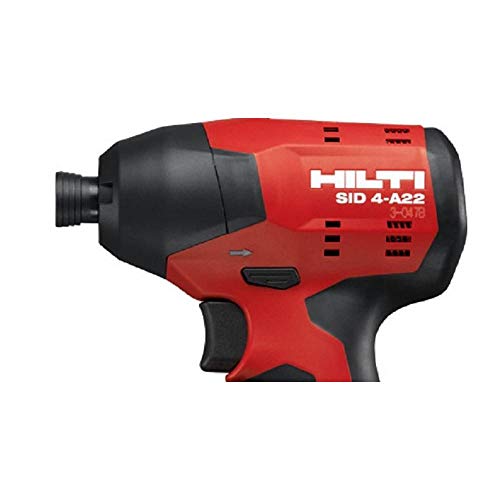
Hilti 22-Volt Lithium-Ion 1/4 Hex Cordless SID 4-A22 Impact Driver Tool Body




As an Amazon Associate we earn from qualifying purchases. Product prices and availability are accurate as of the date/time indicated.
Frequently Asked Questions
Can I use Hilti Nuron and Milwaukee One-Key simultaneously for different tool categories?
Yes, many organizations use multiple fleet management platforms for different tool types or brands. However, this creates data silos and requires manual reconciliation. For optimal efficiency, consolidate on a single platform. If your fleet is split between Hilti and Milwaukee tools, Milwaukee One-Key provides better unified management. If primarily Hilti tools, Nuron is superior despite requiring manual tracking of non-Hilti equipment.
How long does it take to implement either platform across a large fleet?
Implementation timelines depend on fleet size and organizational readiness. Small fleets (10-50 tools) typically take 2-4 weeks from decision to full deployment. Mid-size fleets (50-200 tools) require 6-12 weeks, including pilot phases, team training, and integration with existing systems. Large enterprise fleets (200+ tools) may require 3-6 months with phased rollout. Milwaukee One-Key generally implements 30-40% faster due to simpler setup requirements.
What happens to my data if I switch between platforms?
Both Hilti Nuron and Milwaukee One-Key support data export in standard formats (CSV, JSON). You can export tool inventories, maintenance histories, and utilization data. However, platform-specific features (like Hilti Nuron’s predictive maintenance algorithms) don’t transfer directly. Plan 20-40 hours for data migration and reconfiguration when switching platforms. Neither vendor charges data export fees, but switching costs time and operational disruption.
Which platform is better for contractors with crews spread across multiple job sites?
Milwaukee One-Key excels for distributed teams due to its mobile-first design and real-time GPS tracking. Supervisors can instantly see which tools are at which job sites without checking with crew members. Hilti Nuron also supports multi-site operations but requires more deliberate configuration. For organizations with 5+ simultaneous job sites, Milwaukee One-Key’s visibility advantages are more pronounced.
Do I need specialized IT expertise to implement either platform?
Milwaukee One-Key requires minimal IT involvement; most organizations can implement it independently in 1-2 days. Hilti Nuron benefits from IT support, particularly for ERP integration, but isn’t mandatory for basic deployment. If integrating with existing job management or accounting software, budget 10-20 hours of IT time for either platform. Organizations without IT staff should consider Milwaukee One-Key’s simpler requirements.
How often should I review fleet management reports and metrics?
Establish weekly reviews of tool availability and crew accountability, ensuring real-time issues are addressed. Conduct monthly reviews of utilization metrics, maintenance schedules, and cost analysis. Quarterly reviews should assess overall ROI, identify optimization opportunities, and plan capital equipment decisions. Annual reviews should evaluate platform performance against initial objectives and plan for upgrades or platform changes.
Is Hilti Nuron or Milwaukee One-Key the Better Investment for Your Fleet in 2026?
The choice between Hilti Nuron and Milwaukee One-Key depends on your specific operational context, existing tool investments, and organizational capabilities. Neither platform is universally superior; each excels in different scenarios and organizational environments. Understanding these distinctions enables you to make an informed decision aligned with your strategic objectives.
Choose Hilti Nuron if: Your fleet is predominantly Hilti equipment, you operate in remote areas with intermittent connectivity, you require advanced predictive maintenance and compliance reporting, you have IT resources to manage integrations, and you prioritize specialized construction features. Hilti Nuron’s offline-first design and comprehensive tool diagnostics make it ideal for heavy construction, demolition, and specialized trades. The platform’s depth of analytics supports long-term capital planning and equipment optimization.
Choose Milwaukee One-Key if: You use Milwaukee M18/M12 tools or maintain a mixed-brand fleet, you prioritize rapid implementation and minimal setup, you need mobile-first simplicity for distributed teams, you operate in areas with reliable cellular coverage, and you want to minimize software costs. Milwaukee One-Key’s platform-agnostic approach and freemium model make it ideal for general contractors, facility managers, and organizations seeking cost-effective fleet visibility without complex analytics requirements.
For most contractors in 2026, Milwaukee One-Key represents the optimal balance of functionality, cost, and ease of implementation. The platform’s compatibility with existing Milwaukee tools, mobile-first design, and lower total cost of ownership make it accessible to organizations of all sizes. However, if you’re building a specialized fleet around Hilti’s product ecosystem or require advanced predictive maintenance capabilities, Hilti Nuron’s depth and integration justify the higher complexity.
Regardless of your choice, implement a structured pilot program before full deployment. Involve representative users from different roles (supervisors, crew members, finance staff) in platform evaluation. Establish clear success metrics: reduction in tool loss rates, improvement in crew efficiency, and positive user feedback. Plan for 3-4 weeks of adjustment as teams adapt to new workflows. With proper implementation and user engagement, either platform delivers measurable ROI within 6-12 months through reduced tool loss, optimized maintenance scheduling, and improved operational visibility.
The fleet management software landscape continues evolving rapidly. Both Hilti and Milwaukee are investing heavily in artificial intelligence, advanced analytics, and ecosystem integrations. By May 2026, expect both platforms to introduce machine learning features for predictive tool failures, enhanced integration with job management software, and augmented reality tools for job site asset verification. Evaluate platforms based on their current capabilities and roadmap, ensuring your investment remains relevant as technology advances.




Write Your Review
No reviews yet. Be the first to share your experience!