

What Is a Digital Tire Pressure Gauge and Why Should You Use One?
A digital tire pressure gauge is an electronic device that measures air pressure inside your vehicle’s tires with precision and ease. Unlike analog gauges, digital models display readings on a small LCD screen, eliminating guesswork and human error. Modern digital gauges in 2026 offer accuracy within 1-2 PSI, making them essential tools for vehicle maintenance. They’re compact, durable, and often include features like automatic shutoff and backlit displays. Proper tire pressure extends tire lifespan, improves fuel efficiency, and enhances vehicle safety. Checking your tires monthly prevents blowouts and maintains optimal performance.
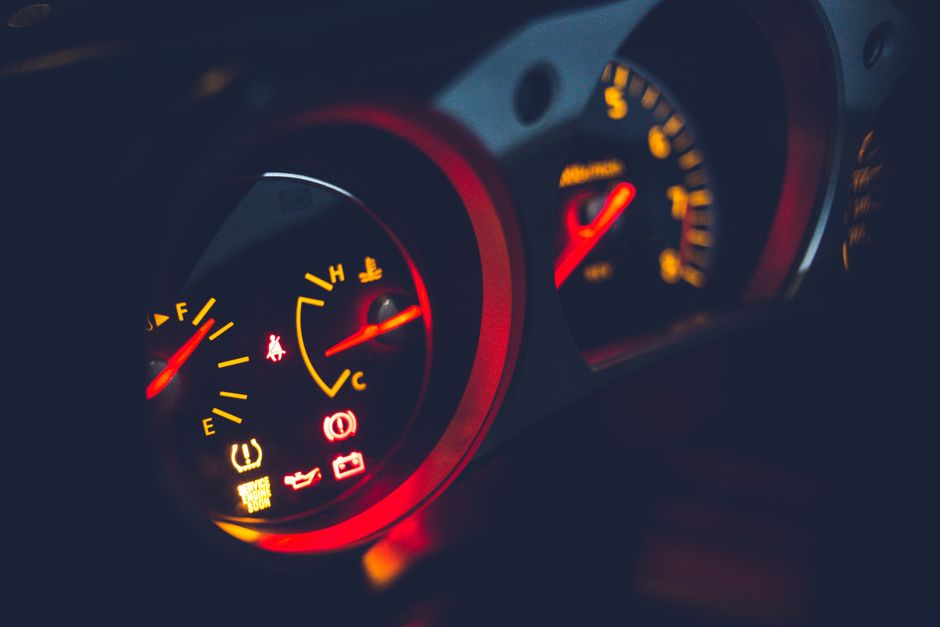
Digital gauges outperform mechanical alternatives in several key ways. They provide instant, clear readings without requiring you to interpret needle positions. Most models feature ergonomic designs that fit comfortably in your hand. Battery-powered operation ensures consistent performance in all weather conditions. Many drivers prefer digital gauges because they reduce the risk of incorrect pressure readings that could compromise safety.
Benefits of Using a Digital Gauge Over Analog Models
- Precise readings accurate to within 1-2 PSI for reliable tire maintenance.
- Easy-to-read LCD display eliminates confusion and interpretation errors.
- Compact and portable design fits in glove compartments and tool kits.
- Automatic shutoff feature preserves battery life during storage.
- Backlit screens allow checking tire pressure in low-light conditions.
Key Takeaway: Digital tire pressure gauges offer superior accuracy and ease of use compared to analog models, making them the preferred choice for vehicle maintenance in 2026.
How Do You Prepare Your Vehicle Before Checking Tire Pressure?
Proper preparation ensures accurate tire pressure readings every time. Start by parking your vehicle on a flat, level surface away from direct sunlight. Allow your tires to cool for at least three hours after driving, as tire pressure increases with heat. Hot tires can show readings 4-6 PSI higher than actual cold pressure. Check your vehicle’s recommended tire pressure in the owner’s manual or on the driver’s door jamb label. This specification represents the ideal pressure for your specific vehicle model and tire size.
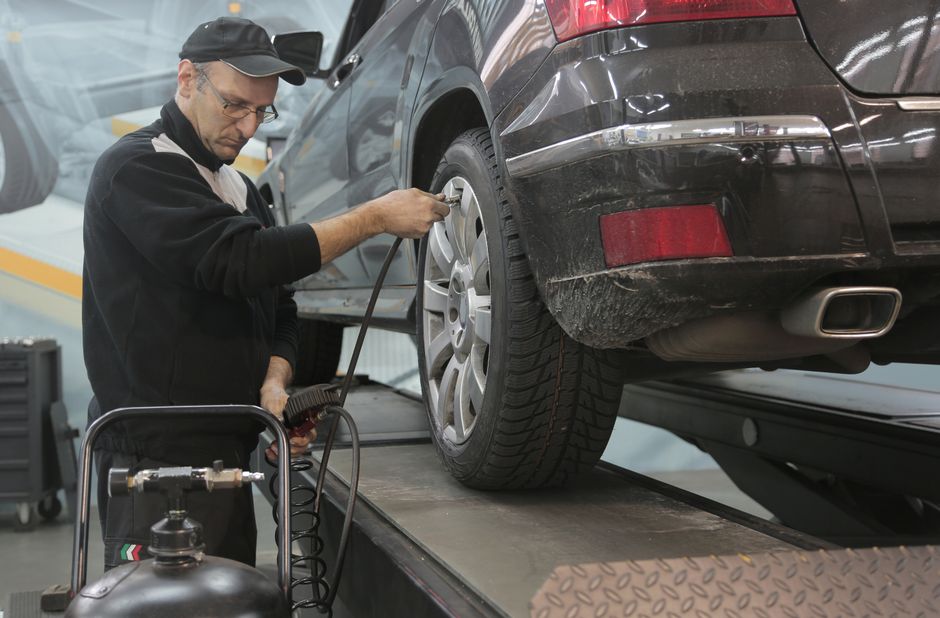
Gathering the right equipment before you begin saves time and frustration. Have your digital tire pressure gauge ready and ensure the battery is fresh. Locate the tire valve stems on all four wheels. Keep a pen and paper nearby to record readings for each tire. Some drivers photograph the readings using their smartphone for future reference.
Pre-Check Preparation Checklist
- Park on a level surface away from heat sources and direct sunlight.
- Wait at least three hours after driving for tires to cool completely.
- Locate your vehicle’s recommended PSI in the owner’s manual or door label.
- Check that your digital gauge battery is fresh and functional.
- Clean tire valve stems with a dry cloth to remove dirt and debris.
Key Takeaway: Allowing tires to cool and gathering proper equipment before checking pressure ensures accurate, reliable readings for your vehicle maintenance routine.
What Are the Step-by-Step Instructions for Using a Digital Tire Pressure Gauge?
Using a digital gauge correctly takes only a few minutes per tire. First, remove the valve stem cap by turning it counterclockwise. Set the cap aside in a safe location so you don’t lose it. Press the gauge firmly onto the valve stem at a 90-degree angle. You should hear a slight hissing sound as the gauge connects. Hold steady pressure for 1-2 seconds to allow the gauge to register the reading.
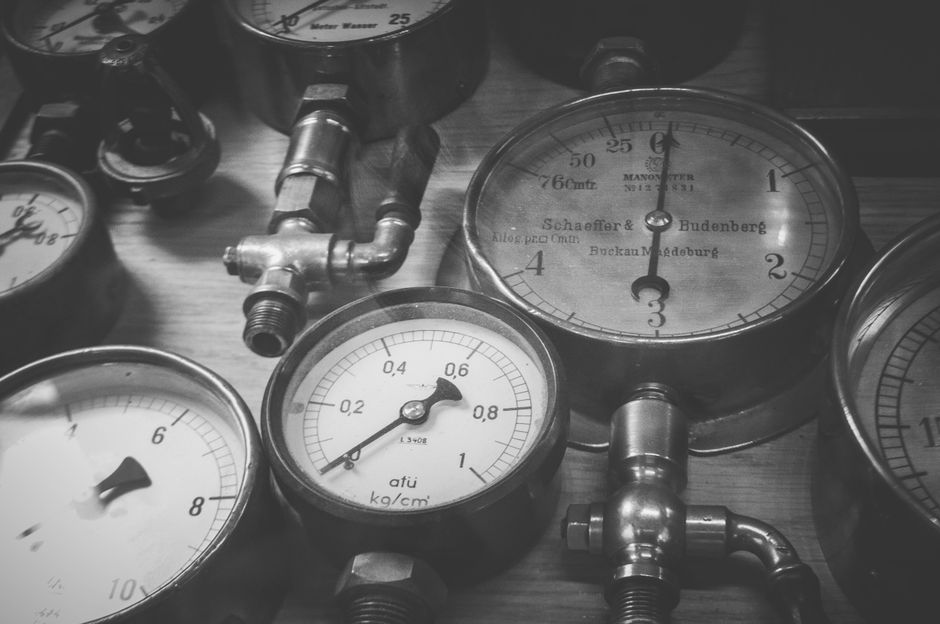
Read the digital display carefully and note the PSI measurement. Most gauges display results in pounds per square inch, though some also show bar or kiloPascal units. Compare your reading to the manufacturer’s recommended pressure. If the pressure is too low, you’ll need to add air. If it’s too high, release some air by pressing the small valve release button on the gauge. After checking all four tires, replace the valve stem caps securely.
Detailed Step-by-Step Process
- Remove the valve stem cap by turning counterclockwise and set it aside safely.
- Press the gauge onto the valve stem at a 90-degree angle with firm, steady pressure.
- Hold the gauge in place for 1-2 seconds while the reading registers on the display.
- Read the PSI measurement and compare it to your vehicle’s recommended pressure.
- Release the gauge and replace the valve stem cap by turning clockwise until snug.
- Repeat the process for all four tires and the spare if applicable.
For additional guidance on tire inflation after checking pressure, consider reading our guide on how to use a digital tire inflator with auto shutoff in 2026, which complements this pressure-checking process perfectly.
Key Takeaway: Following the correct step-by-step procedure ensures accurate pressure readings and prevents damage to your gauge or valve stems.
How Do You Troubleshoot Common Digital Gauge Problems?
Digital gauges occasionally malfunction or provide inconsistent readings. If your gauge shows no reading or an error message, check the battery first. Replace the battery if it’s dead or low. If the display remains blank after battery replacement, the gauge may have internal damage. Test the gauge on a tire you’ve recently checked with another gauge to verify accuracy. Consistent discrepancies of more than 2-3 PSI indicate the gauge needs replacement or recalibration.
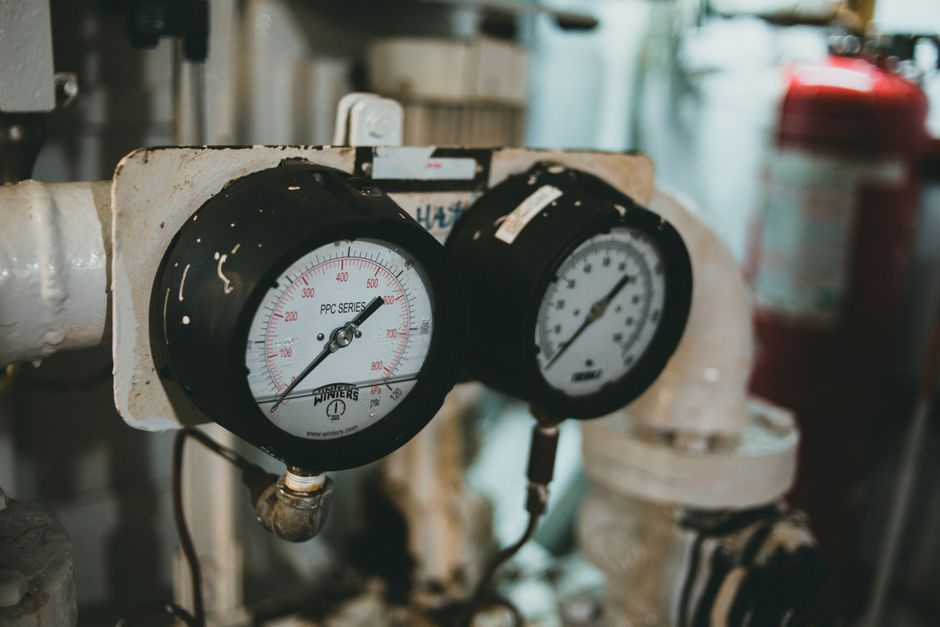
Valve stem issues can also cause reading problems. Dirty or corroded valve stems prevent proper gauge connection. Clean the valve stem with a dry cloth and try again. If the gauge still won’t register, the valve stem may be damaged and require replacement. Some digital gauges include a small brush attachment for cleaning valve stems before checking pressure.
Common Issues and Solutions
- No display or error message: Replace the battery and test the gauge on a known tire.
- Inconsistent readings: Clean the valve stem and verify gauge accuracy with a second gauge.
- Gauge won’t connect to valve stem: Ensure you’re pressing at a 90-degree angle with firm pressure.
- Hissing sound with no reading: The valve stem may be damaged or the gauge seal is compromised.
- Display shows extreme readings: Verify against another gauge; the unit may need recalibration or replacement.
Key Takeaway: Most digital gauge problems stem from dead batteries or dirty valve stems, both of which are easily resolved with basic maintenance.
What Practical Tips Improve Your Tire Pressure Checking Routine?
Establish a monthly checking schedule to maintain optimal tire pressure year-round. Mark your calendar on the first of each month as a reminder. Seasonal temperature changes affect tire pressure significantly, so check more frequently during spring and fall transitions. Summer heat can increase pressure by 3-5 PSI, while winter cold can decrease it by similar amounts. Keep a maintenance log recording all pressure readings for each tire. This historical data helps identify slow leaks or consistent pressure issues.

Invest in a high-quality digital gauge that offers accuracy and durability. Store your gauge in a protective case to prevent damage. Keep the gauge in your vehicle’s glove compartment for convenient access. Some drivers maintain two gauges—one in the vehicle and one at home. This ensures you always have a working gauge available when needed.
Best Practices for Regular Maintenance
- Check tire pressure monthly on the same date for consistency and habit formation.
- Record all readings in a maintenance log to track pressure trends over time.
- Increase checking frequency during seasonal transitions when temperatures change dramatically.
- Store your digital gauge in a protective case to prevent battery drain and damage.
- Keep the gauge easily accessible in your vehicle for quick, convenient checks.
- Replace gauge batteries annually even if they still function to ensure accuracy.
Key Takeaway: Establishing a consistent monthly checking routine with proper storage and record-keeping prevents tire problems and extends vehicle lifespan.
How Do You Choose the Right Digital Tire Pressure Gauge for Your Needs?
Several factors determine which digital gauge works best for your vehicle and driving habits. Consider the pressure range your gauge covers—most standard vehicles need 28-35 PSI, but trucks and SUVs may require higher ranges. Look for gauges with accuracy ratings of 1-2 PSI or better. Battery type matters too; alkaline batteries are common, but some models use rechargeable lithium batteries. Display brightness and size affect usability, especially for drivers with vision challenges or those checking tires in dim conditions.
Additional features enhance convenience and functionality. Automatic shutoff preserves battery life by turning off the gauge after a set period of inactivity. Backlit LCD displays allow checking pressure in low-light conditions. Some gauges include air release valves for letting air out of overinflated tires. Ergonomic handles and rubberized grips improve comfort during use. Price ranges from budget models at fifteen dollars to premium gauges exceeding fifty dollars.
Key Features to Compare
- Pressure range of 0-60 PSI covers most standard vehicles and light trucks.
- Accuracy within 1-2 PSI ensures reliable readings for proper maintenance.
- Backlit LCD display enables checking in dim lighting conditions.
- Automatic shutoff feature preserves battery life during storage periods.
- Durable rubber grip and compact design improve handling and portability.
- Built-in air release valve allows pressure adjustment without separate tools.
Key Takeaway: Choosing a gauge with accuracy, useful features, and appropriate pressure range ensures reliable tire maintenance for years to come.
What Is the Connection Between Tire Pressure and Vehicle Safety?
Maintaining proper tire pressure directly impacts vehicle safety and handling. Underinflated tires increase rolling resistance, reducing fuel efficiency by 3-5 percent. They also generate excessive heat, which accelerates tire wear and increases blowout risk. Overinflated tires reduce traction and create a harsh ride quality. Both conditions compromise braking performance and increase stopping distance. The National Highway Traffic Safety Administration emphasizes regular pressure checks as a critical safety practice. Proper pressure ensures even tire wear, extends tire lifespan by 15-20 percent, and maintains optimal vehicle control.
Seasonal changes necessitate pressure adjustments for safety. Cold weather decreases tire pressure as air contracts inside the tire. A ten-degree temperature drop can reduce pressure by 1-2 PSI. Conversely, hot weather increases pressure as air expands. Monitoring pressure through seasonal transitions prevents safety issues. Regular checks catch slow leaks before they become dangerous. A tire losing 2-3 PSI per month indicates a slow leak requiring immediate attention.
Key Takeaway: Regular tire pressure monitoring using a digital gauge is essential for vehicle safety, fuel efficiency, and tire longevity.
Frequently Asked Questions
How often should I check my tire pressure with a digital gauge?
Check your tire pressure at least once monthly, preferably on the same date each month. Additionally, check pressure before long road trips and after significant temperature changes. Seasonal transitions require more frequent checks since tire pressure fluctuates with ambient temperature. Some drivers prefer weekly checks for peace of mind, though monthly is the industry standard recommendation for most vehicles.
What is the correct PSI for my vehicle’s tires?
Find your vehicle’s recommended tire pressure on the driver’s door jamb label or in your owner’s manual. This specification is specific to your vehicle model and tire size. Never use the maximum pressure printed on the tire sidewall—that’s the tire’s maximum capacity, not the recommended operating pressure. Recommended pressures typically range from 28-35 PSI for standard vehicles, though trucks and performance vehicles may differ significantly.
Can I check tire pressure immediately after driving?
Avoid checking tire pressure immediately after driving because friction heats the tires, inflating pressure readings by 4-6 PSI. Wait at least three hours after driving to allow tires to cool completely. This ensures accurate readings that reflect true cold pressure. If you must check after driving, note that readings will be higher than actual cold pressure and adjust accordingly when inflating.
Why does my digital gauge show different readings than my mechanic’s gauge?
Gauge calibration differences, valve stem cleanliness, and timing variations can cause discrepancies. If differences exceed 2-3 PSI, have your gauge tested against a known accurate gauge. Dirty valve stems prevent proper gauge connection and affect readings. Test both gauges on the same tire immediately after cooling for accurate comparison. If your gauge consistently reads high or low, recalibration or replacement may be necessary.
Should I adjust tire pressure for different driving conditions?
Stick with the manufacturer’s recommended pressure for normal driving conditions. Some performance drivers adjust pressure slightly for racing or extreme conditions, but standard vehicle operation requires the specified pressure. Adjusting pressure for comfort or handling is not recommended as it compromises safety and fuel efficiency. Always return to recommended pressure for regular driving after any adjustments.
What’s the difference between PSI and bar pressure measurements?
PSI measures pressure in pounds per square inch, while bar measures absolute pressure in metric units. One bar equals approximately 14.5 PSI. Many digital gauges display both measurements for user convenience. Always verify which unit your gauge displays and compare readings to the correct specification. Vehicle manufacturers typically specify pressure in PSI in North America and bar in Europe.
How Can You Maintain Your Digital Tire Pressure Gauge for Long-Term Reliability?
Proper maintenance extends your digital gauge’s lifespan and ensures consistent accuracy. Store the gauge in a protective case away from extreme temperatures and moisture. Remove the battery if you won’t use the gauge for extended periods to prevent battery corrosion. Replace batteries annually even if they still function to maintain peak performance. Avoid dropping the gauge or exposing it to physical shock, which can damage internal components. Clean the gauge exterior with a dry cloth regularly.
Test your gauge’s accuracy quarterly by checking a tire you’ve recently verified with another gauge. If readings consistently differ by more than 2-3 PSI, the gauge may need recalibration or replacement. Most manufacturers offer recalibration services for a reasonable fee. Keep your gauge receipt and warranty documentation for potential repairs. Proper care ensures your investment in a quality digital gauge pays dividends for years of reliable tire pressure monitoring.
Key Takeaway: Regular maintenance, proper storage, and periodic accuracy testing keep your digital gauge functioning reliably for years of accurate tire pressure monitoring.
What Should You Do After Checking Your Tire Pressure?
After recording your tire pressure readings, compare them to the manufacturer’s recommended specification. If pressure is low, add air using an air compressor or tire inflator. For guidance on this process, review our detailed article on how to use a digital tire inflator with auto shutoff in 2026. If pressure is high, release air carefully using the gauge’s release valve or a dedicated air release tool. Check pressure again after adjustment to confirm you’ve reached the target. Replace all valve stem caps securely to prevent dirt and moisture from entering the valve.
Document your findings in a maintenance log for future reference. Note the date, tire pressures for each wheel, ambient temperature, and any adjustments made. This record helps identify pressure trends and potential slow leaks. If any tire consistently reads 2-3 PSI lower than others, investigate for punctures or valve stem issues. Schedule professional inspection if you suspect a slow leak or valve stem damage. Consistent pressure monitoring catches problems early, preventing expensive tire replacements.
Key Takeaway: Recording readings and adjusting pressure as needed maintains optimal tire condition and vehicle safety throughout the year.
Why Is Regular Tire Pressure Monitoring Essential in 2026?
Modern vehicles in 2026 increasingly rely on tire pressure monitoring systems (TPMS) that alert drivers to significant pressure drops. However, these systems typically activate only when pressure drops 25 percent or more below recommended levels. Regular manual checks with a digital gauge catch smaller pressure variations before they become problematic. Proactive monitoring prevents fuel waste, extends tire lifespan, and maintains vehicle safety. Many drivers combine TPMS alerts with monthly manual checks for comprehensive tire management.
Environmental concerns make tire pressure monitoring more important than ever. Properly inflated tires reduce fuel consumption and associated emissions. Extending tire lifespan through proper pressure maintenance reduces waste in landfills. Vehicle safety improvements from consistent pressure monitoring prevent accidents and injuries. The relatively small investment in a quality digital gauge pays dividends through fuel savings, extended tire life, and improved safety. Making tire pressure checking a monthly habit protects your vehicle investment while contributing to environmental sustainability.
Key Takeaway: Regular tire pressure monitoring with a digital gauge in 2026 is essential for safety, efficiency, environmental responsibility, and vehicle longevity.
How Does Checking Tire Pressure Compare to Other Vehicle Maintenance Tasks?
Tire pressure checking is one of the simplest yet most impactful vehicle maintenance tasks you can perform. It requires minimal equipment—just a digital gauge—and takes only five minutes total. Unlike oil changes or filter replacements, checking pressure requires no special skills or mechanical knowledge. The results directly impact fuel economy, tire lifespan, and vehicle safety. Many drivers overlook this simple task despite its significant benefits. Establishing a monthly routine makes tire pressure checking as automatic as checking your mailbox.
Complementary maintenance tasks enhance your vehicle’s overall health. After checking pressure, consider rotating tires every 5,000-7,000 miles to ensure even wear. Wheel alignment checks prevent uneven tire wear and improve handling. Valve stem inspection during pressure checks catches damage early. These simple tasks, combined with regular pressure monitoring, keep your vehicle running smoothly. For related tool maintenance information, explore our guides on how to lubricate air tools properly in 2026 if you use pneumatic equipment for vehicle maintenance.
Key Takeaway: Tire pressure checking is the simplest, most impactful vehicle maintenance task, requiring minimal time and equipment for maximum safety and efficiency benefits.







Write Your Review
No reviews yet. Be the first to share your experience!