

What Is a Digital Tire Inflator with Auto Shutoff and Why Should You Use One?
A digital tire inflator with auto shutoff is a portable air pump that automatically stops filling when your tire reaches the preset pressure. Modern models feature digital displays showing real-time PSI readings, making it easy to achieve exact tire pressure without guesswork. These devices save time, prevent over-inflation, and protect your tires from damage. The auto shutoff feature eliminates the need for constant monitoring, making inflation safer and more convenient for drivers of all skill levels.

Proper tire pressure affects fuel efficiency, tire lifespan, and vehicle safety. Under-inflated tires waste fuel and wear unevenly. Over-inflated tires reduce traction and increase blowout risk. A digital tire inflator with auto shutoff ensures your tires stay at manufacturer-recommended PSI, which typically ranges from 28 to 35 PSI for most passenger vehicles. Using this tool regularly takes just minutes and prevents costly tire damage and accidents.
Key Takeaway: Digital tire inflators with auto shutoff deliver precise pressure automatically, protecting your tires and improving vehicle performance.
How Do You Set Up Your Digital Tire Inflator Before First Use?
Before inflating any tire, inspect your digital tire inflator for damage or defects. Check the power source—whether it uses a 12V car outlet, USB charging, or batteries. Ensure the device is fully charged or has fresh batteries installed. Read the manufacturer’s manual to understand all buttons, displays, and settings specific to your model.

Next, locate the correct tire pressure specification for your vehicle. This information appears on a sticker inside your driver’s door jamb or in your owner’s manual. Do not use the maximum pressure listed on the tire sidewall. That number indicates the tire’s maximum safe capacity, not the recommended operating pressure.
- Check the inflator’s power source and charge level completely.
- Read the instruction manual for your specific model.
- Find your vehicle’s recommended PSI on the door jamb sticker.
- Verify the inflator has the correct valve attachment for your tire type.
- Test the digital display in a well-lit area to ensure readability.
Understanding Your Inflator’s Display and Controls
Most digital tire inflators feature a small LCD screen showing current PSI, preset pressure, and remaining time. Buttons typically include power, mode selection, and preset adjustment. Familiarize yourself with each control before approaching your vehicle. Some models offer multiple unit options—PSI, BAR, or KPA—so select the measurement your vehicle uses.
Key Takeaway: Proper setup ensures your inflator works correctly and you have all necessary information before inflation begins.
What Are the Step-by-Step Instructions for Using Your Digital Tire Inflator?
Begin by parking on a level surface in a safe, well-lit location. Turn off your engine and allow tires to cool for at least three hours after driving. Hot tires read higher pressure and may give false readings. Check the current tire pressure before setting your target PSI.
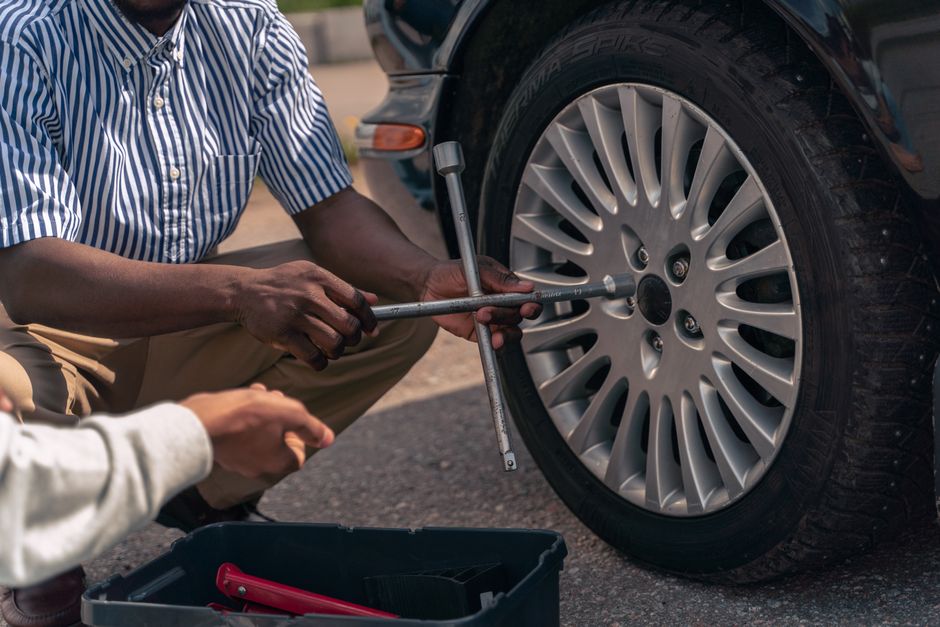
Remove the tire valve cap by turning it counterclockwise. Keep it in a safe pocket or container so you don’t lose it. Locate the inflator’s valve connector—it typically has a rubber seal or cone-shaped tip designed to fit your tire valve snugly.
- Park on level ground away from traffic.
- Wait at least three hours after driving for tires to cool.
- Remove the valve cap and set it aside safely.
- Check current tire pressure with the inflator’s gauge function.
- Attach the connector firmly to the tire valve until you hear a click.
Setting Your Target Pressure and Starting Inflation
Once the connector is attached, use the preset button to enter your target PSI. Most digital inflators allow you to scroll through pressure settings using up and down buttons. Confirm the target pressure displays on the screen before pressing start. Press the power or start button to begin inflation.
The inflator will display real-time pressure as it fills your tire. Most models emit a beeping sound when pressure reaches 80 percent of your target, alerting you that inflation is nearly complete. The auto shutoff feature activates when pressure matches your preset PSI exactly, stopping airflow automatically.
Completing the Inflation Process
After the inflator shuts off automatically, wait five seconds before disconnecting it from the valve. This pause prevents air loss when you separate the connector. Remove the connector by twisting it counterclockwise or pressing the release button, depending on your model’s design.
Immediately reinstall the tire valve cap by turning it clockwise until snug. Do not over-tighten—hand-tight pressure is sufficient. Repeat this process for all four tires, checking each against your vehicle’s recommended PSI. Some drivers check a fifth tire if they have a spare mounted on their vehicle.
Key Takeaway: Follow each step carefully: cool tires, attach firmly, set pressure, start inflation, wait for auto shutoff, then disconnect and cap the valve.
How Do You Troubleshoot Common Digital Tire Inflator Problems?
If your inflator fails to start, verify the power source first. Check that batteries are installed correctly with proper polarity or that your device is fully charged. Test the power button by holding it for three seconds. If the display remains dark, try replacing batteries or charging overnight.

If the inflator connects but doesn’t inflate, the valve attachment may not be seated properly. Disconnect and reattach the connector, pressing firmly until you hear or feel a click. Some models require a slight twisting motion to create an airtight seal. Listen for hissing sounds indicating air leakage around the connection point.
- Device won’t power on: Replace batteries or charge the unit completely.
- No air flows: Reattach the connector with firm pressure and slight rotation.
- Pressure reading fluctuates: Ensure the valve connection remains secure throughout inflation.
- Auto shutoff doesn’t activate: Verify your target PSI is correctly programmed.
- Display shows error code: Consult your manual for specific error meanings.
When to Seek Professional Help
If your inflator leaks air from the connection point even when properly attached, the rubber seal may be damaged. Contact the manufacturer for replacement parts or consider purchasing a new unit. If your vehicle’s tire continues losing pressure despite correct inflation, the tire itself may have a puncture requiring professional repair at a tire shop.
Key Takeaway: Most problems stem from loose connections or power issues—troubleshoot these first before assuming equipment failure.
What Maintenance Keeps Your Digital Tire Inflator Working Reliably?
Store your inflator in a cool, dry location away from extreme temperatures and moisture. Excessive heat degrades batteries and electronic components. After each use, wipe the valve connector with a clean, dry cloth to remove dirt and debris. This prevents contaminants from entering your tires through the valve.

Check battery levels monthly if your model uses replaceable batteries. Replace batteries before they fully drain to prevent damage to the device’s circuitry. For rechargeable models, charge the unit after every three to five uses or when the battery indicator shows low power. Keep the charging cable organized and protected from damage.
- Store in a cool, dry location away from heat and humidity.
- Wipe the valve connector after each use with a dry cloth.
- Replace batteries monthly or when power indicator shows low.
- Charge rechargeable models after every three to five uses.
- Inspect the inflator for cracks or damage before each use.
Extending Your Inflator’s Lifespan
Avoid dropping or striking your digital inflator, as internal components are fragile. Keep the device away from moisture and never use it in heavy rain or wet conditions. If you accidentally expose it to water, allow it to dry completely for 24 hours before using it again. Store the inflator in its carrying case if one was provided with your purchase.
Key Takeaway: Regular cleaning, proper storage, and battery maintenance extend your inflator’s lifespan and ensure consistent performance.
How Does a Digital Tire Inflator Compare to Manual Pumps and Compressors?
Manual hand pumps require significant physical effort and offer no pressure control or auto shutoff features. They lack digital displays, making it difficult to achieve precise PSI without a separate gauge. Digital tire inflators eliminate manual labor and provide exact pressure readings automatically. They work faster and reduce the risk of over-inflation from user error.
Portable air compressors are more powerful than digital tire inflators and can handle multiple tools and applications. However, they are bulkier, more expensive, and require more storage space. For tire inflation alone, a digital tire inflator offers sufficient power and superior convenience. Many drivers keep a digital inflator in their car for emergency use while maintaining a larger compressor at home for workshop tasks.
- Manual pumps: No power needed, but require physical effort and guesswork on pressure.
- Digital inflators: Automatic, precise, portable, and ideal for tire maintenance.
- Air compressors: More powerful and versatile, but bulkier and more expensive.
- Digital inflators: Best for frequent tire pressure checks and emergency roadside inflation.
Key Takeaway: Digital tire inflators offer the best balance of precision, portability, and ease of use for regular tire maintenance.
What Safety Precautions Should You Follow When Using a Digital Tire Inflator?
Never inflate a tire that is visibly damaged, bulging, or has punctures. Inflating a damaged tire can cause a blowout, creating a safety hazard. If you notice cracks, bulges, or foreign objects embedded in the tire, have it inspected by a professional before attempting inflation. Similarly, do not over-inflate beyond your vehicle’s recommended PSI, as this stresses the tire structure and increases blowout risk.
Always inflate tires in a safe location away from traffic. Use a well-lit area so you can see the tire and inflator clearly. Keep children and pets away from the inflation area. Never leave the inflator unattended while it is operating, even with the auto shutoff feature enabled. Stay alert for any unusual sounds or signs of malfunction during the inflation process.
- Never inflate visibly damaged, bulging, or punctured tires.
- Do not exceed your vehicle’s recommended maximum PSI.
- Inflate in a safe, well-lit location away from traffic.
- Keep children and pets away from the inflation area.
- Monitor the inflator throughout the process despite auto shutoff protection.
Understanding Temperature Effects on Tire Pressure
Tire pressure increases approximately one PSI for every 10-degree Fahrenheit temperature increase. In summer, check tire pressure in the morning before the sun heats the tires. In winter, tire pressure drops in cold weather, so inflate slightly higher than usual to compensate. This knowledge helps you maintain consistent tire pressure year-round in August 2026 and beyond.
Key Takeaway: Prioritize safety by avoiding damaged tires, monitoring inflation, and understanding how temperature affects pressure readings.
How Often Should You Check and Adjust Your Tire Pressure?
Check your tire pressure at least once monthly, even if tires appear properly inflated. Monthly checks catch slow leaks before they become dangerous. Additionally, check pressure before long road trips, as properly inflated tires improve fuel economy and vehicle handling. Many drivers also check pressure seasonally when transitioning between summer and winter driving.
Most tire pressure loss occurs gradually through normal tire permeability and small valve leaks. A tire can lose one to two PSI per month without any visible damage. Regular monthly checks using your digital tire inflator prevent pressure from dropping dangerously low. If a tire loses more than 5 PSI in one month, have it inspected for slow leaks or valve problems.
- Check tire pressure monthly as routine maintenance.
- Check before long road trips to optimize fuel economy.
- Check seasonally when temperatures change significantly.
- Replace valve caps if they are cracked or missing.
- Keep a pressure log to track trends and identify slow leaks.
Key Takeaway: Monthly pressure checks using your digital inflator prevent most tire-related problems and extend tire lifespan significantly.
What Are the Best Practices for Storing Your Inflator Between Uses?
Keep your digital tire inflator in a protective carrying case or bag to shield it from dust, moisture, and physical damage. Store it in your vehicle’s trunk, a garage shelf, or a bedroom closet—any cool, dry location away from extreme heat. Do not store it in direct sunlight or near heat sources, as prolonged exposure degrades electronic components and battery performance.
Before storing your inflator for extended periods, ensure the battery is fully charged or fresh batteries are installed. A charged battery maintains its condition better during storage than a depleted one. If you won’t use the inflator for several months, charge it monthly to prevent battery degradation. Keep the inflator away from corrosive chemicals, gasoline, and oil that can damage the housing and internal components.
- Store in a protective case or bag in a cool, dry location.
- Avoid direct sunlight and heat sources that degrade components.
- Keep the battery fully charged before long-term storage.
- Charge rechargeable units monthly during extended non-use.
- Store away from chemicals, gasoline, and oil.
Key Takeaway: Proper storage in a protective case and cool environment preserves your inflator’s functionality and extends its operational lifespan.
How Does Your Digital Tire Inflator Fit into Your Broader Tire Maintenance Routine?
Your digital tire inflator is one component of comprehensive tire care. Regular pressure checks complement tire rotation every 5,000 to 7,000 miles, wheel alignment checks, and visual inspections for wear patterns. A complete tire maintenance routine also includes checking tread depth using the penny test and having professional inspections annually. These practices together maximize tire lifespan and vehicle safety.
If you maintain an air compressor at home for workshop projects, your digital tire inflator serves as a convenient portable alternative for vehicle maintenance. For more information on compressor maintenance, see our guides on how to drain moisture from an air compressor tank and how to oil an air compressor pump. These resources help you maintain your home equipment while your digital inflator handles roadside tire care.
Key Takeaway: Integrate your digital tire inflator into a complete tire maintenance routine that includes rotation, alignment checks, and professional inspections.
Can You Use Your Digital Tire Inflator for Other Applications Beyond Car Tires?
Many digital tire inflators feature multiple valve attachments for different applications. Check your user manual to identify which attachments are included with your model. Some inflators work with bike tires, sports equipment, and air mattresses. However, not all digital inflators are suitable for all applications—verify compatibility before attempting to inflate non-tire items.
If you need to inflate bicycle tires, sports balls, or air mattresses regularly, choose a multi-purpose digital inflator that includes appropriate valve adapters. These versatile models cost slightly more but offer greater utility. For workshop applications requiring high-pressure air for tools and equipment, a larger air compressor provides better performance than a portable digital tire inflator.
Key Takeaway: Check your inflator’s specifications to determine if it supports multiple applications beyond vehicle tire inflation.
What Should You Know About Digital Tire Inflator Technology in 2026?
Modern digital tire inflators in 2026 feature improved battery technology, faster inflation speeds, and more accurate pressure sensors than previous generations. Many models now include wireless connectivity options, allowing you to monitor inflation progress via smartphone apps. LED work lights on the inflator illuminate the tire valve area for better visibility in low-light conditions.
Auto shutoff technology has become more reliable and responsive, with most quality models achieving pressure accuracy within 0.5 PSI of your target setting. Some premium models include preset buttons for multiple vehicles, storing different tire pressure configurations for cars, trucks, and SUVs. These technological advances make tire maintenance faster, easier, and more precise than ever before.
- Improved battery technology provides longer runtime and faster charging.
- Faster inflation speeds reduce the time needed for tire maintenance.
- More accurate sensors achieve precision within 0.5 PSI.
- Wireless connectivity allows smartphone monitoring and control.
- LED work lights improve visibility in dark or low-light conditions.
- Multi-vehicle presets store different pressure settings for various vehicles.
Key Takeaway: 2026 digital tire inflators offer superior accuracy, speed, and smart features compared to older models.
How Do You Choose the Right Digital Tire Inflator for Your Needs?
Consider your vehicle type first—standard cars require different power levels than trucks or SUVs with larger tires. Check the inflator’s maximum PSI capacity to ensure it meets your vehicle’s requirements. Most car inflators reach 150 PSI, while truck models may reach 200 PSI or higher. Verify that the inflator’s power source matches your situation—12V car outlets work for frequent home use, while rechargeable models offer greater portability.
Evaluate additional features based on your priorities. If you frequently inflate tires in darkness, prioritize models with bright LED lights. If you own multiple vehicles with different tire pressures, choose a model with programmable presets. Read customer reviews to assess reliability and accuracy of auto shutoff functions. Budget typically ranges from 30 to 150 dollars depending on features and brand reputation.
- Verify the inflator’s maximum PSI matches your vehicle’s tire requirements.
- Choose 12V car outlet models for home use or rechargeable for portability.
- Prioritize LED work lights if you inflate tires in low-light conditions.
- Select programmable presets if you own multiple vehicles.
- Read reviews to assess auto shutoff accuracy and reliability.
- Compare prices and warranty coverage before purchasing.
Key Takeaway: Select a digital tire inflator based on your vehicle type, power preferences, and desired features within your budget.
What Is the Conclusion About Using Digital Tire Inflators with Auto Shutoff?
Digital tire inflators with auto shutoff represent a significant advancement in vehicle maintenance technology. They eliminate guesswork, prevent over-inflation, and save time compared to manual pumps or traditional compressors. By following the setup, operation, and maintenance procedures outlined in this guide, you can safely and effectively maintain optimal tire pressure for your vehicle. Proper tire pressure improves fuel economy, extends tire lifespan, and enhances vehicle safety for you and your passengers.
Make tire pressure checks part of your monthly vehicle maintenance routine. Keep your digital inflator charged, clean, and stored properly to ensure it performs reliably whenever needed. Whether you’re preparing for a long road trip or conducting routine maintenance, your digital tire inflator provides quick, accurate, and convenient tire pressure management. Invest in a quality model with reliable auto shutoff technology, and you’ll enjoy years of dependable tire care. Start checking your tire pressure today and experience the benefits of properly inflated tires throughout 2026 and beyond.
Key Takeaway: Digital tire inflators with auto shutoff are essential tools for modern vehicle maintenance, offering precision, convenience, and improved safety.







Write Your Review
No reviews yet. Be the first to share your experience!