

What is Cam-Out and Why Does It Happen When Driving Screws?
Cam-out occurs when a screwdriver bit slips out of the screw head during driving, stripping the fastener and damaging your workpiece. This frustrating problem happens because the bit loses contact with the screw’s drive recess. The result is a ruined screw, wasted time, and potential project delays. Understanding cam-out mechanics is essential for any woodworker, contractor, or DIY enthusiast. In September 2026, modern screwdriving techniques combine proper bit selection with controlled technique to virtually eliminate this issue.
Cam-out typically results from several interconnected factors working simultaneously. Worn or damaged bits, incorrect bit-to-screw fit, excessive speed, and poor angle control all contribute to slippage. Phillips head screws are notorious for cam-out because their conical design naturally forces bits outward under pressure. Square drive and torx screws offer better resistance, but improper technique still causes problems. Recognizing these causes helps you choose prevention strategies that actually work.
Key Takeaway: Cam-out happens when screwdriver bits slip from screw heads, and it’s preventable through proper bit selection, technique, and tool maintenance.
How Do You Choose the Right Screwdriver Bit to Prevent Cam-Out?
Selecting the correct bit is your first line of defense against cam-out. The bit must fit snugly into the screw head’s drive recess with minimal play. A loose fit guarantees slippage under driving pressure. Most cam-out occurs because people use undersized or worn bits that don’t engage properly. Investing in quality bits from reputable manufacturers makes an immediate difference in driving success.
Different screw types require different bit geometries for optimal engagement:
- Phillips bits: Choose size 1, 2, or 3 based on screw gauge; size 2 fits most standard screws.
- Square drive (Robertson) bits: Offer superior engagement and rarely cam-out when properly sized.
- Torx bits: Provide excellent holding with six-point contact; size E10 handles most applications.
- Pozidriv bits: Similar to Phillips but with additional flutes for better grip and reduced cam-out.
- Slotted bits: Most prone to cam-out; avoid for critical applications whenever possible.
Why Bit Material and Condition Matter
Premium bits made from hardened steel maintain their shape longer than budget alternatives. Damaged or dulled bits lose their precise geometry, creating gaps between bit and screw. Replace bits showing wear, chipping, or rounding at the engagement points. A $2 bit replacement prevents $20 in scrap material and frustration.
Magnetic bits improve control by holding screws securely during initial driving. This stability reduces the tendency for bits to slip sideways. Many professionals prefer magnetic bits for overhead work and hard-to-reach fastening tasks.
Key Takeaway: Match bit size and type precisely to your screw, use quality materials, and replace worn bits immediately.
What Driving Techniques Eliminate Cam-Out Problems?
Proper technique is equally important as tool selection when preventing cam-out. Many DIYers drive screws too quickly, applying excessive rotational force that overwhelms bit-to-screw engagement. Controlled, methodical driving at moderate speeds produces better results. Your hand position, pressure application, and angle all influence success rates dramatically.
Start with these fundamental technique adjustments:
- Maintain perpendicular angle: Keep the screwdriver perfectly aligned with the screw axis.
- Apply firm downward pressure: Push the bit into the screw head as you rotate.
- Use moderate speed: Avoid high-speed rotations that encourage slippage.
- Start slowly: Begin at low speed until the screw engages fully, then increase pace.
- Stop before final tightness: Back off slightly before the screw becomes fully seated.
Controlling Speed and Pressure for Maximum Grip
Cordless drill speed settings matter more than most users realize. Slower speeds (under 400 RPM) provide better control and reduce cam-out risk significantly. Many modern drills offer two-speed transmissions; use the lower speed for fastening work. Excessive speed creates outward forces that push bits away from screw heads. Counterintuitively, slower driving produces faster, more reliable results overall.
Downward pressure is your second critical control variable. Press firmly as you drive, maintaining consistent pressure throughout the fastening process. Light pressure allows bits to wander and slip. Heavy pressure forces the bit deeper into the drive recess, maximizing contact area and grip. Find the balance between firm pressure and avoiding screw head deformation.
Key Takeaway: Use moderate speeds under 400 RPM, maintain perpendicular angles, and apply consistent downward pressure throughout driving.
How Can You Prepare Screws and Materials for Better Fastening?
Pre-driving preparation prevents many cam-out incidents before they start. Pilot holes reduce resistance and allow screws to seat properly without excessive force. Pilot holes also prevent wood splitting and material cracking that complicates fastening. For hard woods, dense materials, or small diameter screws, pilot holes become essential. Even soft materials benefit from properly sized pilot holes.
Material preparation techniques that reduce cam-out:
- Drill pilot holes sized 60-70% of screw diameter for wood applications.
- Use clearance holes for through-fastening to eliminate binding resistance.
- Clamp materials securely to prevent shifting during driving.
- Remove surface debris and finish that might interfere with bit engagement.
- Mark screw locations to ensure accurate, perpendicular driving angles.
Securing Workpieces for Stable Fastening
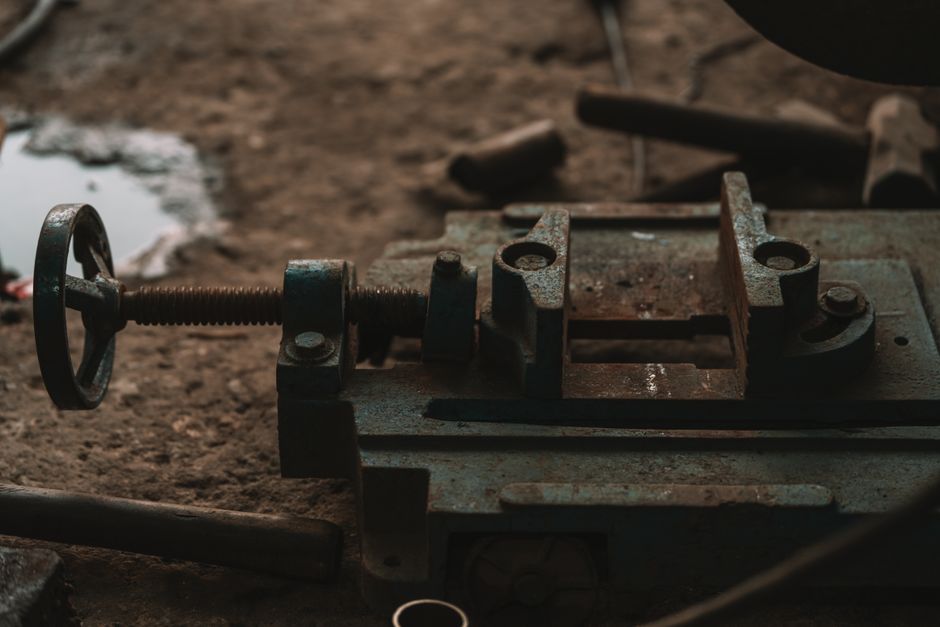
Loose workpieces shift under driving pressure, causing bits to slip and screws to strip. Clamp your materials securely before beginning fastening work. A properly mounted bench vise holds components stable while you drive fasteners. Vises eliminate the frustration of one-handed holding while driving with the other hand.
For portable projects, use C-clamps, bar clamps, or quick-grip clamps to immobilize materials. Stable materials allow you to focus entirely on proper technique and bit control. Movement is a hidden cause of many cam-out incidents that people blame on tools rather than setup.
Key Takeaway: Prepare materials with pilot holes and secure workpieces with clamps to eliminate shifting during fastening.
What Tools and Accessories Help Prevent Cam-Out?
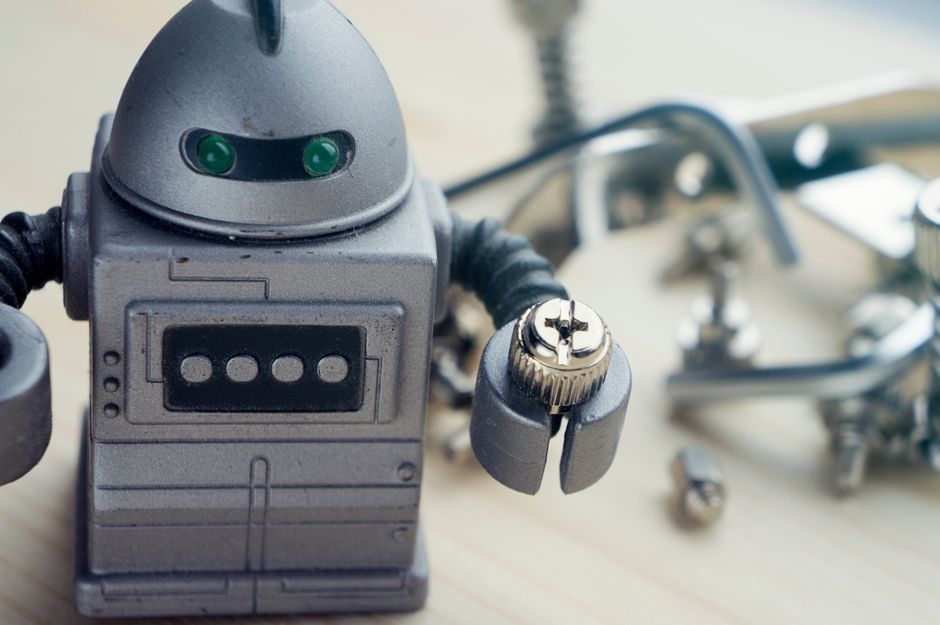
Specialized tools and accessories address specific cam-out challenges. Impact drivers provide superior fastening power compared to standard cordless drills. Impact mechanisms deliver rotational bursts that overcome resistance without relying on continuous torque. This action reduces the likelihood of bit slippage during difficult fastening tasks. Impact drivers excel with Phillips head and slotted screws where cam-out risks are highest.
Helpful accessories and tools for preventing cam-out:
- Screw guides: Magnetic sleeves that hold bits perpendicular during initial engagement.
- Bit holders: Secure bits firmly in your drill chuck with minimal runout.
- Drill press vises: Position materials perfectly for perpendicular fastening angles.
- Anti-slip bit coatings: Textured surfaces improve grip on screw heads.
- Adjustable torque settings: Limit rotational force to prevent over-driving and stripping.
When Should You Use Impact Drivers Instead of Standard Drills?
Impact drivers shine for fastening large diameter screws, driving into hardwoods, or working with difficult fastener types. Their rotational bursts overcome resistance that would cause standard drills to slip. However, impact drivers can overdrive screws if you’re not careful, stripping heads and damaging materials. Use impact drivers with medium power settings for precision work.
Standard cordless drills remain superior for light-duty fastening, driving in soft materials, and situations requiring delicate control. Match your tool to the task. Heavy fastening demands impact drivers; precise, controlled driving prefers standard drills with proper technique.
Key Takeaway: Impact drivers overcome resistance that causes cam-out in difficult applications, while standard drills provide better control for precision fastening.
What Practical Steps Should You Follow When Driving Screws?
A systematic approach to screw driving minimizes cam-out occurrences. Following a consistent procedure builds good habits and prevents mistakes. This step-by-step method works for woodworking, construction, assembly, and general fastening applications.
Follow this proven procedure for reliable screw driving:
- Select the correct bit size and type for your specific screw.
- Inspect the bit for damage, wear, or dullness; replace if needed.
- Prepare materials with pilot holes sized appropriately for your application.
- Clamp workpieces securely to eliminate movement during fastening.
- Insert the bit fully into the screw head before applying power.
- Apply firm downward pressure while rotating at moderate speed.
- Maintain perpendicular angle throughout the entire driving sequence.
- Stop before the screw becomes fully seated to avoid over-driving.
- Back off slightly and inspect the fastener for proper seating.
- Remove the driver smoothly without twisting or lateral movement.
Troubleshooting Cam-Out When It Occurs
If cam-out happens despite prevention efforts, stop immediately and assess the situation. Continuing to drive a slipping screw only worsens damage. Remove the fastener, inspect both bit and screw head for damage. Clean out any debris from the screw head recess that might prevent proper bit seating.
Replace the screw with a fresh fastener of the same size and type. If the screw head is already stripped, use a slightly larger diameter screw or switch to a different fastener type entirely. Sometimes extracting a damaged screw requires drilling it out or using screw extractors designed for this purpose.
Key Takeaway: Follow systematic procedures, stop immediately if cam-out occurs, and replace damaged fasteners rather than forcing them.
Frequently Asked Questions
Why Do Phillips Head Screws Cam Out More Than Other Types?
Phillips head screws feature a conical drive design that naturally forces bits outward under rotational pressure. This geometry was intentionally designed to limit fastening torque in industrial applications. The four contact points spread force across a wider area, reducing pressure concentration. Modern alternatives like square drive and Torx offer superior engagement geometry that resists cam-out more effectively.
Can You Prevent Cam-Out by Using Higher Power Settings on Your Drill?
No—higher power settings actually increase cam-out risk by forcing bits harder against screw head edges. Excessive rotational force overwhelms the bit-to-screw engagement, causing slippage. Use moderate power settings and let proper technique do the work. Controlled, methodical driving outperforms brute force every time in fastening applications.
Should You Use Bit Tips with Coatings or Special Textures?
Textured and coated bit tips provide marginal improvements in grip and engagement. Premium coatings reduce friction and improve bit longevity. However, proper technique and correct bit selection matter far more than coating materials. Invest in quality bits first; specialized coatings are secondary considerations for most users.
What Size Pilot Hole Should You Drill Before Driving Screws?
Pilot holes should be 60-70% of the screw’s minor diameter (the solid core width). For a typical number 8 screw, drill a 3/32-inch pilot hole. Softwoods need smaller pilot holes than hardwoods. When in doubt, err on the smaller side; undersized pilot holes are safer than oversized ones that eliminate fastening grip.
Does Screw Material Affect Cam-Out Risk?
Hardened steel screws resist head stripping better than softer materials, but bit-to-screw engagement matters more. Cheap screws with poorly formed drive recesses cam out more easily than quality fasteners. Buy screws from reputable manufacturers to ensure consistent, properly formed drive geometry that engages reliably.
Can You Fix a Screw Head That Has Already Been Stripped?
Partially stripped heads sometimes grip if you use a slightly larger bit or switch to a different drive type. For severely damaged heads, extraction becomes necessary using drill-out techniques or specialized screw extractors. Prevention through proper technique is far easier than remediation after cam-out occurs.
How Can You Build Long-Term Success With Screw Driving in 2026?
Preventing cam-out requires commitment to proper technique, quality tools, and material preparation. These practices compound over time, building reliability and efficiency into your fastening work. Professional craftspeople rarely experience cam-out because they’ve internalized good habits through repetition and attention to detail. You can achieve the same results by following proven methods consistently.
Invest in quality bits and replace them regularly before wear becomes obvious. Understand your tools’ capabilities and limitations. Cordless drills, impact drivers, and hand screwdrivers each excel in different situations. Match your tool selection to the task at hand. Prepare materials properly with pilot holes and secure clamping. Apply firm pressure, maintain perpendicular angles, and drive at moderate speeds. These fundamentals work reliably across all fastening applications.
As you work through projects, pay attention to what works and what doesn’t. Every fastening experience teaches something valuable about technique refinement. Keep quality bits accessible and replace them immediately when worn. Maintain your tools properly so they perform reliably. Consider exploring related skills like sharpening drill bits at home to extend tool life and improve performance. With consistent application of these principles, cam-out becomes a rare occurrence rather than a regular frustration.
Key Takeaway: Consistent application of proper technique, quality tools, and material preparation virtually eliminates cam-out from your fastening work.


Write Your Review
No reviews yet. Be the first to share your experience!