

How to Oil an Air Compressor Pump: Quick Answer
Oiling an air compressor pump is essential for extending equipment lifespan and maintaining peak performance. Most oil-lubricated pumps require regular oil changes every 500-1000 hours of operation, depending on the model and manufacturer specifications. You’ll need to drain old oil from the sump, inspect the pump for wear, and refill with the correct ISO-rated compressor oil. Check your owner’s manual for the exact oil type, capacity, and service intervals specific to your compressor model. Proper maintenance prevents rust, reduces friction, and keeps your pump running smoothly for years.

TRIAX Kompressor ISO 100 SAE 30, Full Synthetic, Multi-Vis Air Compressor Oil | for Rotary, Vane, Screw, and Reciprocal | Commercial Grade | High Temp | Non-Detergent (1 Quart)
- FULL SYNTHETIC, INDUSTRIAL-GRADE: Advanced high-temp formula with up to 1000% higher load-bearing capacity than conventional oils and thick, high-durability film that prevents metal-to-metal contact under extreme operating temperatures
- ALL-SEASON PERFORMANCE: True multi-viscosity fluid performs in any climate, from -49°F Arctic conditions to 140°F+ heat, which eliminates the need for seasonal oil changes and separate viscosity grades
- UNMATCHED LONGEVITY & COMPONENT LIFE: Non-detergent, OEM-recommended formulation delivers over 20,000 hours of service life, with superior bearing protection that prevents vibration, polish, and premature wear
- WIDE COMPATIBILITY: Works with rotary, vane, screw, and reciprocating compressors in severe-duty applications and is fully compatible with Ingersoll Rand, Atlas Copco, Quincy, Dewalt, Sullair, and all other brands, models, and years
- RUNS COOLER, LASTS LONGER: Reduces operating temperatures by 30%, prevents oil burnoff and odor, and actively repels water to protect internal components; Not for use in oxygen air or Liquid Natural Gas (LNG) compressors


As an Amazon Associate we earn from qualifying purchases. Product prices and availability are accurate as of the date/time indicated.

Air compressor pumps work under extreme pressure and temperature conditions. Without proper lubrication, internal components wear rapidly, leading to reduced efficiency and costly repairs. The pump’s oil circulates through critical bearing surfaces, cooling the system and protecting metal-to-metal contact. Regular oiling prevents corrosion from moisture and condensation that naturally accumulates inside the tank. This maintenance task takes only 15-30 minutes but saves hundreds in future repairs.
Key Takeaway: Regular oil maintenance is the single most important factor in keeping your air compressor pump reliable and efficient.
What Type of Oil Should You Use for Your Air Compressor Pump?
Choosing the correct oil is critical for pump longevity. Air compressor pumps require specialized oils designed to handle high temperatures and pressures without breaking down. Standard automotive motor oil is not suitable because it lacks the necessary additives and viscosity ratings for compressor applications. Always consult your compressor’s manual for the exact ISO viscosity grade and any specific brand recommendations from the manufacturer.

The most common oil grades for air compressors are ISO 32, ISO 46, and ISO 68. ISO 32 works best in cooler climates and smaller pumps, while ISO 46 is the industry standard for most reciprocating compressors. ISO 68 suits larger industrial units operating in hot environments. Using the wrong viscosity causes poor lubrication, excessive wear, or oil leakage from seals.
Oil Type Comparison for Air Compressor Pumps
- ISO 32 Oil: Lighter viscosity for compact, portable, and cooler-running compressors.
- ISO 46 Oil: Standard choice for most home and commercial reciprocating compressors.
- ISO 68 Oil: Heavier viscosity for large industrial units and high-temperature applications.
- Synthetic Compressor Oil: Premium option offering extended drain intervals and superior temperature stability.
- Food-Grade Oil: Required for compressors used in food production or medical applications.
Many manufacturers specify anti-wear (AW) additives in their recommended oils. These additives protect bearing surfaces from friction damage and extend oil life significantly. Some compressors use oil-free pumps that require no lubrication, so verify your pump type before purchasing oil.
Key Takeaway: Always use the ISO-rated oil specified in your compressor manual to ensure proper pump protection.
How Often Should You Change Your Air Compressor Pump Oil?
Oil change intervals depend on your compressor model, usage patterns, and operating conditions. Most manufacturers recommend oil changes every 500 to 1000 hours of continuous operation. For hobbyist users running the compressor occasionally, this might mean once or twice yearly. Commercial operations using the compressor daily may need monthly changes. Check your owner’s manual for the exact interval specific to your equipment.

Environmental factors influence oil degradation rates significantly. Dusty workshop environments introduce contaminants into the oil faster than clean, climate-controlled spaces. High ambient temperatures accelerate oil oxidation and breakdown. If your compressor operates in harsh conditions, reduce the oil change interval by 25-50 percent. Inspect the oil color monthly—dark, opaque oil indicates it needs changing regardless of the recommended schedule.
Factors Affecting Oil Change Intervals
- Operating hours per day and weekly usage patterns.
- Ambient temperature and humidity in your workspace.
- Air quality and dust exposure near the compressor.
- Oil type used (synthetic oils last longer than mineral oils).
- Compressor load and pressure settings during operation.
Keep a maintenance log to track oil changes and operating hours. This record helps identify patterns and ensures you don’t miss scheduled intervals. Many professionals mark their calendar with reminders based on usage frequency rather than relying on memory.
Key Takeaway: Check your manual for intervals, but monitor oil condition monthly to catch degradation early.
What Are the Steps to Properly Oil Your Air Compressor Pump?
Oiling your compressor pump follows a straightforward process when done systematically. Begin by ensuring the compressor is completely depressurized and powered off for safety. Locate the oil drain plug on the pump sump, typically found at the lowest point of the pump housing. Place a drain pan underneath to catch old oil, then slowly open the drain plug by hand or with a wrench.

Allow all old oil to drain completely into the pan. This step takes 5-10 minutes depending on oil viscosity and temperature. Wipe the drain plug clean with a rag and inspect it for metal shavings or debris. Metal particles indicate internal wear that may require professional inspection. Reinstall the drain plug and tighten it firmly but not excessively to avoid stripping the threads.
Step-by-Step Oil Filling Process
- Locate the fill cap: Find the oil filler cap on top or side of the pump housing.
- Remove the fill cap: Unscrew the cap and set it on a clean surface.
- Check the dipstick: Many pumps have a dipstick attached to the cap for level checking.
- Pour new oil slowly: Use a funnel and add oil gradually to avoid overfilling.
- Check the level: Stop filling when oil reaches the full mark on the dipstick.
- Reinstall the cap: Screw the cap back on tightly to prevent leaks.
Never overfill the pump with oil. Excess oil causes pressure buildup, seal leakage, and oil discharge through the discharge valve. Conversely, underfilled pumps lack adequate lubrication and suffer accelerated wear. The correct level is critical for optimal performance and longevity.
Run the compressor for 2-3 minutes after refilling to circulate the new oil throughout the pump. Stop and allow 5 minutes for the oil to settle, then recheck the level. Top up if necessary to reach the full mark. This circulation ensures all internal surfaces receive proper lubrication before extended operation.
Key Takeaway: Careful attention to fill levels and proper circulation prevents costly pump damage.
What Tools and Materials Do You Need for Air Compressor Pump Oiling?
Gathering the right supplies before starting makes the oiling process quick and efficient. You’ll need the correct ISO-rated oil in the proper quantity for your compressor model. Most pumps require between 0.5 and 2 liters depending on size. A drain pan catches old oil for proper disposal. An oil funnel prevents spills and directs new oil into the fill opening accurately.
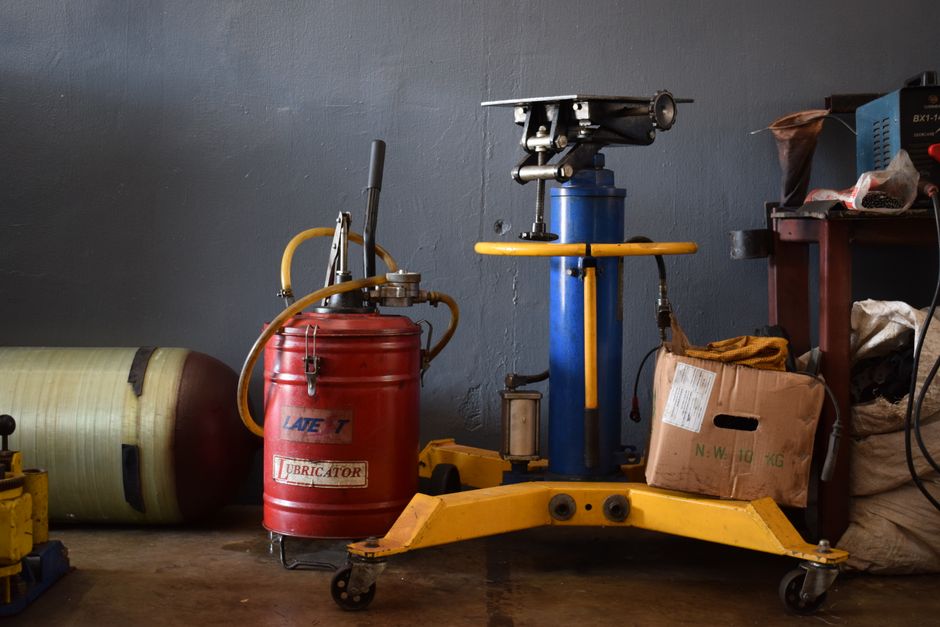
Additional supplies include clean rags or paper towels for wiping components and checking oil cleanliness. A wrench or socket set may be needed to remove the drain plug if it’s tight. Some compressors use hand-tighten drain plugs requiring no tools. Keep a small container for storing the drain plug temporarily during the oil change process.
Essential Tools and Supplies Checklist
- Correct ISO-rated compressor oil in proper quantity.
- Drain pan or container for used oil collection.
- Oil funnel for clean, controlled pouring.
- Clean rags or shop towels for inspection and wiping.
- Wrench or socket (if drain plug requires tools).
- Owner’s manual for specifications and torque requirements.
- Gloves for hand protection and cleanliness.
Proper disposal of old compressor oil is environmentally responsible and often legally required. Never pour used oil down drains or into soil. Take it to a local recycling center, auto parts store, or hazardous waste facility. Many retailers that sell oil accept old oil for free recycling, making responsible disposal convenient.
Key Takeaway: Prepare all tools and supplies before starting to ensure a smooth, efficient oiling process.
How Do You Maintain Your Air Compressor Pump Between Oil Changes?
Regular maintenance between scheduled oil changes keeps your pump in excellent condition. Check the oil level monthly by locating the dipstick or sight glass on the pump housing. The oil should appear clean and light-colored. Dark, milky, or gritty-looking oil indicates contamination or water accumulation and requires immediate changing. Even if the level is adequate, discolored oil compromises pump protection.
Drain the air tank’s moisture regularly to prevent water from mixing with pump oil. Most compressors have a drain valve at the tank’s lowest point. Open this valve weekly during humid seasons or monthly in dry climates. Water-contaminated oil loses its lubricating properties and promotes rust inside the pump. Installing an aftercooler and moisture trap on the compressor discharge reduces water accumulation significantly.
Monthly Maintenance Tasks
- Check oil level using the dipstick or sight glass.
- Inspect oil color and clarity for signs of contamination.
- Drain accumulated moisture from the air tank.
- Clean or replace the air intake filter.
- Listen for unusual pump noises indicating wear or low oil.
- Verify the compressor runs smoothly without vibration.
Listen carefully when the compressor operates. Knocking, grinding, or squealing sounds often indicate low oil levels or bearing wear. Stop the compressor immediately and check the oil level if you hear unusual noises. Operating a dry pump causes catastrophic damage within minutes. Proper oil maintenance prevents these emergency situations entirely.
Key Takeaway: Monthly monitoring catches problems early and keeps your pump running reliably.
What Common Mistakes Should You Avoid When Oiling Your Compressor Pump?
Many people damage their compressor pumps through simple oiling mistakes. Using the wrong oil type is the most common error. Automotive motor oil, hydraulic fluid, or generic machine oil lacks the additives and viscosity stability required for compressor pumps. This causes inadequate lubrication, seal degradation, and rapid pump wear. Always purchase oil specifically labeled for air compressors and matching your pump’s ISO rating.
Overfilling the pump is another frequent mistake with serious consequences. Excess oil causes pressure buildup that forces oil out through seals and valves. This wastes oil, creates messy cleanup, and leaves the pump under-lubricated. Underfilling creates the opposite problem—inadequate lubrication that damages bearings and pistons. Fill to the exact level specified in your manual, not higher or lower.
Common Oiling Mistakes to Prevent
- Using automotive motor oil instead of compressor-specific oil.
- Overfilling the pump beyond the recommended level.
- Underfilling, leaving insufficient oil for lubrication.
- Neglecting to drain old oil completely before refilling.
- Ignoring water contamination in the oil.
- Skipping oil changes and running on degraded oil.
Neglecting to drain the tank’s moisture causes water to mix with pump oil, creating a milky emulsion that fails to lubricate. This accelerates bearing wear and promotes rust formation inside the pump. Never skip the moisture draining step even if it seems inconvenient. Five minutes of tank draining prevents thousands in pump repairs.
Running the compressor without adequate oil is the fastest way to destroy a pump. If you notice low oil levels or discolored oil, stop operating the compressor immediately. Many people mistakenly continue using the compressor while planning to service it later. This practice causes irreversible internal damage that makes repair impossible.
Key Takeaway: Avoid these common mistakes to protect your pump investment and ensure years of reliable service.
How Can You Extend Your Air Compressor Pump’s Lifespan Through Proper Oil Care?
Strategic oil management practices significantly extend pump lifespan beyond typical expectations. Using synthetic compressor oil instead of mineral oil extends drain intervals from 500-1000 hours to 2000-3000 hours. Synthetic oils resist oxidation better, maintain viscosity across temperature ranges, and contain superior anti-wear additives. The higher initial cost pays for itself through fewer oil changes and reduced pump wear over time.
Installing quality air filtration and moisture removal equipment protects pump oil from contamination. An aftercooler cools compressed air before it enters the tank, reducing moisture formation. A moisture trap removes accumulated water before it reaches the pump. Clean intake filters prevent dust and dirt from entering the pump. These upgrades cost $100-500 but add years to pump life by keeping oil clean and effective.
Strategies for Maximum Pump Longevity
- Use synthetic compressor oil for extended drain intervals and superior protection.
- Install aftercoolers and moisture traps to keep oil clean and dry.
- Replace intake filters regularly to prevent dust contamination.
- Maintain consistent operating temperatures within manufacturer specifications.
- Avoid overloading the compressor beyond its rated capacity.
- Store the compressor indoors in climate-controlled environments when possible.
Operating conditions dramatically affect oil degradation rates. High ambient temperatures accelerate oxidation, while cold environments thicken oil and reduce flow. Keeping your compressor in a climate-controlled workshop extends oil life significantly. If you must operate outdoors, use the heavier ISO 68 oil in winter and lighter ISO 32 in summer to maintain consistent viscosity.
Avoid running the compressor continuously at maximum pressure. Operating at design specifications puts less stress on the pump and oil than constant high-pressure operation. If your application requires frequent high-pressure use, consider upgrading to a larger compressor that handles the load more comfortably. This reduces component stress and extends overall equipment lifespan.
Key Takeaway: Synthetic oil, proper filtration, and controlled operating conditions maximize pump lifespan.
What Should You Do If Your Air Compressor Pump Is Leaking Oil?
Oil leaks indicate seal degradation or loose connections requiring immediate attention. Minor seeps around the drain plug often result from over-tightening or a worn plug seal. Remove the plug, clean the threads thoroughly, and reinstall it with proper torque—snug but not excessively tight. If leaking continues, replace the plug with a new one or install a new seal washer. Most drain plugs cost under $10 and take 5 minutes to replace.
Leaks around the pump housing or shaft seals indicate more serious internal wear. These seals prevent oil from escaping while containing pressure inside the pump. When they fail, oil escapes and the pump loses lubrication rapidly. Shaft seal replacement requires disassembling the pump, a task best handled by professionals unless you have mechanical expertise. Continuing to operate a leaking pump causes catastrophic internal damage.
Check all oil line connections and fittings for tightness. Vibration from pump operation can loosen connections over time. Hand-tighten any loose fittings while the pump is depressurized. If leaking persists after tightening, the fitting may have internal damage requiring replacement. Install new fittings using the correct thread sealant to prevent future leaks.
Key Takeaway: Address oil leaks promptly—minor fixes now prevent major pump damage later.
How Do You Choose the Right Compressor Oil for Different Operating Conditions?
Your climate and usage environment determine the best oil choice for optimal pump performance. Cold climates require thinner oils that flow easily at low temperatures. ISO 32 oil works best in northern regions or unheated workshops where temperatures drop below 50°F. In cold conditions, heavier oils thicken and don’t circulate properly, leaving critical surfaces under-lubricated. Conversely, hot climates need heavier oils that maintain viscosity at elevated temperatures.
Tropical or desert environments where temperatures exceed 90°F benefit from ISO 68 oil. Standard ISO 46 works well in moderate climates with temperatures between 50-85°F. Some manufacturers offer temperature-specific recommendations in their manuals. If your workshop temperature fluctuates significantly between seasons, synthetic ISO 46 provides the best balance of cold-start flow and high-temperature stability.
Industrial applications with continuous operation or high-pressure demands benefit from synthetic oils and anti-wear additives. These premium oils maintain performance under extreme conditions that degrade mineral oils quickly. Food and beverage production facilities require food-grade oils meeting NSF H1 certification. Medical and pharmaceutical applications use ultra-pure oils meeting strict cleanliness standards. Always verify your application’s specific oil requirements.
Key Takeaway: Match your oil selection to your climate and application for optimal pump protection.
How Do You Properly Dispose of Used Air Compressor Oil?
Responsible oil disposal protects the environment and complies with regulations in most jurisdictions. Never pour used oil down drains, into soil, or into trash. Used compressor oil contains additives and contaminants harmful to aquatic life and groundwater. Most areas classify used oil as hazardous waste requiring proper disposal through authorized facilities.
Take used oil to local recycling centers, hazardous waste collection events, or auto parts stores. Many retailers that sell oil accept used oil for free, making responsible disposal convenient. Some municipalities collect used oil during designated hazardous waste collection days. Contact your local environmental agency for disposal locations and guidelines in your area. Proper disposal costs nothing and takes minimal effort.
Key Takeaway: Dispose of used oil responsibly through authorized recycling facilities.
Recommended Products

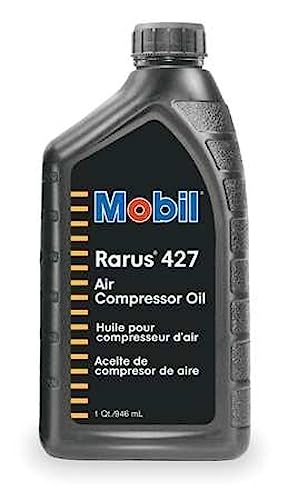
Mobil - 100870 Rarus 427, Compressor, 1 qt, ISO100
- Product Type: Auto Accessory
- Package Quantity: 1
- Country Of Origin: United States
- Package Dimensions: 7.899 cms (L) x 16.002 cms (W) x 32.207 cms (H)
As an Amazon Associate we earn from qualifying purchases. Product prices and availability are accurate as of the date/time indicated.

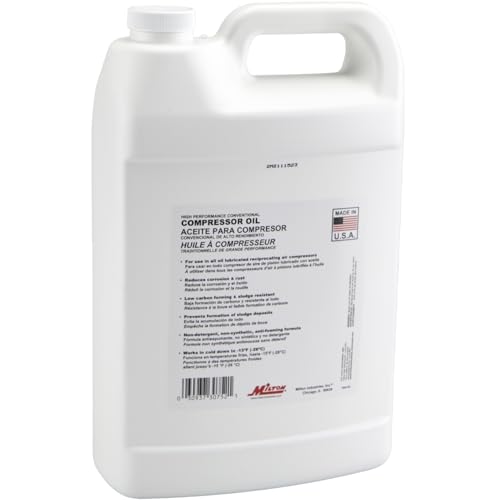
Milton 1002 High Performance Conventional Air Compressor Oil, ISO-100 SAE 30W, 1 Gallon, Non-Detergent Lubricant for Reciprocating Air Compressors
- Milton 1002 Compressor Oil, 1 Gallon
- Item Package Dimension: 11.80L x 7.63W x 3.53H inches
- Item Package Weight - 7.31 Pounds
- Item Package Quantity - 1
- Product Type - MACHINE LUBRICANT
As an Amazon Associate we earn from qualifying purchases. Product prices and availability are accurate as of the date/time indicated.
Frequently Asked Questions
Can you use 10W30 motor oil in an air compressor pump?
No, automotive motor oil is not suitable for air compressor pumps. Motor oil lacks the anti-wear additives and viscosity stability required for compressor applications. Using motor oil causes inadequate lubrication, seal degradation, and rapid pump wear. Always use ISO-rated compressor oil specified in your manual. Using wrong oil voids warranties and causes expensive damage.
How do you know if your compressor pump oil needs changing?
Check oil color monthly—clean oil appears light and clear. Dark, opaque, or milky oil indicates contamination or water accumulation and needs immediate changing. Follow your manual’s recommended intervals, typically 500-1000 hours. If oil looks dirty before the scheduled interval, change it immediately regardless of hours. Degraded oil provides inadequate protection.
What happens if you run a compressor pump without oil?
Running without oil causes catastrophic pump damage within minutes. Metal-to-metal contact generates extreme friction and heat, causing bearings and pistons to seize. The pump becomes permanently damaged and requires complete replacement costing hundreds to thousands. Always maintain proper oil levels and check before operating. Never ignore low-oil warnings.
Is synthetic compressor oil worth the extra cost?
Yes, synthetic oil offers excellent long-term value despite higher initial cost. Synthetic oils extend drain intervals to 2000-3000 hours versus 500-1000 for mineral oil. Superior temperature stability and anti-wear additives reduce pump wear significantly. For heavy-use compressors, synthetic oil pays for itself through fewer changes and extended equipment life.
Can you mix different brands of compressor oil?
Avoid mixing different oil brands when possible. Different formulations may have incompatible additives that reduce effectiveness. If you must top up between changes, use the same brand and ISO rating you originally filled. For scheduled oil changes, drain completely and refill with fresh oil of your chosen brand.
How often should you check compressor pump oil levels?
Check oil levels monthly during normal operation, or weekly if you use the compressor daily. Look at the dipstick or sight glass when the pump is cool and depressurized. Oil should reach the full mark on the dipstick. Frequent checking catches low levels before they cause pump damage. Make it part of your monthly maintenance routine.
How Should You Summarize Your Air Compressor Pump Oiling Knowledge?
Oiling your air compressor pump properly is fundamental to equipment reliability and longevity. Understanding the correct oil type, change intervals, and maintenance procedures prevents costly repairs and extends pump life significantly. Regular oil changes, moisture removal, and contamination prevention create optimal operating conditions for your compressor. Whether you use your compressor occasionally or professionally, these maintenance practices protect your investment and ensure consistent performance.
Start with your owner’s manual to identify your pump’s specific requirements and oil capacity. Invest in quality compressor-specific oil matching the recommended ISO rating. Establish a maintenance schedule based on usage patterns and stick to it consistently. Monitor oil condition monthly and address any leaks or unusual noises immediately. These simple practices cost minimal time and money but prevent emergency situations and expensive downtime.
For related compressor maintenance and operation topics, explore guides on connecting an air nailer to a compressor and repairing leaking air hose fittings. Proper compressor care ensures all your pneumatic tools operate safely and efficiently. Taking care of your pump today means reliable performance for years to come.
Key Takeaway: Consistent oil maintenance is the simplest, most effective way to protect your air compressor pump investment.






Write Your Review
No reviews yet. Be the first to share your experience!