

What Is an Air Blow Gun and Why Does Safety Matter?
An air blow gun is a pneumatic tool that uses compressed air to dislodge dust, debris, and liquids from surfaces and equipment. It’s essential for workshop cleanup, engine maintenance, and precision cleaning tasks. Safety is critical because air blow guns operate at pressures between 80 and 120 PSI, which can cause serious eye injuries, skin lacerations, and internal injuries if misused. According to the Occupational Safety and Health Administration (OSHA), compressed air injuries are preventable with proper training and equipment. Understanding safe operation techniques protects you and your coworkers from potentially life-altering accidents.

Industrial Air Blow Gun with Adjustable Brass Nozzle Kit
- Powerful air flow,new design inner supercharging construction and tapered air flow nozzle for high volume powerful blow-off.
- All metal construction, high pressure resistance copper alloy accessories (valve screw,nozzle,quick coupling),anti-break silver chromed zinc alloy gun body ,improved designed sealing components,all these make a reliable and durable industrial air blow gun.
- Adjustable Air Flow Nozzle allow you to control air flow as required,2 other steel&copper air flow extension with protective tip,easy to reach tight areas and make sure the safety of delicate or sensitive areas.
- Widely use for blowing dust, water, powder, debris and various industrial or household cleanup and blow-off operations.
- Metal Hanging Hook, easy to use and convenient for placing and storage.


As an Amazon Associate we earn from qualifying purchases. Product prices and availability are accurate as of the date/time indicated.
Workshops generate significant dust and debris daily. An air blow gun speeds up cleanup and prevents contamination of precision tools and machinery. However, many workers underestimate the danger posed by compressed air. The force of air leaving the nozzle can exceed 1,000 PSI at the point of impact, even when the system pressure is much lower. This concentrated energy demands respect and adherence to strict safety protocols every single time you operate the tool.
Key Takeaway: Air blow guns are powerful cleaning tools that require serious safety awareness to prevent severe injuries.
What Are the Essential Safety Rules for Air Blow Gun Operation?
Before touching an air blow gun, you must understand non-negotiable safety rules. These rules protect your eyes, skin, lungs, and internal organs from compressed air hazards. Every workshop should enforce these standards consistently, regardless of how routine the task seems.
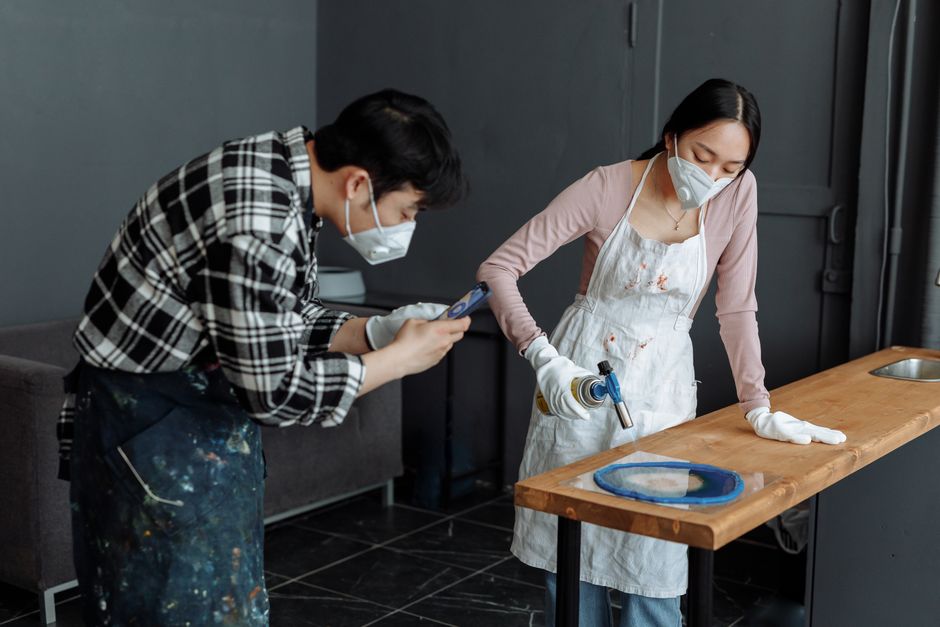
- Always wear safety glasses with side shields or a full face shield when operating an air blow gun.
- Never point the blow gun at yourself, coworkers, or animals under any circumstances.
- Keep your fingers off the trigger until you’re ready to use the tool on your intended target.
- Ensure the air pressure is set to 30 PSI or lower for general cleaning tasks to reduce injury risk.
- Never use an air blow gun to clean clothing, skin, or hair while wearing it.
- Maintain a firm grip on the blow gun to control recoil and prevent accidental discharge.
- Never leave a pressurized blow gun unattended on a workbench or surface.
- Inspect the air hose and connections before each use for damage or leaks.
Compressed air can penetrate skin and cause subcutaneous emphysema, a condition where air becomes trapped in body tissues. Even small puncture wounds from air injection can lead to infections or require emergency medical treatment. These injuries often don’t look serious initially but develop complications hours later. This is why prevention through strict rule enforcement is the only acceptable approach.
Key Takeaway: Enforcing non-negotiable safety rules prevents serious compressed air injuries that can occur in seconds.
Personal Protective Equipment (PPE) Requirements
Proper PPE is your first line of defense against air blow gun hazards. Safety glasses alone are insufficient because debris can enter from the sides. Full-coverage eye protection is mandatory for all blow gun operations. Your workshop should stock multiple types of eye protection to accommodate different tasks and face shapes.
- Safety glasses with side shields provide basic eye protection for low-pressure applications.
- Full face shields offer superior protection for high-pressure or high-debris situations.
- Respirators or dust masks prevent inhalation of airborne particles during extended cleaning sessions.
- Work gloves protect hands from sharp debris and provide better grip control.
- Steel-toed boots protect feet if heavy items are dislodged by compressed air.
- Hearing protection may be necessary if your blow gun produces noise above 85 decibels.
Never compromise on eye protection. Compressed air can propel debris at speeds that cause permanent vision loss. Even if you’re only cleaning for 30 seconds, put on your safety glasses first. Make this a habit so automatic that you feel uncomfortable picking up a blow gun without protection.
Pressure Settings and Equipment Checks
Pressure regulation is fundamental to safe air blow gun operation. Higher pressure doesn’t mean better cleaning—it increases injury risk exponentially. Most workshops should keep blow gun pressure at 30 PSI or lower for routine cleaning tasks. Check your equipment before every use to catch problems before they cause accidents.
Inspect the air hose for cracks, cuts, or bulges that indicate internal damage. Look for leaks at connection points by listening for hissing sounds. Test the trigger mechanism to ensure it operates smoothly without sticking. Verify that the pressure gauge is working and reads accurately. A faulty gauge can lead to operating at dangerously high pressures without realizing it.
If you notice any damage during your equipment check, remove the blow gun from service immediately. Tag it as damaged and repair or replace it before allowing anyone to use it again. This proactive maintenance prevents accidents and extends equipment life. Your workshop’s safety record depends on these small preventive steps.
Key Takeaway: Proper pressure settings and pre-use equipment inspections are critical safety foundations.
How Should You Position Your Body and Hold the Blow Gun Correctly?
Proper grip and body positioning give you control over the blow gun and protect you from recoil and accidental discharge. Many injuries occur because workers hold the tool carelessly or in awkward positions that make accidents more likely. Developing correct technique takes just a few minutes but prevents injuries throughout your career.
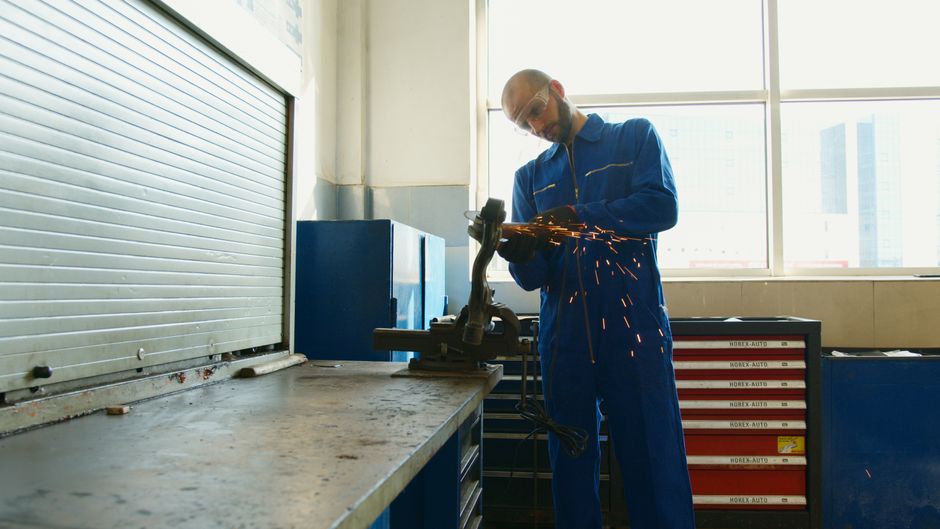
Hold the blow gun with both hands whenever possible, gripping the barrel and handle firmly. Position your body at an angle to the work surface so you can maintain balance and control. Keep the nozzle pointed away from your body and toward your intended target only. Your feet should be shoulder-width apart to give you a stable stance that absorbs any recoil force.
- Grip the blow gun with both hands for maximum control and stability during operation.
- Position your body at a 45-degree angle to the work surface for better balance.
- Keep your elbows slightly bent to absorb recoil and maintain control.
- Stand with feet shoulder-width apart and your weight distributed evenly.
- Point the nozzle away from your face, body, and any coworkers in the area.
- Keep your index finger off the trigger until you’re actively cleaning.
- Maintain a clear line of sight to your work area at all times.
Never reach across your body with the blow gun or point it toward yourself while cleaning hard-to-reach areas. If you can’t position yourself safely to clean a spot, use a different tool or ask for help. Taking an extra minute to reposition is always worth avoiding a serious injury. Your safety is more important than speed or convenience in the workshop.
Handling Recoil and Maintaining Control
Compressed air blow guns produce recoil that can surprise unprepared users. Recoil occurs because the force pushing air out of the nozzle creates an equal and opposite reaction pushing back on the tool. This recoil can cause the nozzle to jump or twist unexpectedly, potentially pointing the tool toward your body or a coworker.
Anticipate recoil by maintaining a firm, two-handed grip before activating the trigger. Brace yourself mentally for the backward push and keep your arms slightly bent to absorb the force. Start with short bursts rather than holding the trigger continuously. This gives you time to assess whether the tool is behaving as expected and adjust your position if needed. Gradually increase burst duration as you become comfortable with the tool’s behavior.
Never grip the blow gun so tightly that your hands become fatigued or cramped. A relaxed but firm grip gives you better control than white-knuckling the tool. If your hands get tired, take a break and rest them before continuing. Fatigue reduces your ability to control the tool and increases accident risk significantly.
Key Takeaway: Proper body positioning and two-handed grip control prevent recoil-related accidents.
What Pressure Settings Should You Use for Different Cleaning Tasks?
Pressure selection directly impacts both cleaning effectiveness and safety. Using excessive pressure for a task wastes energy and increases injury risk. Using insufficient pressure requires longer operation time and frustration. Understanding appropriate pressure ranges for common tasks helps you work safely and efficiently. Most pneumatic tools require specific pressure ranges documented in their manuals. Consult your blow gun’s manual for manufacturer recommendations specific to your model.
- General workshop cleaning: 20-30 PSI for dust removal from benches and equipment.
- Engine compartment cleaning: 30-40 PSI for removing grease and debris from engine parts.
- Precision cleaning: 15-25 PSI for delicate components that might be damaged by higher pressure.
- Drain and dry applications: 40-50 PSI for removing liquids from parts and cavities.
- Heavy debris removal: 50-60 PSI maximum for stubborn buildup, only with proper PPE.
Start at the lowest recommended pressure and increase only if necessary. Many cleaning tasks complete successfully at lower pressures that reduce injury risk. Higher pressure should be a last resort, not your default setting. When working on delicate or precision components, err on the side of lower pressure to prevent damage.
Using Pressure Regulators Effectively
Your air compressor system should include a pressure regulator between the tank and your blow gun. This regulator allows you to control the pressure delivered to the tool independently of the tank pressure. A properly functioning regulator is essential for safe operation. Check that your regulator has a gauge so you can monitor actual pressure being delivered to the blow gun.
Adjust the regulator slowly and deliberately, watching the gauge as pressure increases. Make small adjustments and allow the gauge to stabilize before making additional changes. Never set pressure higher than necessary for your task. If you’re unsure about appropriate pressure, consult your blow gun manual or ask a more experienced coworker. Taking time to set pressure correctly prevents accidents and improves cleaning results.
Some workshops implement pressure-limiting regulators that cannot exceed a safe maximum, typically 30 PSI. These devices prevent accidental high-pressure operation and are excellent safety investments. If your workshop doesn’t have pressure-limiting regulators, consider requesting them from management as a safety improvement.
Key Takeaway: Proper pressure regulator use ensures you operate at safe levels appropriate for each task.
How Can You Create a Safe Workshop Culture Around Air Tool Use?
Individual safety practices are important, but workshop culture determines whether safety becomes routine or optional. Managers, supervisors, and experienced workers must model safe behavior consistently. When everyone sees safety as non-negotiable, accidents decrease significantly. Creating this culture requires ongoing communication, training, and accountability from everyone in the workshop.

Conduct safety training for all workers who use air tools, including air blow guns. Provide hands-on demonstrations showing proper technique and common mistakes. Require new employees to practice under supervision before working independently. Refresh training annually to reinforce good habits and address any unsafe behaviors you’ve observed. Document all training so you have records of who received instruction and when.
- Establish written safety policies specific to air tool operation in your workshop.
- Require safety training before allowing any worker to use an air blow gun independently.
- Conduct regular safety meetings to discuss air tool hazards and near-misses.
- Inspect air tools monthly to identify damage or maintenance needs early.
- Create a system for reporting unsafe conditions or near-miss incidents without fear of punishment.
- Recognize and reward workers who consistently follow safety protocols.
- Investigate accidents thoroughly to identify root causes and prevent recurrence.
Make safety visible in your workshop through posters, signs, and equipment labels. Post the pressure settings recommended for common tasks near your air compressor. Label blow guns with maximum safe pressure ratings. Create a checklist for pre-use equipment inspection and post it where workers can see it. These visual reminders help safety become automatic rather than something you have to think about consciously.
Addressing Unsafe Behavior and Near-Misses
When you observe unsafe behavior, address it immediately and respectfully. Don’t let violations slide because correcting someone feels uncomfortable. Ignoring unsafe practices sends the message that safety isn’t truly important. Approach the conversation as an opportunity to help, not to punish. Ask questions to understand why the person is taking shortcuts and help them find safe alternatives.
Near-misses are valuable learning opportunities. When someone almost gets hurt but doesn’t, investigate what went wrong. Share the lessons with your entire team so everyone learns from the incident. Near-miss reporting should be encouraged and never punished. Workers must feel safe reporting near-misses without fear that they’ll get in trouble for admitting the incident occurred.
If an accident does occur, treat it seriously regardless of severity. Even minor injuries deserve investigation and corrective action. Document the accident, identify the root cause, and implement changes to prevent recurrence. Share the lessons learned with your team. This demonstrates that safety is your genuine priority and that accidents trigger meaningful responses, not just paperwork.
Key Takeaway: Positive workshop culture makes safety practices automatic and prevents accidents through collective responsibility.
What Should You Do If an Air-Related Injury Occurs?
Despite your best prevention efforts, accidents can happen. Knowing how to respond immediately after an air-related injury can minimize damage and save lives. Compressed air injuries require emergency medical attention, even if they seem minor initially. Never assume an air-related injury will heal on its own or that it’s not serious enough to warrant medical care.
If someone is injured by compressed air, stop all work immediately and call emergency services. Do not attempt to treat the injury yourself beyond basic first aid. Compressed air can cause injuries that don’t appear serious on the surface but involve dangerous internal damage. A doctor must evaluate the injury to determine if air has penetrated tissues or if internal bleeding is occurring. Transport the injured person to the nearest emergency room and provide them with details about what caused the injury.
- Call 911 immediately for any compressed air injury, regardless of apparent severity.
- Do not attempt to remove any object that may be embedded in the skin.
- Apply pressure around the injury with a clean cloth to control bleeding.
- Keep the injured person calm and reassured while waiting for emergency services.
- Document the incident thoroughly, including time, location, and what caused the injury.
- Preserve the blow gun and equipment for investigation to determine what went wrong.
- Notify your supervisor, safety manager, and insurance company immediately.
After the immediate emergency is handled, conduct a thorough investigation to understand what caused the accident. Review the circumstances that led to the injury. Identify whether the accident resulted from equipment failure, human error, or inadequate training. Use your findings to implement changes that prevent similar accidents in the future. Share your investigation results and corrective actions with your entire team so everyone learns from the incident.
Key Takeaway: Immediate emergency response and thorough investigation are essential after any compressed air injury.
Recommended Products

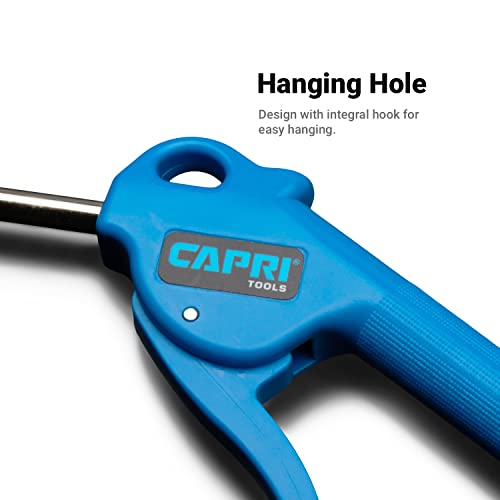
Capri Tools 5" & 12" Air Blow Gun Kit with Rubber Tips
- This set of 5" and 12 in. air blow guns is perfect for drying off fluids, clearing debris and much more
- Handle is designed with excellent grip for an ergonomic feel
- Intuitive lever design makes this air blow gun easy to use
- Rubber tip is included for increased precision and protects surfaces
- NPT 1/4 in. 18th inner thread (Adapter required to use with BSP thread)


As an Amazon Associate we earn from qualifying purchases. Product prices and availability are accurate as of the date/time indicated.
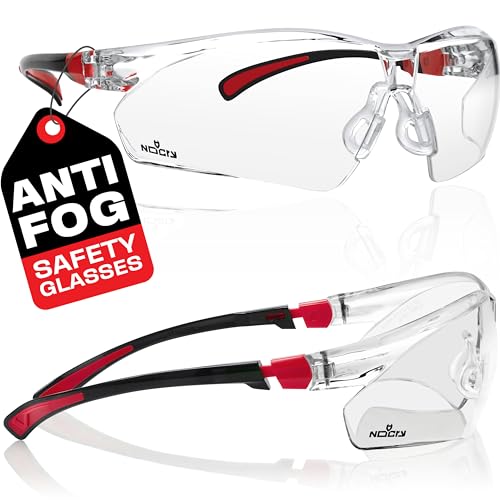
NoCry Anti-Fog Safety Glasses - ANSI Z87 Certified UV Protection
- STRONG, DURABLE DESIGN — Thanks to the tough, polycarbonate wraparound construction, these anti fog safety glasses for men and women offer superior protection from both direct and peripheral threats. They are the ANSI Z87.1 safety glasses women and men trust.
- LIGHT, COMFORTABLE AND ADJUSTABLE — These clear eye protection glasses have extendable arms and an adjustable soft nose pad so you always get the perfect fit. They're also armed with non-slip rubber grips so your mens safety glasses stays on.
- ULTRASHIELD LENS TECHNOLOGY — Compared to most clear protective glasses, the premium coating on our safety glasses anti fog is 5x more fog resistant and 2x more scratch resistant. No fog, no scratch, and zero optical distortion.
- 100% UV PROTECTION — The clear lenses of these protective glasses block 100% UV radiation. They make great lab safety glasses, shooting glasses, and work glasses for men. They’re great as construction glasses, medical safety glasses, antifog safety glasses and more.
- BUILT TO LAST — Your safety glasses for women and men come with a lifetime warranty. If there’s an issue, we’ll replace your saftey glasses or refund you because we stand behind the high quality of every product and we’ve got your back, no matter what.



As an Amazon Associate we earn from qualifying purchases. Product prices and availability are accurate as of the date/time indicated.
Frequently Asked Questions
Can you use an air blow gun to clean clothing or skin?
Absolutely not. Never use an air blow gun on clothing, skin, or hair. Compressed air can penetrate skin and cause serious internal injuries, infections, or death. Always point the blow gun toward your intended work surface only. If you need to remove dust from your clothing, use a brush or change clothes instead of using compressed air.
What is the safest pressure setting for general workshop cleaning?
The safest pressure for general workshop cleaning is 20-30 PSI. This range effectively removes dust and light debris while minimizing injury risk. Start at the lowest pressure that accomplishes your task and increase only if necessary. Never exceed 60 PSI unless your blow gun manual specifically recommends higher pressure for your application.
Do you need to wear safety glasses for brief blow gun use?
Yes, always wear safety glasses before using an air blow gun, even for very brief tasks. Injuries can occur in seconds, and you won’t have time to put on protection if something goes wrong. Make wearing safety glasses automatic, just like checking for traffic before crossing the street. Develop the habit so you feel uncomfortable picking up a blow gun without eye protection.
How often should you inspect air tools for safety?
Inspect air tools before each use and conduct more thorough monthly inspections. Before-use inspections check for obvious damage, leaks, and trigger function. Monthly inspections examine the hose for internal damage, verify pressure gauges work correctly, and check for corrosion. Schedule professional maintenance annually to ensure all components function safely.
What should you do if you notice air leaking from the blow gun?
Remove the blow gun from service immediately and tag it as damaged. Do not attempt to repair it yourself unless you’re trained in pneumatic tool repair. Leaks indicate internal or external damage that affects safety and performance. Have a qualified technician inspect and repair the tool before allowing anyone to use it again.
Is recoil from an air blow gun dangerous?
Yes, recoil can be dangerous if you’re unprepared for it. Recoil can cause the nozzle to jump or twist unexpectedly, potentially pointing the tool toward your body or a coworker. Anticipate recoil by maintaining a firm two-handed grip and bracing yourself before activating the trigger. Start with short bursts to get comfortable with the tool’s behavior before using longer bursts.
How Can You Master Safe Air Blow Gun Operation in Your Workshop?
Safe air blow gun operation combines proper technique, appropriate pressure settings, and unwavering commitment to safety rules. Start by understanding the hazards compressed air poses and why each safety rule exists. Practice proper grip, body positioning, and trigger control until these techniques become automatic. Invest in quality personal protective equipment and use it every single time you operate an air blow gun. Create a workshop culture where safety is everyone’s responsibility and unsafe behavior is addressed promptly and respectfully.
Remember that compressed air injuries can be severe and life-altering. Prevention through consistent safe practices is infinitely better than dealing with an accident. If you’re new to air tools, ask experienced coworkers to watch you and provide feedback on your technique. If you’re experienced, model safe behavior for newer workers and help them develop good habits from the start. Your workshop’s safety record depends on everyone taking these responsibilities seriously every single day.
For comprehensive maintenance of your air compressor system, review our guides on how to drain moisture from an air compressor tank and how to oil an air compressor pump. Proper system maintenance ensures your blow gun operates at safe, consistent pressure. If you experience hose problems, our guide on how to repair a leaking air hose fitting provides step-by-step solutions. For selecting appropriate equipment, consult our article on how to choose the right diameter air hose for tools to ensure your system supports safe blow gun operation.
Key Takeaway: Mastering safe air blow gun operation protects your health and creates a safer workshop for everyone.

Write Your Review
No reviews yet. Be the first to share your experience!