

How to Choose the Right Circular Saw Blade Tooth Count in 2026?
Circular saw blade tooth count directly determines your cut quality, speed, and material compatibility. Fewer teeth cut faster but rougher; more teeth cut slower but cleaner. The right choice depends on your material type, desired finish, and project goals. Most woodworkers need two to three blade types: a general-purpose blade with 40-60 teeth, a rip blade with 24-40 teeth for fast cuts, and a crosscut blade with 60-80 teeth for smooth finishes. Understanding tooth count fundamentals transforms your cutting results from mediocre to professional-grade. In September 2026, modern blade technology makes selecting the perfect tooth count easier than ever before.
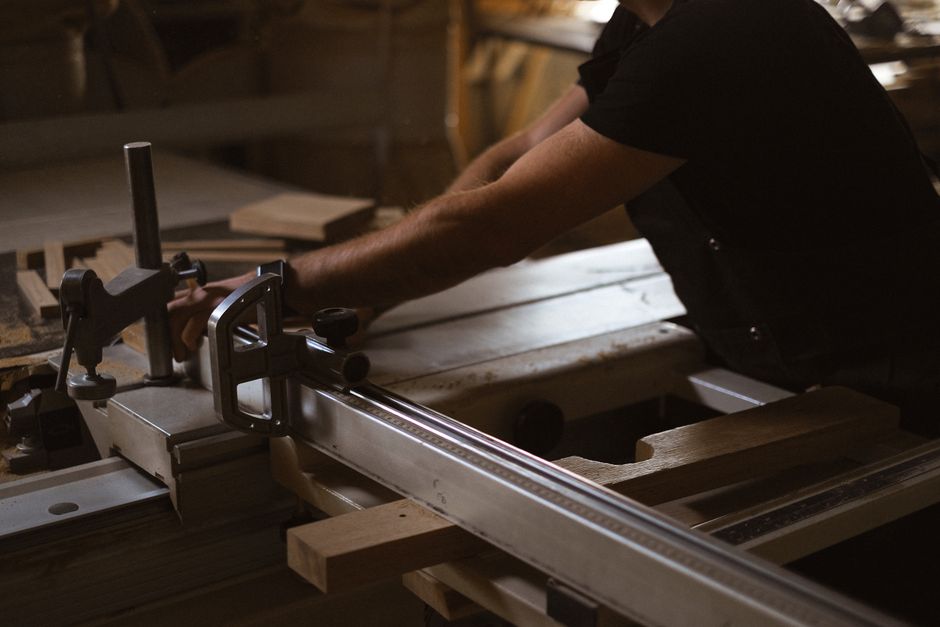
Tooth count affects multiple cutting variables simultaneously. Higher tooth counts generate more friction and heat, requiring slower feed rates. Lower tooth counts remove material faster but leave rougher edges. The material you’re cutting—hardwood, softwood, plywood, or composites—demands specific tooth configurations. Your saw’s horsepower and RPM also influence optimal tooth selection. A 15-amp circular saw performs differently than a cordless 20V model. Matching blade teeth to your equipment and materials ensures safety, efficiency, and superior results.
Key Takeaway: Tooth count is the single most important factor determining cut quality and speed in circular saw work.
What Do Circular Saw Blade Teeth Actually Do?
Each tooth on a circular saw blade acts as a tiny chisel, removing a precise amount of material with every rotation. The tooth geometry, spacing, and count work together to control chip evacuation and cutting action. Teeth must be sharp, properly angled, and spaced correctly to perform efficiently. Dull or damaged teeth slow cutting speed and create excessive heat. Understanding tooth mechanics helps you select blades that match your specific cutting needs and material requirements.
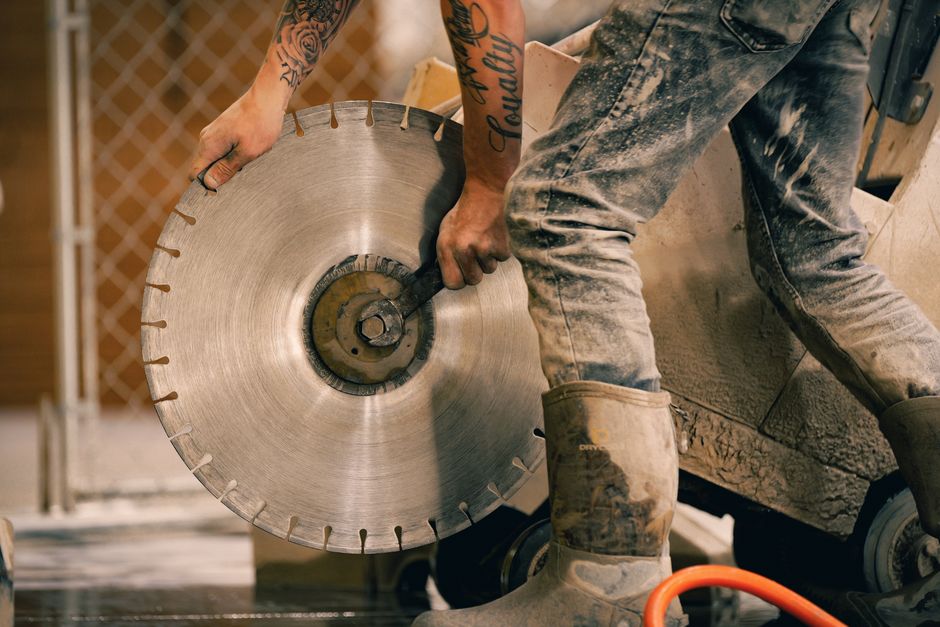
Tooth design includes several critical angles:
- Hook angle controls how aggressively teeth bite into material.
- Clearance angle prevents teeth from rubbing behind the cut.
- Bevel angle affects edge quality and finish smoothness.
- Tooth spacing determines chip removal efficiency and heat generation.
Professional blade manufacturers like Freud and Bosch engineer these angles precisely for different cutting applications. A rip blade has positive hook angles for aggressive cutting. A crosscut blade has negative or neutral hook angles for cleaner edges. Combination blades balance both approaches for versatile general-purpose work.
Key Takeaway: Tooth geometry and spacing control how efficiently material is removed and how smooth your cut edge will be.
How Does Tooth Count Affect Cutting Speed and Finish Quality?
Tooth count creates an inverse relationship: more teeth equal slower cuts but finer finishes. Fewer teeth remove material quickly but leave rougher edges requiring sanding. A 24-tooth rip blade cuts through a 2×4 in seconds but produces a rough surface. An 80-tooth crosscut blade takes longer but leaves an edge nearly ready for finishing. Your project timeline and finishing requirements determine which trade-off makes sense.

This relationship applies across all materials:
- Softwood ripping: 24-40 teeth for fast, efficient cutting.
- Hardwood crosscutting: 60-80 teeth for smooth, splinter-free edges.
- Plywood and veneer: 80-100 teeth to prevent face veneer tear-out.
- Metal and composites: 80-120 teeth for clean, controlled cuts.
Speed Considerations for Different Materials
Softwood cuts faster than hardwood, so lower tooth counts work well for pine and fir. Hardwoods like oak and maple benefit from higher tooth counts to prevent burning. Plywood requires extra teeth to prevent splintering on both faces. The material’s density and grain structure determine optimal tooth count selection.
Feed rate (how fast you push the blade through material) must match tooth count. With 40 teeth, you can push faster. With 80 teeth, you must move slowly to avoid overheating. Pushing too hard with fine-toothed blades generates excessive friction, dulls teeth quickly, and risks kickback.
Key Takeaway: Match tooth count to material hardness and desired finish—soft materials and speed favor fewer teeth, while hard materials and smooth finishes need more teeth.
What Tooth Count Should You Use for Specific Materials?
Selecting the right tooth count for your material is fundamental to successful cutting. Each material type demands different tooth configurations based on hardness, grain structure, and desired finish quality. Understanding these recommendations prevents wasted time, damaged blades, and poor results. The following guidelines represent industry best practices used by professional carpenters and woodworkers throughout 2026.

Softwood Ripping (Pine, Fir, Cedar)
Softwoods cut easily and quickly, making them ideal for fast-cutting, low-tooth-count blades. A 24-tooth or 40-tooth rip blade removes material efficiently without overheating. These blades create rough cuts suitable for framing, rough carpentry, or projects where edges will be hidden. The aggressive tooth geometry bites hard into soft fibers, maximizing cutting speed.
- 24-tooth rip blade: Maximum speed, roughest finish, best for framing.
- 40-tooth combination blade: Balanced speed and finish for general work.
- Feed rate: Push steadily without forcing; let the blade do the work.
Hardwood Crosscutting (Oak, Maple, Walnut)
Hardwoods resist cutting and burn easily, requiring higher tooth counts and slower feed rates. A 60-tooth or 80-tooth crosscut blade produces clean edges without burning the wood. Hardwood grain is dense and tight, so more teeth prevent tearout and produce furniture-quality finishes. These blades cost more but deliver professional results that justify the investment.
- 60-tooth crosscut blade: Good balance of speed and finish for hardwoods.
- 80-tooth fine-finish blade: Slowest cutting but smoothest edges.
- Expect slower cutting speed; patience prevents blade damage.
Plywood and Veneered Panels
Plywood’s face veneers splinter easily, requiring extra-fine teeth to prevent tear-out on both sides. An 80-tooth to 100-tooth blade minimizes chipping and produces edges suitable for visible applications. The thin veneer layers demand gentle, precise cutting action. Pushing too hard or using too few teeth causes visible damage that’s difficult to repair.
- 80-100 tooth fine-finish blade: Prevents face veneer splintering.
- Cut from the good side up with circular saws to minimize tear-out.
- Support plywood close to the cut line to prevent vibration.
Composite Materials and Engineered Lumber
Composites, MDF, and engineered lumber are abrasive and prone to splintering. An 80-tooth blade with carbide tips handles these materials efficiently. Carbide teeth resist wear from abrasive materials much longer than steel. These materials generate fine dust and heat, so proper ventilation and slower feed rates are essential.
Key Takeaway: Softwoods need 24-40 teeth for speed; hardwoods need 60-80 teeth for finish; plywood needs 80-100 teeth to prevent splintering.
How Should You Match Blade Specifications to Your Saw’s Capabilities?
Your circular saw’s horsepower, RPM, and arbor size must align with blade selection. An underpowered saw struggles with high-tooth-count blades, causing stalling and poor results. An overpowered saw with a low-tooth-count blade can cause dangerous kickback. Understanding your equipment’s specifications ensures safe, efficient operation. Most modern circular saws range from 12 to 15 amps for corded models and 18 to 20 volts for cordless versions.

Horsepower and Blade Tooth Count Relationship
Higher horsepower saws can handle higher tooth counts without stalling. A 15-amp saw with 80 teeth cuts effectively through hardwood. A 12-amp saw with 80 teeth may struggle, overheat, and dull quickly. The relationship between power and tooth count determines cutting speed and safety. Underpowered equipment with fine-toothed blades creates dangerous conditions where the blade can bind and kick back.
- 12-amp saws: 40-60 tooth maximum for safe operation.
- 15-amp saws: 60-80 tooth blades handle most applications safely.
- Cordless 20V saws: Match tooth count to battery amp-hour rating.
- Higher RPM saws require fewer teeth; lower RPM saws benefit from more teeth.
Arbor Size and Blade Diameter Considerations
Circular saws use 5/8-inch or 7/24-inch arbor sizes. Blade diameter ranges from 6.5 inches to 10 inches. Larger blades cut deeper and faster but weigh more. Smaller blades suit compact saws and detailed work. Verify arbor size and maximum blade diameter before purchasing to ensure compatibility and safety.
Key Takeaway: Match blade tooth count to your saw’s horsepower and RPM—underpowered saws need fewer teeth to avoid stalling and dangerous binding.
What Are the Best Practical Tips for Selecting and Using Circular Saw Blades?
Choosing the right blade is only half the battle; proper technique and maintenance ensure consistent results. Following these practical guidelines maximizes blade life, improves safety, and delivers professional-quality cuts. These tips represent decades of woodworking experience and manufacturer recommendations from industry leaders.
Step-by-Step Blade Selection Process
- Identify your material: softwood, hardwood, plywood, composite, or metal.
- Determine your priority: speed or finish quality.
- Check your saw’s horsepower and maximum RPM specifications.
- Select tooth count based on material type and your saw’s power.
- Verify blade diameter and arbor size match your saw.
- Inspect blade for damage before installation and use.
- Test on scrap material to confirm cut quality before starting your project.
Maintenance and Safety Practices
Blade maintenance extends life and ensures consistent performance. Keep blades clean, store them properly, and inspect regularly for damage. Dull blades require more force, generate excessive heat, and increase accident risk. Replace or sharpen blades when cutting becomes difficult or edges appear burned.
- Clean blade teeth regularly with a soft brush to remove resin buildup.
- Store blades vertically on a blade rack or hanging organizer.
- Never force a blade through material; let the blade do the work.
- Wear safety glasses and hearing protection during all cutting operations.
- Ensure proper blade rotation direction matches saw specifications.
- Replace blades showing cracks, missing teeth, or excessive wobbling.
Troubleshooting Common Cutting Problems
Poor results often indicate incorrect blade selection or dull teeth. Rough edges suggest too few teeth or a dull blade. Burning indicates too many teeth, too slow feed rate, or inadequate power. Splintering on plywood means you need a finer-toothed blade. Binding and kickback suggest the blade is too fine for your saw’s power. Diagnosing problems quickly saves time and prevents safety issues.
Key Takeaway: Follow a systematic selection process, maintain your blades properly, and troubleshoot problems by analyzing cut quality and sound.
Frequently Asked Questions
Can I use a 40-tooth blade for crosscutting hardwood?
A 40-tooth blade can crosscut hardwood, but results won’t be optimal. You’ll get acceptable finishes on softer hardwoods like cherry, but harder woods like oak will show tearout and burn marks. For best results, use 60-80 tooth blades for hardwood crosscutting. The extra teeth remove less material per tooth, reducing heat and preventing damage to the wood.
How often should I replace my circular saw blade?
Replacement frequency depends on usage intensity and material type. Heavy daily use requires monthly or quarterly replacement. Occasional weekend projects might need replacement annually. Signs of replacement: difficult cutting, burned edges, visible tooth damage, or excessive vibration. Sharp blades are safer, faster, and produce better results than dull ones, making regular replacement cost-effective.
What’s the difference between a combination blade and a rip blade?
A rip blade has 24-40 teeth with aggressive hook angles for fast cutting along wood grain. A combination blade has 40-60 teeth with moderate hook angles for both ripping and crosscutting. Rip blades cut faster but rougher; combination blades balance speed and finish. Combination blades suit homeowners needing versatility; professionals often use specialized blades for each task.
Is a higher tooth count always better?
No. Higher tooth count means slower cutting and more heat generation. Using 80 teeth on softwood wastes time and dulls the blade faster. Using 24 teeth on plywood causes splintering. Optimal tooth count matches your material and desired finish. The best blade for your job balances cutting speed, finish quality, and your saw’s capabilities.
Can cordless circular saws use the same blades as corded saws?
Yes, blade compatibility depends on arbor size and diameter, not power source. However, cordless saws typically have lower power than corded models, so match tooth count accordingly. A 20V cordless saw handles 60-tooth blades well but struggles with 80-tooth blades. Always verify arbor size and maximum blade diameter before purchasing for any saw type.
What blade should I use for cutting metal with a circular saw?
Metal-cutting blades have 80-120 teeth with special geometry for controlled cutting and heat management. These blades cost significantly more than wood blades. Cutting metal generates extreme heat and sparks, requiring eye protection and proper ventilation. Verify your saw is rated for metal cutting before attempting this work. Most standard wood-cutting saws aren’t designed for metal.
How Do You Finalize Your Circular Saw Blade Selection in 2026?
Selecting the right circular saw blade tooth count combines material knowledge, equipment specifications, and project requirements. Start by identifying your material type and desired finish quality. Match these priorities to your saw’s horsepower and RPM. Verify blade diameter and arbor compatibility. Test your selection on scrap material before beginning your project. This systematic approach eliminates guesswork and ensures professional results every time.
The circular saw blade market in 2026 offers unprecedented variety and quality. Modern manufacturing produces blades with precise tooth geometry and carbide-tipped teeth that last longer than ever. Invest in quality blades appropriate for your specific applications rather than buying cheap universal blades. Better blades cost more initially but deliver superior results, last longer, and make cutting safer and more enjoyable. Your investment in proper blade selection pays dividends through improved project outcomes and extended blade life.
Remember that blade selection is just one element of successful cutting. Proper technique, equipment maintenance, and safety practices matter equally. Keep your blades clean and sharp. Use appropriate feed rates for each tooth count. Support your workpiece properly to prevent vibration and binding. Wear safety equipment consistently. These practices, combined with correct blade selection, transform you into a confident, capable woodworker capable of professional-quality results.
For related guidance on woodworking fundamentals, explore how to use a marking gauge for dovetail joints or use a combination square for layout. These precision tools complement your circular saw work perfectly. If you’re building a dedicated workshop, consider building a simple workbench for a small garage to organize your tools and materials efficiently.
Key Takeaway: Successful blade selection requires matching tooth count to material type, desired finish, and your saw’s power specifications, then executing proper technique and maintenance.






Write Your Review
No reviews yet. Be the first to share your experience!