

What Is the Difference Between an Air Ratchet and an Electric Ratchet?
Quick Answer: Air ratchets run on compressed air and deliver high speed with lower torque, while electric ratchets use battery or cord power and offer adjustable torque with slower speeds. Air ratchets excel in high-volume automotive work; electric ratchets suit precision fastening and home use. The choice depends on your workspace setup, budget, and task requirements. Air tools require a compressor investment but cost less per unit. Electric ratchets offer portability and convenience without infrastructure. Both have distinct advantages in different professional and DIY settings.
Choosing between air and electric ratchets can be confusing for both professionals and home users. These tools serve similar purposes but operate on completely different power systems. Understanding their core differences helps you select the right tool for your specific needs. This guide breaks down power delivery, performance characteristics, cost factors, and ideal applications. Whether you’re a mechanic, contractor, or weekend DIYer, knowing these distinctions ensures smarter purchasing decisions.
How Do Air Ratchets and Electric Ratchets Differ in Power Source and Operation?
Air ratchets depend on compressed air supplied by an air compressor. You connect the tool to a hose attached to your compressor system. The compressed air drives an internal motor that spins the socket at extremely high speeds. This pneumatic system has been industry standard in professional shops for decades.
Electric ratchets use either rechargeable lithium-ion batteries or direct AC cord power. Cordless models offer maximum mobility and flexibility. Corded versions provide unlimited runtime but restrict movement. Modern battery technology in 2026 has made cordless electric ratchets increasingly powerful and practical for most applications.
Key Takeaway: Air ratchets need compressor infrastructure; electric ratchets work independently or with batteries.
Compressed Air System Requirements
Setting up air tools requires initial investment in a quality air compressor. Your compressor must deliver adequate CFM (cubic feet per minute) to power the ratchet continuously. Most air ratchets need 4-6 CFM at 90 PSI for reliable operation. You also need hoses, fittings, and potentially a moisture trap.
- Air compressor: $300–$2,000+ depending on size and quality.
- Hoses and fittings: $50–$150 for complete setup.
- Moisture trap: $30–$80 to protect tools from water damage.
- Maintenance: Regular oil changes and filter cleaning required.
Battery and Power Cord Systems
Cordless electric ratchets use interchangeable battery packs that fit across entire tool brands. A single 18V or 20V battery can power multiple tools. Charging takes 30 minutes to 2 hours depending on battery capacity. Corded models eliminate charging but require outlet access within cord length.
- Battery packs: 18V to 20V lithium-ion, ranging $80–$200 each.
- Chargers: Fast chargers available for $50–$150.
- Runtime: 30 minutes to 3 hours per charge depending on load.
- Corded models: Unlimited runtime, heavier, less portable.
What Are the Performance Differences in Speed and Torque?
Air ratchets deliver exceptional speed, typically ranging from 200 to 500 RPM depending on the model. This high speed makes them ideal for rapid fastener removal and installation. However, air tools generally produce lower torque output compared to electric counterparts. They’re designed for speed rather than power.
Electric ratchets offer more variable performance. Most cordless models operate between 120 and 300 RPM with adjustable torque settings. This means you can control power delivery precisely. Electric tools excel at preventing over-tightening and stripping fasteners. The torque control feature makes them safer for delicate work.
Key Takeaway: Air ratchets prioritize speed; electric ratchets balance speed with controlled torque.
Speed Comparison in Real-World Scenarios
In automotive shops, air ratchets shine when removing multiple wheel lugs or suspension bolts. The high speed allows technicians to work faster. A single technician using an air ratchet can remove 20 lug nuts faster than with an electric ratchet. This speed advantage translates directly to labor time savings in high-volume environments.
Electric ratchets work slower but offer better control. For precision work like engine assembly or electronics fastening, slower speeds prevent damage. You can feel the resistance and stop before over-tightening. This control matters when working with delicate components or expensive assemblies.
Torque Output and Control Features
Air ratchets produce 50–150 foot-pounds of torque, varying by model size. They lack torque adjustment; you control power through air pressure. This makes them less suitable for applications requiring precise torque specifications. Professional shops use torque wrenches separately for critical fastening.
- Adjustable torque: Electric ratchets offer 10–80 foot-pounds of settable torque.
- Built-in sensors: Premium electric models stop when target torque is reached.
- Air tool control: Pressure regulators adjust speed but not true torque.
- Precision fastening: Electric tools excel at controlled tightening.
How Do Cost Factors Compare Between Air and Electric Ratchets?
Initial investment differs significantly between these tool types. Air ratchets themselves cost $80–$250, but you need compressor infrastructure. Total air shop setup runs $500–$3,000 for basic systems. This upfront cost makes air tools economical only if you’re already running a compressor for other tools.
Electric ratchets cost $120–$400 for the tool alone. If you already own batteries compatible with the brand, you spend only on the ratchet. Complete cordless kits with battery and charger range $250–$500. No infrastructure investment required. This makes electric ratchets more accessible for home users and small shops.
Key Takeaway: Air tools have high setup costs but cheap per-unit prices; electric tools cost more individually but need no infrastructure.
Operating and Maintenance Costs
Air tools require ongoing maintenance. Compressors need regular oil changes, filter cleaning, and moisture trap drainage. Annual maintenance costs $100–$300. Air tools themselves need occasional lubrication. Hoses eventually wear and need replacement. Over 5 years, maintenance adds significant expense.
Electric ratchets have minimal maintenance. Batteries degrade over time, typically lasting 3–5 years before needing replacement. A replacement battery costs $80–$200. No oil changes, no filter cleaning, no hose replacements. This makes electric tools cheaper to maintain long-term.
- Air compressor maintenance: $100–$300 annually.
- Hose replacements: $50–$150 every 3–5 years.
- Battery replacement: $80–$200 every 3–5 years.
- Electric tool maintenance: Virtually zero beyond battery care.
What Are the Best Use Cases for Each Tool Type?
Air ratchets dominate professional automotive environments. Tire shops, dealerships, and service centers rely on air tools for high-volume work. The speed and reliability make them industry standard. If you’re removing 50 wheels daily, air ratchets save hours. Professional mechanics still prefer air tools for routine service work.
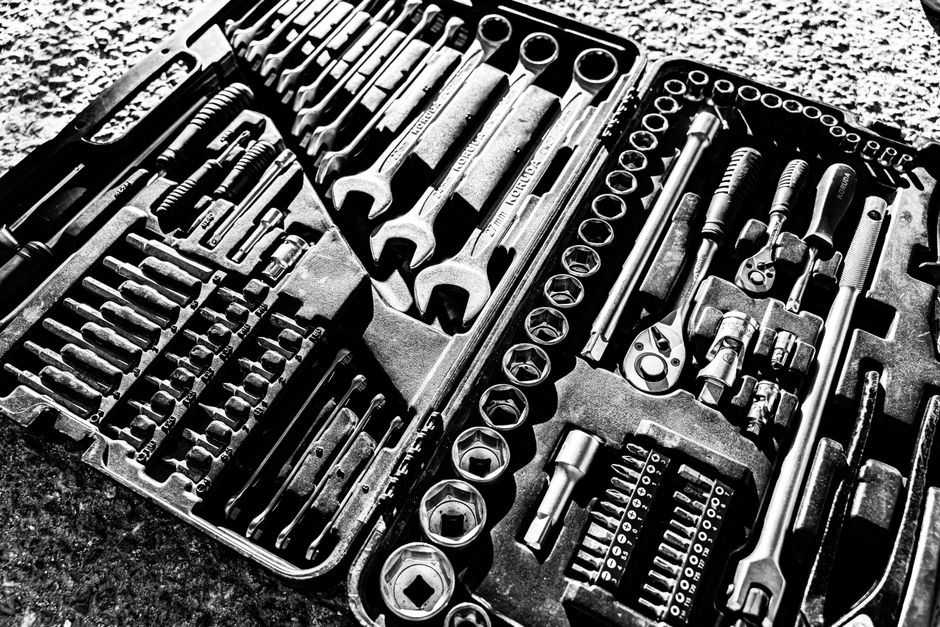
Electric ratchets excel in home workshops, small shops, and precision applications. DIYers appreciate portability and no compressor requirement. Contractors working on multiple job sites prefer cordless tools. Electronics assembly, engine building, and restoration work benefit from torque control. Electric ratchets suit modern, mobile work environments.
Key Takeaway: Choose air for high-volume speed; choose electric for control and portability.
Professional Shop Applications
Large automotive facilities benefit from centralized air systems. Multiple technicians can use air tools simultaneously from one compressor. The infrastructure cost spreads across many users. Air ratchets deliver consistent performance in busy shops. They’re reliable, proven, and require minimal training.
- Tire shops: Air ratchets remove wheels 40% faster than electric.
- Dealerships: High-volume service work demands speed and reliability.
- Heavy equipment repair: Air tools handle demanding industrial applications.
- Professional garages: Established shops already have compressor infrastructure.
Home and Small Shop Applications
Home workshops rarely justify compressor investment. Electric ratchets provide all needed functionality without infrastructure. You can work in your garage, driveway, or a friend’s shop without equipment. Battery-powered tools offer ultimate convenience for occasional use. Small contractors moving between job sites prefer cordless systems.
- Home maintenance: DIYers need only ratchet and batteries.
- Mobile repair: Contractors appreciate cordless portability.
- Precision work: Torque control prevents fastener damage.
- Learning environments: Safer, quieter electric tools suit training.
How Do Noise, Weight, and Ergonomics Compare?
Air ratchets operate loudly, typically 85–95 decibels. Hearing protection is essential in air tool environments. The noise can be disruptive in residential areas. However, many professionals are accustomed to this sound level. Air tools also vibrate significantly during operation, causing fatigue with extended use.
Electric ratchets are noticeably quieter, usually 70–80 decibels. You can work without hearing protection or disturb neighbors. Vibration is minimal, reducing hand fatigue during long sessions. This makes electric ratchets more comfortable for extended use. The quiet operation suits home workshops and noise-sensitive environments.
Key Takeaway: Air ratchets are loud and vibration-heavy; electric ratchets are quiet and user-friendly.
Weight and Handling Characteristics
Air ratchets are lightweight, typically 3–5 pounds. This makes them easy to handle overhead or in tight spaces. The light weight reduces arm fatigue during repetitive fastening. Professional technicians appreciate this advantage during full-day work. However, air hoses add weight and can get tangled.
Electric ratchets weigh 4–7 pounds depending on battery included. The added battery weight is noticeable but manageable. Cordless models eliminate hose entanglement issues. You can work freely without worrying about hose routing. The slight weight increase is offset by improved maneuverability.
- Air ratchet weight: 3–5 pounds plus hose.
- Electric ratchet weight: 4–7 pounds including battery.
- Hose management: Air tools require routing and storage planning.
- Cordless freedom: Electric ratchets offer unrestricted movement.
What Practical Tips Help You Choose the Right Ratchet?
Assess your work environment first. Do you have an air compressor or access to one? Is portability essential? How often will you use the tool? These questions guide your decision. Consider your budget for both initial purchase and long-term maintenance. Think about the types of fastening tasks you perform regularly.
Test both tools if possible before purchasing. Visit a tool rental shop or borrow from a friend. Feel the weight, noise level, and vibration firsthand. Try both on actual fasteners you use regularly. Real-world testing reveals which tool suits your preferences and working style.
Decision-Making Checklist
- Compressor available: Air ratchet makes sense economically.
- No infrastructure: Electric ratchet is your best choice.
- High-volume work: Air tools deliver speed advantages.
- Precision fastening: Electric torque control is essential.
- Mobile work: Cordless electric tools provide flexibility.
- Noise sensitive: Electric ratchets work in residential areas.
- Budget limited: Air tools cost less per unit initially.
- Long-term ownership: Electric tools have lower maintenance costs.
Additional Considerations for 2026
Battery technology continues improving. Modern 2026 lithium-ion batteries offer better runtime and faster charging than previous years. Brushless electric motors deliver more power with less heat generation. These advances make electric ratchets increasingly competitive with air tools. Smart features like Bluetooth connectivity and app-based torque tracking are becoming standard.
Air tool technology remains relatively unchanged. Reliability and proven performance keep air tools popular. However, environmental concerns about compressed air waste are growing. Some shops are transitioning away from pneumatic systems. This trend favors electric tool adoption in forward-thinking facilities.
Frequently Asked Questions
Can an air ratchet produce more torque than an electric ratchet?
Air ratchets typically produce 50–150 foot-pounds, while electric ratchets deliver 10–80 foot-pounds. However, air tools lack torque control and can’t prevent over-tightening. For applications requiring precise torque specifications, electric ratchets with adjustable settings are actually superior despite lower maximum output. Professional shops use torque wrenches with air tools for critical fastening.
How long do air ratchet and electric ratchet batteries last?
Air ratchets don’t use batteries; they run continuously from your compressor. Electric ratchet batteries typically last 30 minutes to 3 hours per charge depending on load and capacity. Battery packs degrade over 3–5 years and eventually need replacement. Buying extra batteries ensures uninterrupted work since you can charge one while using another.
Is an air ratchet faster than an electric ratchet?
Yes, air ratchets typically spin 200–500 RPM compared to electric ratchets at 120–300 RPM. This speed advantage makes air tools ideal for high-volume fastener removal. However, electric ratchets’ torque control and precision often make them more efficient for overall jobs despite slower speeds. Speed isn’t always the most important factor.
What’s the noise level difference between air and electric ratchets?
Air ratchets operate at 85–95 decibels, requiring hearing protection. Electric ratchets are quieter at 70–80 decibels, safe without protection. This significant difference matters in residential settings and noise-sensitive environments. Electric ratchets allow comfortable conversation while working, making them better for home use and training environments.
Do I need a compressor for air ratchets?
Yes, air ratchets require a functioning air compressor with adequate CFM output. Most air ratchets need 4–6 CFM at 90 PSI. If you don’t have a compressor, purchasing one adds $300–$2,000 to your initial investment. Electric ratchets eliminate this requirement, making them more accessible for home users without existing shop infrastructure.
Which tool is better for precision fastening work?
Electric ratchets excel at precision work because of adjustable torque settings and speed control. You can prevent over-tightening and fastener damage. Air ratchets lack torque adjustment and are designed for speed, making them less suitable for delicate fastening. If your work involves precise torque requirements, electric ratchets are the superior choice.
How Should You Decide Between Air and Electric Ratchets in 2026?
The choice between air and electric ratchets depends on your specific situation. Professional shops with existing compressor systems benefit from air tools’ proven reliability and speed. Home users and small contractors should choose electric ratchets for convenience, portability, and lower maintenance. Consider your workspace, budget, and the types of work you perform regularly. Modern electric tools have closed the performance gap significantly since previous years.
Both tool types remain viable in 2026, but they serve different markets. Air ratchets maintain dominance in high-volume automotive environments where speed and infrastructure already exist. Electric ratchets continue gaining market share in home shops, mobile work, and precision applications. Your decision should align with your existing tools, workspace setup, and long-term tool strategy. Test both options before committing to ensure you select the tool that truly matches your working style and needs.
For related tool comparisons, explore the difference between a hammer drill and regular drill or drive socket differences. You might also consider DeWalt versus Milwaukee cordless tools for brand recommendations.
Key Takeaway: Choose air for established shops with compressor infrastructure; choose electric for flexibility, portability, and lower maintenance costs.


Write Your Review
No reviews yet. Be the first to share your experience!