

When Should You Use a Forstner Bit vs a Spade Bit?
Forstner bits excel at creating precise, flat-bottomed holes in hardwoods and finished surfaces where clean edges matter most. Spade bits work best for rough construction, fast drilling in softwoods, and deep holes where speed trumps precision. Forstner bits cost more but deliver superior results; spade bits offer budget-friendly speed for utility work. Your choice depends on wood type, hole depth, finish quality, and project timeline. Understanding these differences ensures cleaner holes, faster work, and better final results in September 2026 and beyond.
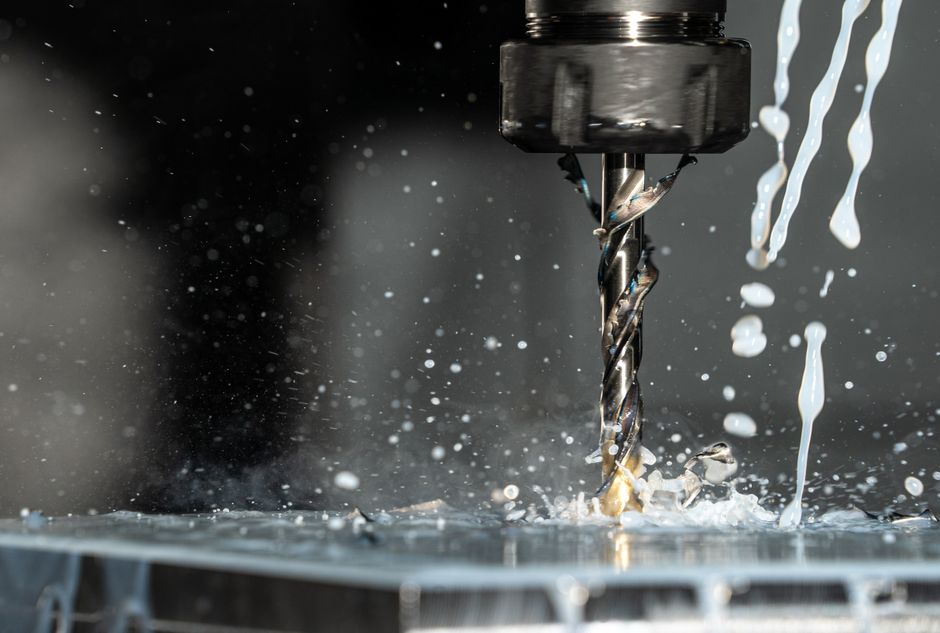
Both bits fit standard drill chucks and rotate at similar speeds, but their cutting mechanics differ dramatically. Forstner bits use a circular cutting edge with a center point for guidance. Spade bits rely on two cutting edges and a sharp point to bore through material. This fundamental design difference creates distinct advantages for specific applications. Choosing correctly saves time, material, and frustration on any woodworking or construction project.
What Are the Key Design Differences Between Forstner and Spade Bits?
Forstner bits feature a flat, circular design with a center spur and outer cutting edge. The flat bottom creates perfectly flat-bottomed holes ideal for hinges, dowels, and inlays. Spade bits have a flat blade with two cutting edges and a sharp point. Their simpler design makes them cheaper and easier to manufacture.
The cutting mechanisms work in fundamentally different ways:
- Forstner bits use a rotating circular edge that shears wood fibers cleanly and precisely.
- Spade bits employ two side-cutting edges that scrape and push material outward.
- Forstner bits maintain consistent depth with their flat bottom design.
- Spade bits require careful pressure control to avoid tearout and wandering.
Cutting Edge and Precision
Forstner bits deliver superior precision because their circular cutting edge shears fibers rather than scraping them. This produces clean, splinter-free holes with flat bottoms. The center spur guides the bit accurately without wandering. Spade bits cut more aggressively but less precisely, often producing rough edges and angled bottoms. For fine woodworking, Forstner bits are the professional choice.
Key Takeaway: Forstner bits prioritize precision and finish quality, while spade bits prioritize speed and simplicity.
Which Bit Works Best for Different Wood Types?
Hardwoods like oak, maple, and walnut respond beautifully to Forstner bits. The shearing action prevents splintering and tearout common with harder grain structures. Forstner bits maintain their edge longer when drilling dense materials. Softwoods like pine and spruce work well with either bit, but Forstner bits still deliver cleaner results. Plywood and MDF benefit from Forstner bits because they minimize chipping at entry and exit points.
Spade bits perform adequately in softwoods for rough work but struggle in hardwoods and veneered surfaces. The aggressive cutting action can tear grain and damage finishes. Spade bits excel in rough framing and construction where appearance matters less. For finished cabinetry, always choose Forstner bits regardless of wood type.
Material-Specific Recommendations
- Hardwoods: Forstner bits prevent splintering and deliver clean, professional holes.
- Softwoods: Either bit works, but Forstner bits produce superior finish quality.
- Plywood: Forstner bits minimize chipping at veneer surfaces.
- MDF: Forstner bits create cleaner edges on engineered materials.
- Finished surfaces: Forstner bits protect stains and varnishes from damage.
Key Takeaway: Forstner bits suit all wood types; spade bits work only for rough construction in softwoods.
How Do Speed, Depth, and Hole Size Compare Between These Bits?
Spade bits drill faster than Forstner bits, especially in softwoods and larger diameters. Their aggressive cutting action removes material quickly. However, speed comes at the cost of precision and finish quality. Forstner bits operate at moderate speeds and require steady, even pressure. Rushing with Forstner bits causes burning and dull edges.
Hole depth differs significantly between the two designs. Spade bits excel at very deep holes because their thin profile encounters less resistance. Forstner bits work best for shallow to moderate depths where their flat bottom provides value. For holes deeper than 2 inches, spade bits become the practical choice. Forstner bits typically max out around 1.5 to 2 inches before binding occurs.
Size and Speed Specifications
- Forstner bits: Available 1/4 inch to 2.5 inches; operate at 500-1500 RPM.
- Spade bits: Range 1/4 inch to 1.5 inches; operate at 1500-3000 RPM.
- Forstner depth: Effective to 2 inches; deeper holes risk binding.
- Spade depth: Drill effectively to 4+ inches without resistance.
- Speed advantage: Spade bits 30-50 percent faster in softwoods.
Key Takeaway: Spade bits drill faster and deeper; Forstner bits prioritize precision at moderate speeds and shallow depths.
What About Cost, Durability, and Tool Maintenance?
Forstner bits cost significantly more than spade bits, typically two to four times the price. A quality Forstner bit ranges from 15 to 40 dollars depending on size and brand. Spade bits cost 3 to 10 dollars. However, Forstner bits last longer and deliver better results, making them a worthwhile investment for serious woodworkers. Occasional users might prefer spade bits for budget reasons.
Durability favors Forstner bits when properly maintained. Their circular design distributes wear evenly across the cutting edge. Spade bits dull quickly from aggressive cutting and require frequent sharpening. Forstner bits stay sharp longer, reducing downtime and replacement costs. Both bits need regular cleaning to prevent pitch and resin buildup. Store them in protective cases to avoid damage to cutting edges.
Maintenance and Longevity
- Forstner bits: Last 5-10 times longer than spade bits with proper care.
- Sharpening: Forstner bits sharpen with a file or stone; spade bits need grinding equipment.
- Cleaning: Remove pitch with mineral spirits or specialized drill bit cleaner.
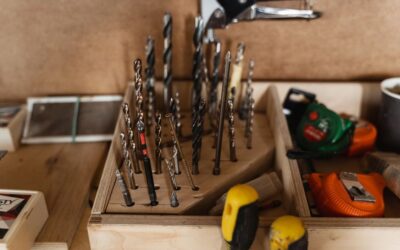
- Storage: Keep in foam-lined cases or magnetic holders to protect edges.
- Replacement cost: Forstner bits justify higher initial investment through longevity.
Key Takeaway: Forstner bits cost more upfront but last longer and stay sharp, reducing lifetime maintenance expenses.
How Do You Choose the Right Bit for Your Project?
Start by identifying your project’s finish requirements. If the final result will be visible or handled, choose Forstner bits. If the hole will be hidden or rough is acceptable, spade bits work fine. Consider the wood type next. Hardwoods and veneered surfaces demand Forstner bits. Rough framing with softwoods allows spade bits. Check your required hole depth and diameter to ensure your chosen bit is available and suitable.
Evaluate your budget and timeline constraints. Spade bits suit one-time projects or budget-conscious work. Forstner bits make sense for regular woodworking or professional applications. Test both on scrap material if you’re uncertain. Most woodworkers eventually invest in Forstner bits because the quality difference becomes obvious immediately. Your decision ultimately depends on balancing precision, speed, cost, and durability for your specific situation.
Decision-Making Checklist
- Finish visible? Choose Forstner bits for clean, professional appearance.
- Hardwood or veneer? Forstner bits prevent splintering and tearout.
- Deep holes needed? Spade bits handle 3+ inch depths without binding.
- Budget limited? Spade bits offer acceptable results at low cost.
- Regular use expected? Forstner bits justify investment through durability.
- Speed critical? Spade bits drill 30-50 percent faster in softwoods.
Key Takeaway: Match your bit choice to finish quality, wood type, hole depth, and budget constraints.
What Are Common Mistakes When Using Forstner and Spade Bits?
Rushing with Forstner bits causes burning and edge damage. These bits require steady, controlled pressure and moderate speed. Forcing a Forstner bit through hardwood creates heat that scorches the hole and dulls the cutting edge. Always use a backing board under the workpiece to prevent tearout on the exit side. This simple step dramatically improves hole quality and protects your material.
Using spade bits on finished surfaces ruins stains and varnishes through tearout and splintering. Experienced craftspeople never use spade bits on visible work. Another common mistake involves ignoring hole depth limitations. Trying to drill deep holes with Forstner bits causes binding and tool breakage. Respect each bit’s design parameters for safety and quality results.
Error Prevention Tips
- Never force Forstner bits; let the tool do the work at moderate pressure.
- Always use backing boards to prevent exit tearout on both bit types.
- Keep bits clean during use; stop and wipe out chips regularly.
- Match bit speed to material: slower for hardwoods, faster for softwoods.
- Check for hidden nails or fasteners before drilling to prevent bit damage.
- Wear safety glasses; chips can fly at high speed from either bit type.
Key Takeaway: Proper technique and respecting design limitations prevent damage, injuries, and ruined workpieces.
Frequently Asked Questions
Can You Use a Forstner Bit in a Hand Drill?
Yes, but it’s difficult and tiring. Forstner bits work better in power drills because they require steady pressure and consistent speed. Hand drills lack the torque and control needed for clean results. For occasional use, a cordless drill works adequately. For regular work, invest in a quality drill press. This setup provides the stability and control that Forstner bits need.
What’s the Maximum Hole Size Available for Each Bit?
Forstner bits typically max out at 2.5 inches in diameter. Larger sizes become unwieldy and difficult to control. Spade bits reach about 1.5 inches before the blade becomes too flexible. For holes larger than 2.5 inches, use hole saws or Forstner bit sets. Hole saws work similarly to Forstner bits but handle much larger diameters effectively.
Can You Sharpen Forstner and Spade Bits at Home?
Forstner bits sharpen relatively easily with a file or sharpening stone applied to the cutting edge. Spade bits require grinding equipment for proper sharpening. Many woodworkers prefer professional sharpening services for spade bits. For Forstner bits, a simple file maintenance keeps them serviceable between professional sharpenings. Regular cleaning prevents premature dulling.
Which Bit Works Better for Drilling Into Dowels or Plugs?
Forstner bits excel at drilling into dowels and plugs because their flat bottom and precise cutting prevent splitting. Spade bits often split dowels due to their aggressive cutting action. If you’re creating dowel holes for joinery, Forstner bits are the only professional choice. The flat bottom ensures perfect seating for dowels and creates superior joint strength.
Do You Need Different Drill Speeds for Each Bit Type?
Yes, speed matters significantly. Forstner bits work best at 500-1500 RPM, especially in hardwoods. Spade bits tolerate higher speeds up to 3000 RPM in softwoods. Slower speeds reduce burning and improve edge quality for Forstner bits. Most variable-speed drills accommodate both bits easily. Adjust speed based on wood type and bit diameter for optimal results.
What’s the Best Backing Material to Prevent Tearout?
Softwood like pine works excellently as backing material. Plywood also prevents tearout effectively. Clamp your workpiece to the backing board before drilling. The backing board absorbs the drill bit’s exit force, preventing splintering on your finished surface. This technique works with both Forstner and spade bits. It’s the single most important step for professional-quality holes.
Which Tool Should You Choose for Your 2026 Woodworking Projects?
Selecting between Forstner and spade bits comes down to balancing five critical factors: finish quality, wood type, hole depth, budget, and frequency of use. Forstner bits deliver professional-grade results in all wood types and are worth the investment for visible work. Spade bits offer budget-friendly speed for rough construction and hidden applications. Most serious woodworkers maintain both in their toolkit, using each for its intended purpose.
If you’re just starting your woodworking journey in 2026, begin with a small set of Forstner bits in common sizes like 1/4, 3/8, 1/2, and 3/4 inches. These cover most household and furniture projects. Add spade bits later if you tackle construction work. As your skills develop, you’ll appreciate the Forstner bit’s precision and reliability. The quality difference becomes obvious immediately when comparing holes side by side. Invest wisely, maintain your tools properly, and enjoy superior results on every project.
For related information on choosing the right tools for your workshop, explore the differences between hammer drills and regular drills or learn about air drills versus electric drills for production work. Understanding your tool options ensures you make informed decisions for every woodworking challenge.

Write Your Review
No reviews yet. Be the first to share your experience!