

How to Use an Air Impact Wrench to Remove Lug Nuts: Quick Answer
An air impact wrench removes lug nuts by delivering rapid rotational force through compressed air, loosening stubborn fasteners in seconds. First, connect the wrench to a compressor with adequate PSI (typically 90–120), position the correct socket over the lug nut, pull the trigger in short bursts, and monitor torque to avoid over-tightening when reinstalling. This pneumatic tool is faster and requires less physical effort than manual wrenches, making it ideal for tire changes and automotive maintenance.

AEROPRO TOOLS 1/2-Inch Air Impact Wrench, Twin Hammer Pneumatic Impact Gun
- 【1200FT-LBS High Torque】The twin hammer design air impact wrench provide strong torque and smooth balanced blows, delivering a max loosening torque of 1200 FT-LBS. (NOTE: An air compressor is needed, but it is not included in this unit)
- 【Effortless Operation & Lightweight 】The 1/2 impact gun has 3 free speeds( Up to 7500 RPM) and 1 reverse speed. Choose from 3 speed adjustments to match your specific torque needs. Crafted with a lightweight plastic shell, weighing just 4.64lbs, effectively reducing work pressure.
- 【Easy & Comfortable To Use】The orbital trigger is easier to use, and the rear exhaust directs debris away from your work surface, keeping your workspace tidy. The rubber semi-wrapped handle ensures a secure grip, making your tasks more comfortable and efficient.
- 【Wide Application】The pneumatic impact gun is sturdy with ultrahigh alloy steel 1/2" drive. It's great for tire shops, suspension, and tough automobile work.
- 【Specification】Max Loosening torque: 1200 ft-lbs, Free Speed: 7500RPM, Square drive: 1/2", Capacity Bolt Size: 5/8", Weight: 4.64Lbs, Air hose: 3/8" ID, Air inlet size: 1/4", Operating pressure: 90psi(6.3bar).


As an Amazon Associate we earn from qualifying purchases. Product prices and availability are accurate as of the date/time indicated.

Air impact wrenches have become essential in both professional garages and home workshops. Their efficiency saves time during emergency roadside repairs or routine tire rotations. Understanding proper technique prevents damage to wheels, studs, and fasteners. Whether you’re a DIY enthusiast or occasional vehicle maintainer, mastering this tool ensures safe, reliable lug nut removal every time.
What Is an Air Impact Wrench and How Does It Work?
An air impact wrench is a pneumatic power tool that uses compressed air to generate sudden rotational bursts. Inside the tool, compressed air drives a rotor that strikes an anvil repeatedly, creating high torque output in short intervals. This hammering action breaks loose stuck fasteners that would otherwise require significant manual force.
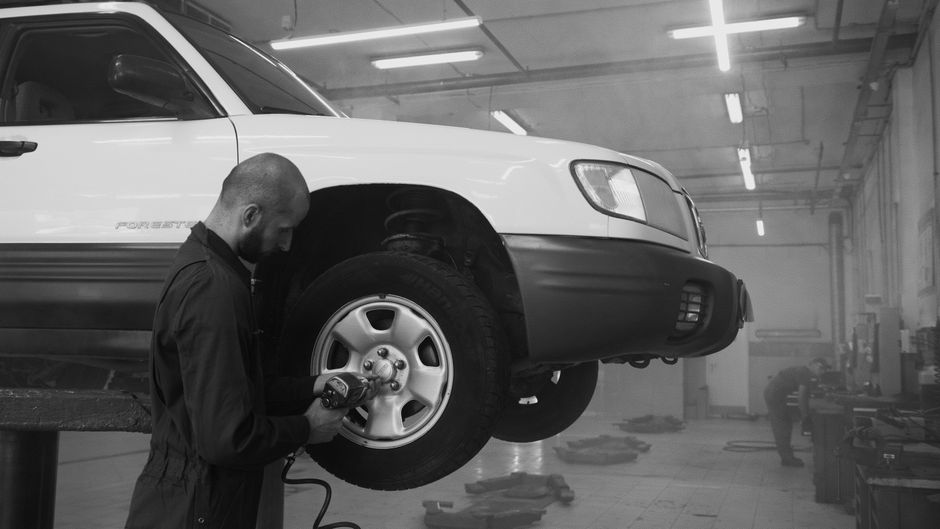
The tool operates at pressures between 80 and 120 PSI, depending on the model and manufacturer specifications. Most automotive-grade impact wrenches produce between 200 and 500 foot-pounds of torque, sufficient for removing lug nuts on passenger vehicles. The rapid-fire mechanism makes the wrench vibrate noticeably, which is normal and expected during operation.
Key Components of an Air Impact Wrench
- Motor: Uses compressed air pressure to drive internal mechanics.
- Rotor and anvil: Create the striking action that loosens fasteners.
- Trigger: Controls air flow and tool activation with variable speed.
- Chuck or socket adapter: Holds the socket securely in place.
- Exhaust port: Releases used air safely away from the user.
Key Takeaway: Air impact wrenches use compressed air bursts to generate high torque, making them far more efficient than manual tools for removing stuck lug nuts.
How Do You Prepare an Air Impact Wrench for Lug Nut Removal?
Proper preparation prevents tool damage and ensures safe operation. Start by checking your air compressor’s capacity—it must deliver at least 90 PSI consistently. Inspect the wrench for cracks, leaks, or loose parts. Connect the tool to the compressor using a clean air hose, ensuring all fittings are tight and secure.
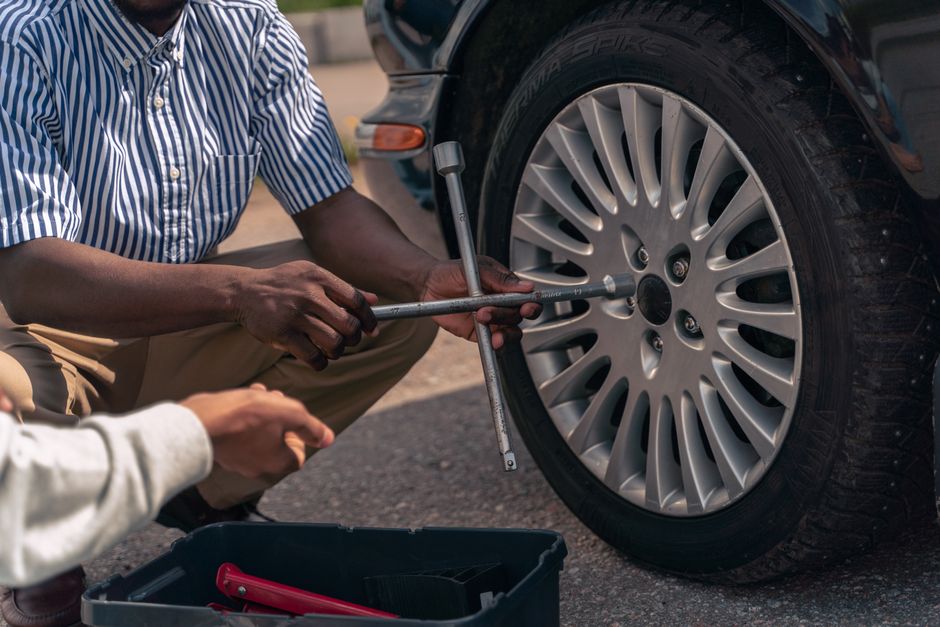
Before working on lug nuts, lubricate the wrench’s internal mechanisms. Most manufacturers recommend using pneumatic tool oil—apply a few drops into the air inlet before each use. This reduces internal friction and extends tool lifespan significantly. Never operate an air impact wrench without proper lubrication.
Pre-Operation Checklist
- Verify compressor PSI matches the wrench’s recommended operating pressure.
- Inspect the air hose for cracks, kinks, or damage.
- Apply pneumatic tool oil to the air inlet port.
- Select the correct socket size matching your vehicle’s lug nuts.
- Test the trigger mechanism briefly to confirm smooth operation.
- Wear safety glasses and work gloves before starting.
Selecting the right socket size is critical. Lug nuts typically range from 17mm to 22mm, depending on your vehicle make and model. Using an incorrect size risks stripping the nut or damaging the wrench. Check your owner’s manual if unsure of the exact size required.
Key Takeaway: Proper preparation includes checking compressor capacity, lubricating the tool, selecting the correct socket, and wearing appropriate safety gear.
What Are the Step-by-Step Instructions for Removing Lug Nuts?
Begin by positioning your vehicle on a flat, stable surface with the parking brake engaged. For safety, slightly loosen lug nuts manually before using the impact wrench—this prevents the wheel from spinning during removal. Once loosened by hand, you can efficiently finish the job with pneumatic power.
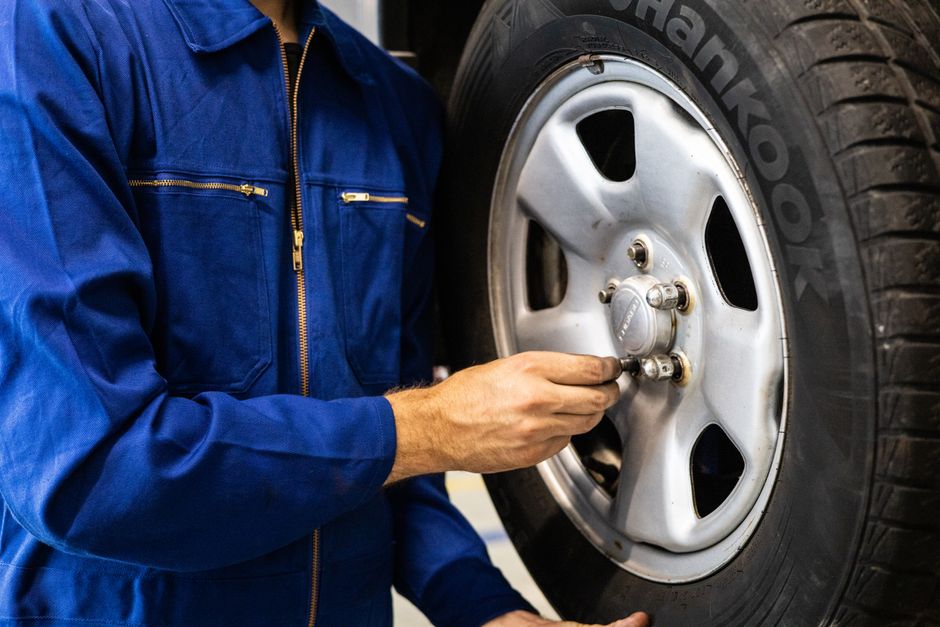
Lift the vehicle using a jack only after loosening lug nuts manually. Never raise the vehicle first, as this can cause the wheel to spin unexpectedly. Place jack stands under the frame for additional safety. Only then should you proceed with the air impact wrench.
Removal Process
- Position the socket firmly onto the lug nut, ensuring it sits squarely.
- Connect the air impact wrench to the socket with a secure click.
- Apply gentle pressure while pulling the trigger in short bursts.
- Listen for changes in sound—resistance indicates the nut is loosening.
- Remove the socket once the nut spins freely by hand.
- Unscrew the remaining portion manually to avoid over-torquing.
Trigger control matters significantly. Avoid holding the trigger continuously; instead, use controlled bursts of 1–2 seconds each. This technique provides better control and reduces vibration. If the nut resists after three bursts, apply penetrating oil and wait a few minutes before trying again.
Once all lug nuts are removed, carefully take off the wheel and set it aside on a flat surface. Never leave the wheel standing vertically, as it can roll and cause injury. Store removed lug nuts in a container where they won’t get lost during the maintenance process.
Key Takeaway: Use controlled trigger bursts, loosen nuts manually first, and always prioritize safety by securing the vehicle with jack stands.
How Can You Reinstall Lug Nuts Safely After Removal?
Reinstalling lug nuts requires a different approach than removal. Never use the impact wrench at full power to tighten lug nuts, as this causes over-torquing and can strip threads or crack wheel studs. Instead, use the wrench at reduced pressure or finish tightening manually with a torque wrench.
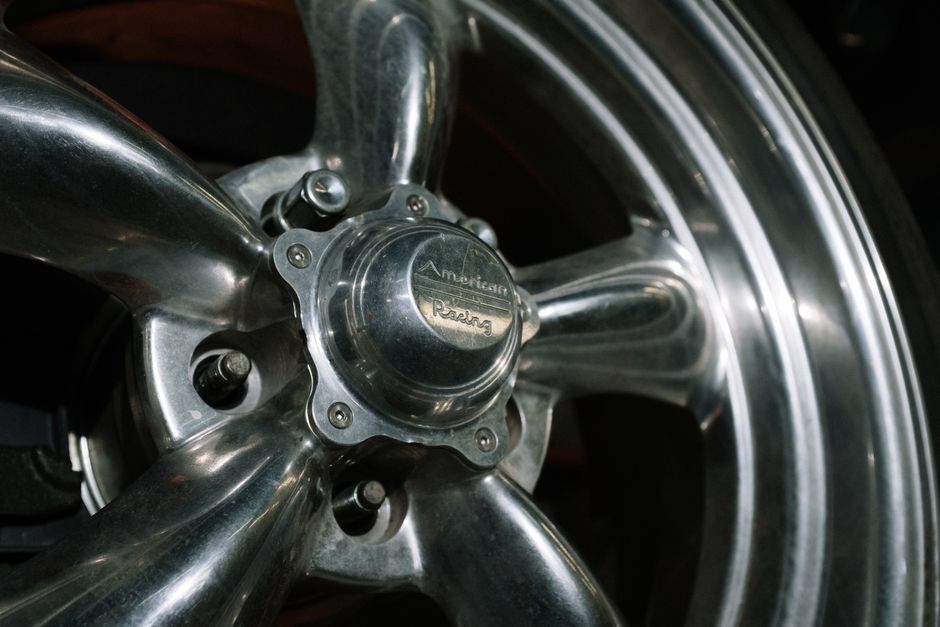
Most passenger vehicles require lug nuts torqued to 80–100 foot-pounds. Check your vehicle’s specifications in the owner’s manual. Using a calibrated torque wrench ensures proper tension—tight enough for safety, but not so tight that removal becomes difficult later.
Safe Reinstallation Steps
- Hand-thread all lug nuts first to prevent cross-threading.
- Use the impact wrench at low pressure (60 PSI) for initial snugging only.
- Switch to a manual torque wrench for final tightening to specification.
- Tighten in a star or cross pattern for even wheel pressure.
- Double-check torque after 50 miles of driving.
The star pattern means tightening opposite lug nuts alternately. For a five-lug wheel, tighten nuts in this sequence: top, bottom-right, top-left, bottom-left, right. This distributes pressure evenly and prevents wheel wobbling or vibration during driving.
Key Takeaway: Always finish tightening with a manual torque wrench set to manufacturer specifications, never relying solely on the impact wrench for final installation.
What Safety Precautions Should You Follow When Using an Air Impact Wrench?
Safety is paramount when operating pneumatic tools. Always wear safety glasses to protect against debris and sudden tool movements. Heavy work gloves provide grip and protect hands from the tool’s vibration. Hearing protection is recommended for prolonged use, as impact wrenches produce significant noise.
Never point the wrench at yourself or others. The tool’s sudden rotational force can cause serious injury if mishandled. Keep your hands clear of the socket and nut area during operation. Be especially cautious of the exhaust port, which releases pressurized air that can cause injury at close range.
Essential Safety Guidelines
- Always wear safety glasses, gloves, and hearing protection.
- Keep the vehicle secured with jack stands—never rely on a jack alone.
- Disconnect the air hose before leaving the tool unattended.
- Never use a damaged or leaking wrench.
- Maintain proper grip and stance to control tool vibration.
- Keep bystanders at least 10 feet away during operation.
Inspect your work area for hazards before starting. Remove loose clothing, jewelry, or long hair that could catch on rotating parts. Work in well-lit conditions so you can see clearly. If the wrench feels unusually hot or produces strange noises, stop immediately and inspect for damage.
Key Takeaway: Proper safety equipment, vehicle securing methods, and awareness prevent injuries and ensure successful lug nut removal.
How Do You Troubleshoot Common Air Impact Wrench Problems?
If your impact wrench stops producing torque, the first step is checking air pressure. Many compressors lose pressure during operation. Verify the gauge shows adequate PSI before assuming the tool is faulty. If pressure is sufficient, the wrench may need lubrication or internal maintenance.
Excessive vibration or unusual noise indicates potential internal damage. Stop using the tool immediately and inspect for loose components. Check that the socket is seated properly—a loose socket causes erratic behavior. If problems persist, consult the manufacturer or a professional tool repair service.
Common Issues and Solutions
- Weak torque output: Add pneumatic tool oil and verify compressor pressure.
- Wrench won’t start: Check air hose connections and trigger mechanism.
- Excessive vibration: Ensure socket is fully seated and wrench is properly lubricated.
- Air leaks: Inspect hose fittings and tighten or replace damaged connections.
- Socket slips on nut: Use correct socket size or replace worn socket.
Regular maintenance prevents most problems. Clean the air inlet port monthly and apply fresh pneumatic oil. Store the wrench in a dry location away from extreme temperatures. Drain moisture from your compressor’s tank regularly to prevent rust and corrosion inside the tool.
Key Takeaway: Regular maintenance, proper lubrication, and pressure verification solve most air impact wrench issues before they become serious.
What Is the Proper Maintenance Schedule for Air Impact Wrenches?
Air impact wrenches require minimal maintenance when used correctly. Before each use, apply 2–3 drops of pneumatic tool oil to the air inlet. This simple step dramatically extends tool lifespan. Monthly, disconnect the hose and inspect for cracks or leaks that could reduce efficiency.
After every 40 hours of use, clean the air inlet and exhaust ports. Dust and debris accumulate over time, reducing performance. Use compressed air to blow out internal passages. Store the wrench with the trigger released to prevent spring fatigue.
Monthly and Annual Maintenance Tasks
- Apply pneumatic tool oil before each use (2–3 drops).
- Inspect air hose for cracks, kinks, or loose fittings monthly.
- Clean inlet and exhaust ports every 40 operating hours.
- Check chuck or socket adapter for wear or damage quarterly.
- Have the tool professionally serviced annually if used frequently.
Keep detailed maintenance records if you use the wrench regularly. Document when you lubricate, clean, and inspect the tool. This helps identify patterns and predict when professional service may be needed. Professional servicing every 12 months ensures internal components remain in optimal condition.
Key Takeaway: Consistent lubrication, regular cleaning, and annual professional service keep your impact wrench reliable for years.
Recommended Products

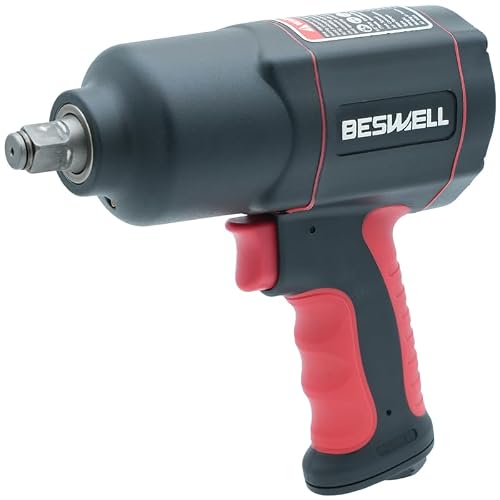
BESWELL 20-PCS 1/2" Air Impact Wrench Socket Set, Pneumatic Impact Wrench
- Unmatched Loosening Power: Delivering 1180 Ft.lbs/1600 N.M of torque, this air impact wrench easily tackles heavy-duty tasks like vehicle repair, tire wheel,fleet maintenance, and construction.
- Durable Twin Hammer Mechanism: This Air Impact Gun Features a high-performance twin hammer impact system, die-cast aluminum end plates, and a powder metal air cylinder for optimal reliability.
- AKP-01N Include 1 pc BESWELL BW-112BN Economic Level 1/2" Drive, Twin Hammer Air Impact Wrench, 1180 ft-lbs Max Loosen Torque,10pcs 1/2" SAE impact sockets (3/8",7/16",1/2",9/16",5/8",11/16",3/4",13/16",15/16" ,1"),3pcs 1/2" Metric Deep Impact Sockets (17,19 ,21mm),1pc 1/2" drive 5" extention bar,1pc quick connector,1pc oil bottle,1pc L type wrench,1pc mini oiler,1pc blow case
- Precise Power Control: This Impact Driver Includes a 3-position power regulator for forward settings and full reverse power, ensuring precise performance for every application.
- Lightweight and Compact: At just 4.62 lbs with an 8.4-inch composite housing, this pneumatic impact wrench is comfortable to handle, even during prolonged use.
- Advanced Air Cooling System: This Power Wrench Built with an integrated cooling system to reduce tool temperatures, enhancing durability and performance under continuous heavy loads.
- Enhanced Ergonomics: This Impact Wrench Provides a balanced and well-designed build for superior comfort, control, and precision in demanding applications.
- Versatile Applications: Perfect for industries like oil and gas, shipbuilding, construction, rail, and manufacturing, meeting the needs of professionals and industrial users alike.


As an Amazon Associate we earn from qualifying purchases. Product prices and availability are accurate as of the date/time indicated.

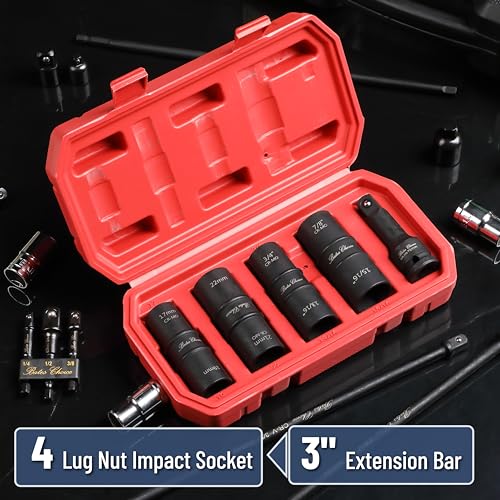
Bates- Lug Nut Impact Socket Set, 5 pcs, Lug Nut Socket Set 1/2 Drive, 21mm Lug Nut Socket, Lugnut Impact Socket Set, Lug Nut Sockets, 22mm Lug Nut Socket Set 1/2 Impact, Wheel Lug Nuts Socket
- Bates lug nut impact socket set includes 4 dual-ended sockets, a 3-inch extension bar, and a durable storage case, making it a versatile and complete solution for automotive and mechanical tasks.
- Constructed from premium CR-MO steel, these impact sockets are heat-treated for superior strength and durability, ensuring long-lasting performance under heavy-duty conditions.
- The dual-end design provides multiple size options in a compact form, including 17mm, 19mm, 21mm, 22mm, 3/4", 13/16", 15/16", and 7/8", offering compatibility with a wide range of lug nuts.
- The set includes a 3-inch extension bar for added reach and convenience, making it easier to access hard-to-reach areas during tire changes or repairs.
- Packed in a sturdy storage case, this set ensures easy portability and organization, making it ideal for professionals and DIY enthusiasts alike.


As an Amazon Associate we earn from qualifying purchases. Product prices and availability are accurate as of the date/time indicated.
Frequently Asked Questions
What PSI do I need for an air impact wrench?
Most automotive impact wrenches operate at 90–120 PSI. Check your specific tool’s manual for exact requirements. Your compressor must deliver this pressure consistently throughout the job. Starting with higher pressure and reducing it gradually helps you find the optimal setting for your vehicle’s lug nuts without over-torquing.
Can I use an air impact wrench on aluminum wheels?
Yes, but with caution. Aluminum wheels are softer than steel and can be damaged by excessive torque. Use lower air pressure (60–80 PSI) and shorter trigger bursts. Always finish tightening with a manual torque wrench to prevent over-torquing and damaging the wheel studs or lug nut seats.
How often should I oil my impact wrench?
Apply pneumatic tool oil before each use—2 to 3 drops into the air inlet port. This frequency prevents internal corrosion and friction. If you use the wrench daily, check that oil is flowing properly. Some professionals add oil every few hours during heavy use to maintain optimal performance and longevity.
What happens if I over-torque lug nuts?
Over-torquing can strip wheel studs, crack wheels, or make future removal extremely difficult. This is why finishing with a calibrated torque wrench is essential. If you suspect over-torquing, have a professional inspect the wheel studs. Proper torque specifications exist for safety and durability.
Can I use an air impact wrench on my motorcycle or ATV?
Yes, but use significantly lower pressure (40–60 PSI) since motorcycles and ATVs have smaller, more delicate fasteners. Practice on a stationary wheel first to understand the tool’s behavior at reduced pressure. Always verify the correct lug nut size before starting, as motorcycle wheels vary considerably.
What’s the difference between ½-inch and ⅜-inch drive impact wrenches?
Drive size refers to the socket connection. Half-inch drive provides more torque and is standard for automotive lug nuts. Three-eighths-inch drive is lighter and better for smaller fasteners. For car tire work, a ½-inch drive wrench is the correct choice and fits standard automotive sockets and lug nuts.
How Can You Choose the Right Air Impact Wrench for Your Needs?
Selecting an impact wrench depends on your intended use and budget. For occasional home use, a basic model with 200–300 foot-pounds of torque is sufficient. Professional mechanics typically prefer heavier-duty wrenches producing 400–500 foot-pounds. Consider how often you’ll use the tool and what fastener sizes you’ll encounter.
Drive size matters significantly. Half-inch drive is standard for automotive work and fits most lug nuts. Check your compressor’s capacity before purchasing—an undersized compressor will struggle to maintain pressure, reducing the wrench’s effectiveness. Read reviews from users with similar applications to understand real-world performance.
Brand reputation and warranty coverage provide peace of mind. Established manufacturers offer reliable tools and accessible replacement parts. Budget-friendly options exist, but investing slightly more often yields better durability and performance. If you’re unsure, visit a tool rental shop to try different models before committing to a purchase.
Key Takeaway: Choose an impact wrench based on intended use, torque requirements, and compressor compatibility to ensure reliable performance.
Conclusion: Master Air Impact Wrench Techniques for Efficient Lug Nut Removal
Using an air impact wrench to remove lug nuts saves time and effort compared to manual methods. Understanding the tool’s mechanics, following proper preparation steps, and maintaining consistent technique ensures safe, effective results. Whether you’re performing roadside emergency repairs or routine tire maintenance, this pneumatic tool delivers reliable performance when used correctly.
Safety remains the top priority throughout the entire process. Secure your vehicle with jack stands, wear appropriate protective equipment, and never over-torque fasteners during reinstallation. Finish every job with a manual torque wrench to achieve manufacturer specifications and prevent damage.
Regular maintenance—especially lubrication before each use—keeps your impact wrench functioning optimally for years. Store the tool properly and address any unusual sounds or vibrations immediately. With proper technique and care, an air impact wrench becomes an invaluable addition to your automotive toolkit. For related guidance on air compressors, see our article on how to choose the right air compressor for home use and how to inflate car tires with a portable air compressor.






Write Your Review
No reviews yet. Be the first to share your experience!