

What Is the Difference Between a Fixed Base and Plunge Router? Quick Answer
A fixed base router has a stationary motor mounted in a base that doesn’t move vertically, while a plunge router allows the motor to move up and down on spring-loaded handles. Fixed base routers excel at edge work and require pre-drilled starter holes for interior cuts. Plunge routers shine for starting cuts in the middle of workpieces without pre-drilling. Both tools use interchangeable bits and deliver professional results. Your choice depends on your primary woodworking tasks. Fixed base models offer superior stability and control for edge routing. Plunge routers provide unmatched versatility for complex interior cuts and decorative work. Many serious woodworkers own both types to maximize their routing capabilities and workflow efficiency.
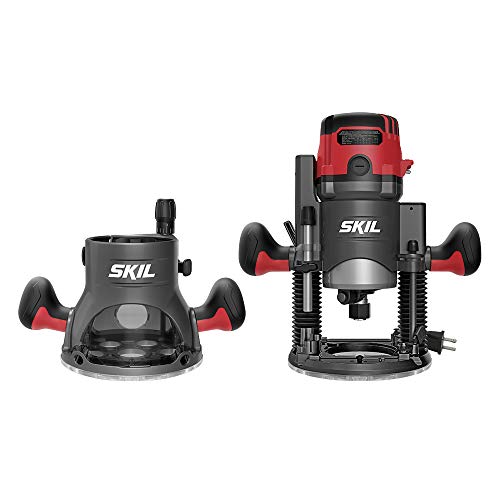
SKIL 14 Amp Plunge and Fixed Base Router Combo — RT1322-00
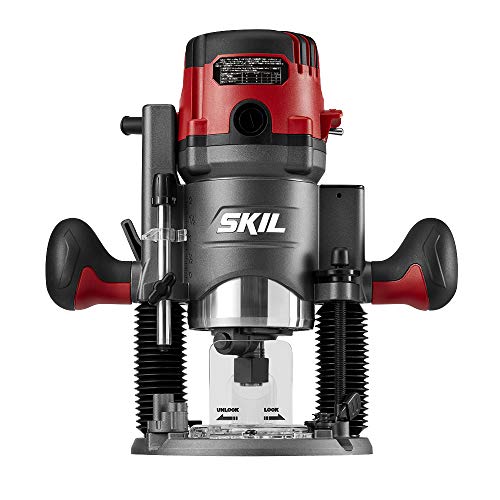
- 14 AMP PLUNGE ROUTER - Powerful 14 Amp, 2.5 HP motor includes both fixed and plunge bases for a variety of work.
- SPEED CONTROL LCD DISPLAY - Lets you select the bit type and material for suggested speed settings based on the task at hand.
- ELECTRONIC FEEDBACK - Ensures motor maintains RPM while the material is being routed.
- SOFT START - Provides a safe and controlled start to routing.
- LIVE TOOL INDICATOR - Stay safe and alert with an indicator that lights up when plunge router is connected to power.







As an Amazon Associate we earn from qualifying purchases. Product prices and availability are accurate as of the date/time indicated.
Understanding Router Basics
Routers are essential power tools for woodworking, metalworking, and cabinetry. They use rotating bits to cut, shape, and hollow out materials with precision. Both fixed base and plunge models perform the same fundamental function but with different mechanical approaches. The router’s motor spins at high speeds, typically 8,000 to 24,000 RPM. This speed creates smooth, clean cuts in wood, plastic, and composite materials. Understanding the mechanical differences helps you select the right tool for your specific project needs.
Key Takeaway: Both router types use the same cutting bits and deliver professional results through different mechanical designs.
How Does a Fixed Base Router Work and When Should You Use It?
A fixed base router features a motor permanently mounted in a stationary base. The cutting depth is set before you begin routing and remains constant throughout the cut. You adjust depth using a threaded rod and locking mechanism on the side of the base. This design creates a rock-solid, stable platform for precise edge work. The motor cannot move vertically during operation, which eliminates accidental plunge movements. Fixed base routers are ideal for edge profiling, rebating, and surface routing tasks.
Fixed Base Router Advantages
Fixed base routers deliver exceptional stability and control for detailed edge work. The stationary design prevents unwanted depth changes during operation. They excel at producing consistent, professional-quality edge profiles on boards and panels. Setup is straightforward once you understand the depth adjustment mechanism. These routers work beautifully in router tables where stability matters most.
- Superior stability for edge routing and decorative profiles.
- Consistent depth control throughout the entire cut.
- Excellent for use in router tables and jigs.
- Lower cost than plunge models in many cases.
- Simpler design with fewer moving parts.
Fixed Base Router Limitations
Fixed base routers cannot start cuts in the middle of a workpiece without pre-drilling a starter hole. This limitation requires additional setup time for interior cuts. The design is less versatile for complex routing tasks that demand mid-surface entry. You must manually plunge the bit into the material before routing begins. This process can be awkward and requires careful hand control.
Key Takeaway: Fixed base routers dominate edge work and routing table applications through rock-solid stability.
How Does a Plunge Router Function and What Projects Benefit Most?
A plunge router features a motor mounted on spring-loaded handles that allow vertical movement. You can lower the spinning bit into the workpiece at any point, even in the middle of a board. The spring mechanism automatically returns the motor to its starting height when you release the handles. This capability eliminates the need for pre-drilled starter holes on interior cuts. Plunge routers are indispensable for complex routing tasks, inlay work, and decorative cuts.
Plunge Router Advantages
Plunge routers offer unmatched versatility for interior cuts and complex routing applications. You can start cuts anywhere on the workpiece without pre-drilling. This feature dramatically expands your creative possibilities for decorative work and inlays. The spring-loaded mechanism provides smooth, controlled depth engagement. Plunge routers excel at mortising, pocket cutting, and template-guided routing work.
- Start cuts in the middle of workpieces without pre-drilling.
- Perfect for mortising, pocket cuts, and decorative inlays.
- Spring-loaded handles provide smooth depth control.
- Ideal for template-guided routing and intricate designs.
- Superior versatility for complex woodworking projects.
Plunge Router Challenges
Plunge routers are more complex mechanically and typically cost more than fixed base models. The spring mechanism requires maintenance and occasional adjustment. They can be trickier to set up precisely for consistent depth control. Some woodworkers find the dual-handle design less intuitive for edge work. The additional moving parts mean more potential maintenance over time.
For advanced inlay work, check out our guide on how to use a trim router for inlay work in 2026. This specialized router type complements plunge models beautifully for fine detail work.
Key Takeaway: Plunge routers unlock interior cutting capabilities that fixed base models cannot match.
What Are the Key Mechanical Differences Between These Router Types?
The mechanical architecture fundamentally separates these two router designs. Fixed base routers use a simple, rigid mounting system with a threaded depth adjustment rod. Plunge routers employ a more complex system with springs, handles, and vertical rails. The motor assembly in a plunge router slides along precision-machined guides. This design requires tighter tolerances and more manufacturing precision. Understanding these mechanical differences helps explain performance characteristics and maintenance needs.
Depth Control Mechanisms
Fixed base routers use a threaded rod and locking nut for depth adjustment. You set the depth before routing and lock it firmly in place. This system is simple, reliable, and virtually impossible to accidentally change during operation. Plunge routers use a spring-loaded system with a depth stop mechanism. The spring tension controls how far the bit descends into the material. You can make micro-adjustments using the depth stop screw for precise control.
- Fixed base: threaded rod with locking nut for permanent depth setting.
- Plunge router: spring-loaded handles with adjustable depth stop.
- Fixed base offers set-and-forget simplicity.
- Plunge router allows real-time depth adjustments.
Stability and Vibration Control
Fixed base routers have lower centers of gravity due to their compact design. This characteristic reduces vibration and improves cut quality for edge work. The rigid base mounting eliminates flex during operation. Plunge routers are slightly heavier and have a higher center of gravity. The spring mechanism can introduce minor vibration in some models. High-quality plunge routers minimize this issue through precision engineering and damping systems.
Key Takeaway: Fixed base routers prioritize stability while plunge routers prioritize versatility through different mechanical designs.
Which Router Type Should You Choose for Your Woodworking Needs?
Selecting between fixed base and plunge routers depends on your primary woodworking activities. If you focus on edge profiling, decorative borders, and router table work, a fixed base model is ideal. If you regularly perform inlay work, mortising, and interior cuts, invest in a plunge router. Many professional woodworkers own both types to maximize their capabilities. Consider your budget, available storage space, and typical project requirements. Think about future projects you want to tackle and how each router type supports those goals.

Fixed Base Router Best For
- Edge profiling and decorative border work.
- Raised panel doors and cabinet work.
- Router table applications and jig work.
- Consistent, repetitive edge cuts.
- Beginners learning basic routing techniques.
If you plan to work with router tables extensively, read our detailed guide on how to use a router table for raised panel doors in 2026. Router tables showcase the fixed base model’s strengths perfectly.
Plunge Router Best For
- Interior cuts and pocket routing.
- Mortising and joinery work.
- Decorative inlay and template routing.
- Freehand routing and artistic designs.
- Professional cabinetmakers and advanced woodworkers.
Owning Both Models
Serious woodworkers often purchase both router types to maximize their versatility. A fixed base model handles 70 percent of edge work efficiently. A plunge router tackles the specialized interior cuts and complex designs. Together, they create a complete routing solution for any woodworking challenge. The investment in both models pays dividends through expanded capabilities and workflow efficiency. You’ll complete projects faster with the right tool for each specific task.
Key Takeaway: Your choice depends on your primary projects, but owning both types creates the ultimate routing setup.
How Do You Maintain and Operate Each Router Type Safely?
Proper maintenance extends router lifespan and ensures safe operation. Both types require regular cleaning to remove dust and debris from motor vents. Check the power cord for damage before each use. Keep the base clean and free from wood chips that can cause binding. Plunge routers need occasional spring tension adjustment to maintain smooth operation. Fixed base routers require periodic inspection of the depth adjustment mechanism for smooth threading.
Essential Maintenance Tasks
- Clean motor vents and cooling fins after each project.
- Inspect power cord for cuts, cracks, or exposed wires.
- Check bit sharpness and replace dull bits immediately.
- Lubricate plunge router rails with light machine oil monthly.
- Test depth adjustment mechanisms for smooth, consistent operation.
Safety Best Practices
Always wear safety glasses and hearing protection when routing. Secure your workpiece firmly to prevent slipping or spinning. Never reach near the spinning bit while the router is running. Use featherboards and push sticks to maintain safe hand distance. Keep long hair and loose clothing away from the spinning motor. Unplug the router before changing bits or adjusting settings.
For additional woodworking tool guidance, explore our comprehensive guides on how to cut curves in thick wood with a band saw in 2026 and how to cut crown molding angles on a miter saw in 2026.
Key Takeaway: Regular maintenance and strict safety practices keep your routers performing optimally for years.
Recommended Products

Bosch 1617EVSPK 2.25 HP Combo Plunge & Fixed Router
- BOSCH POWER TOOLS ROUTER'S 12-AMP MOTOR IS POWERFUL, AND IT INCLUDES ADJUSTABLE SPEED SETTINGS
- CONSTANT RESPONSE CIRCUITRY STABILIZES START-UP TORQUE ON WOOD ROUTER
- ADJUSTABLE SPEED DIAL (8,000-25,000 RPM) ALLOWS USER TO SET THE OPTIMAL SPEED ON THIS WOOD WORKING BOSCH TOOL
- MICROFINE BIT-DEPTH ADJUSTMENT ALLOWS THIS HAND ROUTER FOR WOODWORKING TO GIVE FAST, PRECISE BIT-DEPTH ADJUSTMENT.
- PLUNGE BASE GIVES PRECISE DEPTH CONTROL, IDEAL TO USE AS A PLUNGE ROUTER
- ROUNDED HARDWOOD HANDLES PROVIDE A COMFORTABLE, SECURE GRIP, MAXIMIZING USER CONTROL DURING THE ROUTERS USE
- THREADED THREE-HOLE BASE PATTERN ENSURES QUICK, SECURE MOUNTING TO ROUTER TABLES
- DUST-SEALED POWER SWITCH PROTECTS INTERNAL COMPONENTS FROM ROUTER WOODWORKING DUST
- ONE-PIECE ARMATURE SHAFT CONSTRUCTION ENHANCES DURABILITY, REDUCING VIBRATION FOR SMOOTHER, MORE PRECISE WOODWORKING TOOLS
- 2 IN. SUB-BASE OPENING ALLOWS FOR EASIER TEMPLATE LOADING WHEN USING ROUTER FOR WOODWORKING


As an Amazon Associate we earn from qualifying purchases. Product prices and availability are accurate as of the date/time indicated.

Bosch 1617EVS 2.25 HP Electronic Fixed-Base Router
- 12 AMP ROUTER MOTOR: This wood router combines ample power with adjustable speed settings, allowing users to glide along cutlines
- CONSTANT RESPONSE CIRCUITRY: Torque Stabilizes start-up torque and maintains constant speed under load on this router tool
- ADJUSTABLE SPEED DIAL: This hand router tool allows users to match speed to application of reach of 8000-25,000 RPM
- MICROFINE BIT-DEPTH ADJUSTMENT: This hand router for woodworking gives fast and precise bit-depth adjustment
- ROUNDED HARDWOOD HANDLES: Provide a comfortable, secure grip, maximizing user control during the routers use
- RIGHT OR LEFT SWITCH LOCATION: Compact router with right or left switch location for user preference and consistency
- THREADED THREE-HOLE BASE PATTERN: Ensures quick, secure mounting to router tables
- DUST-SEALED POWER SWITCH: Protects internal components from Bosch router woodworking dust
- ONE-PIECE ARMATURE SHAFT: This woodworking router for construction enhances durability, reducing vibration for smooth and precision use
- Bosch 1617 Router: Has 2 Inch sub-base opening that allows for easier template loading


As an Amazon Associate we earn from qualifying purchases. Product prices and availability are accurate as of the date/time indicated.
Frequently Asked Questions
Can You Convert a Fixed Base Router to a Plunge Router?
No, you cannot convert a fixed base router to a plunge router. The mechanical designs are fundamentally different and require completely different base assemblies. Some manufacturers offer dual-base systems where you can use both bases with the same motor. This approach provides versatility without purchasing two separate routers. Check your router manual to see if compatible bases are available for your specific model.
Which Router Type Is Better for Beginners?
Fixed base routers are generally better for beginners due to their simpler design and operation. The stationary base is easier to control and less intimidating for new users. Setup is straightforward once you understand depth adjustment. Plunge routers require more skill to operate smoothly and safely. Start with a fixed base model to build fundamental routing skills, then advance to a plunge router.
How Much Do Fixed Base and Plunge Routers Cost?
Fixed base routers typically cost between 80 and 250 dollars for quality models. Plunge routers range from 120 to 400 dollars depending on features and power. Professional-grade models in both categories can exceed 500 dollars. Budget models exist below 80 dollars but offer limited durability and features. Mid-range models between 150 and 250 dollars deliver excellent value for most woodworkers.
Can You Use a Plunge Router for Edge Work?
Yes, plunge routers can perform edge work effectively, though they’re not optimally designed for it. Fixed base routers are more stable and precise for consistent edge profiles. Plunge routers work fine for edge routing but require more skill to maintain even depth. Many woodworkers prefer using a fixed base model for edge work due to superior control and stability. Use a plunge router for edge work only if you don’t have a fixed base option available.
What Size Router Should You Buy for General Woodworking?
A 2.25-horsepower router handles most general woodworking tasks effectively. This size offers enough power for hardwoods and large bits without excessive weight. Smaller 1.5-horsepower models work well for light duty and detail work. Larger 3-horsepower models suit heavy production work and large-diameter bits. Consider your typical projects and available storage space when selecting router size.
How Often Should You Replace Router Bits?
Replace router bits when they become dull or show visible damage. Dull bits produce rough, chipped edges and require excessive pressure to cut. High-quality bits last through dozens of projects before dulling. Budget bits may dull after just a few projects. Professional sharpening services can restore valuable bits, extending their lifespan significantly. Always keep spare bits on hand for uninterrupted workflow.
Which Router Type Fits Your Woodworking Future in 2026?
Understanding the differences between fixed base and plunge routers empowers you to make an informed decision. Fixed base routers excel at edge work, decorative profiles, and router table applications through rock-solid stability. Plunge routers unlock interior cutting capabilities for inlay work, mortising, and complex designs. Your choice depends on your primary woodworking activities and budget constraints. Many experienced woodworkers eventually own both types to maximize their capabilities and tackle any routing challenge.
Start with a fixed base model if you’re new to routing, then add a plunge router as your skills advance. Consider purchasing a dual-base system if your router motor supports it, providing versatility without extra cost. Invest in quality bits and maintain your routers regularly for years of reliable service. Whether you choose one type or both, you’ll unlock new creative possibilities in your woodworking projects throughout 2026 and beyond.
Key Takeaway: Choose fixed base for stability and edge work, plunge for versatility and interior cuts, or own both for complete routing mastery.






Write Your Review
No reviews yet. Be the first to share your experience!