

What Is the Right Air Hose Diameter for Your Pneumatic Tools?
Choosing the correct air hose diameter is critical for tool performance and efficiency. The wrong size creates pressure drops, reduces power output, and wastes energy. Common diameters range from 1/4 inch for light-duty work to 1 inch for industrial applications. Your compressor CFM output, tool requirements, and hose length determine the ideal size. Matching these factors prevents frustration and maximizes your investment in pneumatic equipment.
Air hose diameter directly affects airflow velocity and pressure loss. A hose that’s too small restricts air volume, starving your tools of power. A hose that’s too large wastes space and increases initial cost without benefit. Most home workshops use 1/4 inch or 3/8 inch hoses, which balance performance and practicality. Understanding these relationships helps you make informed decisions for any project.
Key Takeaway: Match your hose diameter to your compressor’s CFM output and your tools’ air consumption requirements.
How Do Air Hose Diameters Affect Pressure and Airflow?
Pressure drop increases dramatically as hose diameter decreases. A 1/4 inch hose loses more pressure over distance than a 3/8 inch hose carrying the same volume. This loss reduces the effective pressure at your tool, limiting its power and speed. For example, a 50-foot run of 1/4 inch hose might lose 10 PSI, while 3/8 inch loses only 3 PSI under identical conditions.
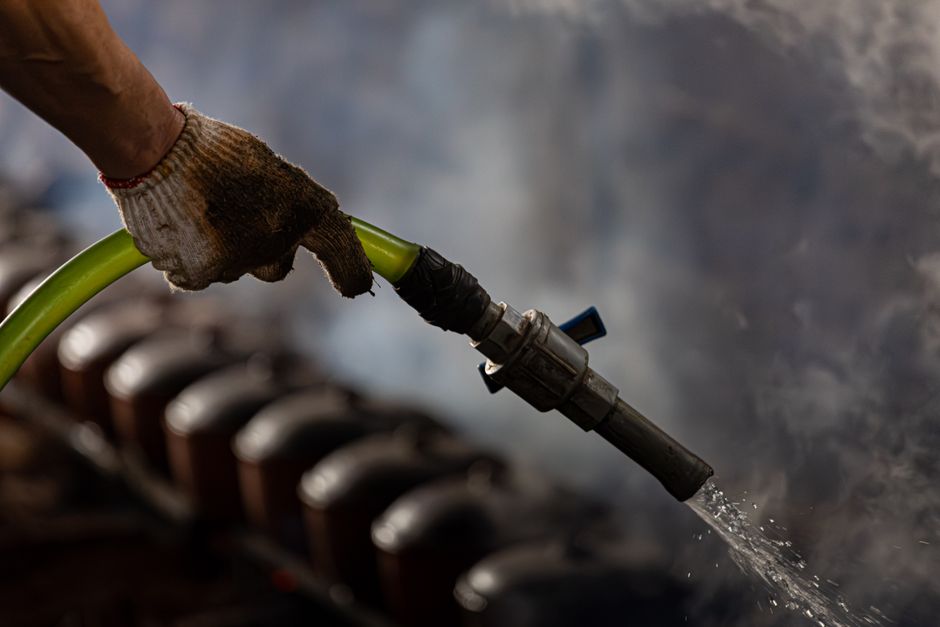
Airflow velocity matters equally to diameter. Higher velocity in narrow hoses creates friction and heat. This friction converts energy into waste rather than useful work. Professionals recommend keeping velocity below 20 feet per second in compressed air lines. Larger diameters achieve this velocity with less pressure drop.
- 1/4 inch hose: Best for short runs under 25 feet and light-duty tools.
- 3/8 inch hose: Ideal for most home workshops and mixed tool use.
- 1/2 inch hose: Recommended for long runs over 50 feet or high-CFM tools.
- 3/4 inch or larger: Used in industrial settings with multiple tools running simultaneously.
Key Takeaway: Larger diameters reduce pressure loss and maintain tool performance over distance.
Understanding Pressure Drop Over Distance
Pressure drop calculations depend on three variables: hose diameter, length, and airflow volume. A 50-foot 1/4 inch hose delivering 10 CFM loses approximately 8-10 PSI. The same setup with 3/8 inch hose loses only 2-3 PSI. For critical applications like spray painting, this difference directly impacts finish quality and consistency.
Most manufacturers provide pressure drop charts for their hoses. These charts show PSI loss at various CFM rates and distances. Consulting these charts prevents guesswork and ensures adequate pressure reaches your tools. If your compressor delivers 90 PSI but you need 80 PSI at the tool, your hose selection must account for this 10 PSI margin.
What Factors Determine the Right Hose Size for Your Needs?
Your compressor’s CFM rating is the primary sizing factor. CFM stands for cubic feet per minute, measuring air volume. Match your hose diameter to your compressor’s continuous CFM output, not its peak rating. A compressor rated at 4 CFM continuous should use a different hose than one delivering 15 CFM continuously.
Tool air consumption varies widely across pneumatic equipment. Impact wrenches demand 4-8 CFM, while air die grinders need 10-20 CFM. Spray guns require 15-30 CFM depending on the nozzle size. If you run multiple tools simultaneously, add their CFM requirements together to determine total system demand.
- Compressor CFM rating: Check your equipment’s specifications sheet.
- Total tool CFM demand: Add CFM for all tools you’ll use at once.
- Hose run length: Measure from compressor to your work area.
- Operating pressure: Verify that your system maintains required PSI at the tool.
- Ambient temperature: Cold weather increases pressure drop slightly.
Key Takeaway: Match hose diameter to your compressor’s CFM output and your tools’ combined air consumption.
Calculating Your Total Air Demand
Start by listing every pneumatic tool you own or plan to use. Write down the CFM requirement for each tool from its manual or specification sheet. If running tools sequentially, use the highest single CFM value. If running tools simultaneously, add all CFM values together.
This total represents your system’s air demand. Your compressor must deliver at least this much CFM continuously to operate all tools effectively. If your total demand exceeds your compressor’s CFM rating, you’ll experience pressure drops and tool performance issues. Consider upgrading your compressor or limiting simultaneous tool use.
How Does Hose Length Impact Your Diameter Selection?
Longer hose runs require larger diameters to maintain adequate pressure. A 25-foot run of 1/4 inch hose works fine for light tools. The same 1/4 inch hose at 100 feet creates unacceptable pressure loss. The rule of thumb: increase diameter for every 25-50 feet of additional length.

Industrial facilities often use oversized hoses specifically to handle long runs. A 1/2 inch hose at 100 feet loses less pressure than a 3/8 inch hose at 50 feet. Planning your workshop layout to minimize hose length saves money and improves performance. Shorter, direct routes are always preferable to longer, winding paths.
- Under 25 feet: 1/4 inch hose acceptable for low-CFM tools.
- 25-50 feet: 3/8 inch hose recommended for most applications.
- 50-100 feet: 1/2 inch hose needed to minimize pressure loss.
- Over 100 feet: Consider 3/4 inch or run a second compressor closer to work area.
Key Takeaway: Longer hose runs demand larger diameters to maintain adequate pressure at your tools.
Planning Your Hose Layout for Efficiency
Map your workshop before purchasing hose. Identify your compressor location and your primary work areas. Design routes that minimize distance and avoid sharp bends. Coiled hose takes up less space but creates pressure loss. Straight runs are more efficient but require more floor space.
Consider installing a main supply line from your compressor to a central hub. Branch smaller hoses from this hub to individual work stations. This approach uses one large-diameter hose for the long run, then smaller hoses for short station connections. It’s more efficient than running individual hoses across your entire workshop.
What Hose Specifications Matter Beyond Diameter?
Pressure rating is equally important as diameter. Your hose must handle your compressor’s maximum PSI without rupturing. Most pneumatic tools operate at 90-120 PSI. Industrial equipment may require 150 PSI or higher. Purchase hoses rated for at least your system’s maximum pressure, with a safety margin of 25-30%.
Material composition affects durability and performance. Rubber hoses resist UV damage and handle temperature extremes better than PVC. Polyurethane hoses are lightweight and flexible, ideal for portable work. Braided covers increase abrasion resistance. Stainless steel or nylon covers provide maximum protection in harsh environments.
- Pressure rating: Must exceed your compressor’s maximum PSI by 25-30%.
- Temperature range: Verify hose operates in your climate conditions.
- Material: Rubber for durability, polyurethane for flexibility, PVC for budget options.
- Coupling type: Ensure fittings match your compressor and tool connections.
- Certification: Look for ISO 1402 or EN 856 standards for quality assurance.
Key Takeaway: Select hoses with pressure ratings exceeding your system’s maximum PSI and materials suited to your environment.
Choosing Durable Hose Materials
Rubber hoses last longest in outdoor or industrial settings. They resist UV radiation, ozone, and temperature fluctuations. Polyurethane hoses excel in cold weather and remain flexible when rubber hardens. PVC hoses cost less but deteriorate faster under UV exposure and extreme temperatures.
Coupling quality matters significantly. Brass fittings resist corrosion better than steel. Quick-disconnect couplers simplify tool changes but add slight pressure loss. Threaded connections are more secure but slower to connect and disconnect. Match your coupling choice to your workflow and tool-switching frequency.
How Do You Match Hose Diameter to Specific Pneumatic Tools?
Different tools have different air requirements. Impact wrenches and air ratchets need steady pressure but moderate CFM. Spray guns demand consistent airflow for paint atomization. Die grinders require high CFM for cutting speed. Nail guns use minimal air but need responsive pressure. Understanding each tool’s requirements ensures proper hose selection.
Consult your tool manufacturer’s specifications before buying hose. Most manuals list minimum CFM and PSI requirements. These specifications guide your hose diameter selection. Tools that require 20+ CFM demand at least 3/8 inch hose for runs under 50 feet.
- Air nailers: 1/4 inch hose acceptable for short runs, minimal CFM demand.
- Impact wrenches: 3/8 inch recommended, 4-8 CFM requirement.
- Spray guns: 1/2 inch or larger for consistent atomization and finish quality.
- Die grinders: 3/8 or 1/2 inch, 10-20 CFM depending on model.
- Air sanders: 3/8 inch minimum, 10-15 CFM requirement.
Key Takeaway: Match hose diameter to your specific tools’ CFM and pressure requirements from manufacturer specifications.
Optimizing Hose Setup for Spray Guns
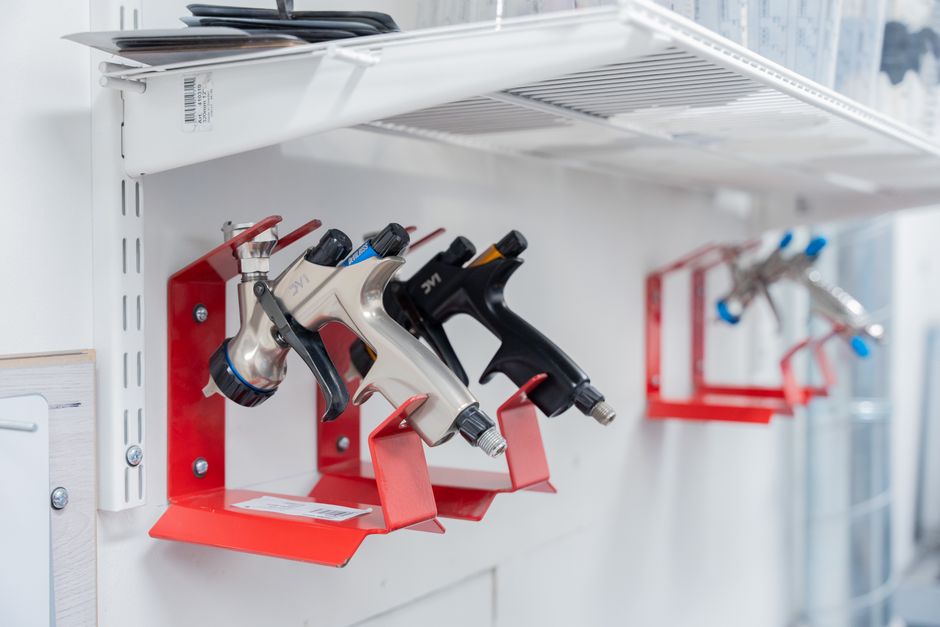
Spray guns are particularly sensitive to pressure consistency. HVLP spray guns require steady airflow without fluctuations. Pressure drops cause uneven paint atomization and poor finish quality. Use 1/2 inch or larger hose for spray gun setups, even on short runs. This ensures consistent pressure throughout your spraying session.
For detailed spray gun setup guidance, see our complete guide on how to set up an HVLP spray gun for painting. Proper hose selection is just one component of optimal spray gun performance. Pressure regulators and moisture traps also contribute to consistent results.
What Are Practical Tips for Installing and Maintaining Your Air Hose?
Proper installation extends hose life and maintains performance. Avoid sharp bends that restrict airflow and damage internal walls. Support long hose runs with clips every 3-4 feet. Coil excess hose loosely rather than kinking it tightly. Keep hoses away from heat sources, sharp objects, and direct sunlight when possible.
Regular maintenance prevents leaks and pressure loss. Inspect hoses monthly for cracks, bulges, or soft spots. Check couplings for leaks at connection points. Drain moisture from hose lines weekly to prevent corrosion and tool damage. Replace hoses showing signs of wear before they fail during important projects.
- Install hose clips every 3-4 feet to prevent sagging and damage.
- Avoid sharp bends with radius greater than 10 times the hose diameter.
- Drain moisture from the compressor tank daily or weekly depending on usage.
- Use hose reels or hangers to store hose properly when not in use.
- Replace hoses every 5-7 years or when visible damage appears.
- Test pressure at the tool end monthly to verify adequate PSI delivery.
Key Takeaway: Proper installation and regular maintenance maximize hose lifespan and maintain consistent tool performance.
Troubleshooting Common Hose Problems
Tools losing power often indicates pressure drop from undersized hoses. Test pressure at the compressor and at the tool with a gauge. If pressure drops more than 10 PSI over your hose run, upgrade to a larger diameter. Leaking couplings suggest loose fittings or worn seals. Tighten fittings first, then replace seals if leaks persist.
Moisture in hose lines causes rust and tool malfunction. Install moisture traps and drain them regularly. Moisture separators remove water before it enters your hose. For critical applications like spray painting, use inline dryers that remove both water and oil from compressed air. This prevents paint defects and tool damage.
How Do You Calculate the Right Hose Diameter for Your Specific Setup?
Start with three measurements: your compressor’s CFM rating, your total tool CFM demand, and your hose run length. Compare your tool demand to your compressor’s CFM. If demand exceeds supply, you’ll experience performance issues. Next, consult pressure drop charts for your hose diameter and length combination.
Most hose manufacturers provide online calculators or charts showing pressure loss. Input your CFM, hose diameter, and length. The chart shows PSI loss. Subtract this loss from your compressor’s PSI. If the result exceeds your tool’s minimum PSI requirement, that diameter works. If not, try the next larger diameter and recalculate.
Example Calculation:
Compressor: 90 PSI, 4 CFM continuous
Tool: Impact wrench requiring 6 CFM at 80 PSI minimum
Hose: 50 feet, 1/4 inch diameter

Pressure drop at 6 CFM over 50 feet (1/4 inch): approximately 8 PSI
Delivered pressure: 90 - 8 = 82 PSI
Result: Acceptable (82 PSI > 80 PSI minimum)

If using 1/4 inch hose at 100 feet:
Pressure drop: approximately 16 PSI
Delivered pressure: 90 - 16 = 74 PSI
Result: Unacceptable (74 PSI < 80 PSI minimum)
Solution: Upgrade to 3/8 inch hose
Key Takeaway: Use manufacturer pressure drop charts to verify your hose diameter delivers adequate PSI at your tools.
Frequently Asked Questions
What is the most common air hose diameter for home workshops?
The 3/8 inch diameter is the most popular choice for home workshops. It balances pressure retention, cost, and versatility for typical tool requirements. It works well for runs up to 50 feet and handles most pneumatic tools effectively. Many experienced DIYers prefer 3/8 inch as their primary workshop hose size.
Can I use a smaller hose if I reduce the distance?
Yes, shorter distances allow smaller hose diameters. A 1/4 inch hose works fine for 25-foot runs with light-duty tools. However, if you might expand your workshop or add tools later, investing in larger hose initially saves money on future upgrades. Future-proofing your air system is often more economical than replacing hoses later.
How often should I replace my air hose?
Replace air hoses every 5-7 years or when visible damage appears. Rubber hoses degrade from UV exposure and ozone. Polyurethane hoses last longer in harsh conditions. Inspect hoses monthly for cracks, bulges, or soft spots. Replace immediately if you find damage to prevent tool failure or safety hazards.
Does hose material affect pressure drop?
Hose material doesn’t significantly affect pressure drop itself. Diameter, length, and airflow volume determine pressure loss. However, material affects durability and lifespan. Rubber hoses resist UV and temperature extremes better. Polyurethane hoses remain flexible in cold weather. Choose material based on your environment, not pressure performance.
What pressure rating should my hose have?
Purchase hoses rated for at least 25-30% above your compressor’s maximum PSI. If your compressor delivers 120 PSI maximum, buy hoses rated for 150+ PSI. This safety margin prevents rupture and extends hose life. Check the hose label for pressure rating before purchasing to ensure adequate safety margin.
Can I connect different diameter hoses together?
Yes, you can connect different diameters using adapter fittings. However, this creates a bottleneck at the smaller diameter. The smallest hose in your line determines overall pressure drop. If you must use multiple sizes, keep the small section as short as possible. Ideally, use consistent diameter throughout your main supply line.
What Should You Know Before Purchasing Your Air Hose in 2026?
Choosing the right air hose diameter requires understanding your compressor’s capabilities, your tools’ requirements, and your hose run distance. The correct diameter ensures adequate pressure reaches your tools, maximizing performance and efficiency. Undersized hoses waste energy and reduce tool power. Oversized hoses increase cost without proportional benefit. Most home workshops find 3/8 inch diameter optimal for versatility and performance.
Invest time in measuring your workshop layout and calculating total air demand before purchasing hose. Consult manufacturer specifications for both your compressor and tools. Use pressure drop charts to verify your chosen diameter delivers adequate PSI at your work area. Quality hoses rated for your system’s maximum pressure last longer and perform reliably. With proper selection and maintenance, your air hose system will provide years of dependable service.
For additional guidance on pneumatic tool setup and usage, explore our comprehensive guides on connecting an air nailer to a compressor and using an air impact wrench to remove lug nuts. Proper hose selection is the foundation of an efficient pneumatic system.
Key Takeaway: Match your hose diameter to your compressor’s CFM output and your tools’ combined air consumption for optimal performance and efficiency.



Write Your Review
No reviews yet. Be the first to share your experience!