

What Is Air Die Grinder Porting and How Does It Work?
Air die grinder porting is a precision machining technique that enlarges and smooths engine intake and exhaust ports to improve airflow. This process increases engine performance by reducing restrictions in the fuel-air mixture path. Porting involves carefully removing material from cylinder head ports using a rotating abrasive tool. The air die grinder, powered by compressed air, spins at extremely high speeds—typically 25,000 to 30,000 RPM. Professional mechanics and engine builders use this method to optimize combustion efficiency and horsepower. Proper technique prevents damage to critical engine surfaces and ensures consistent results.
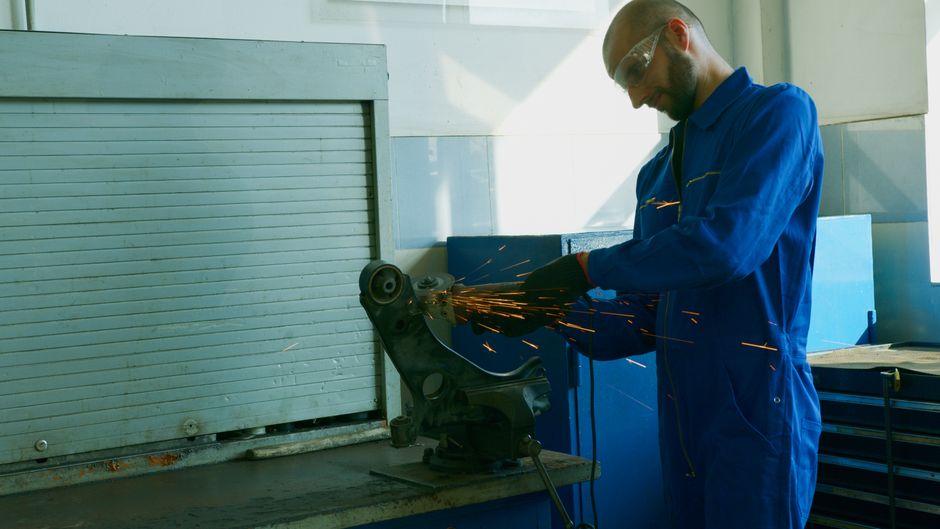
Porting improves volumetric efficiency by 5 to 15 percent depending on the engine design and port geometry. The process requires specialized knowledge of port shapes, flow dynamics, and material removal rates. Beginners should start with understanding basic die grinder operation before attempting complex porting work.
Key Takeaway: Air die grinder porting smooths engine ports to boost airflow and performance through controlled high-speed material removal.
How Do You Set Up Your Air Die Grinder for Porting Work?
Proper setup ensures safe operation and consistent results. First, verify your air compressor delivers adequate pressure and volume—most die grinders require 90 to 100 PSI with 4 to 6 CFM airflow. Connect the grinder to your compressor using a quality air hose with a regulator and moisture trap. Install the correct abrasive stone or burr for your specific porting task. Check that all connections are secure and leak-free before starting. Secure your workpiece firmly in a vise or engine stand to prevent movement during grinding.
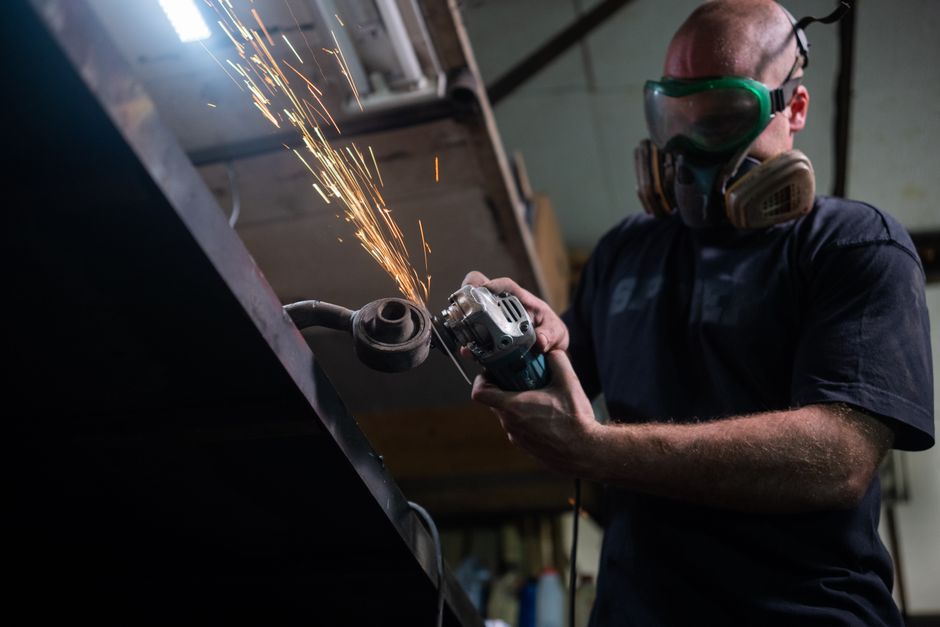
Die grinders come in straight-shaft and angle-head configurations. Straight models work best for vertical port access, while angle-head versions suit tight spaces and angled surfaces.
Essential Setup Components
- Air compressor with 4 to 6 CFM minimum capacity at 90 to 100 PSI.
- Moisture trap and regulator to protect the grinder from water damage.
- Quality air hose rated for your compressor pressure.
- Appropriate abrasive stones or burrs for the port material.
- Safety glasses, dust mask, and hearing protection.
- Engine stand or vise to secure the cylinder head.
Test the grinder at low speed before full operation. Listen for unusual vibration or noise that might indicate loose components. Adjust the regulator to the manufacturer’s recommended pressure for your specific tool.
Key Takeaway: Proper setup with correct air pressure, secure workpiece mounting, and appropriate abrasive stones is essential for safe porting.
What Are the Essential Techniques for Porting with a Die Grinder?
Successful porting requires controlled hand movements and understanding port flow dynamics. Start with coarse stones to remove bulk material quickly, then progress to finer grits for finishing. Work in smooth, overlapping passes to avoid gouging or creating uneven surfaces. Keep the grinder at a consistent angle relative to the port surface. Move steadily along the port walls rather than staying in one spot, which can overheat and damage the metal. Apply light to moderate pressure—let the spinning stone do the work rather than forcing it.
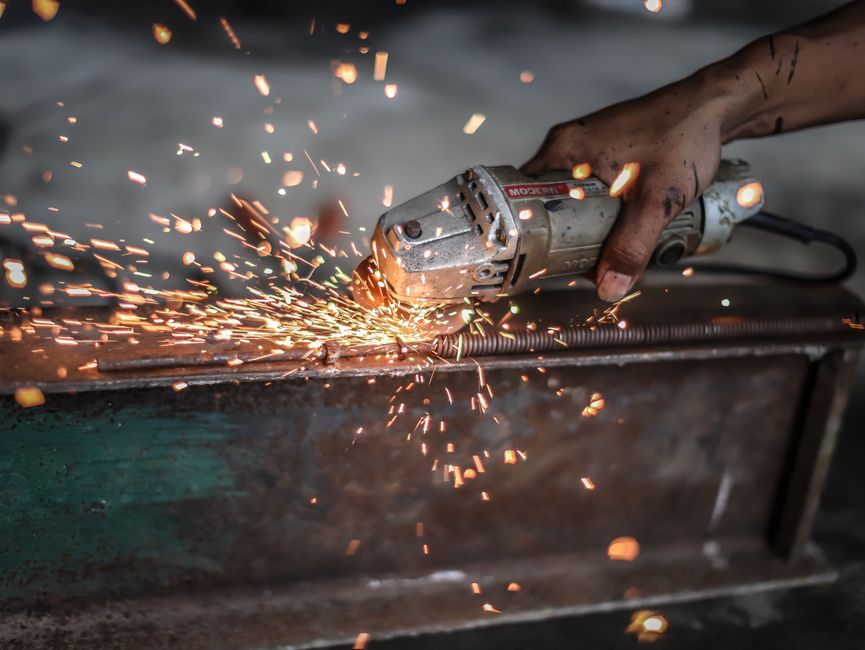
Temperature control is critical during porting. Excessive heat can weaken the cylinder head material and create micro-cracks. Dip the workpiece in water periodically to cool it. Never allow smoke or significant discoloration to appear on the metal surface.
Fundamental Porting Techniques
- Start with coarse 80 to 120 grit stones for initial material removal.
- Progress to 220 to 400 grit for intermediate smoothing and shape refinement.
- Finish with 600+ grit stones for polished surfaces that reduce turbulence.
- Use overlapping circular or figure-eight motions for even material removal.
- Maintain consistent grinder angle between 15 and 45 degrees to the port surface.
- Cool the workpiece frequently to prevent heat damage.
Port flow is improved by creating smooth transitions between the valve seat and port runner. Avoid sharp edges or abrupt diameter changes that create turbulence. Study port flow visualization data or consult engine porting references to understand ideal shapes for your specific engine.
Key Takeaway: Smooth, controlled passes with progressive grits and frequent cooling create high-quality ported surfaces that improve engine airflow.
How Can You Measure and Verify Your Porting Progress?
Measuring port dimensions ensures you stay within design specifications. Use calipers and depth gauges to track material removal at key points. Compare your measurements against reference data for your engine type. Most porting projects target specific port volumes and flow characteristics documented by engine manufacturers or performance shops. Photography and sketching help document your progress and compare before-and-after results. Mark reference points on the cylinder head to track uniformity across multiple ports.
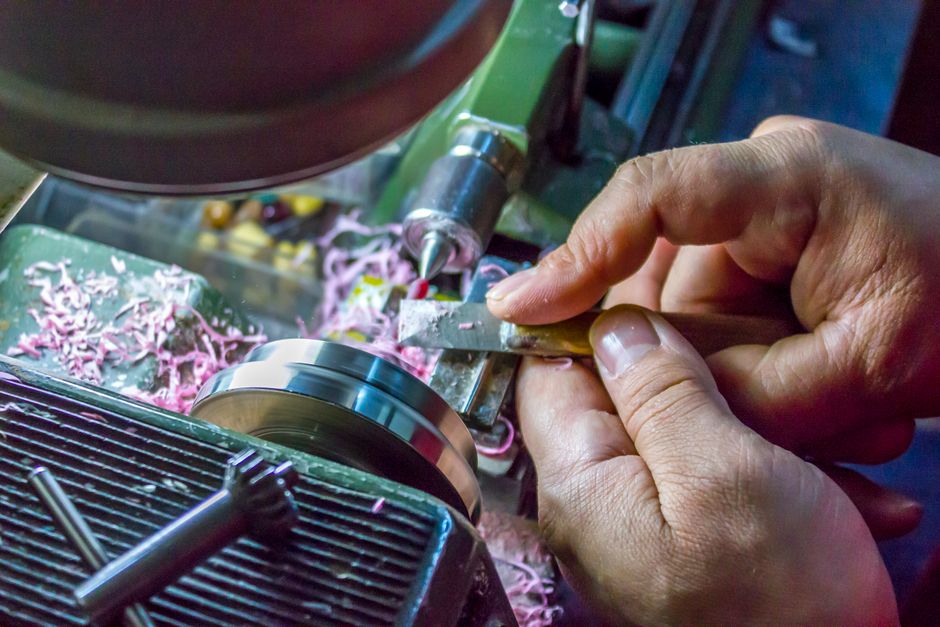
Flow bench testing provides the most accurate verification of porting success. Professional shops use flow benches to measure actual airflow rates at different valve lifts. This expensive equipment isn’t practical for home shops, but understanding flow bench principles helps guide your work.
Verification Methods
- Digital calipers measure port throat diameter and critical dimensions.
- Depth gauges track material removal depth at specific locations.
- Flashlight inspection reveals remaining rough spots and uneven surfaces.
- Comparison photos document progress and identify problem areas.
- Flow bench testing confirms actual performance improvements (professional service).
Keep detailed notes of your measurements and grinding time at each stage. This data proves invaluable when porting similar engines later. Consistency across all ports on a cylinder head is more important than hitting exact theoretical dimensions.
Key Takeaway: Regular measurement with calipers and visual inspection ensures your porting stays on track and produces consistent results.
What Safety Precautions Must You Follow When Porting?
Die grinder porting involves several hazards requiring proper protection. Abrasive dust and metal particles can damage lungs and eyes—wear a respirator mask rated for fine particles and safety glasses with side shields. Hearing protection is essential since die grinders produce noise exceeding 90 decibels. Secure long hair and loose clothing to prevent entanglement with the rotating burr. Never reach toward the spinning tool or adjust the workpiece while the grinder is running. Keep your hands and fingers away from the abrasive stone at all times.
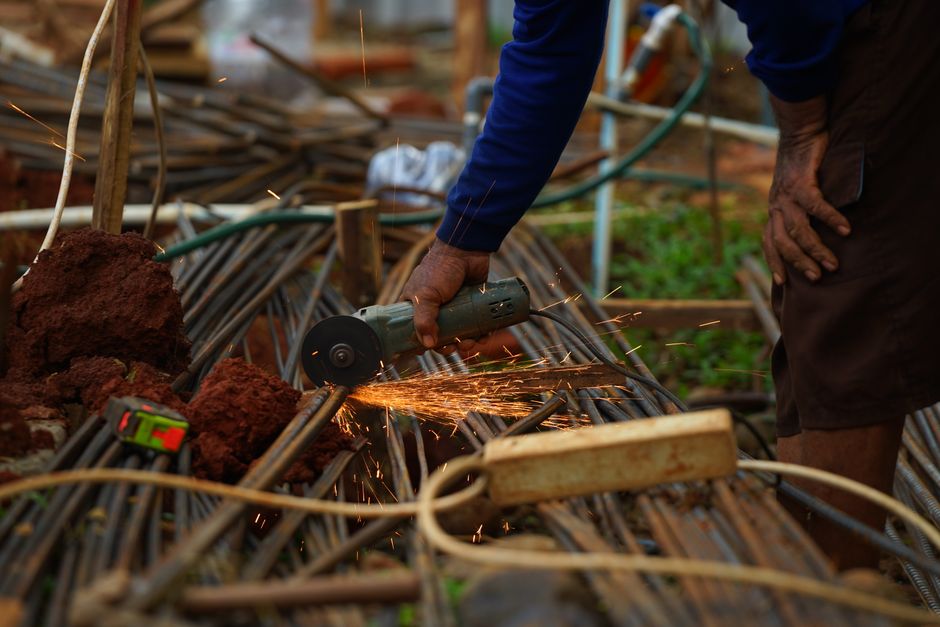
High-speed rotation can cause serious injuries if proper technique fails. Maintain firm control of the grinder with both hands whenever possible. Stop the tool immediately if you feel unusual vibration or hear abnormal sounds.
Critical Safety Measures
- Wear a fitted respirator rated for fine dust and metal particles.
- Use safety glasses or face shield to protect eyes from flying debris.
- Wear hearing protection rated for 90+ decibel noise levels.
- Secure the workpiece firmly before starting the grinder.
- Never adjust the workpiece or burr while the tool is running.
- Keep hands and fingers at least 2 inches from the rotating stone.
- Tie back long hair and remove loose clothing or jewelry.
- Ensure adequate ventilation to clear dust from your work area.
Maintain your die grinder regularly to prevent mechanical failures. Check the chuck regularly for cracks and replace worn bearings promptly. Inspect air hoses for damage before each use. A well-maintained tool is safer and produces better results.
Key Takeaway: Comprehensive personal protective equipment, secure workpiece mounting, and proper maintenance prevent serious injuries during porting work.
How Should You Maintain Your Air Die Grinder After Porting?
Proper maintenance extends your tool’s lifespan and ensures reliable performance. Drain the moisture trap daily after use—water damages internal bearings and seals. Use air tool oil to lubricate the motor and internal components according to the manufacturer’s schedule. Clean dust and metal particles from external surfaces with a soft brush. Store the grinder in a dry location away from extreme temperatures. Replace worn or damaged burrs and stones before they break apart during operation.
Check the chuck periodically for looseness or damage. Tighten it securely before each use. A loose chuck causes vibration and poor surface finish quality.
Maintenance Schedule
- Drain moisture trap daily after every work session.
- Apply air tool oil weekly or per manufacturer recommendations.
- Clean external surfaces and vents after each porting session.
- Inspect and tighten the chuck before starting work.
- Replace burrs or stones showing cracks or excessive wear.
- Check air hoses monthly for damage, cracks, or leaks.
- Store the grinder in a clean, dry environment away from humidity.
Professional servicing every 12 months keeps your die grinder in peak condition. Many tool repair shops offer affordable maintenance packages. Preventive care costs far less than replacing a damaged tool.
Key Takeaway: Daily moisture drainage, regular lubrication, and prompt burr replacement keep your die grinder reliable for years of porting work.
What Are Common Mistakes to Avoid When Porting?
Inexperienced porters often remove too much material, creating ports that are oversized for the engine’s displacement and RPM range. This reduces velocity and mixing efficiency, actually harming performance. Uneven material removal creates asymmetrical ports that produce unbalanced flow between cylinders. Excessive heat from prolonged grinding weakens the cylinder head material. Rushing the finishing process leaves rough surfaces that create turbulence and reduce flow benefits.
Many beginners underestimate the importance of port entry shape. The area where the intake manifold connects to the port is critical for smooth flow transition. Neglecting this region wastes effort spent on the rest of the port.
Critical Mistakes to Prevent
- Over-porting beyond the engine’s optimal flow requirements.
- Creating uneven surfaces that cause flow turbulence and separation.
- Allowing excessive heat buildup that damages cylinder head material.
- Ignoring the port entry and manifold mating surface.
- Skipping the finishing process and leaving rough surfaces.
- Porting without understanding your specific engine’s flow characteristics.
Study successful porting examples for your engine model before starting. Join online forums and communities where experienced porters share knowledge. Learning from others’ mistakes saves time and prevents costly errors on your cylinder head.
Key Takeaway: Avoiding over-porting, maintaining even surfaces, and prioritizing proper finishing prevents wasted effort and performance loss.
How Can You Learn More About Air Die Grinder Porting Techniques?
Numerous resources help develop porting expertise. Engine building books from established publishers provide flow dynamics principles and proven porting techniques. Online video tutorials demonstrate proper hand positioning, stone selection, and finishing methods. SAE International publishes technical papers on port flow optimization. Many performance engine shops offer hands-on porting classes where you learn directly from professionals. YouTube channels dedicated to engine building showcase porting procedures with detailed commentary.
Consider starting with simple porting jobs on older or less valuable cylinder heads. This builds confidence and skill before tackling expensive modern heads. Mistakes on practice pieces teach valuable lessons without catastrophic financial consequences.
Related air tool topics expand your pneumatic tool knowledge. Learn how to choose the right air compressor for home use to ensure adequate power for your die grinder. Understanding dual action air sander operation teaches similar material removal principles. Proper air tool connection and setup prevents performance issues during porting work.
Key Takeaway: Books, videos, classes, and practice on non-critical pieces accelerate your porting skill development.
What Is the Conclusion About Using Air Die Grinders for Porting?
Air die grinder porting is a specialized skill that significantly improves engine performance when done correctly. The process requires understanding air dynamics, careful material removal, and attention to detail. Proper setup with adequate air supply, correct abrasive selection, and secure workpiece mounting ensures safe operation and quality results. Following proven techniques—progressive grit progression, controlled passes, frequent cooling, and regular measurement—produces smooth ports that genuinely improve airflow. Safety precautions protect you from serious injury while maintaining your tool through diligent care extends its useful life.
Starting with educational resources and practice on non-critical pieces builds confidence for more complex porting jobs. Avoid common mistakes like over-porting, uneven removal, and inadequate finishing. Whether you’re building a high-performance engine or restoring a classic vehicle, mastering die grinder porting opens possibilities for significant horsepower gains. Invest in quality tools, prioritize safety, and commit to continuous learning as you develop this valuable skill.
Key Takeaway: Mastering air die grinder porting through proper technique, safety awareness, and continuous learning enables impressive engine performance improvements.
Frequently Asked Questions
What PSI and CFM do I need for die grinder porting?
Most die grinders require 90 to 100 PSI with 4 to 6 CFM airflow for optimal performance. Check your specific tool’s manual for exact requirements. Insufficient air supply causes the grinder to lose speed and power, resulting in poor surface finish and slower work. A quality air compressor with adequate capacity is essential for consistent results during extended porting sessions.
How long does it take to port a cylinder head?
Porting time varies dramatically based on engine type, port complexity, and your experience level. Simple intake ports might take 2 to 4 hours each, while exhaust ports require 3 to 6 hours due to tighter geometry. Experienced porters work faster than beginners. Budget 20 to 40 hours for a complete four-cylinder head, or 30 to 60 hours for a V8. Rushing produces poor results—quality work cannot be hurried.
Can I port cylinder heads without a flow bench?
Yes, you can port effectively without a flow bench by studying reference materials and comparing your work to documented specifications. Flow benches provide precise measurement but aren’t essential for good porting. Understanding port flow principles, maintaining symmetry across all ports, and achieving smooth surfaces produces significant performance gains. Professional flow bench testing afterward confirms your results if desired.
What abrasive stone grit should I use for porting?
Start with 80 to 120 grit stones for bulk material removal, progress to 220 to 400 grit for intermediate shaping, and finish with 600+ grit for polished surfaces. Coarser grits remove material quickly but leave rough surfaces. Finer grits smooth and polish but remove material slowly. Proper progression ensures both efficiency and quality results.
Is porting worth the effort for street engines?
Porting delivers 5 to 15 percent performance improvements on most engines. For street cars, modest porting produces noticeable gains in throttle response and mid-range power without extreme modifications. Racing engines benefit more dramatically from aggressive porting. The effort is worthwhile if you value performance and enjoy hands-on engine work.
How do I prevent overheating during porting?
Cool the workpiece frequently by dipping it in water—every 10 to 15 minutes of grinding. Avoid staying in one spot with the grinder; keep moving in smooth passes. Use lighter pressure and let the stone do the work. Never allow visible smoke or significant metal discoloration. Proper technique and regular cooling prevent heat damage that weakens cylinder head material.



Write Your Review
No reviews yet. Be the first to share your experience!