

What Is the Correct PSI for Truck Tires? Quick Answer
The correct PSI for truck tires typically ranges from 32 to 80 PSI, depending on your truck’s make, model, load capacity, and tire type. Most light-duty pickup trucks require 32–36 PSI for all four tires, while heavy-duty trucks and those carrying maximum loads may need 50–80 PSI. Always check your vehicle’s driver-side door jamb label or owner’s manual for the manufacturer’s exact recommendation, not the tire sidewall rating. Proper tire pressure is critical for safety, fuel efficiency, tire longevity, and handling performance. In August 2026, modern tire pressure monitoring systems (TPMS) make it easier than ever to maintain correct PSI and receive alerts when pressure drops below safe levels.
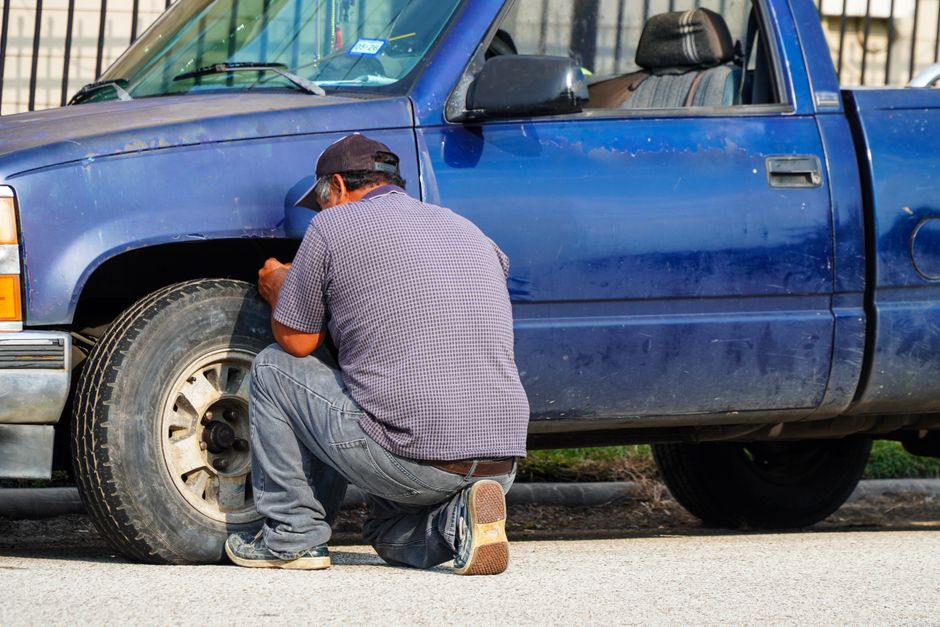
Tire pressure directly impacts how your truck performs on the road. Underinflated tires increase rolling resistance, reducing fuel economy and generating excess heat. Overinflated tires reduce traction, create uneven wear patterns, and compromise ride comfort. The manufacturer’s recommended PSI is calibrated for your truck’s suspension, weight distribution, and safety systems. Seasonal temperature changes—especially the heat of August—can cause tire pressure to fluctuate by 1 PSI for every 10°F change. Understanding your truck’s specific PSI requirements ensures optimal performance, extends tire life, and keeps you and your cargo safe.
How Do You Find Your Truck’s Recommended Tire Pressure?
Your truck’s correct tire pressure is printed on a label located on the driver-side door jamb, inside the fuel door, or in your owner’s manual. This label lists the manufacturer’s recommended PSI for both front and rear tires under normal driving conditions. Many trucks specify different pressures for front and rear axles to account for weight distribution and suspension geometry. Do not rely on the maximum PSI printed on your tire’s sidewall—that number indicates the tire’s load capacity, not the correct operating pressure for your vehicle.
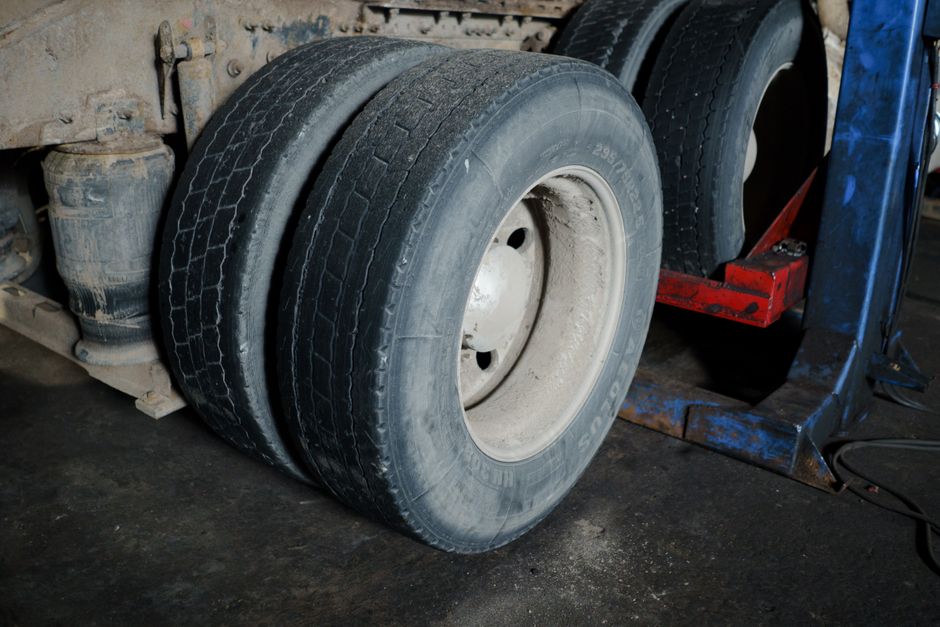
Modern trucks in 2026 are equipped with tire pressure monitoring systems (TPMS) that display real-time pressure readings on your dashboard. Some advanced systems show individual tire pressures for each wheel, making it simple to spot underinflation or pressure imbalances. Check your tire pressure when tires are cold—at least three hours after driving or before the truck has been in direct sunlight. Pressure readings taken on warm tires will be 4–6 PSI higher than actual cold pressure, leading to incorrect adjustments.
Where to Locate the Pressure Label
- Driver-side door jamb (most common location for pickup trucks).
- Inside the fuel door or fuel filler flap.
- Owner’s manual or service information booklet.
- Manufacturer’s website or customer service portal.
- TPMS display on your truck’s dashboard or infotainment system.
Key Takeaway: Always reference your truck’s door jamb label or owner’s manual for correct PSI—never use the sidewall rating.
What Factors Affect the Correct PSI for Your Truck?
Several factors determine the optimal tire pressure for your specific truck. Vehicle weight, load capacity, suspension design, and tire size all influence the manufacturer’s recommended PSI. Trucks designed to carry heavy payloads often require higher tire pressure to support that weight safely. Towing capacity, terrain type, and driving conditions also play a role in pressure recommendations.
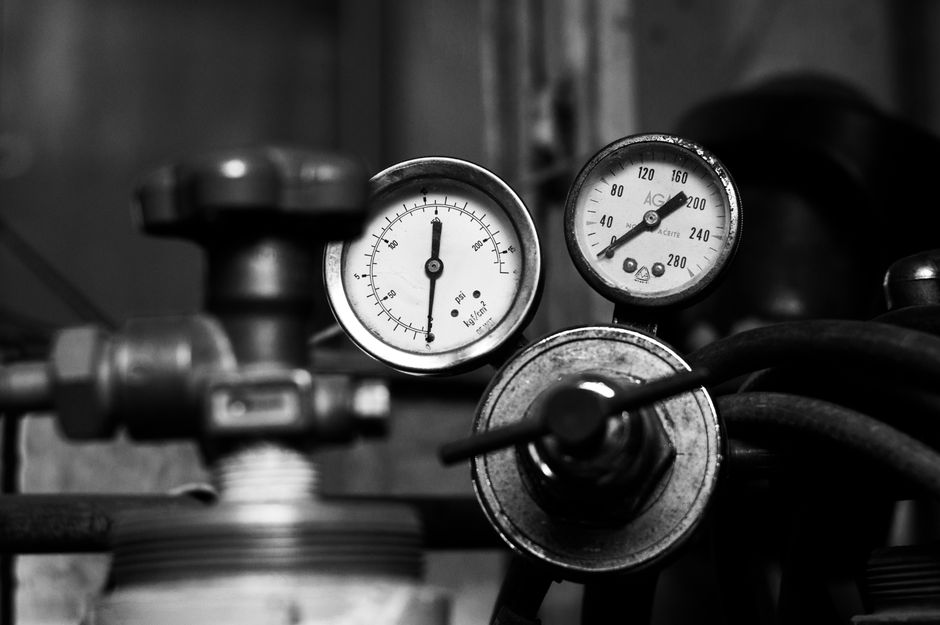
Ambient temperature is one of the most significant variables affecting tire pressure. In August 2026, summer heat can increase tire pressure by 5–10 PSI above winter baseline levels. Conversely, cold winter temperatures reduce pressure, potentially triggering TPMS warning lights. Load changes—adding cargo, passengers, or a trailer—require pressure adjustments. Always inflate to the manufacturer’s recommended PSI for your current load conditions, not maximum capacity.
Key Variables That Impact Tire Pressure
- Vehicle weight and suspension type determine baseline pressure requirements.
- Tire size and construction (bias-ply vs. radial) affect optimal PSI ranges.
- Ambient temperature fluctuates pressure by approximately 1 PSI per 10°F change.
- Payload and cargo weight increase pressure needs for safe load-carrying.
- Towing capacity and trailer weight require adjusted pressure specifications.
- Driving conditions—highway, off-road, or mixed—may influence pressure settings.
Key Takeaway: Temperature, load, and vehicle specifications collectively determine your truck’s ideal tire pressure.
How Should You Check and Maintain Truck Tire Pressure?
Checking tire pressure is straightforward but requires the right tools and technique. Use a reliable tire pressure gauge—digital gauges offer accuracy to within 1 PSI. Remove the valve cap, press the gauge firmly onto the valve stem, and read the pressure. Perform checks when tires are cold for the most accurate measurement. In August 2026, check pressure early in the morning before temperatures rise or after the truck has been parked for at least three hours.
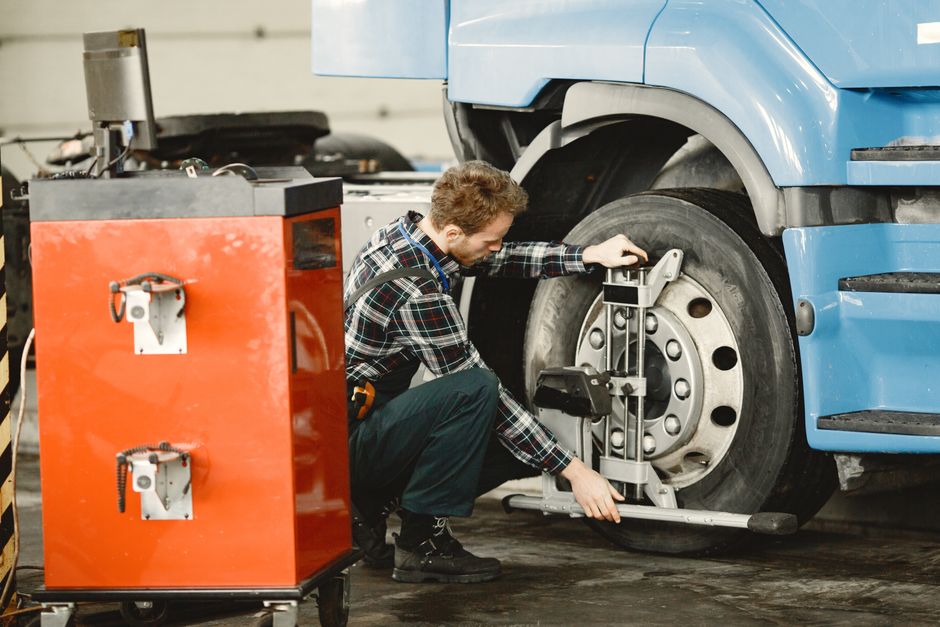
Maintain your truck’s tire pressure on a monthly basis, or whenever you notice uneven wear or performance changes. Many modern trucks display tire pressure on the dashboard, eliminating guesswork. If pressure is low, inflate at a gas station air pump or portable compressor until you reach the manufacturer’s recommended PSI. If pressure is high, slowly release air by pressing the valve stem with a small tool. Overinflating is just as problematic as underinflating.
Step-by-Step Tire Pressure Maintenance
- Park your truck on level ground and allow tires to cool for three hours minimum.
- Locate the manufacturer’s recommended PSI on your door jamb label.
- Remove the valve cap from the first tire.
- Press your tire gauge firmly onto the valve stem for a clear reading.
- Compare the reading to the manufacturer’s specification.
- Add air at a gas station pump if pressure is below the recommendation.
- Release air slowly if pressure exceeds the specification.
- Recheck pressure and repeat for all four tires.
- Replace valve caps securely.
- Record the date and pressure readings in your maintenance log.
Key Takeaway: Check tire pressure monthly when tires are cold and adjust to manufacturer specifications.
What Are Common PSI Ranges for Different Truck Types?
Light-duty pickup trucks—such as Ford F-150, Chevrolet Silverado, and Ram 1500 models—typically operate at 32–36 PSI. These trucks are designed for everyday driving and moderate towing. Mid-size trucks and trucks with higher payload capacities may require 40–50 PSI. Heavy-duty trucks, commercial vehicles, and trucks carrying maximum loads can require 60–80 PSI or higher, especially on rear axles.
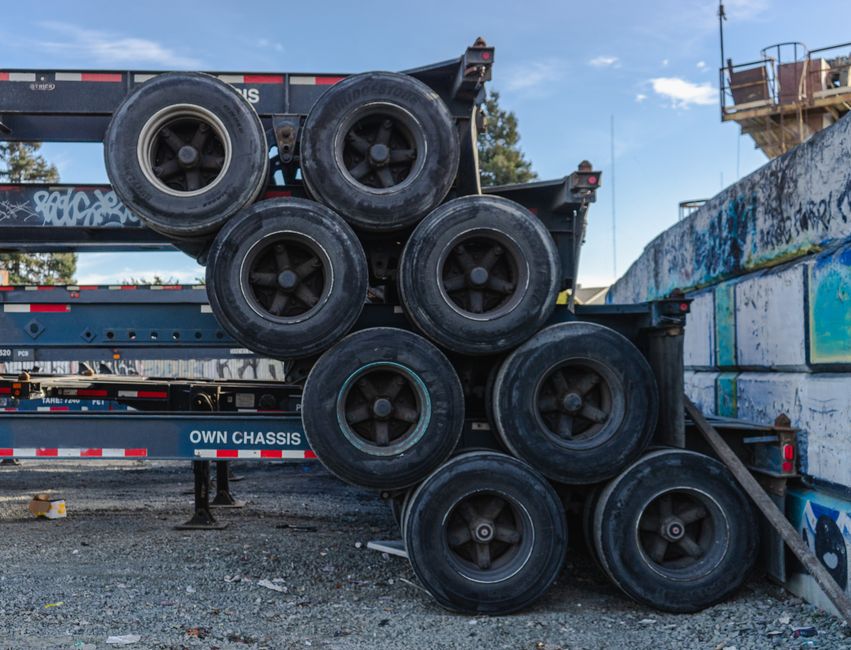
Dual rear-wheel trucks often have different pressure requirements for inner and outer rear tires. Always consult your specific truck’s door jamb label, as pressure varies significantly between models and generations. A 2026 Ford F-150 may differ from a 2025 model or previous generation. Tire type also matters—all-terrain tires, mud-terrain tires, and highway tires may have different optimal pressure ranges despite being mounted on the same truck.
Typical PSI Ranges by Truck Category
- Light-duty pickups: 32–36 PSI (Ford F-150, Chevrolet Silverado 1500, Ram 1500).
- Mid-size trucks: 35–45 PSI (Chevrolet Colorado, Ford Ranger, Toyota Tacoma).
- Heavy-duty trucks: 50–80 PSI (Ford F-250/F-350, Chevrolet Silverado 2500/3500, Ram 2500/3500).
- Dual rear-wheel trucks: Variable front/rear pressures, often 65–80 PSI rear.
- Commercial trucks: 80–100+ PSI (consult fleet maintenance specifications).
Key Takeaway: Truck type and load capacity determine PSI ranges; always verify your exact truck’s specifications.
What Happens When Truck Tire Pressure Is Incorrect?
Underinflated tires create excessive sidewall flexing, generating heat and accelerating wear. This reduces fuel economy by 3–5% and increases the risk of tire blowouts, especially in summer heat. Underinflation also compromises steering response and braking effectiveness. Overinflated tires reduce the tire’s contact patch with the road, decreasing traction and creating a harsh ride. Uneven wear patterns develop quickly, shortening tire life and increasing replacement costs.
Both conditions trigger your truck’s TPMS warning light, alerting you to pressure problems. Incorrect pressure affects your truck’s suspension geometry, impacting alignment and handling. In August 2026, summer temperatures can amplify these issues—underinflated tires overheat faster, while overinflated tires become more prone to punctures on hot pavement. Maintaining correct PSI ensures safety, maximizes tire longevity, improves fuel efficiency, and preserves your truck’s handling characteristics.
Consequences of Incorrect Tire Pressure
- Underinflation reduces fuel economy and increases heat buildup and blowout risk.
- Overinflation reduces traction and creates uneven wear patterns.
- Both conditions trigger TPMS warning lights on your dashboard.
- Incorrect pressure compromises steering, braking, and suspension performance.
- Tire lifespan is significantly reduced, increasing replacement frequency and cost.
- Handling and stability are negatively affected in emergency maneuvers.
Key Takeaway: Incorrect PSI damages tires, reduces safety, and wastes fuel—maintain manufacturer specifications always.
How Does Temperature Affect Truck Tire Pressure?
Tire pressure increases approximately 1 PSI for every 10°F rise in temperature. During August 2026, summer heat can raise tire pressure significantly above your baseline winter setting. If you inflated your tires to the correct PSI in winter, they may be 8–12 PSI higher by mid-summer. Conversely, winter cold temperatures can reduce pressure by similar amounts. This is why checking pressure seasonally is essential—you may need to adjust for temperature changes even if your tires haven’t developed a leak.
The relationship between temperature and pressure is governed by the ideal gas law. As air molecules inside your tire heat up, they move faster and exert greater force on the tire walls. This is a normal, temporary effect—not a sign of a problem. However, overinflated tires from summer heat can reduce traction and cause uneven wear. Underinflated tires in winter can trigger TPMS warnings. Modern trucks with TPMS display real-time pressure, making seasonal adjustments straightforward.
Key Takeaway: Temperature changes of 10°F alter tire pressure by 1 PSI; adjust pressure seasonally to maintain correct specifications.
Practical Tips for Maintaining Optimal Truck Tire Pressure
Adopt a routine maintenance schedule to keep your truck’s tire pressure in optimal range. Set a monthly reminder to check all four tires when they’re cold. In August 2026, check pressure early in the morning before daytime heat peaks. Invest in a quality digital tire pressure gauge for accuracy—inexpensive gauges often drift out of calibration. Keep a portable air compressor in your truck for emergency adjustments on the road.
Monitor your TPMS display regularly for pressure alerts. Many modern trucks allow you to view individual tire pressures through the infotainment system. If you notice a slow leak in one tire, have it inspected by a tire professional—a small puncture can often be repaired. Rotate your tires every 6,000–8,000 miles to ensure even wear and extend tire life. Before long trips or when towing, double-check all tire pressures and verify they match your truck’s specifications for the current load.
Actionable Tire Pressure Maintenance Checklist
- Check tire pressure monthly using a reliable digital gauge.
- Always check pressure when tires are cold (three+ hours after driving).
- Adjust pressure to match your door jamb label specification exactly.
- Recheck pressure in the morning and after long highway drives.
- Monitor TPMS alerts on your dashboard and address them immediately.
- Rotate tires every 6,000–8,000 miles for even wear.
- Inspect tires visually for punctures, cracks, or uneven wear patterns.
- Keep a portable air compressor in your truck for roadside emergencies.
- Have slow leaks repaired by a professional tire technician.
- Verify pressure before towing or carrying maximum payload.
Key Takeaway: Monthly pressure checks, seasonal adjustments, and TPMS monitoring ensure your truck tires remain safe and efficient.
Conclusion: Why Correct Tire Pressure Matters for Your Truck
The correct PSI for truck tires is not a one-size-fits-all number—it depends on your truck’s make, model, load, and current conditions. Always reference your manufacturer’s recommended PSI on the driver-side door jamb label, not the tire sidewall. In August 2026, modern TPMS technology makes pressure monitoring effortless, alerting you to problems before they become dangerous. Regular monthly checks when tires are cold ensure your truck operates safely and efficiently.
Maintaining correct tire pressure extends tire life, improves fuel economy, enhances handling, and reduces the risk of blowouts. Temperature fluctuations, seasonal changes, and load variations require periodic adjustments to keep pressure optimal. A few minutes each month spent checking and adjusting tire pressure pays dividends in safety, performance, and cost savings. Invest in a quality tire pressure gauge, set a maintenance reminder, and monitor your TPMS display. Your truck—and your wallet—will thank you.
Frequently Asked Questions
What is the difference between the tire sidewall PSI and the door jamb PSI?
The sidewall PSI is the tire’s maximum load rating—the highest pressure the tire can safely contain. The door jamb PSI is your truck’s manufacturer-recommended operating pressure for optimal performance and safety. The sidewall number is always higher. Always inflate to the door jamb specification, not the sidewall maximum. Using sidewall pressure would overinflate your tires, reducing traction and increasing wear.
Can I use the same PSI year-round, or do I need to adjust for seasons?
You should adjust tire pressure seasonally. Cold winter temperatures reduce pressure by approximately 1 PSI per 10°F drop. Summer heat increases pressure similarly. If you set correct PSI in spring, you may need to reduce it slightly in winter and increase it in summer. Check pressure monthly and adjust as needed to maintain the manufacturer’s recommended specification throughout the year.
What should I do if my tire pressure warning light comes on?
Check all four tire pressures immediately using a reliable gauge. One or more tires may be underinflated. Inflate underinflated tires to the manufacturer’s recommended PSI. If pressure remains low after 24 hours, you likely have a slow leak—have a tire professional inspect the tire. If all pressures are correct, your TPMS sensor may be faulty and require replacement by a dealer.
Is it safe to drive with slightly low tire pressure?
Driving with low tire pressure is unsafe and damages tires. Even 5 PSI below specification increases heat buildup and accelerates wear. It reduces fuel economy and compromises braking and handling. Blowout risk increases significantly, especially in summer heat. Inflate tires to the correct PSI immediately—do not delay. Modern TPMS systems alert you when pressure drops; address warnings promptly.
How often should I check my truck’s tire pressure?
Check tire pressure at least monthly, or whenever you notice performance changes or uneven wear. In August 2026, check more frequently during summer heat peaks. Before long trips, towing, or carrying maximum payload, verify all pressures. Modern TPMS displays make checking simple—review pressure readings regularly through your dashboard or infotainment system.
Can I inflate my truck tires at a regular gas station air pump?
Yes, most gas station air pumps work for truck tires. However, they may not be accurate or convenient for large trucks. Consider investing in a portable 12V or battery-powered air compressor for your truck bed. These allow quick, accurate inflation at home or on the road. Ensure your compressor is rated for your truck’s tire size and maximum PSI requirements before purchasing.


Write Your Review
No reviews yet. Be the first to share your experience!