

What Height Should a Woodworking Workbench Be? Quick Answer
The ideal woodworking workbench height is typically 34 to 36 inches from the floor to the work surface. This standard height accommodates most adult woodworkers and allows proper hand and arm positioning for chiseling, planing, and sawing. However, your optimal height depends on your body proportions, the type of work you do, and your personal comfort preferences. A bench that is too low causes back strain and poor tool control. A bench that is too high creates shoulder fatigue and reduces leverage for detail work. Finding your perfect height ensures better posture, reduced injury risk, and improved work quality.
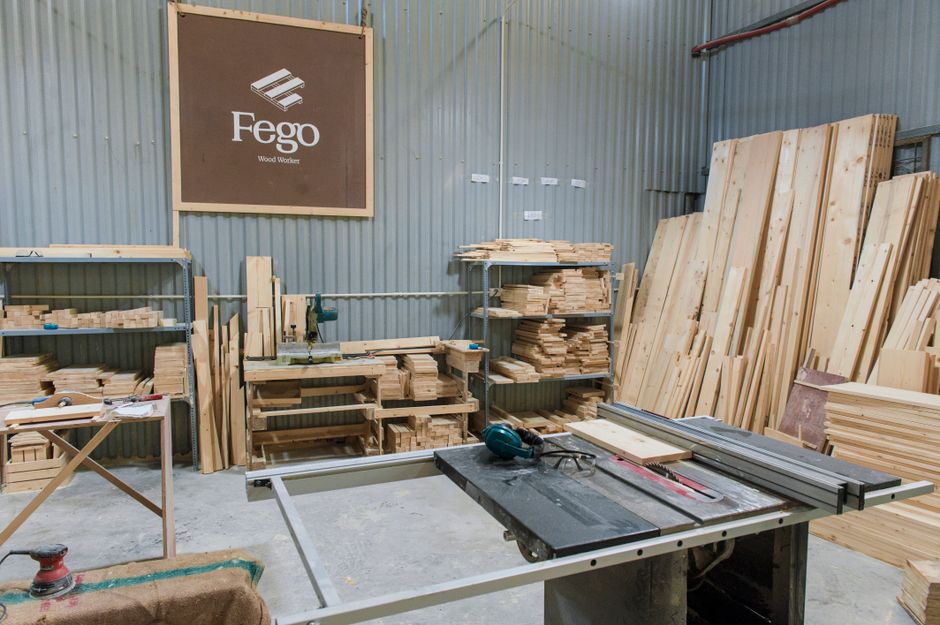
Workbench height is one of the most overlooked factors in workshop setup. Many woodworkers inherit or purchase benches without considering their individual needs. The right height directly impacts your ability to execute precise cuts, apply proper force, and maintain focus during long projects. Professional woodworkers often adjust their bench height as they age or change their primary woodworking activities. Investing time to determine your ideal height pays dividends in comfort and craftsmanship throughout your career.
How Do You Calculate Your Ideal Workbench Height?
The most reliable method is the wrist-height formula used by professional woodworkers and ergonomic experts. Stand naturally with your arms at your sides and your hands relaxed. Measure the distance from the floor to your wrist bone. This measurement is your baseline ideal workbench height for general work like planing and chiseling.
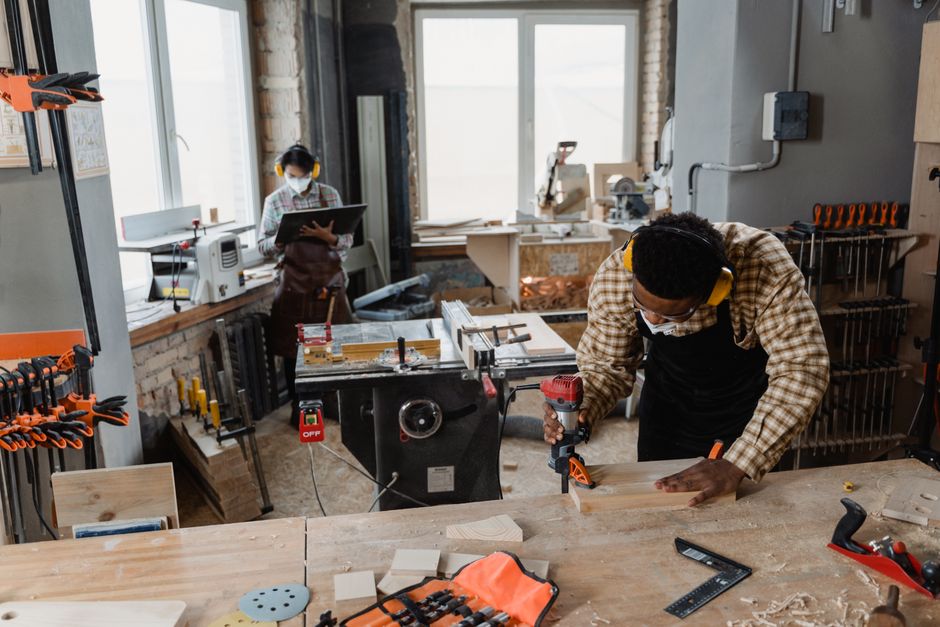
Your height varies based on body proportions and arm length. Taller woodworkers often need benches closer to 36 to 38 inches. Shorter woodworkers may prefer 32 to 34 inches. The wrist-height method is more accurate than simply using your overall height. It accounts for the natural variation in arm length and torso length among individuals of the same height.
Adjusting for Different Tasks
Not all woodworking tasks require the same bench height. Fine detail work and carving benefit from a slightly higher bench. Heavy work like sawing and chopping benefits from a lower bench that allows you to apply body weight. Consider your primary activities when setting your final height.
- Planing and chiseling: wrist height (your calculated baseline).
- Detail carving and inlay work: 2 to 4 inches higher than baseline.
- Heavy sawing and chopping: 2 to 3 inches lower than baseline.
- Assembly and gluing: 4 to 6 inches lower for better visibility and reach.
Key Takeaway: Use the wrist-height formula as your starting point, then adjust based on your primary woodworking activities and comfort during test sessions.
What Are the Standard Workbench Heights Used by Professionals?
Professional woodworkers and furniture makers have established industry standards based on decades of experience. The most common height is 34 to 36 inches, which suits approximately 70 percent of adult woodworkers. This range balances comfort for planing, chiseling, and hand tool work with adequate clearance for clamping and assembly. Many commercial workbenches are manufactured at 36 inches as the default height.
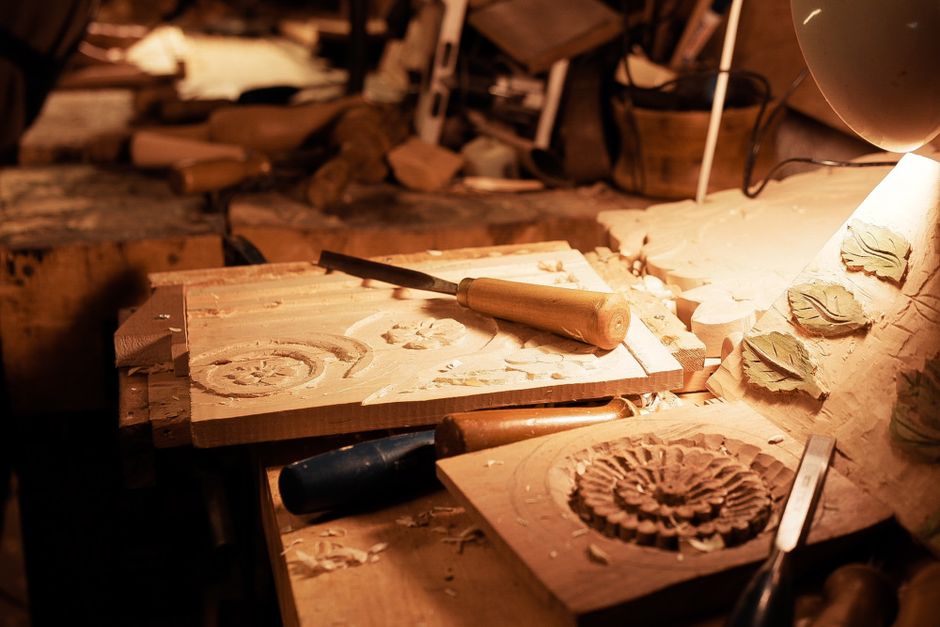
Heritage woodworking traditions often used lower benches, around 30 to 32 inches. These older benches were designed for craftsmen who worked with hand tools exclusively and applied body weight for force. Modern woodworkers using power tools and precision instruments often prefer slightly higher benches for better visibility and reduced bending.
Bench Height by Woodworking Specialty
Different woodworking disciplines have evolved their own height preferences. Understanding these specialties helps you choose the right height for your focus area. Some woodworkers build adjustable benches to accommodate multiple activities.
- Furniture making: 35 to 36 inches (balanced for all tasks).
- Hand tool work: 32 to 34 inches (lower for leverage and control).
- Fine detail and marquetry: 36 to 38 inches (higher for visibility).
- Timber framing: 30 to 32 inches (low for heavy chopping work).
- Joinery and mortising: 34 to 36 inches (standard height for precision).
According to the Woodworking Magazine, the most versatile height for mixed-discipline woodworkers is 35 inches. This height accommodates planing, chiseling, assembly, and light sawing without requiring adjustments.
Key Takeaway: Professional standards range from 34 to 36 inches, but your specialty and body type should guide your final decision.
How Do Ergonomics and Comfort Affect Workbench Height?
Proper ergonomics prevents cumulative strain injuries that can end woodworking careers. When your bench is the correct height, your elbows should bend at approximately 90 degrees when your hands rest on the work surface. Your shoulders should remain relaxed and level, not hunched or dropped. Your back should maintain its natural curve without excessive bending forward or backward.
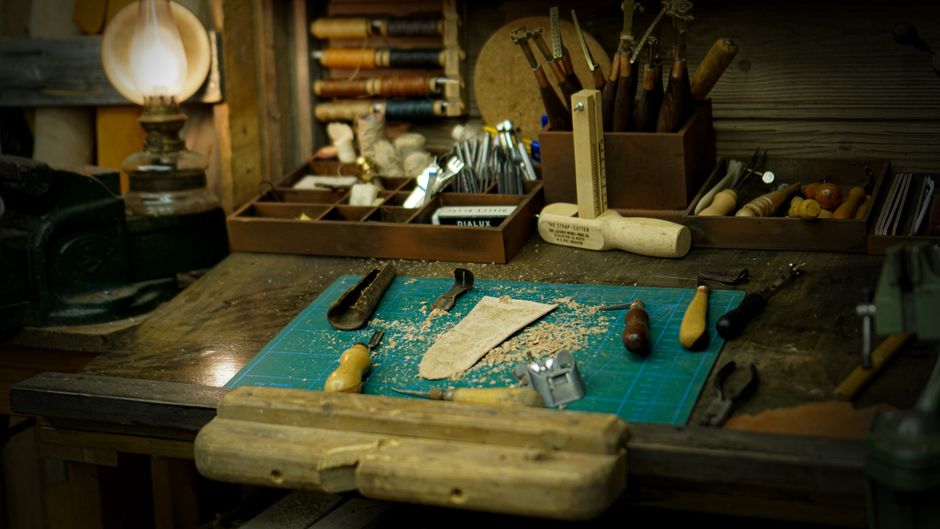
Incorrect bench height causes repetitive strain injuries including carpal tunnel syndrome, tendinitis, and lower back pain. A bench that is too low forces you to bend forward excessively, straining your lower back and neck. A bench that is too high forces you to reach upward, causing shoulder and neck tension. These injuries develop gradually over months or years, making prevention through proper setup essential.
Testing Your Bench Height
Before committing to a permanent height, test your bench with your actual woodworking activities. Spend at least 30 to 60 minutes performing your typical tasks. Pay attention to shoulder, neck, and lower back comfort. Your hands should not require twisting or unusual angles to control tools.
- Perform planing motions for 10 to 15 minutes and assess arm comfort.
- Practice chiseling or detail work and check neck and shoulder position.
- Do some assembly work and verify you can reach all areas easily.
- Evaluate your posture in a mirror or video recording.
- Adjust height by 1 to 2 inches and repeat if needed.
Many woodworkers build adjustable benches or use shims to test different heights before making permanent modifications. This approach costs minimal material but provides invaluable data about your preferences. Your ideal height may differ from the standard by several inches, and that is completely normal.
Key Takeaway: Test your bench height with actual work before finalizing it, prioritizing comfort over industry standards.
What Practical Tips Help You Set Up the Perfect Workbench Height?
Setting up your workbench height requires planning, measurement, and sometimes experimentation. Follow these practical steps to find and implement your ideal height. This process takes a few hours but saves years of discomfort and improves your work quality significantly.
Step-by-Step Setup Process
- Measure your wrist height while standing naturally with relaxed arms.
- Build or adjust your bench to your calculated baseline height.
- Perform 30 to 60 minutes of your typical woodworking tasks.
- Assess comfort and make notes about any strain or awkwardness.
- Adjust height by 1 to 2 inches if needed and retest.
- Once satisfied, secure the bench at that height permanently.
If you are building a new bench, construct it at your ideal height from the start. If you are modifying an existing bench, consider adding adjustable feet or shims under the legs. Some woodworkers use bench height risers or blocks to add 2 to 4 inches without rebuilding. For temporary adjustments, rubber shims or wooden blocks work effectively.
Considerations for Multiple Users
If your workshop is shared with family members or employees of different heights, consider a compromise height or an adjustable system. A height of 35 inches accommodates most users reasonably well. For significantly different heights, you might build a primary bench at one height and a secondary bench at another, or invest in an adjustable-height bench.
Modern adjustable benches using hydraulic or electric systems cost more but eliminate height conflicts. For budget-conscious workshops, a standard 35-inch bench with portable work surfaces at different heights provides flexibility. A small raised platform or lowered work station can accommodate users outside the typical range.
Key Takeaway: Measure carefully, test thoroughly, and adjust your bench height based on your body and work style, not industry averages alone.
Frequently Asked Questions
Is 36 inches the standard workbench height for all woodworkers?
No, 36 inches is a common default height, but it is not ideal for everyone. Your optimal height depends on your arm length, body proportions, and primary woodworking activities. Use the wrist-height formula to calculate your personal ideal height. Most woodworkers find their best height between 32 and 38 inches.
Can I adjust my workbench height after it is built?
Yes, you can adjust bench height using several methods. Add shims or blocks under the legs for small increases. Cut down the legs for decreases, though this is more permanent. Adjustable feet or risers provide flexibility without permanent modifications. Test any adjustments thoroughly before committing to permanent changes.
Should my workbench be higher for detailed work like carving?
Yes, detail work typically benefits from a bench 2 to 4 inches higher than your baseline height. This elevation improves visibility and reduces neck strain during close work. However, individual preferences vary significantly. Test different heights with your actual carving tools to find what works best for you.
What if I have back pain from my current workbench height?
Back pain often indicates your bench is too low, forcing excessive forward bending. Try raising your bench by 2 to 3 inches and test for 30 to 60 minutes. If pain persists, consult a healthcare provider to rule out underlying conditions. Proper ergonomics prevents future pain but cannot always cure existing injuries.
How does workbench height affect power tool use?
Power tools like routers and sanders may require different heights than hand tools. Many woodworkers prefer slightly higher benches for power tool work to improve visibility and control. However, your safety and comfort remain paramount. Adjust your bench height to suit your most frequent activities.
Can I use a lower workbench if I prefer standing on a platform?
Yes, standing on a low platform effectively raises your work surface relative to your body. Some woodworkers use anti-fatigue mats with raised platforms to adjust effective bench height. This approach adds cost and complexity but works if your permanent bench cannot be adjusted.
How Do You Finalize Your Workbench Height in 2026?
Choosing the right workbench height is one of the most important decisions you make as a woodworker. The process combines scientific measurement, professional standards, and personal testing. Your ideal height ensures comfort, prevents injury, and improves your craftsmanship quality. The wrist-height formula provides an excellent starting point, but your individual testing determines your final answer.
Remember that your ideal height may change as you age, change your primary activities, or develop new specialties. A bench that is perfect for furniture making might not suit timber framing. Adjustable benches or multiple work surfaces provide flexibility as your interests evolve. Invest time in getting this detail right, and you will enjoy your workshop for decades to come.
If you are setting up a new workshop or modifying an existing bench, use the wrist-height formula, test thoroughly, and prioritize your comfort over industry standards. Your body and your work will thank you. For more guidance on workshop setup, explore our related guides on how many clamps you need for woodworking projects and what tools you need to start wood turning to build a complete, ergonomic workspace.
Key Takeaway: Your ideal workbench height is determined by your wrist height, primary activities, and personal comfort—not by industry defaults alone.



Write Your Review
No reviews yet. Be the first to share your experience!