

Quick Answer: To angle grind safely, you need impact-rated safety glasses or goggles, a full face shield, hearing protection, cut-resistant gloves, a respirator for dust, and flame-resistant clothing with closed-toe boots. Eye and face protection matter most because grinding throws sparks, metal fragments, and abrasive debris at high speed. Hearing protection guards against the loud, sustained noise. Gloves and clothing protect against burns, cuts, and kickback. Respiratory protection keeps metal dust and grinding fumes out of your lungs. Wearing the complete set every time dramatically lowers your injury risk, whether you are a homeowner or a professional.
Angle grinders are among the most versatile power tools in any workshop, capable of cutting, grinding, polishing, and wire brushing. They are also among the most dangerous when used without proper protection. Discs can shatter, kickback can wrench the tool from your hands, and sparks can ignite clothing or nearby materials. Understanding the right personal protective equipment, or PPE, is the first step toward working safely.
Why Does Angle Grinding Require Specialized PPE?
Angle grinding creates a unique combination of hazards that most hand tools never produce. The disc spins at roughly 10,000 revolutions per minute, which means any particle it throws off travels fast enough to penetrate skin or lodge in the eye. Sparks can exceed several thousand degrees at the point of contact, and they travel far from the work surface.
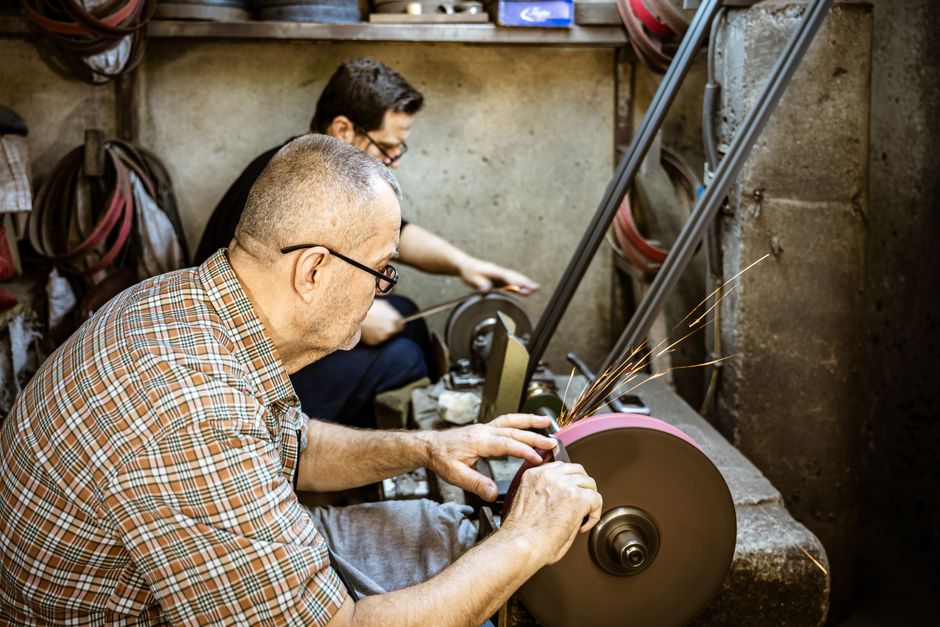
The noise levels are equally serious. Most angle grinders produce sound well above safe exposure limits over a full workday. The Occupational Safety and Health Administration explains the exposure limits and hearing conservation requirements in its noise standards guidance.
The Main Hazards You Face
- Disc fragmentation: Cracked or overspeed discs can break apart mid-cut.
- Kickback: A pinched cutting disc can violently jerk the grinder back toward you.
- Sparks and hot debris: Molten metal particles can burn skin and ignite clothing.
- Flying particles: Metal and abrasive fragments threaten your eyes and face.
- Noise exposure: Prolonged use can cause permanent hearing damage.
- Airborne dust: Metal dust and coating residues can irritate or damage your lungs.
Key Takeaway: Angle grinding combines high-speed debris, heat, kickback, and noise, so it requires a full set of protective equipment rather than a single item.
Which Eye and Face Protection Should You Wear?
Eye protection is the most important PPE for angle grinding. Standard glasses are not enough, because grinding debris can strike from many angles and slip around the edges of ordinary frames. Look for protective eyewear that carries a recognized impact rating and meets the ANSI Z87.1 standard. The American National Standards Institute publishes these criteria, and you can review them through ANSI.
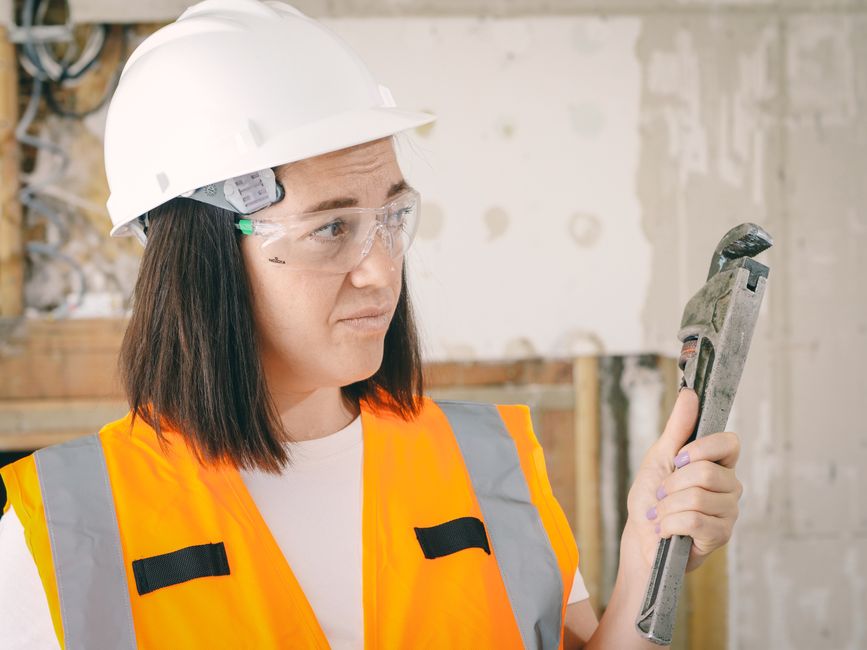
A full face shield worn over safety glasses gives the best coverage. The shield protects your cheeks, chin, and neck from sparks and fragments that would otherwise bypass your glasses. Always wear the glasses underneath, because a shield alone can lift or shift during a cut.
Choosing the Right Eyewear
- Impact-rated safety glasses with side shields for everyday grinding.
- Goggles for overhead work or when dust is heavy.
- A polycarbonate face shield rated for grinding, not just for chemical splashes.
- Tinted lenses only if they do not reduce visibility of the cut line.
Keep your eyewear clean and replace it when it becomes scratched or pitted, because damaged lenses lose impact resistance and visibility.
How Do You Protect Your Hearing and Hands?
Angle grinders are loud, and hearing damage builds gradually. Many users do not notice the harm until it is permanent. Earplugs or earmuffs with an adequate noise reduction rating should be worn for any session involving grinding. The National Institute for Occupational Safety and Health provides guidance on noise exposure and protective measures.
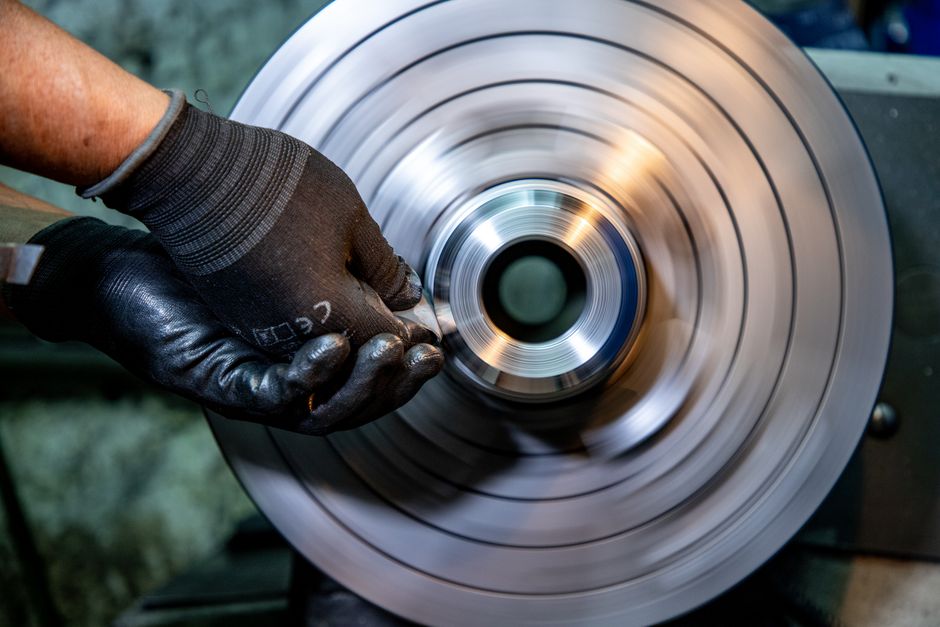
Hands face cuts, abrasions, and burns. Cut-resistant gloves protect against sharp edges and hot metal, while leather gloves add heat resistance. Avoid loose gloves, which can snag on the rotating disc and pull your hand into the grinder. Snug-fitting gloves offer the best balance of protection and control.
Selecting Gloves and Hearing Protection
- Earplugs: Lightweight and inexpensive, good for all-day use.
- Earmuffs: Easier to insert and remove, useful for intermittent work.
- Leather gloves: Strong heat and abrasion resistance for general grinding.
- Cut-resistant gloves: Important when handling sharp or freshly cut metal.
Many professionals keep a spare pair of gloves nearby so they can swap out damaged ones quickly.
What Respiratory and Body Protection Do You Need?
Grinding metal releases fine particles that can be inhaled deeply into the lungs. Coated or galvanized metals produce particularly harmful fumes. A properly fitted respirator, such as an N95 or a half-mask with P100 filters for heavier work, reduces exposure significantly. Check the NIOSH respirator guidance for selection details.
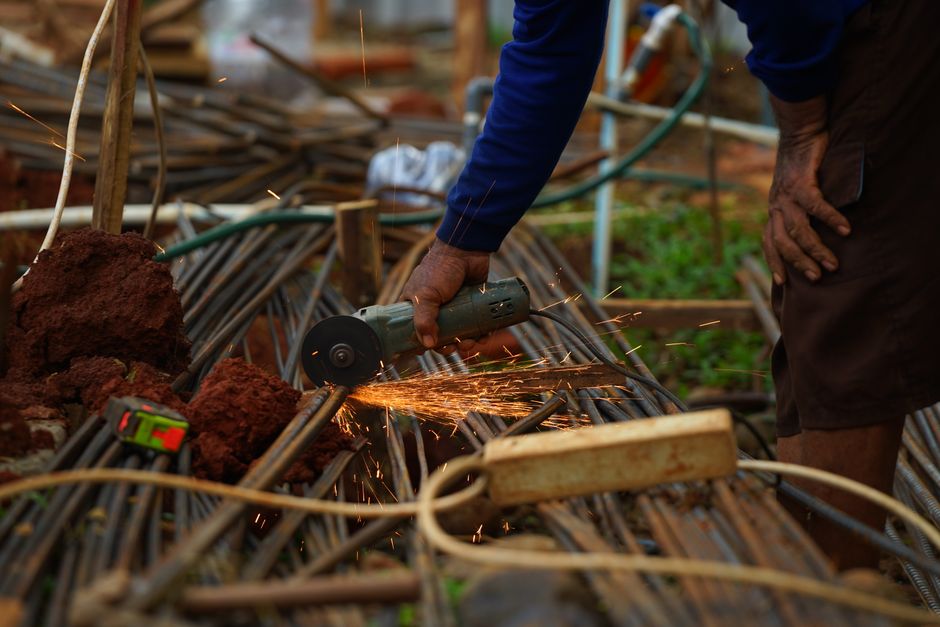
Body protection matters as much as the rest of your gear. Sparks can melt synthetic fabrics and cause severe burns, so choose natural fibers or flame-resistant clothing. Long sleeves and a durable work shirt help, and closed-toe leather boots protect your feet from falling pieces of metal.
Clothing Guidelines
- Wear flame-resistant or 100 percent cotton long-sleeved shirts.
- Avoid polyester and nylon, which melt when exposed to sparks.
- Tuck in loose clothing, drawstrings, and ties.
- Remove jewelry, watches, and rings before grinding.
- Tie back long hair and secure any loose straps.
Key Takeaway: Respiratory and body protection work together to limit dust inhalation, burns, and clothing fires during grinding.
How Can You Use Your PPE Effectively?
Owning the right PPE is only part of the job. Using it correctly, consistently, and in the right order makes the difference. Inspect every piece of equipment before you start, because cracked lenses, torn gloves, and damaged respirators offer little real protection.
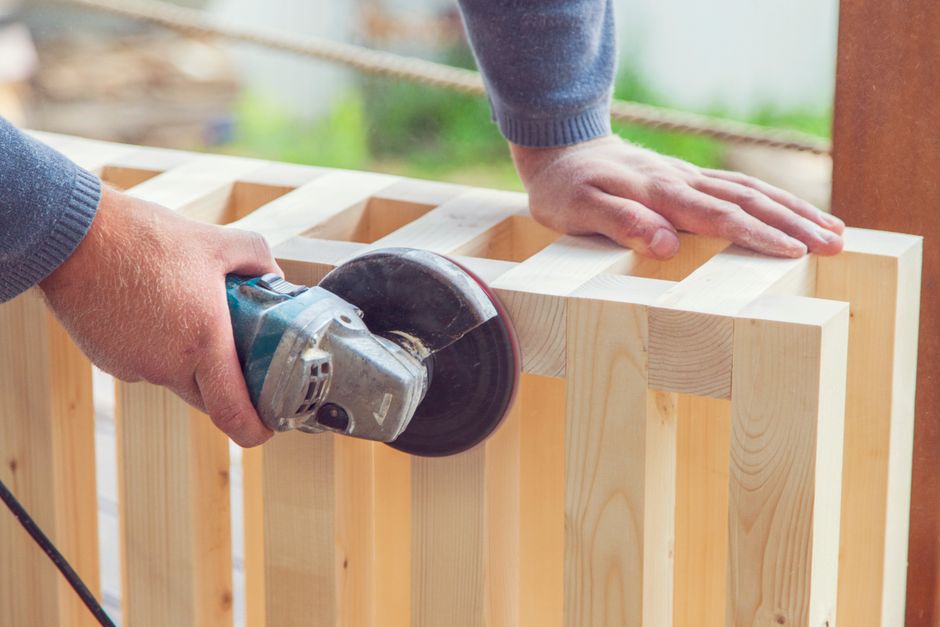
Position yourself so that sparks and debris travel away from your body. Keep bystanders out of the work zone, and clear flammable materials from the area. Always hold the grinder with both hands and use the side handle for control.
A Simple Pre-Grinding Checklist
- Inspect the disc for cracks, chips, or warping.
- Confirm the disc is rated above the grinder’s maximum RPM.
- Put on safety glasses, then the face shield.
- Insert hearing protection before switching the tool on.
- Pull on gloves that fit snugly.
- Fasten your respirator and check the seal.
- Confirm the work area is clear of flammables.
Practical Tips for Safe Angle Grinding
Beyond wearing PPE, follow these practical steps to reduce risk on every job. Good habits prevent most serious injuries before they happen.
- Secure the workpiece with clamps so it cannot shift or spin.
- Let the grinder reach full speed before contacting the material.
- Use the guard at all times and position it toward the direction of rotation.
- Never cut with the side of a cutoff disc, because it can shatter.
- Avoid pressing too hard, which overheats the disc and increases kickback risk.
- Switch off and wait for the disc to stop before setting the grinder down.
- Store PPE in a clean, dry location so it stays in good condition.
If you are selecting a disc for a specific material, our guide on what grit flap disc to use for removing rust explains how grit choice affects both results and safety.
Frequently Asked Questions
Is a face shield enough without safety glasses?
No. A face shield should always be worn over safety glasses, not in place of them. Shields can lift or shift during work, and debris may reach your eyes from underneath. Safety glasses provide a dependable base layer of eye protection, while the shield adds coverage for your face, chin, and neck.
Do I need hearing protection for short grinding jobs?
Yes. Even short sessions can produce noise levels that damage hearing over time, and the effect accumulates across many jobs. Inserting earplugs or earmuffs takes only seconds and prevents irreversible loss. Wear hearing protection whenever the grinder is running, regardless of how long the task will last.
Can I wear regular work gloves for angle grinding?
Regular cloth gloves offer little protection against sparks, hot metal, or disc contact. Choose leather or cut-resistant gloves designed for grinding. Make sure they fit snugly, since loose gloves can catch on the rotating disc and pull your hand into the tool.
What kind of respirator should I use for grinding?
An N95 disposable respirator works for light grinding of uncoated metal. For heavier dust, coated metals, or extended sessions, a half-mask respirator with P100 filters offers stronger protection. Always check that the respirator seals properly against your face, and replace filters according to the manufacturer’s instructions.
How often should I replace my angle grinding PPE?
Replace safety glasses when lenses are scratched or pitted, and replace face shields showing cracks or clouding. Discard gloves once they are worn through or stiff from heat damage. Replace earplugs after they become dirty or misshapen, and swap out respirator filters when breathing becomes difficult or when the manufacturer recommends it.
Does wearing PPE mean I can skip other safety steps?
No. PPE is the last line of defense, not the first. Securing the workpiece, inspecting discs, using guards, and working in a clear area are equally important. Combining proper equipment with safe technique delivers the strongest protection against injury on every grinding job.
Conclusion: Protect Yourself Every Time You Grind
Angle grinding can deliver fast, clean results, but it demands respect. The essential PPE includes impact-rated safety glasses, a full face shield, hearing protection, cut-resistant or leather gloves, a respirator suited to the dust you are creating, and flame-resistant clothing with sturdy footwear. Each item addresses a specific hazard, from flying debris and sparks to noise and airborne particles. Wearing the complete set consistently is the most reliable way to avoid serious injury.
Build your protective routine into every session, and make inspection a habit. Keep your equipment clean, replace worn items promptly, and pair good gear with safe technique. Over time, these practices become second nature, letting you focus on producing quality work while staying protected for many years of grinding.


Write Your Review
No reviews yet. Be the first to share your experience!