
What Blade Should You Use for Cutting Aluminum?
Quick Answer: For most aluminum cutting, use a carbide-tipped blade with a high tooth count, typically 60 to 80 teeth for a 7-1/4 inch circular saw or a dedicated non-ferrous metal blade. Choose a blade labeled for aluminum, with a negative or zero hook angle and a fine tooth pitch. Pair it with cutting fluid or a lubricant to reduce heat and prevent the metal from welding onto the teeth. Thin-kerf blades reduce load on lighter saws, while thicker blades resist deflection on heavy extrusions.
Aluminum is soft enough to cut easily, but it is also gummy. It tends to stick to the teeth, generate heat, and produce rough edges when the blade is wrong. Selecting the correct blade is one of the most important decisions you can make for clean, accurate results.
This guide explains how to match a blade to your material and saw, what tooth geometry matters most, and how to keep cuts safe and smooth in 2026.
How Does Tooth Count Affect Aluminum Cuts?
Tooth count is the single most important factor when cutting aluminum. More teeth mean more cutting edges passing through the material per revolution, which produces a finer finish and reduces chip size. Fewer teeth remove material faster but leave a rougher edge.
For thin sheet and tube, higher tooth counts keep the material from grabbing the blade. For thick stock, a moderate count prevents the gullets from clogging with chips. General guidelines include:
- 60 to 80 teeth on a 7-1/4 inch blade for sheet, angle, and tube stock.
- 80 to 100 teeth on a 10-inch blade for thin-wall tubing and finish-sensitive work.
- Fewer teeth only for thick extrusions where chip clearance matters more than surface finish.
Why Tooth Geometry Matters
The tooth grind affects how aggressively the blade bites. Aluminum blades typically use a triple-chip grind (TCG) or alternating top bevel designs. These shapes shear the metal cleanly rather than tearing it. Negative or low hook angles help prevent the blade from pulling into the workpiece.
Industry guidance from the Occupational Safety and Health Administration stresses secure clamping and proper guarding whenever cutting metal, regardless of blade choice.
Which Blade Material Works Best for Aluminum?
Carbide-tipped blades are the standard choice for aluminum. Carbide holds its edge far longer than high-speed steel, which matters because aluminum is abrasive over time due to its alloying elements. Solid carbide blades are also available for specialized small saws, but tipped blades are more common and cost-effective.
High-speed steel (HSS) blades can work for occasional thin cuts, especially with lubrication, but they dull quickly. For production or frequent use, carbide is the better investment.
- Carbide-tipped: Long life, clean cuts, ideal for regular aluminum work.
- High-speed steel: Lower cost, suited to light, infrequent cuts.
- Diamond-coated: Specialized for composites and very hard alloys, rarely needed for standard aluminum.
Coatings and Anti-Stick Finishes
Many aluminum blades feature anti-stick coatings such as PTFE or titanium-based finishes. These reduce friction and prevent chips from welding to the tooth faces. They are especially helpful when cutting extruded profiles or long runs of tube.
Key Takeaway: Carbide-tipped blades with aluminum-specific geometry offer the best balance of durability and finish quality.
What Blade Size and Saw Type Should You Match?
The right blade depends on the saw you are running. Always match the blade diameter, arbor size, and maximum RPM rating to the tool manufacturer’s specifications. Using an oversized or incorrectly rated blade creates serious safety risks.

Common setups include:
- Miter saws: 10 to 12 inch non-ferrous blades with 80 to 100 teeth for precise trim and tube work.
- Circular saws: 7-1/4 inch non-ferrous blades with 60 to 80 teeth for sheet and angle.
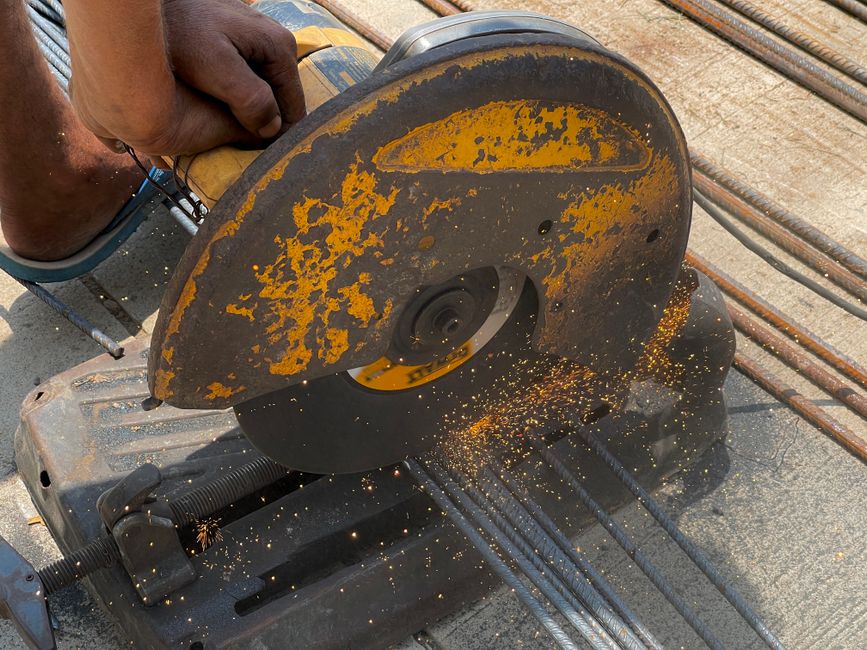
- Chop saws: Abrasive or carbide metal-cutting blades rated for the machine’s RPM.
- Table saws: Thin-kerf carbide blades with a low or negative hook angle.
Kerf and Blade Thickness
A thin-kerf blade removes less material and requires less motor power, which helps lighter saws. However, thin blades can flex on thick stock. For heavy aluminum profiles, a standard-kerf blade is often more stable. Check the National Institute of Standards and Technology resources on metrology if you need precise dimensional tolerances for machined parts.
How Should You Cut Aluminum Safely and Cleanly?
Even the right blade will underperform without proper technique. Secure the workpiece firmly, support long lengths, and use a slow, steady feed rate. Forcing the blade generates heat, causes chip welding, and can break teeth.
Use Cutting Fluid
A light cutting fluid or wax designed for non-ferrous metals reduces heat and keeps chips from sticking. Apply it to the blade or the cut line before starting. Avoid petroleum-based products that can leave residue on the workpiece.
Control Chips and Heat
Aluminum chips can clog gullets quickly. Clean the blade periodically and let it cool between long cuts. If the blade begins to smoke or the metal turns blue, stop and check the feed speed and lubrication.
- Clamp material firmly on both sides of the cut line.
- Use a slow, consistent feed rate.
- Apply cutting fluid or wax regularly.
- Clean chips from the blade and saw guard.
- Wear eye protection, hearing protection, and gloves when handling sharp edges.
Key Takeaway: Clamping, lubrication, and steady feed speed matter as much as the blade you choose.
When Should You Replace an Aluminum Cutting Blade?
Replace the blade when teeth are chipped, cracked, or rounded, or when cuts start showing burrs, rough edges, or burning. Dull blades increase cutting force and make kickback more likely. Inspect the blade before each major job, and keep a spare on hand for production work.
Resharpening carbide blades is possible with a professional service, but for light hobby use, replacement is often more practical.
Practical Tips for Choosing and Using Your Aluminum Blade
Follow these steps to get consistent results on every aluminum cut:
- Identify the aluminum form: sheet, tube, angle, or extrusion.
- Select a carbide-tipped, non-ferrous blade with 60 to 100 teeth based on thickness.
- Confirm the blade diameter, arbor size, and maximum RPM match your saw.
- Choose a thin kerf for light saws and standard kerf for heavy stock.
- Clamp the workpiece and support long lengths on both sides.
- Apply cutting fluid or wax before each cut.
- Feed the blade steadily without forcing it.
- Clean the blade and check teeth after every few cuts.
For more on building a well-equipped shop, see our guide on What Pouches Should Go on a Carpenter’s Tool Belt in 2026? Complete Guide. If you are also cutting metal fasteners or hardware, our article on What Drill Bits to Use for Hardened Steel in 2026? Complete Guide covers complementary tooling.
Frequently Asked Questions
Can I use a wood blade to cut aluminum?
It is not recommended. Wood blades have aggressive tooth geometry and lower tooth counts that can grab aluminum, causing kickback, rough edges, and rapid chip welding. A carbide blade designed for non-ferrous metals will produce far better results and is much safer.
How many teeth should a blade have for aluminum?
For a 7-1/4 inch circular saw, 60 to 80 teeth works well for most sheet and tube. Thin-wall or finish-critical work may call for 80 to 100 teeth. Thicker extrusions can use fewer teeth to improve chip clearance.
Do I need cutting fluid when cutting aluminum?
Cutting fluid is strongly recommended. It reduces friction, keeps the blade cooler, and prevents aluminum from welding to the teeth. A light non-ferrous cutting wax or fluid will extend blade life and improve edge quality.
Is a thin-kerf blade better for aluminum?
Thin-kerf blades are efficient and work well with lighter saws, but they can flex on thick stock. For heavy profiles or long cuts, a standard-kerf blade offers more stability. Choose based on your saw’s power and the thickness of the material.
How do I know when my aluminum blade is dull?
Warning signs include burrs on the cut edge, burning or discoloration of the metal, increased cutting effort, and visibly chipped or rounded teeth. If you notice any of these, replace or professionally sharpen the blade before continuing.
Conclusion: Choosing the Right Blade for Aluminum in 2026
Choosing the right blade for cutting aluminum comes down to four decisions: tooth count, blade material, diameter and kerf, and tooth geometry. Carbide-tipped blades with 60 to 100 teeth, designed specifically for non-ferrous metals, deliver clean, accurate cuts across sheet, tube, and extrusions. Matching the blade to your saw and maintaining proper lubrication and feed speed will keep your work safe and your edges smooth. As you refine your metalworking setup, keep your blades inspected and replace them before wear causes poor results. Combine good blade selection with secure clamping and steady technique, and you will get consistent, professional-quality cuts on every aluminum project in 2026.








Write Your Review
No reviews yet. Be the first to share your experience!