

What Drill Bits to Use for Hardened Steel: Quick Answer
Cobalt drill bits are your best choice for hardened steel, offering superior heat resistance and durability compared to standard high-speed steel. Cobalt bits maintain hardness at extreme temperatures, enabling faster drilling speeds and longer tool life. For the hardest applications, carbide-tipped drill bits provide maximum performance but cost significantly more. Always use cutting fluid, reduce spindle speed to 300-800 RPM depending on material thickness, and maintain steady pressure without forcing the bit through the material. Proper technique matters as much as tool selection when drilling hardened steel successfully.
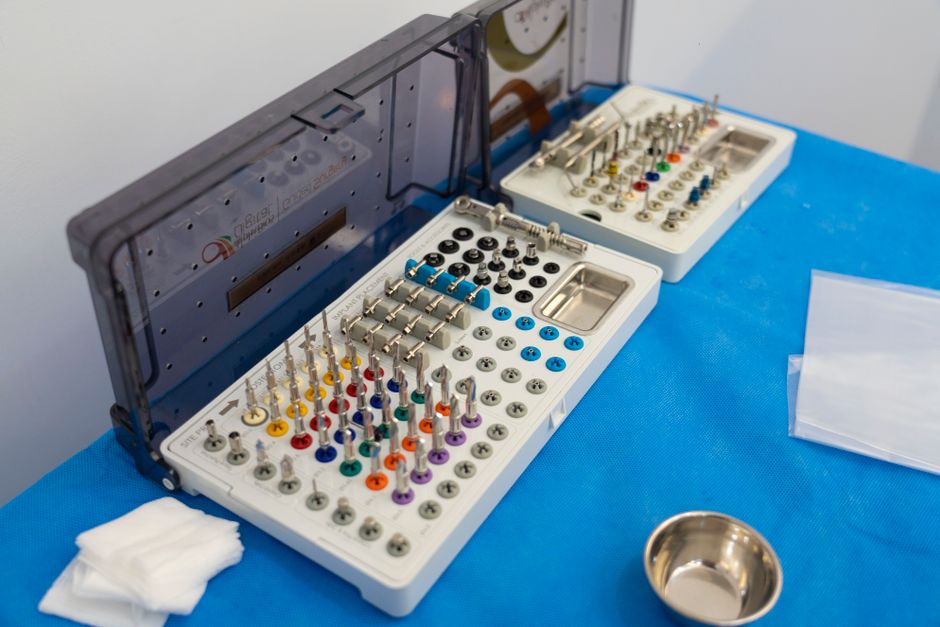
Hardened steel presents unique challenges for drilling. The material resists penetration, generates extreme heat, and dulls standard bits quickly. Selecting appropriate drill bits involves understanding material hardness ratings, bit composition, and operational parameters. This guide explores every option available in 2026, from budget-friendly choices to premium solutions. Whether you’re working on tool repair, machinery maintenance, or precision metalworking, understanding drill bit selection transforms your results and saves time and money.
Which Drill Bit Materials Work Best for Hardened Steel?
Three primary drill bit materials dominate the hardened steel market: high-speed steel (HSS), cobalt, and carbide. Each offers distinct advantages and trade-offs. HSS remains affordable but requires careful speed management and frequent sharpening. Cobalt provides the best balance of performance and cost for most applications. Carbide delivers unmatched durability but demands investment and specialized equipment.

High-speed steel bits contain tungsten, molybdenum, vanadium, and chromium. They maintain hardness up to approximately 1,100 degrees Fahrenheit. Standard HSS works for softer steels but struggles with hardened varieties. Coated HSS variants improve performance slightly but remain limited for demanding applications.
- HSS bits: affordable, versatile, require frequent sharpening, limited heat tolerance
- Cobalt bits: superior heat resistance, longer lifespan, moderate cost, ideal for hardened steel
- Carbide bits: maximum hardness, longest tool life, highest cost, require rigid setups
Understanding Cobalt Drill Bits for Hardened Steel
Cobalt drill bits contain 5-8% cobalt mixed with tungsten and other elements. This composition enables sustained hardness at temperatures exceeding 1,200 degrees Fahrenheit. Cobalt bits cut through hardened steel efficiently while maintaining edge integrity longer than HSS alternatives. Most professionals in 2026 recommend cobalt as the sweet spot between performance and affordability.
Cobalt’s heat resistance prevents the bit from softening during extended drilling sessions. The material also resists crater wear, where the flute surface deteriorates from thermal stress. These advantages translate to consistent hole quality and reduced tool replacement frequency. For production work and repeated drilling tasks, cobalt delivers measurable productivity gains.
Carbide Drill Bits: Premium Performance
Carbide bits consist of tungsten carbide particles bonded with cobalt. This composition creates the hardest drill bit option available. Carbide maintains hardness above 1,400 degrees Fahrenheit and resists wear dramatically compared to cobalt. However, carbide’s brittleness requires rigid machine setups and precise technique to prevent breakage.
Key Takeaway: Carbide bits excel in CNC machines and production environments where rigidity is guaranteed, but hand drills and older equipment cannot safely use them.
How Do Drill Bit Coatings Enhance Hardened Steel Performance?
Modern drill bits in 2026 feature advanced coatings that reduce friction, lower heat generation, and extend tool life. Common coatings include titanium nitride (TiN), titanium aluminum nitride (TiAlN), and aluminum chromium nitride (AlCrN). These microscopic layers don’t replace material quality but significantly improve performance when applied to quality base metals.
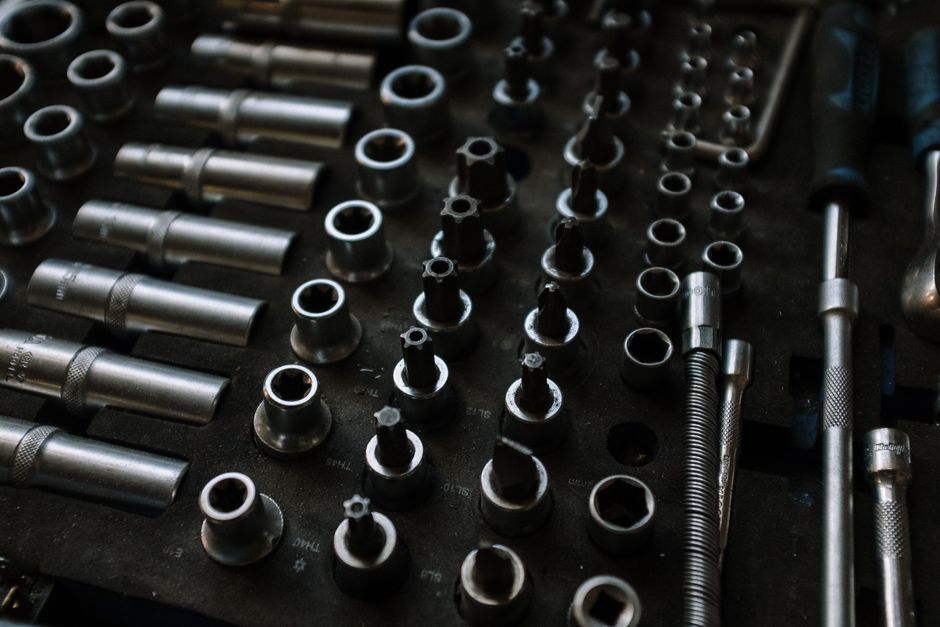
Titanium nitride coatings reduce friction by approximately 50% compared to uncoated bits. This reduction lowers heat generation and allows slightly higher drilling speeds. TiN coatings appear as a gold or bronze color on the bit surface. They work well on cobalt and HSS bits but provide minimal benefit on lower-quality base materials.
- TiN coatings: reduce friction, extend tool life 2-3 times, moderate cost increase
- TiAlN coatings: superior heat resistance, enable faster speeds, higher cost
- AlCrN coatings: excellent hardness, lower friction, premium pricing
- Uncoated bits: lower cost, suitable for occasional use, require careful speed management
Evaluating Coating Quality and Durability
Coating thickness and adhesion quality vary significantly between manufacturers. Premium brands apply coatings uniformly and bond them securely to the base material. Budget coatings may flake or separate during use, negating their benefits. When purchasing coated bits, verify manufacturer reputation and read user reviews focusing on coating durability in hardened steel applications.
Recoating services exist but rarely prove economical. Once a coating wears through, replacement typically costs less than professional recoating. Budget accordingly when selecting bits, understanding that premium coatings justify their cost through extended service life and improved results.
Key Takeaway: Quality coatings on quality base materials deliver the best value for hardened steel drilling in 2026.
What Speeds and Feeds Should You Use for Hardened Steel Drilling?
Drilling hardened steel requires dramatically slower speeds than drilling aluminum or mild steel. Excessive speed generates heat that softens the drill bit, causing rapid dulling and potential bit breakage. Proper speed selection depends on material hardness, bit diameter, and bit material composition. General guidelines suggest 300-800 RPM for cobalt bits and 150-400 RPM for HSS on hardened steel.
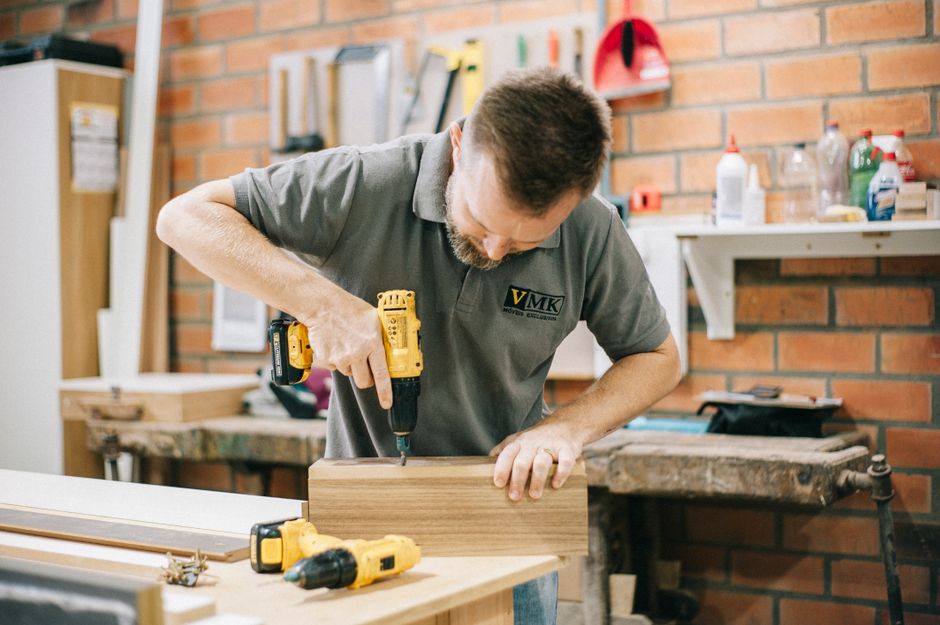
Feed rate—the pressure pushing the bit forward—requires careful balance. Too much pressure forces the bit, generating excessive heat and causing bit fracture. Too little pressure causes rubbing friction without productive cutting. Apply steady, moderate pressure and listen for smooth cutting sounds. The bit should produce thin spiral chips, not dust or fine particles.
- Cobalt bits in hardened steel: 300-800 RPM depending on diameter and hardness
- HSS bits in hardened steel: 150-400 RPM, monitor heat carefully
- Carbide bits: 1,200-3,000 RPM in rigid CNC setups only
- Feed pressure: steady and moderate, never force the bit
Speed Charts and Diameter Considerations
Drill bit diameter directly impacts optimal speed. Smaller bits (under 1/8 inch) tolerate higher speeds than larger bits. A 1/16-inch cobalt bit might run at 800 RPM, while a 1/2-inch cobalt bit should run at 300-400 RPM. Material hardness also factors significantly. Extremely hardened steel (above 50 HRC) demands slower speeds than moderately hardened steel (40-48 HRC).
Consult manufacturer speed charts when available, but practical experience matters most. Start conservatively and increase speed only if the bit cuts smoothly without excessive heat. Watch for discoloration on the bit shank—blue or purple indicates excessive temperature. If you see color change, reduce speed immediately.
How Important Is Cutting Fluid for Hardened Steel Drilling?
Cutting fluid is absolutely essential when drilling hardened steel. It serves multiple critical functions: cooling the bit and workpiece, lubricating the cutting edges, and flushing away chips. Without cutting fluid, heat accumulation quickly dulls the bit and increases breakage risk. Even with quality cobalt bits, drilling hardened steel without fluid produces poor results and shortened tool life.

Several cutting fluid types suit hardened steel applications. Straight mineral oils work well for manual drilling. Soluble oils (mixed with water) provide excellent cooling but may cause rust if not managed properly. Synthetic cutting fluids offer superior performance and longer tool life. For manual hand drills, paste-form cutting fluids provide convenience and easy application.
- Straight mineral oils: good lubrication, excellent chip evacuation, moderate cooling
- Soluble oils: superior cooling, lower cost, require rust prevention measures
- Synthetic fluids: premium performance, longer tool life, higher cost
- Paste cutting fluid: convenient for hand drilling, easy cleanup, good all-purpose performance
Application Methods and Best Practices
For hand drills, apply cutting fluid liberally before starting and periodically during drilling. Pause every few seconds to reapply fluid and clear chips from the hole. For bench-mounted drills, position a small container beneath the workpiece to catch fluid and recycle it. Some operators use a brush to apply fluid continuously during drilling, maintaining optimal lubrication.
Never allow hardened steel chips to accumulate in the hole. Packed chips prevent fluid circulation and increase heat. Use a chip brush to clear debris regularly. If the bit becomes too hot to touch, stop immediately, allow cooling, and apply fresh cutting fluid before resuming.
Key Takeaway: Cutting fluid transforms hardened steel drilling results and extends bit life dramatically.
What Practical Techniques Improve Hardened Steel Drilling Success?
Beyond selecting the right bit and fluid, proper technique makes the difference between successful drilling and frustration. Start with proper workpiece clamping to prevent movement or rotation. A spinning workpiece damages hands and ruins holes. Use a vise, clamp, or magnetic base to secure the material rigidly before drilling begins.
Mark hole locations precisely using a center punch. This small indentation guides the bit and prevents wandering at the start of drilling. Without a center punch, bits often skate across the surface before catching, creating misaligned holes and bit damage.
Step-by-Step Drilling Process
- Secure the workpiece firmly in a vise or clamp
- Mark the hole location with a center punch
- Install the correct bit size in the drill chuck
- Apply cutting fluid to the hole location
- Start drilling at the correct speed for your bit and material
- Maintain steady, moderate pressure without forcing
- Pause every few seconds to reapply cutting fluid
- Clear chips from the hole using a brush
- Continue until the bit breaks through the opposite side
- Allow the bit to cool before removing the workpiece
Recognizing and Preventing Bit Breakage
Bit breakage occurs when excessive pressure, heat, or misalignment stresses the bit beyond its strength limits. Carbide bits break more easily than cobalt bits due to their brittleness. Warning signs include squealing sounds, bit deflection, or sudden resistance changes. If you feel the bit binding, stop immediately and investigate before continuing.
Prevent breakage by maintaining consistent speed, using adequate cutting fluid, and avoiding sudden pressure changes. Never twist the bit handle while drilling—this creates lateral stress that breaks the bit. If the bit sticks, reverse the drill to back it out rather than forcing forward.
Which Bit Sizes and Styles Work Best for Different Hardened Steel Applications?
Drill bit selection extends beyond material choice to include size, style, and specialized designs. Standard twist drill bits handle most hardened steel applications effectively. For specific situations, specialized bits like split-point bits, brad-point bits, and short-flute bits offer advantages. Understanding these options helps you select the optimal tool for each project.
Split-point drill bits feature a special tip geometry that reduces bit walking and improves centering on hardened steel. The split point creates two sharp edges that cut into the material immediately without requiring a center punch. This design particularly helps when drilling without a center punch mark.
- Standard twist bits: versatile, affordable, work for most applications
- Split-point bits: superior centering, reduced walking, excellent for hardened steel
- Short-flute bits: rigid design, resist deflection, ideal for thick material
- Brad-point bits: precise holes, reduced chipping, better for precision work
Selecting Bit Diameter for Your Application
Common hardened steel drilling applications require bits from 1/16 inch to 1/2 inch diameter. Smaller bits (under 1/8 inch) require high speeds and light pressure due to their fragility. Medium bits (1/8 to 1/4 inch) offer the best balance of strength and manageability. Larger bits (over 1/4 inch) require lower speeds and more robust machines to handle the forces involved.
When drilling multiple holes, consider purchasing a complete cobalt bit set rather than individual bits. Sets typically cost less per bit than individual purchases and ensure you have the right size available. Quality sets from reputable manufacturers provide reliable performance across all sizes included.
Key Takeaway: Match bit size, style, and material to your specific application for optimal results and tool longevity.
How Do You Compare Drill Bit Brands and Quality in 2026?
Drill bit quality varies dramatically between manufacturers. Premium brands like Irwin, Dormer Pramet, and Guhring invest in research, quality control, and advanced coatings. Budget brands may use lower-grade base materials or inconsistent coating application. For hardened steel work, investing in quality bits pays dividends through extended tool life and superior results.
Read online reviews and user feedback before purchasing, particularly for expensive cobalt or carbide bits. Real-world experience reveals which brands deliver consistent performance and which disappoint. Professional machinists and tool experts often recommend specific brands based on years of experience. Trust their recommendations over generic product descriptions.
- Premium brands: consistent quality, advanced coatings, higher cost, excellent value long-term
- Mid-range brands: good quality, reliable performance, moderate cost, solid choice for most users
- Budget brands: variable quality, lower cost, suitable for occasional use, may disappoint on hardened steel
Evaluating Value and Cost-Effectiveness
The cheapest drill bit rarely represents the best value. A premium cobalt bit costing three times more than a budget HSS bit may drill ten times more holes before dulling. Calculate true cost per hole by dividing bit cost by expected hole count before replacement. This calculation often reveals that premium bits cost less per hole despite higher initial expense.
For occasional hobbyist use, mid-range cobalt bits provide excellent value. For production work or professional applications, premium brands justify their cost through reliability and extended tool life. Avoid buying the absolute cheapest option for hardened steel work—the frustration and rework costs exceed the savings.
What Equipment and Setup Considerations Matter Most for Hardened Steel Drilling?
The drill machine itself significantly impacts hardened steel drilling success. Hand drills lack the power and stability needed for efficient hardened steel work. Bench-mounted drill presses provide better control and consistent speed. Industrial CNC machines offer precision and repeatability unmatched by manual equipment. Your equipment choice should match your application demands and frequency of hardened steel drilling.
Machine rigidity matters tremendously. Loose spindles, worn bearings, or flexible work tables cause bit deflection and breakage. Before drilling hardened steel, check your machine for play in the spindle and chuck. Tighten any loose components and ensure the workpiece mounting is absolutely secure. Even slight movement during drilling causes problems.
- Hand drills: suitable for occasional small holes, limited power, requires careful technique
- Bench drill press: excellent for hardened steel, consistent speed, good control, recommended for most users
- CNC machines: maximum precision, high production capacity, enables carbide bits
- Magnetic drill bases: portable hardened steel drilling, excellent for field work, ideal for thick material
Chuck Quality and Bit Security
A quality chuck that grips the bit securely prevents slippage and bit runout. Cheap chucks allow bits to slip or wobble, causing misaligned holes and bit damage. Keyless chucks offer convenience but require proper tightening technique. Keyed chucks provide superior grip but require the key to tighten and loosen. For hardened steel work, invest in a quality chuck from a reputable manufacturer.
Always verify that the bit sits centered in the chuck before drilling. Spin the machine briefly by hand to check for runout (wobbling). If the bit wobbles visibly, remove it, clean the chuck, and reinstall. Dust or debris in the chuck causes runout and drilling problems.
Frequently Asked Questions
Can you drill hardened steel with regular HSS bits?
Regular HSS bits can drill hardened steel but require very slow speeds (150-300 RPM), frequent sharpening, and excellent cutting fluid. Results suffer compared to cobalt bits, and tool life is dramatically shorter. For occasional small holes, HSS works acceptably, but cobalt bits provide far superior performance and value for any serious hardened steel drilling work.
How fast should you drill hardened steel with a hand drill?
Hand drills shouldn’t be used for hardened steel drilling. Manual hand drills lack the power and speed consistency needed for efficient hardened steel work. If you must use a hand drill, operate at the slowest speed possible, use cobalt bits, apply abundant cutting fluid, and expect slow progress with high frustration. A bench drill press is far superior for this application.
What’s the difference between cobalt and carbide drill bits for hardened steel?
Cobalt bits cost less, tolerate less rigid setups, and break less frequently. Carbide bits cost more, require rigid CNC machines, and deliver maximum tool life. For hand drills and bench press work, cobalt is superior. For production CNC work, carbide excels. Most users in 2026 choose cobalt for versatility and value.
Do you need cutting fluid when drilling hardened steel?
Yes, cutting fluid is essential for hardened steel drilling. It cools the bit, lubricates the cutting edges, and flushes chips. Without cutting fluid, the bit overheats rapidly and dulls quickly. Even premium cobalt bits require cutting fluid for optimal performance. Never skip this critical step when drilling hardened steel.
How do you prevent drill bit breakage in hardened steel?
Prevent breakage by using appropriate speed (300-800 RPM for cobalt), maintaining steady moderate pressure, using cutting fluid, securing the workpiece rigidly, and using a center punch before drilling. Avoid twisting the bit handle while drilling. If the bit binds, reverse out rather than forcing forward. Quality bits on rigid machines break far less frequently.
What’s the best way to sharpen hardened steel drill bits?
Professional sharpening services exist but cost significantly. For cobalt bits, sharpening requires specialized equipment and expertise. Most users find replacement more economical than professional sharpening. Hand sharpening on a bench grinder is difficult and rarely produces quality results. Budget for bit replacement rather than sharpening when using premium cobalt bits.
Conclusion: Mastering Hardened Steel Drilling in 2026
Selecting the right drill bits for hardened steel transforms your drilling results from frustrating and slow to efficient and reliable. Cobalt drill bits represent the optimal choice for most applications, balancing performance, cost, and ease of use. Pair your quality bits with proper technique, adequate cutting fluid, correct speeds, and a rigid setup, and you’ll achieve professional results consistently. The investment in quality bits and proper equipment pays dividends through extended tool life, better hole quality, and reduced frustration. Whether you’re a professional machinist, automotive technician, or dedicated hobbyist, applying these principles ensures hardened steel drilling success. For related metalworking guidance, explore our comprehensive guides on workbench setup and essential tools to build a complete workshop foundation.

Write Your Review
No reviews yet. Be the first to share your experience!