

What Tools Do I Need to Start Wood Turning in 2026? Quick Answer
Wood turning requires a lathe as your primary tool, along with turning chisels, gouges, a tool rest, calipers, and proper safety equipment including eye protection and dust masks. Starting a wood turning hobby in 2026 costs between $500 and $2,000 for a quality beginner setup. You’ll also need sharpening stones, a bench grinder, and wood blanks to practice with. Safety should be your top priority—invest in a full-face shield and respiratory protection before your first project. Most beginners can master basic spindle and faceplate turning within weeks with the right equipment and practice.
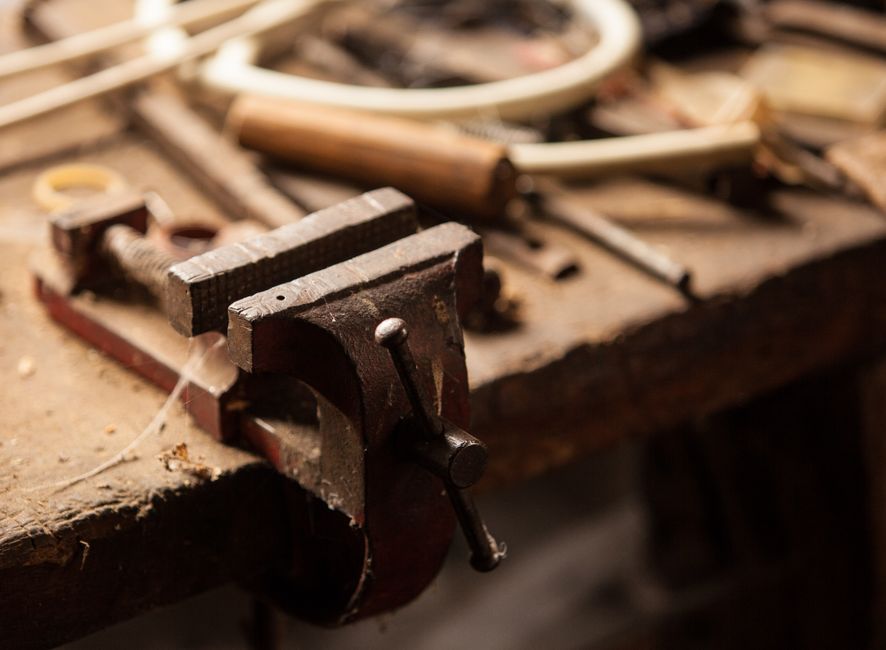
Wood turning is an accessible woodworking discipline that transforms raw wood into functional and decorative pieces. Unlike furniture building or carpentry, turning requires a focused set of specialized tools centered around a lathe. The learning curve is manageable, and you can produce finished projects quickly. August 2026 is an excellent time to start, with modern lathes offering better safety features and affordability than ever before. This guide covers everything you need to begin your wood turning journey successfully.
What Is a Wood Lathe and Why Do You Need One?
A wood lathe is the foundation of wood turning. It holds and rotates wood at high speeds while you shape it with hand tools. The lathe creates the spinning motion that allows you to cut, sand, and finish cylindrical and spherical forms. Without a lathe, wood turning is impossible—it’s the non-negotiable centerpiece of any turning workshop.

Modern lathes come in several sizes and power ratings. A benchtop lathe (8 to 12 inches in swing) is perfect for beginners. Swing refers to the largest diameter wood you can turn. Benchtop models are affordable, space-efficient, and powerful enough for spindles, bowls, and pens. They typically cost $300 to $800.
- Benchtop lathes: compact, affordable, ideal for beginners and small projects.
- Floor-standing lathes: larger capacity, heavier construction, suited for advanced turners.
- Mini lathes: portable, budget-friendly, perfect for pen turning and small items.
- Variable-speed models: allow you to adjust RPM for different wood types and diameters.
Key Takeaway: A benchtop lathe with variable speed is the best starting investment for most beginners.
Which Turning Chisels and Gouges Should You Buy First?
Turning chisels are your primary cutting tools. They come in different profiles designed for specific cuts. Each chisel shape removes wood differently, allowing you to create various details and finishes. Quality matters here—dull or poorly made chisels are frustrating and dangerous.

Begin with a basic set of five to seven essential tools. You don’t need a complete 20-piece set right away. A roughing gouge removes waste quickly. A spindle gouge creates details on spindles and cylinders. A parting tool cuts grooves and separates sections. A skew chisel produces smooth, clean cuts on spindles. A bowl gouge shapes the insides of bowls.
Essential Turning Chisels for Beginners
- Roughing gouge (¾-inch): removes bulk wood fast, essential for spindle work.
- Spindle gouge (½-inch): creates details and smooth surfaces on cylinders.
- Parting tool (¼-inch): cuts grooves and separates finished sections.
- Skew chisel (1-inch): produces smooth, clean shavings on spindles.
- Bowl gouge (½-inch): hollows the interior of bowls and vessels.
Quality brands like Sorby, Flexcut, and Hamlet offer beginner sets between $100 and $300. Don’t buy the cheapest option—poor-quality tools won’t hold an edge and waste wood and time. Mid-range tools sharpen easily and perform reliably.
Key Takeaway: Invest in five quality turning chisels rather than a large cheap set.
What Safety Equipment Is Non-Negotiable for Wood Turning?
Safety equipment protects you from serious injury. Wood turning poses unique hazards—spinning wood can catch loose clothing, hair, or skin. Ejected wood pieces travel at high speed. Dust and shavings irritate lungs. Proper protection prevents most accidents and injuries.
A full-face shield is mandatory. It protects your entire face from flying debris and catches spinning wood if contact occurs. Safety glasses alone are insufficient—they leave your face exposed. A dust mask or respirator protects your lungs from fine wood dust and sawdust. Long-term exposure causes respiratory issues.
Critical Safety Gear for Every Session
- Full-face shield with anti-fog coating: protects face and eyes completely.
- Dust mask or powered respirator: prevents inhaling harmful wood dust.
- Hearing protection: lathes generate 80-90 decibels of noise.
- Shop apron with no loose pockets: prevents snagging on spinning wood.
- Closed-toe shoes: protects feet from dropped tools and debris.
- Hair tie or head covering: keeps long hair away from the spinning lathe.
Budget $150 to $300 for quality safety equipment. This is not an area to cut costs. Your face and lungs are irreplaceable. Replace face shields when they become scratched or cloudy—visibility is critical for safe turning.
Key Takeaway: Invest in comprehensive safety gear before you touch a lathe.
What Sharpening and Maintenance Tools Do You Need?
Sharp tools are safe tools. Dull turning chisels require excessive pressure, slip easily, and produce poor results. Sharpening is a core skill you’ll develop immediately. You need the right sharpening equipment to keep tools ready.
A bench grinder is the fastest way to sharpen turning tools. A 6-inch or 8-inch grinder with a fine wheel (120 or 150 grit) works well. You’ll also need whetstones or honing guides for maintaining edge sharpness between grindings. Many turners use both a grinder for major sharpening and stones for touch-ups.
Sharpening System Components
- Bench grinder (6-8 inch): reshapes dull tools quickly and efficiently.
- Diamond plates or whetstones: refine edges and maintain sharpness.
- Honing guide: ensures consistent angles during hand sharpening.
- Calipers: measure diameters and verify tool sharpness visually.
- Tool rest for grinder: holds tools safely while grinding.
Expect to spend $200 to $400 on a complete sharpening setup. This is an investment that pays dividends—sharp tools make turning enjoyable and safe. Many beginners underestimate how often they’ll sharpen. Plan to touch up tools every few hours of turning.
Key Takeaway: Sharpening is as important as the tools themselves—budget accordingly.
What Additional Accessories and Supplies Do You Need?
Beyond the main tools, several accessories make turning easier and safer. A tool rest supports your chisels at the correct angle. Calipers measure your work. Measuring tape and dividers mark wood. These items seem minor but significantly impact your success and safety.
Your lathe comes with a basic tool rest, but you may want to upgrade or add specialty rests for specific projects. A steady rest stabilizes long, thin spindles. A bowl-turning jig holds large blanks securely. Faceplates and chuck jaws hold wood on the lathe. Quality accessories cost $50 to $200 each.
Recommended Accessories for Beginners
- Calipers (digital and dial): measure diameters and verify finished dimensions.
- Measuring tape and marking tools: layout designs and mark wood accurately.
- Wood blanks: practice material for spindles, bowls, and pens.
- Sandpaper assortment (60-220 grit): finish turned pieces smoothly.
- Finishing oils and waxes: protect and beautify completed work.
- Chuck or faceplate: securely holds wood on the lathe.
Finishing supplies are often overlooked but essential. Wood turning produces beautiful grain patterns and surfaces. Proper finishing protects wood and enhances its natural beauty. Budget $100 to $200 for quality finishing materials.
Key Takeaway: Accessories and supplies extend your turning capabilities and improve results.
How Should You Build Your Tool Collection Over Time?
Don’t buy everything at once. Start with essentials and expand as your skills develop. This approach saves money and prevents waste on tools you may not need. Many beginners purchase tools they never use.
Month one: acquire a lathe, five basic chisels, safety equipment, and a sharpening system. Month two: add specialty chisels and accessories based on your first projects. Month three and beyond: expand your collection based on interests—pen turning, bowl turning, or detail work—each requires different tools.
Recommended Purchasing Timeline
- Weeks 1-2: lathe, basic chisel set, safety gear, sharpening supplies.
- Weeks 3-4: practice wood blanks, measuring tools, finishing supplies.
- Month 2: specialty chisels based on your project interests.
- Month 3+: advanced accessories like steady rests and specialty jigs.
This staged approach lets you learn what tools you actually need. Many experienced turners have tools they rarely use. By starting small, you avoid this waste. You’ll also develop skills that help you choose appropriate tools for future projects.
Key Takeaway: Build your tool collection gradually based on your developing interests and skills.
What Is Your Total Budget for Starting Wood Turning?
A complete beginner setup costs $800 to $2,000. This includes a benchtop lathe, basic tools, safety equipment, and sharpening supplies. You can start for less if you’re budget-conscious, but quality matters in woodworking. Cheap tools frustrate beginners and discourage continuation.
Break your budget into categories. Lathe: $400-800. Chisels and gouges: $150-300. Safety equipment: $150-300. Sharpening system: $200-400. Accessories and supplies: $100-200. This framework helps you allocate funds wisely and avoid overspending on any single category.
Budget Breakdown for August 2026
- Benchtop lathe: $400-$800 (the largest single expense).
- Turning chisel set: $150-$300 for quality basics.
- Safety equipment: $150-$300 for comprehensive protection.
- Sharpening setup: $200-$400 for grinder and stones.
- Accessories and supplies: $100-$200 for calipers, wood, finishes.
- Total beginner setup: $1,000-$2,000.
Look for sales and bundle deals in August 2026. Many retailers offer back-to-school and end-of-summer promotions. Online retailers often have better prices than local shops. Join woodturning forums and communities—members often recommend affordable suppliers and share discount codes.
Key Takeaway: Budget $1,000-$2,000 for a quality beginner setup, but start small and expand.
Where Can You Learn Wood Turning Skills?
Tools alone don’t make you a turner. Learning proper technique is essential for safety and success. Many resources exist for beginners. Online tutorials, local classes, and woodturning clubs provide instruction and community support. Investing in education pays dividends in safety and skill development.
YouTube channels dedicated to wood turning offer free instruction from experienced turners. Woodturning organizations like the American Association of Woodturners (AAW) provide resources, demonstrations, and local club connections. Local community colleges often offer beginner turning classes. These structured classes provide hands-on instruction and immediate feedback.
Learning Resources for Beginners
- YouTube channels: free tutorials from experienced turners worldwide.
- American Association of Woodturners (AAW): membership, resources, and local clubs.
- Community college classes: structured instruction with feedback from instructors.
- Woodturning books: comprehensive guides covering fundamentals and techniques.
- Local woodturning clubs: peer learning, demonstrations, and community support.
Consider taking at least one in-person class before working alone. An instructor can correct bad habits immediately, preventing injury and frustration. Bad technique is hard to unlearn. A few hours of professional instruction accelerates your progress significantly.
Key Takeaway: Combine tool investment with quality instruction for the best results.
Frequently Asked Questions
Can I start wood turning with a cheap lathe?
Cheap lathes lack precision, stability, and safety features. They vibrate excessively, produce poor results, and pose safety risks. A quality benchtop lathe ($400-800) is a better investment. Mid-range lathes hold their value and perform reliably for years. Cheap lathes often end up unused in garages.
How often do I need to sharpen turning chisels?
Sharp tools require sharpening every 2-4 hours of active turning, depending on wood hardness and technique. Most beginners sharpen more frequently because they don’t recognize dull tools immediately. Touch-ups with whetstones take 5-10 minutes. Major resharpening on a grinder takes 15-20 minutes. Regular sharpening is faster than fighting dull tools.
Is wood turning dangerous?
Wood turning poses real hazards, but proper technique and safety equipment minimize risks dramatically. Full-face shields, dust masks, and appropriate clothing prevent most injuries. Loose clothing, jewelry, and long hair cause most accidents. Follow safety guidelines consistently, and wood turning is no more dangerous than other woodworking activities.
What wood should beginners practice with?
Softwoods like pine, poplar, and basswood are ideal for beginners. They’re affordable, forgiving, and easy to shape. Avoid hardwoods initially—they require sharper tools and better technique. Practice blanks cost $5-15 each. Buy a variety to experiment with different wood types and characteristics.
Do I need a separate workshop for wood turning?
A benchtop lathe fits in a corner of any garage or workshop. You need a sturdy bench, adequate lighting, and good ventilation for dust. A 10×10 foot space is sufficient for comfortable turning. Many turners work in basements, garages, and small studios. Dust collection is important—a shop vacuum with a dust collector attachment minimizes cleanup.
Can I turn wood without a bench grinder?
Yes, but it’s slower and more difficult. Hand sharpening with whetstones works but requires skill and patience. A bench grinder reshapes dull tools in minutes. Most turners use both methods—a grinder for major sharpening and stones for maintenance. A grinder is worth the investment for convenience and consistency.
What Final Steps Should You Take Before Your First Turning Session?
Preparation prevents problems. Before starting, assemble all tools, test your lathe, and review safety guidelines. Read your lathe manual thoroughly. Understand how to adjust speeds, secure wood, and operate the tool rest. Practice mounting and removing wood before turning. These preparation steps build confidence and prevent mistakes.
Set up your workspace thoughtfully. Position your lathe at comfortable working height—typically 40-44 inches from the floor. Arrange tools within arm’s reach. Install adequate lighting—you need to see exactly what you’re cutting. Set up dust collection before your first project. Dust accumulates quickly and becomes unpleasant.
Wear appropriate clothing for your first session. No loose sleeves, no jewelry, no necklaces or ties. Tie back long hair completely. Wear closed-toe shoes. Put on your full-face shield before starting the lathe. These habits should become automatic—never skip safety steps when tired or rushing.
- Read and understand your lathe manual completely.
- Test all lathe functions at low speed before mounting wood.
- Arrange tools and supplies for easy access during turning.
- Install dust collection and test airflow.
- Wear appropriate clothing and safety equipment every session.
- Start with soft practice wood and simple spindle projects.
Key Takeaway: Thorough preparation and consistent safety practices ensure successful, injury-free wood turning.
How Can You Find Quality Tools and Supplies in 2026?
Online retailers, specialty woodworking stores, and local suppliers each offer advantages. Online shopping provides selection and competitive pricing. Local stores offer hands-on inspection and immediate availability. Specialty retailers have knowledgeable staff who understand wood turning specifically. August 2026 is a good time to shop—many retailers offer summer clearance and back-to-school promotions.
Research reviews before purchasing. Woodturning forums and communities share honest feedback about tools and suppliers. Join online communities and ask for recommendations. Experienced turners know which brands hold up and which ones disappoint. This peer feedback is invaluable for making smart purchasing decisions.
Consider buying used tools to save money. Experienced turners often upgrade and sell quality used equipment. Used lathes and chisels are frequently available at reasonable prices. Inspect used tools carefully—test the lathe, check tool edges, and verify all parts are present. Used equipment is fine if it’s in good condition.
Key Takeaway: Research thoroughly, read reviews, and consider used equipment to maximize your budget.
What Should You Avoid When Starting Wood Turning?
Common beginner mistakes waste money and create frustration. Avoid buying too many tools too quickly. Avoid skipping safety equipment to save money. Avoid starting with hardwoods or large projects. Avoid neglecting sharpening—sharp tools are essential. Avoid working alone until you have solid experience. These mistakes are preventable with proper planning.
Don’t assume you’ll use specialized tools without trying basic turning first. Many beginners purchase pen-turning kits, bowl-turning jigs, and specialty chisels before mastering spindle turning. These tools gather dust if you don’t develop interest in those specific projects. Start with versatile tools that apply to multiple projects.
- Avoid buying a complete 20-piece chisel set immediately.
- Avoid cheap safety equipment—invest in quality protection.
- Avoid starting with hardwoods—practice with soft, forgiving wood.
- Avoid neglecting sharpening—it’s not optional.
- Avoid working alone until you’re confident and experienced.
- Avoid loose clothing, jewelry, and long hair near the lathe.
Key Takeaway: Avoid common beginner mistakes by planning carefully and prioritizing safety and fundamentals.
Is Wood Turning the Right Hobby for You in 2026?
Wood turning is accessible, rewarding, and produces beautiful finished pieces quickly. You can create functional bowls, spindles, and decorative items within weeks. The learning curve is manageable—most beginners produce acceptable work after a few hours of practice. The community is welcoming and supportive. If you enjoy working with wood and creating with your hands, wood turning is worth exploring.
Consider your available space, budget, and time commitment. You need at least a small workshop area, $1,000-2,000 for startup equipment, and consistent practice time. If these factors align with your situation, wood turning offers years of enjoyment and creative satisfaction. Visit a local woodturning club or take a class to experience turning firsthand before committing fully.
August 2026 is an excellent time to start. Modern lathes are more affordable and safer than ever. Online resources make learning accessible. Communities are active and welcoming. The combination of manageable startup costs, quick results, and strong community support makes wood turning an ideal beginner-friendly woodworking discipline. Take the first step, invest in quality tools, prioritize safety, and enjoy the rewarding craft of wood turning.
Key Takeaway: Wood turning is an accessible, rewarding craft that produces beautiful results quickly with proper tools and instruction.




Write Your Review
No reviews yet. Be the first to share your experience!