
Quick Answer: The best sledgehammer for most people is a 8-pound to 12-pound model with a fiberglass or steel-reinforced handle and a forged steel head. Heavier 12-pound and 14-pound hammers suit demolition and breaking concrete, while 8-pound versions offer control for driving stakes, splitting wood, and general striking. Choose based on the task, handle material, and how much vibration you can tolerate. In 2026, quality forged heads and shock-absorbing handles remain the most important features to look for when comparing options.
A sledgehammer is one of the simplest tools in any workshop, yet choosing the wrong one leads to fatigue, wasted effort, or even injury. Unlike a standard claw or ball-peen hammer, a sledgehammer is built to deliver large amounts of force through a long swing. Understanding how head weight, handle length, and materials interact will help you pick a tool that actually fits your work.
What Makes a Sledgehammer the Right Choice for Your Project?
Sledgehammers are designed for heavy impact work. They are used for breaking concrete, driving fence posts and rebar, splitting firewood, and knocking apart framing or masonry. The right model depends on the material you are striking and how precisely you need to aim.
Before buying, consider the main jobs you expect the tool to handle. A single hammer rarely does everything well.
- Demolition: Heavier heads of 10 to 14 pounds deliver the mass needed to crack concrete and masonry.
- Stake and post driving: Mid-weight 6 to 10 pound heads balance power with accuracy.
- Splitting wood: Wedge-shaped or axe-style heads are preferred, often in the 6 to 8 pound range.
- General striking: An 8-pound head works well for light demolition and everyday tasks.
Understanding Head Weight
Head weight is the most visible specification, but it is only part of the picture. A heavier head carries more momentum, which reduces the effort needed per strike. However, it also increases fatigue over long sessions. Many professionals choose a head weight they can swing accurately for hundreds of strikes rather than the heaviest option available.
Head weight is measured in pounds, and most sledgehammers range from 2 pounds to 20 pounds. For general use, the 8-pound and 10-pound categories cover the widest range of tasks.
Handle Length and Material
Handle length affects both reach and leverage. Longer handles, typically 32 to 36 inches, generate more swing speed and power. Shorter handles around 24 to 28 inches offer control in tight spaces and reduce strain on the back.
Handle material matters just as much. Wood handles absorb some vibration but can crack over time. Fiberglass handles are durable and light, while steel handles are extremely tough but transmit more shock to the hands. Many modern designs use fiberglass or composite cores with rubber grips to reduce vibration. For guidance on reducing shock during heavy work, see the OSHA hand-arm vibration resources.
Key Takeaway: Match head weight to your task and choose a handle length and material that you can swing comfortably for extended periods.
How Do Head Shape and Design Affect Performance?
The head shape of a sledgehammer changes how it strikes and what it is best at. Two designs dominate the market: the standard flat face and the cross or wedge face. Each serves a distinct purpose, and understanding the difference helps avoid buying a tool that does not match your work.
Standard heads have a flat striking face and a rectangular body. They distribute force evenly and are ideal for driving stakes, breaking concrete, and general striking. Cross-face or club-style heads concentrate force on a smaller area, which helps when breaking masonry or chipping away at brittle materials.
Forged Versus Cast Heads
Forged heads are made by shaping heated steel under pressure. This process produces a dense, tough structure that resists chipping and mushrooming. Cast heads are poured in molds and are generally cheaper but more prone to cracking under heavy use. For frequent demolition work, a forged head is worth the added cost.
Look for heads that are heat-treated after forging. Heat treatment hardens the striking face and improves durability. Quality manufacturers often publish their hardening specifications, which can help you compare models.
Face Hardness and Maintenance
The striking face should be hardened enough to resist deformation but not so brittle that it shatters. Over time, faces can mushroom or develop burrs. Grinding these down carefully maintains safety and performance. Always wear eye protection when inspecting or dressing a worn head.
- Inspect the head for cracks before every use.
- Check that the head is firmly seated on the handle.
- Dress mushroomed edges with a file or grinder.
- Replace damaged handles immediately.
Key Takeaway: Forged, heat-treated heads with the correct face shape offer the best durability and performance for most heavy-duty tasks.
Which Sledgehammer Types Work Best for Specific Jobs?
Different jobs call for different sledgehammers. Matching the tool to the task reduces wear on both the hammer and the user. The following categories cover the most common needs in 2026.
Demolition and Concrete Breaking
For breaking concrete slabs, block walls, and masonry, choose a 10 to 14 pound head with a long handle. The extra mass drives cracks through hard materials with fewer strikes. Pair the hammer with safety glasses, gloves, and steel-toed boots, since debris flies unpredictably.
Demolition work also benefits from a sturdy, vibration-reducing handle. Long sessions with heavy hammers can cause hand and wrist strain. If you plan extended demolition, consider a model with a composite or fiberglass core.
Driving Stakes and Posts
Fence posts, tent stakes, and rebar anchors are easier to drive with a mid-weight 6 to 10 pound sledgehammer. These heads provide enough force to set posts without overshooting the target. A flat face works best here because it contacts the stake or post evenly.
Splitting Firewood
While an axe or maul is traditional for splitting logs, a sledgehammer paired with a steel wedge can split tough rounds that resist an axe. Use an 8 to 10 pound head with a wedge-shaped face or a dedicated splitting wedge. Keep the wood on a stable base and strike the wedge squarely.
For a broader comparison of striking tools, see our guide to the best hammer sets for DIY and professional work.
- Demolition: 10 to 14 lb, long handle, forged head.
- Stakes and posts: 6 to 10 lb, flat face, medium handle.
- Firewood splitting: 8 to 10 lb with a wedge, shorter handle for control.
- General use: 8 lb with fiberglass handle for balance.
Key Takeaway: Choose the head weight and face shape based on the material you are striking and the precision the job requires.
How Do You Use a Sledgehammer Safely and Effectively?
Safe technique protects your body and improves results. A sledgehammer delivers force through momentum, so proper stance, grip, and swing matter more than raw strength. Poor technique is a common cause of back strain, wrist injury, and lost control of the tool.
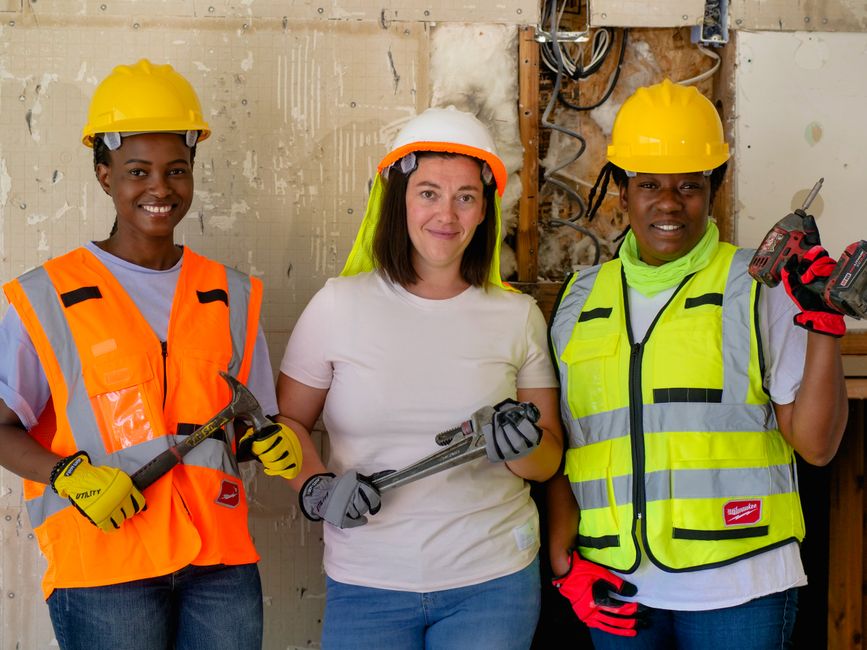
Start with a stable footing and a clear work area. Keep bystanders at a safe distance, especially when breaking concrete. The Occupational Safety and Health Administration provides general guidance on hand tool safety that applies to heavy striking tools.
Proper Grip and Stance
Hold the handle near the end with both hands, keeping your dominant hand at the bottom. Stand with feet shoulder-width apart and slightly staggered. Let the head’s weight do the work rather than muscling the swing.
Striking Technique
Lift the hammer, let gravity guide it downward, and strike the target squarely. Avoid overswinging, which reduces accuracy and increases fatigue. Short, controlled strikes often outperform wild, powerful swings.
- Wear eye protection and gloves at all times.
- Inspect the handle for cracks before each use.
- Keep fingers and feet clear of the strike zone.
- Take breaks to prevent fatigue and loss of control.
Key Takeaway: Good stance, controlled swings, and protective gear matter more than swing strength for safe, effective sledgehammer use.
How Should You Choose the Best Sledgehammer for Your Needs?
Choosing the best sledgehammer comes down to matching specifications to your work. Start by listing the materials you will strike and how often you will use the tool. This simple exercise narrows the field quickly.
Budget also plays a role. Quality forged heads and fiberglass handles cost more upfront but last longer and reduce strain. For occasional home use, a mid-range model is usually enough. For frequent or professional demolition, invest in a heavier, forged option with a vibration-reducing handle.
- Define the primary task: demolition, stakes, splitting, or general use.
- Choose head weight based on the material and your comfort.
- Select a handle length and material suited to your height and reach.
- Prefer forged, heat-treated heads for durability.
- Look for vibration-dampening grips for long sessions.
Key Takeaway: The best sledgehammer is the one whose weight, handle, and head design match your most common task and your physical comfort.
Frequently Asked Questions
What weight sledgehammer is best for most people?
An 8-pound sledgehammer is the most versatile choice for general use. It offers enough force for driving stakes, light demolition, and splitting softer wood while remaining manageable for extended periods. Homeowners tackling occasional projects often find it covers most needs without excessive fatigue.
Is a fiberglass handle better than a wood handle?
Fiberglass handles are generally more durable and resist moisture, cracking, and splintering better than wood. They are also lighter. Wood handles absorb some vibration and feel traditional, but they can crack over time. For heavy, frequent use, fiberglass or composite handles are usually the better choice.
How heavy should a sledgehammer be for breaking concrete?
For breaking concrete, most users choose a head between 10 and 14 pounds. Heavier heads deliver more momentum per strike, reducing the number of swings needed. Pair the hammer with a long handle and protective equipment, since concrete debris can cause serious injury without proper eye and hand protection.
Can a sledgehammer be used for splitting wood?
Yes, a sledgehammer combined with a steel splitting wedge can split tough rounds that resist an axe. An 8 to 10 pound head works well. Place the wood on a stable base, set the wedge in the grain, and strike it squarely. Traditional splitting mauls are often more efficient, but a sledgehammer is a workable alternative.
How do I maintain my sledgehammer?
Inspect the head and handle before every use and check for cracks, loose connections, or mushrooming. Dress rough or mushroomed edges with a file or grinder while wearing eye protection. Keep the handle clean and dry, and replace it promptly if it shows damage. Proper maintenance extends the life of the tool and improves safety.
Does a longer handle always mean more power?
A longer handle generally increases swing speed and striking force because it creates more leverage. However, it also reduces control and accuracy. Shorter handles around 24 to 28 inches suit confined spaces and precise work, while 32 to 36 inch handles are better for open demolition where power matters most.
Conclusion: Which Sledgehammer Should You Buy in 2026?
The best sledgehammer for your needs depends on the work you plan to do. An 8-pound model with a fiberglass handle serves most homeowners well, while heavier 10 to 14 pound forged hammers suit demolition and concrete breaking. Consider head shape, handle material, and vibration control alongside weight, since these factors shape comfort and results over time.
Prioritize safety, proper technique, and regular inspection regardless of the model you choose. A well-matched sledgehammer used correctly will outperform a heavier tool swung poorly. By defining your primary task, selecting the right specifications, and investing in quality construction, you can buy a sledgehammer that serves you reliably for years.

Write Your Review
No reviews yet. Be the first to share your experience!