

What Grit Should You Use When Sanding a Car for Painting?
Choosing the right grit sandpaper is essential for a professional paint finish on your vehicle. The grit you select depends on the surface condition, paint removal needs, and final smoothness required. Generally, start with 80–120 grit for heavy material removal, progress to 220–400 grit for intermediate sanding, and finish with 1000–2000 grit for final surface preparation. This multi-stage approach ensures proper paint adhesion and a flawless finish. The correct grit sequence removes imperfections while preventing scratches that show through new paint. Understanding grit progression saves time and delivers superior results that last.

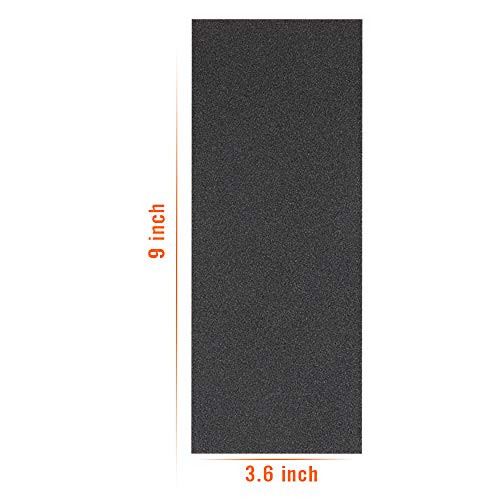
45PCS Sandpaper,Atosun Premium Wet Dry Waterproof Sand Paper, 120 to 5000 Assorted Grit Sanding Paper for Wood Furniture Finishing, Metal Sanding and Automotive Polishing, 9 x 3.6 Inches.(Atosun)
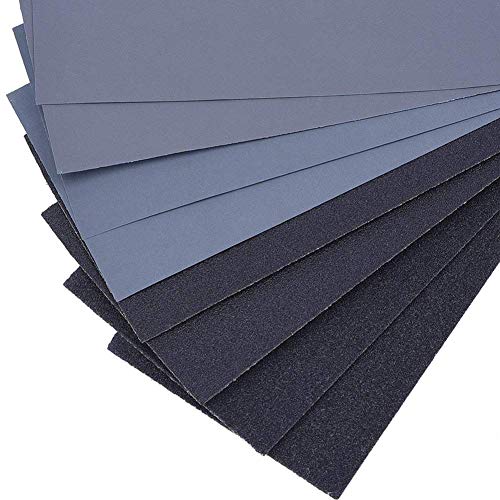
- 【MEETS ALL YOUR NEEDS】Atosun high grit sand paper set contains 45pcs wet dry sand paper assortment in grit 120, 150, 180, 240, 320, 400, 600, 800, 1000, 1200, 1500, 2000, 2500, 3000, 5000, 3 sheets of each grit. Variety of sandpaper grit can meet most of your daily usage.
- 【PREMIUM QUALITY SAND PAPER】Sanding paper sheets are made from waterproof silicon carbide and are electro coated so it will not fall apart, tear off or crumble off whenever you use it.
- 【PERFECT FOR WET OR DRY USING】Waterproof and tensile resistant technology enables these abrasive paper sheets sturdy and lasts for a long time using in your projects, and they can be used for both wet and dry purposes.
- 【PERFECT SIZE AND EASY TO IDENTIFY】All the sand papers are in 9 x 3.6 inches, you also can cut it into any size as you need. The soft-back sand paper ensures a good hold by your hand and you can use it to polish the objects smoothly with only moderate effort, with high resistance to slip or loose during usage. The grits spec is printed on the back of the sandpapers for easy identification.
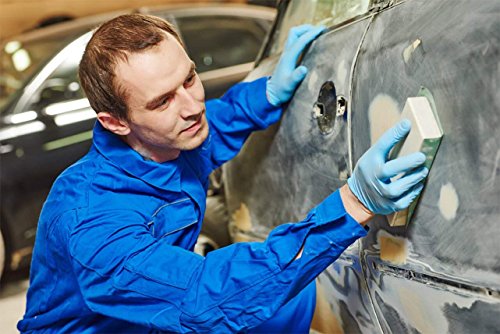
- 【MULTIFUNCTIONAL】 The sand Papers are suitable for usage in art and craft, wood, automotive, metal, and plastic applications for buffing and polishing.



As an Amazon Associate we earn from qualifying purchases. Product prices and availability are accurate as of the date/time indicated.
Car painting requires meticulous surface preparation, and grit selection is foundational to that process. Most professional detailers and body shops follow established grit sequences based on decades of industry experience. Your specific project determines which grits you’ll need. Factors like existing paint condition, rust presence, and desired final texture influence your sanding strategy. Rushing through grit selection or skipping steps leads to visible defects in the finished paint job.
How Do You Choose the Right Grit for Initial Surface Preparation?
Initial surface preparation typically begins with 80–120 grit sandpaper when dealing with heavy paint removal or significant surface damage. This coarse grit cuts through multiple paint layers efficiently. Use 80 grit for severe rust, deep scratches, or complete paint removal. Reserve 120 grit for lighter existing paint that needs removal but doesn’t have major defects. Both grits create visible scratches intentionally—these serve as anchor points for primer adhesion.
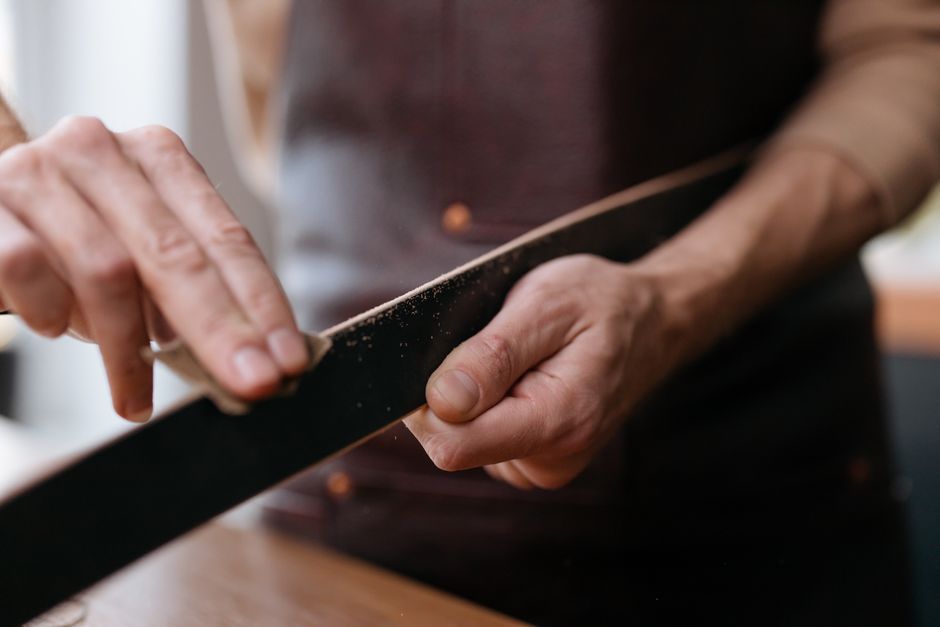
The aggressive nature of coarse grits means you must work carefully to avoid gouging the metal substrate. Orbital sanders work well at this stage because they distribute pressure evenly. Hand sanding with 80–120 grit requires significant physical effort and skill to maintain consistent depth. Most professionals recommend power tools for initial grit work to ensure uniform material removal across large panels.
When to Use 80 Grit vs. 120 Grit
- 80 grit: Heavy rust removal, multiple paint layers, severe surface damage.
- 120 grit: Moderate paint removal, general surface preparation, less aggressive approach.
- Combination approach: Start with 80, transition to 120 for final initial pass.
Key Takeaway: Use 80 grit for aggressive removal and 120 grit for controlled, moderate surface prep work.
What Grit Range Works Best for Intermediate Sanding Before Primer?
Intermediate sanding bridges the gap between coarse initial prep and fine finishing work. The 220–400 grit range removes scratches left by coarser grits while preparing the surface for primer. Start with 220 grit to eliminate 80–120 grit marks, then progress to 320 or 400 grit for a smoother substrate. This stage is critical because it directly impacts how primer adheres and how the final paint finish appears. Skipping or rushing intermediate grits results in visible scratches showing through primer and paint.

Most professional shops spend considerable time on intermediate sanding because it determines overall quality. A 220 grit pass removes coarse scratches efficiently without requiring excessive material removal. Following with 320 or 400 grit creates a surface that accepts primer evenly. The transition from aggressive to moderate grit happens gradually to avoid substrate damage. Patience during this phase prevents costly rework later in the painting process.
Intermediate Grit Progression Strategy
- 220 grit: Primary intermediate step, removes 80–120 grit scratches effectively.
- 320 grit: Secondary intermediate step, further smooths surface for primer.
- 400 grit: Optional but recommended, creates ideal primer surface.
- Orbital sanders: Best tool choice for consistent, even intermediate sanding.
Key Takeaway: Progress through 220, 320, and 400 grit to eliminate coarse scratches and create a uniform primer-ready surface.
Which Fine Grit Should You Use for Final Surface Preparation and Primer Sanding?
Final surface preparation uses 600–1000 grit sandpaper to create an ultra-smooth substrate for paint application. This fine grit removes any remaining imperfections, dust particles, and primer drips. Sand primer with 600–800 grit after it fully cures to ensure the paint adheres properly. Many professionals then use 1000 grit for a final pass if the primer surface shows any defects. The goal is eliminating anything that could create a rough texture under the final paint coat.
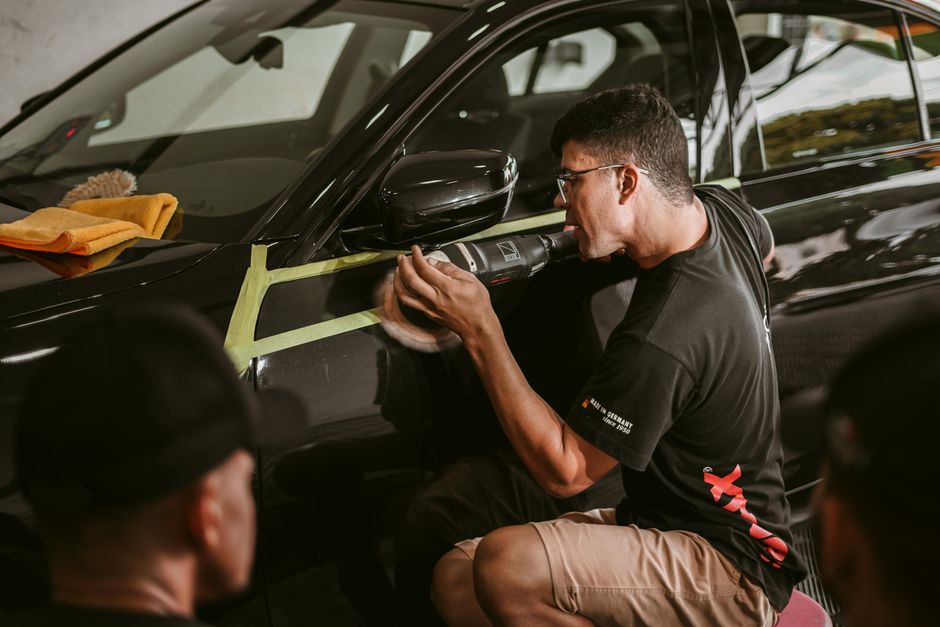
Fine grit sanding requires a gentler touch than coarse work. Hand sanding becomes practical at this stage since you’re removing minimal material. Wet sanding with 600–1000 grit is increasingly popular because water reduces dust and prevents clogging. This technique also provides better visibility of the surface condition. Whether wet or dry sanding, the 600–1000 grit range produces the smooth finish that separates professional results from amateur work.
Fine Grit Application Techniques
- 600 grit: Primary fine grit, removes primer drips and surface irregularities.
- 800 grit: Secondary fine grit, further smooths primer surface.
- 1000 grit: Optional final pass, creates ultra-smooth paint substrate.
- Wet sanding: Reduces dust, prevents clogging, improves visibility and results.
Key Takeaway: Use 600–1000 grit on primer to achieve the smooth, defect-free surface required for flawless paint application.
What Grit Sequence Should You Use Between Paint Coats?
Between paint coats, use 1000–1500 grit sandpaper to lightly scuff the surface without removing significant material. This light sanding ensures each paint layer bonds properly to the previous one. A single pass with 1000 or 1200 grit is sufficient—you’re not trying to level the paint, just create mechanical adhesion. Most painters use a scuff pad or ultra-fine grit sanding sponge for this quick step. The process takes minutes per panel and dramatically improves paint durability and appearance.

Light scuffing between coats prevents paint peeling and separation over time. Many DIY painters skip this step, but professionals never do. The slight surface texture created by 1000–1500 grit gives the next coat something to grip. This is especially important when applying multiple clear coats, where adhesion between layers determines long-term protection. Always allow paint to fully cure before scuffing, typically 24 hours depending on product specifications.
Between-Coat Sanding Best Practices
- 1000–1200 grit: Standard scuff grit for light surface preparation.
- 1500 grit: Optional, creates even finer scuff texture.
- Sanding sponges: Convenient alternative to flat sandpaper for small areas.
- Light pressure: Use minimal force to avoid cutting through paint.
- Full curing: Wait manufacturer-recommended time before scuffing new paint.
Key Takeaway: Scuff between paint coats with 1000–1500 grit to ensure proper adhesion and prevent peeling.
How Do You Achieve a Perfect Finish With Final Sanding and Polishing Grits?
After the final paint coat cures completely, use 1500–2000 grit sandpaper to address any dust particles or imperfections embedded in the paint. This ultra-fine sanding is often done wet to minimize scratching and dust. The goal is creating a perfectly smooth surface ready for polishing compounds. Many professionals then use rubbing compound followed by polishing compound to achieve a mirror-like finish. This final stage transforms a good paint job into a show-quality result.
Wet sanding with 2000 grit represents the gold standard for final paint finishing. The water acts as a lubricant, preventing the sandpaper from digging too aggressively. This technique reveals any remaining defects that can be addressed before polishing. After wet sanding and drying, apply rubbing compound to remove any remaining scratches from the sanding process. Follow with a quality polishing compound for maximum gloss and depth. The entire final finishing process takes several hours but produces exceptional results.
Final Finishing Grit Sequence
- 1500 grit: Initial final sanding, removes dust and minor imperfections.
- 2000 grit: Ultra-fine sanding, creates glass-smooth surface.
- Wet sanding: Preferred method for final grits, reduces scratching risk.
- Rubbing compound: Applied after sanding, removes sanding scratches.
- Polishing compound: Final step, creates mirror-like gloss and depth.
Key Takeaway: Finish with 1500–2000 grit wet sanding, then compound and polish for professional-quality results.
What Are the Best Practices for Sanding Different Car Surface Types?
Different car surfaces require slightly adjusted sanding approaches. Metal panels, plastic bumpers, and composite materials each respond differently to various grits. Metal panels follow the standard progression from 80 to 2000 grit without modification. Plastic bumpers require gentler initial sanding—start with 120 or 150 grit to avoid cracking or warping. Composite or fiberglass surfaces need careful grit selection to avoid splintering or delamination.
Understanding your car’s material composition prevents damage during sanding. Many modern vehicles mix steel, aluminum, plastic, and composite materials. Each material has different hardness and heat sensitivity. Research your specific vehicle’s panel materials before starting the sanding process. When in doubt, consult the manufacturer’s specifications or contact a professional body shop for guidance on material-specific techniques.
Material-Specific Sanding Guidelines
- Steel panels: Standard 80–2000 grit progression, most forgiving material.
- Aluminum panels: Use same progression but with lighter pressure.
- Plastic bumpers: Start with 120 grit, avoid aggressive sanding.
- Fiberglass: Gentle approach, 150+ grit minimum to prevent splintering.
- Composite materials: Consult manufacturer recommendations before sanding.
Key Takeaway: Adjust grit selection and pressure based on material type to prevent damage and ensure proper paint adhesion.
What Tools and Equipment Do You Need for Proper Car Sanding?
Successful car sanding requires the right tools and equipment for each grit stage. An orbital sander is essential for initial and intermediate grit work—it provides consistent pressure and even material removal. Sandpaper or sanding discs in the appropriate grits are fundamental supplies. A dust collection system, whether built-in to your sander or a separate vacuum, keeps your work area clean and protects your health. Safety equipment including respirator masks, eye protection, and gloves is non-negotiable.
Quality tools make the sanding process faster and produce better results. A random orbital sander works well for most car painting projects. For fine grit work, consider a dual-action sander or hand sanding for maximum control. Sanding blocks and sanding sponges provide alternatives for curved surfaces and tight areas. Invest in good sandpaper—cheap sandpaper clogs faster and produces inferior results. Proper lighting also matters; you need to see the surface clearly to identify remaining defects.
Essential Sanding Equipment List
- Random orbital sander: Primary power tool for efficient material removal.
- Sanding discs: 80, 120, 220, 320, 400, 600, 1000, 1500, 2000 grit.
- Dust collection: Vacuum or built-in system to manage airborne particles.
- Respirator mask: NIOSH-certified for dust and paint particles.
- Eye protection: Safety glasses or full-face shield.
- Sanding sponges: For curved surfaces and fine grit work.
- Sanding blocks: Hand-sanding tool for precision work.
- Lighting: Work lights or headlamp for surface visibility.
Key Takeaway: Invest in quality orbital sanders, dust collection, safety equipment, and a complete grit range for professional results.
How Can You Avoid Common Sanding Mistakes When Preparing a Car for Paint?
Common sanding mistakes undermine even the best paint jobs. Skipping grit stages to save time creates visible scratches in the final finish. Applying too much pressure with coarse grits gouges the substrate, requiring filler and additional work. Using the same grit for too long clogs the sandpaper and produces inconsistent results. Not allowing adequate drying time between stages traps moisture that causes paint adhesion problems. Neglecting to remove all dust before primer or paint application creates rough texture and adhesion failure.
The most critical mistake is rushing the sanding process. Professional painters allocate 30–50 percent of total project time to surface preparation. This investment in proper sanding prevents costly mistakes and rework. Another common error is not checking your work frequently. Stop every few minutes to feel the surface and assess your progress. Visual inspection under good lighting reveals scratches and defects that need addressing. Patience and attention to detail during sanding determine whether your paint job looks amateur or professional.
Mistakes to Avoid During Car Sanding
- Skipping grit stages: Each grit serves a purpose—don’t rush the progression.
- Excessive pressure: Let the tool do the work; light pressure prevents gouging.
- Grit clogging: Replace sandpaper frequently for consistent cutting action.
- Inadequate drying time: Allow proper curing between sanding stages.
- Dust contamination: Remove all dust before primer and paint application.
- Inconsistent technique: Maintain steady pressure and overlapping passes.
- Skipping safety equipment: Respirators and eye protection are essential.
Key Takeaway: Avoid rushing, use proper pressure, maintain tools, and prioritize safety to prevent costly sanding mistakes.
What Do Professional Body Shops Recommend for Optimal Grit Selection in 2026?
Professional body shops in 2026 follow refined grit sequences based on modern paint technology and equipment advancements. Most recommend starting with 120 grit instead of 80 for general projects, reserving 80 for severe damage. The intermediate range has shifted slightly toward 320 grit as the primary intermediate step. Many shops now use 600 grit on primer instead of 400, reflecting improved primer formulations. Final finishing increasingly incorporates 2000 grit wet sanding for superior results. These adjustments reflect industry evolution toward faster, higher-quality finishes.
Modern automotive paints require different approaches than older formulations. Water-based and high-solids paints have different sanding characteristics. Advanced primers provide better adhesion, sometimes allowing skipping a grit step. Professional shops invest in equipment like random orbital sanders with dust collection to maintain efficiency. They also track paint manufacturer recommendations, which sometimes specify optimal grit sequences. Consulting with paint manufacturers ensures your grit selection aligns with specific product requirements.
Key Takeaway: Modern professional shops adapt grit sequences to contemporary paint technology, emphasizing 120–600 grit progression with final 2000 grit wet sanding.
Recommended Products
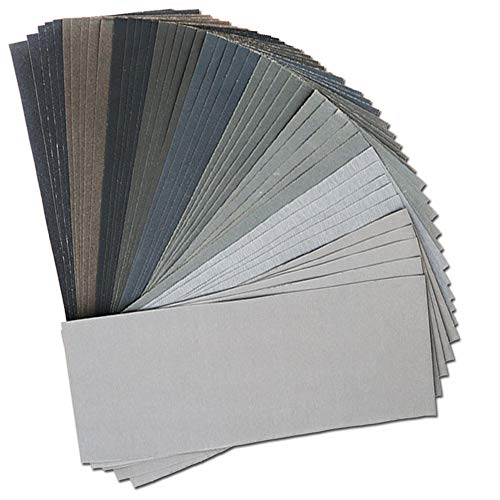
45Pcs Wet Dry Sandpaper, 400/600/ 800/1000/ 1200/1500/ 2000/2500/ 3000 Grit Assorted Sanding Sheets for Automotive Polishing, Metal Sanding, Wood Furniture Finishing, 9 x 3.6 Inch by BAISDY
- Wide Variety of Grit - Perfect selection of different grits, Including 5 sheets of each grit: 400/ 600/ 800/ 1000/ 1200/ 1500/ 2000/ 2500/ 3000, total 45 sheets.
- Suits Your Needs Perfectly - Wet and dry sandpaper, great assortment of fine to superfine sandpaper, you can use fine grit sandpaper for fine woodworking, cleaning and polishing metal, sanding clay, wood furniture finishing, wood turning finishing, automotive jobs and more.
- Handy Sizes - Silicon carbide sandpaper size 9 x 3.6 inches, It can be easily cut and folded to fit any hand tool or work piece crevice.
- High Quality Sandpaper - Made of waterproof silicon carbide, electro coated, It works well dry and wet sanding. Each product we need to do 100% quality-check before shipping to ensure the paper not easily fall off when in use.
- Easy to Identify - Good variety of grits from coarse to smooth, so you have a good choice to fit any type of projects, the grit is on the back of sandpaper for easy identification.


As an Amazon Associate we earn from qualifying purchases. Product prices and availability are accurate as of the date/time indicated.

Shineboc Sandpaper Assortment, Wet Dry Sand Paper 9 x 3.6 Inch
- Multi-Stage Sandpaper Assortment: This Shineboc 9x3.6 inch sandpaper pack includes 21 sheets with 7 grits (120/220/400/600/800/1000/2000), 3 sheets per grit, suitable for all sanding stages from rough to fine
- Premium Material: Crafted from high-quality silicon carbide, it is electrostatically coated to ensure an uniform distribution of grit. This results in long-lasting performance and high resistance to damage
- Wet and Dry Use: It can be utilized for both wet and dry sanding. Wet sanding helps reduce the occurrence of scratches and minimizes dust emissions, while dry sanding offers faster material removal and convenience
- Anti-Clogging: With excellent anti-clogging properties, it resists the accumulation of dust and debris. This guarantees a sharp cutting edge and less frequent replacement
- Tear-Resistant: A reinforced backing layer is incorporated, which prevents the sanding sheets from tearing under high pressure or when used on irregular surfaces
- Customizable Cutting: It can be easily cut into different sizes to meet your specific DIY requirements
- Multi-Tool Compatibility: Compatible with a variety of tools such as sanding blocks, palm sanders, and sheet sanders, it can seamlessly adapt to both manual and mechanical sanding tasks
- Versatile Applications: Ideal for precision work on diverse materials including wood, metal, automotive paint, plastic, stone, jewelry, and crafts—from industrial refinishing to delicate creative work
- Easy Identification: The grit number is clearly marked on the back, facilitating easy selection


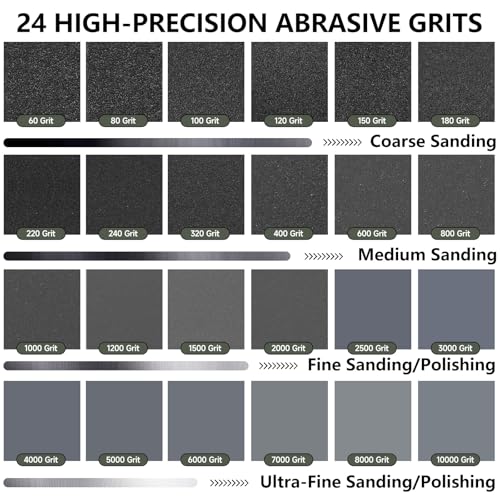


As an Amazon Associate we earn from qualifying purchases. Product prices and availability are accurate as of the date/time indicated.
Frequently Asked Questions
Can you skip grit stages when sanding a car for painting?
Skipping grit stages compromises paint quality and durability. Each grit removes scratches from the previous stage while preparing for the next. Jumping from 80 to 400 grit leaves visible scratches that show through paint. Professional results require following the complete progression. You might combine adjacent grits in some cases, but never skip multiple stages. Proper grit sequencing takes extra time but prevents expensive rework and ensures lasting results.
Is wet sanding better than dry sanding for car preparation?
Wet sanding offers advantages for fine grit work, especially 1000 grit and higher. Water reduces dust, prevents sandpaper clogging, and provides better visibility. Wet sanding produces smoother surfaces with fewer scratches. However, dry sanding works fine for coarser grits and initial material removal. Many professionals use dry sanding for 80–600 grit and switch to wet sanding for final finishing. Choose based on your equipment, workspace, and desired results. Both methods work when done correctly.
How long should sandpaper last before replacing it?
Sandpaper lifespan depends on grit, material, and sanding technique. Coarse grits (80–120) typically last 30–60 minutes of active sanding before clogging. Medium grits (220–400) last 60–90 minutes. Fine grits (600+) last 90–120 minutes. Replace sandpaper when it stops cutting efficiently or clogs visibly. Clogged sandpaper produces inferior results and wastes time. Quality sandpaper costs less than the time lost using dull paper. Always have backup discs available to maintain workflow efficiency.
What grit should you use on bare metal before primer?
Bare metal requires careful preparation to ensure primer adhesion. Start with 120 grit to remove any oxidation or contamination. Progress through 220, 320, and 400 grit to create a smooth surface. Finish with 600 grit before applying primer. This sequence removes surface contaminants while creating proper mechanical adhesion for primer. Bare metal is more forgiving than painted surfaces but still requires proper grit progression. Rushing bare metal preparation leads to primer adhesion failure and rust development.
Can you use the same sandpaper grit for all car sanding stages?
Using one grit throughout produces poor results and wastes time. Coarse grits remove material but leave scratches. Fine grits don’t remove material efficiently. Each grit serves a specific purpose in the progression. Using 220 grit for the entire project means excessive time on material removal or inadequate final smoothing. The multi-stage grit approach balances efficiency with quality. Investing in a complete grit range costs less than the extra labor required with single-grit sanding.
How do you know when sanding is complete and ready for primer?
Surface readiness involves both visual and tactile inspection. The surface should appear uniformly dull without glossy spots. Run your hand over the sanded area—it should feel smooth without catching. Use raking light to identify any remaining scratches or imperfections. All dust must be completely removed with tack cloths before primer application. The surface should be clean and dry. When in doubt, do an additional pass with 400 or 600 grit. Proper surface preparation prevents primer adhesion problems and paint defects.
Which Sanding Approach Delivers the Best Results for Your Car Painting Project?
The best sanding approach combines proper grit sequencing with quality equipment and meticulous technique. Start with 80–120 grit for initial material removal, progress through 220–400 grit for intermediate smoothing, and finish with 600–2000 grit for final preparation. Use orbital sanders for efficiency on large panels and hand sanding for precision work on curves and edges. Invest in quality sandpaper, dust collection, and safety equipment. Allow adequate drying time between stages and inspect frequently for defects. This systematic approach produces professional-quality results that rival commercial body shops.
Your specific project determines the exact grit sequence needed. Light paint touch-ups might skip 80 grit and start at 120. Complete repaints require the full progression. Bare metal requires careful grit selection to ensure primer adhesion. Plastic and composite surfaces need gentler approaches than steel. Understanding these variations allows you to customize the process for your situation. The fundamental principle remains constant: progress gradually through grits to remove previous scratches while preparing for the next stage.
Success in car painting depends more on surface preparation than on paint application skill. Professional painters spend 50 percent of project time sanding because they understand this reality. Rushing sanding to save time inevitably leads to visible defects and rework. Patience during the sanding phase pays dividends in the final finish quality. Whether you’re doing a professional restoration or a simple touch-up, following proper grit sequencing ensures results you’ll be proud of for years to come.
Key Takeaway: Master proper grit sequencing from 80 to 2000 grit, use quality equipment, and prioritize surface preparation to achieve professional car painting results.



Write Your Review
No reviews yet. Be the first to share your experience!